The best walks and hikes around Noisy-Rudignon
4.1
(91)
543
hikers
83
hikes
Hiking around Noisy-Rudignon offers access to diverse natural landscapes, primarily centered around the vast Fontainebleau Forest and the Loing River. The region is characterized by extensive woodlands, unique sandstone rock formations, and picturesque river environments. Varied terrain includes sandy plains, rocky sections, and scenic gorges, providing a range of hiking experiences. This area serves as a base for exploring the natural features and historical towns of the Seine-et-Marne department.
Best hiking trails around Noisy-Rudignon
- The most popular hiking route is…
Last updated: May 7, 2026
4.5
(2)
9
hikers
19.2km
04:52
40m
40m
Moderate hike. Good fitness required. Mostly accessible paths. Sure-footedness required.
7
hikers
Moderate hike. Good fitness required. Easily-accessible paths. Suitable for all skill levels.

Sign up for free
7
hikers
14.3km
03:50
170m
170m
Moderate hike. Good fitness required. Easily-accessible paths. Suitable for all skill levels.
3.0
(6)
18
hikers
8.48km
02:08
10m
10m
Moderate hike. Good fitness required. Easily-accessible paths. Suitable for all skill levels.
5.0
(2)
5
hikers
12.0km
03:01
20m
20m
Moderate hike. Good fitness required. Easily-accessible paths. Suitable for all skill levels.
Get access to more routes and recommendations from other explorers.
Sign up for free
Already have an account?
Our route recommendations are based on thousands of hikes, rides, and runs completed by other people on komoot.
Start today with a free account
Your next adventure awaits.
Login or Signup



Tips from the Community

Crossed by the Orvanne. Picturesque bridges and wash houses.
0
0

The Great Parish (Cella Sancti German Manea Parochiae) owes its original name to the Christian Latin Cella, which means hermitage and sometimes "small monastery" following groups of hermits from the Carolingian era. This commune was the favorite villa of the Merovingian leudes and took the name of Villam Cellas, became Cellae then Altare de Cellis in honor of Saint-Germain. Legend of Saint-Germain of Paris: "Childebert I fell ill in this place and was miraculously cured by the saint whom he had called. In gratitude, he gave him the lands forming today the parishes of Vernou, Machault and La Grande Parish. The Church was dedicated to him. Formerly a Priory". Great Parish The first meeting of Louis XV and Marie Leckzinska took place on the territory of the commune, on September 4, 1725. A red marble column was raised to commemorate the event. At the La Grande Paroisse cemetery, a gate surrounds the grave of Claudie Elie Montain Horeau, doctor to Empress Joséphine and Emperor Napoleon 1st, member of the Academy of Medicine, Knight of the Legion of Honor, died on February 11, 1841.
1
0

Flagy is an old fortified place. The village was built in the 12th century by order of Louis VII in 1130. On the edge of a royal domain, it is built according to a rectangular plan, as shown by the seven parallel streets leading to the river crossed by seven bridges or gateways. The course of the Orvanne has been diverted and developed to supply the village with water. The mill, built in the 13th century, still exists and is a good representation of the traditional regional architecture of the time. Besides the river, seven wells, one in each of the parallel streets, provided drinking water. There are still several of them, which were used until 1960. On Heritage Day, you can visit two underground entrances. A network of underground passages connected the food cellars which also served as refuges during invasions of the village by enemies. One can see in one of the underground passages some remains of ancient objects. A curiosity on the roof of the church, the weather vane has two symbols: a rooster, the usual symbol, and a pig's head, another symbol, a lasting memory of a local legend, transmitted orally. During the Hundred Years War, the terrible Black Death reached many villages in Île-de-France. Affected by the epidemic, the inhabitants of a neighboring village came to seek help in Flagy, where there was a hospital (Hôtel-Dieu). But the Flagiens energetically refused entry into the village to the sick. The poor people had to look elsewhere for a better welcome. It is said that the bishop, outraged by this attitude of refusal, this lack of compassion, inflicted a punishment on the Flagians. Since then a weather vane in the shape of a pig's head has been turning according to the winds on the roof of the church. Recently rediscovered in the "Favorite Village of the French" 2023, Flagy may not have won the crown, but remains a nice heritage to discover.
0
0

Ornithological reserve near the Yonne, ideal place for birds due to its many natural habitats (ponds, riparian forests, marshes, orchid lawns, etc.). During the different seasons you can observe up to 1220 different species of birds, some migratory, others nesting. Some examples of species you may see there are kingfishers, gray herons, European bullfinch and reed bunting.
0
0

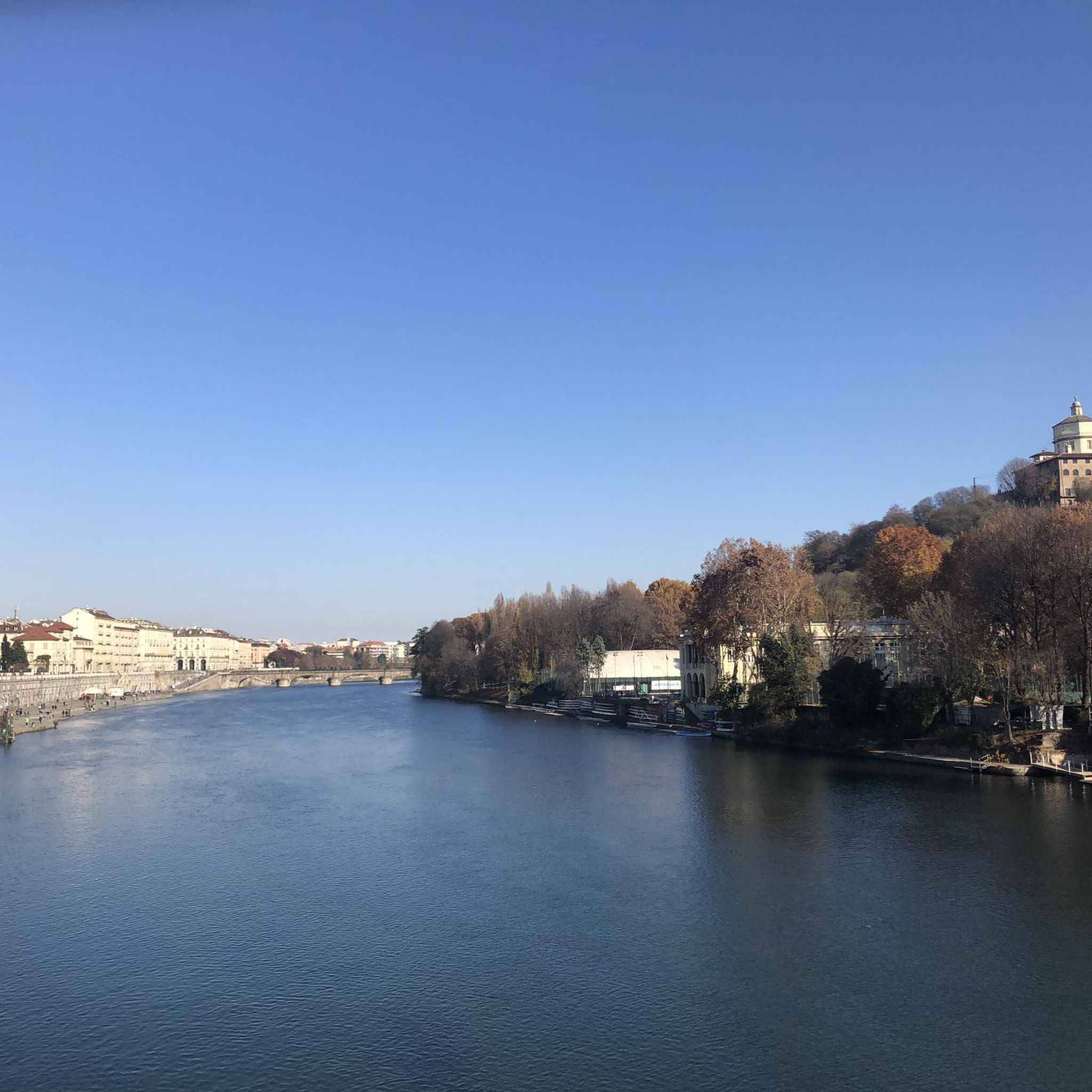
Here you can enjoy an incredible view of the Seine and the bridge. Admire how the river, the greenery and the city come together. The statue of Napoleon watches over the Sentier de la Seine, a magnificent route that runs along one of the main French rivers.
0
0
Observatory to contemplate the birds.
0
0

This wash house built in 1890 is fed directly from a very close source.
1
0
Frequently Asked Questions
What types of terrain can I expect on hikes around Noisy-Rudignon?
The region around Noisy-Rudignon offers a diverse range of terrain, primarily within the vast Fontainebleau Forest. You'll encounter extensive woodlands, unique sandstone rock formations, and picturesque river environments along the Loing River. Expect varied surfaces including sandy plains, rocky sections, and scenic gorges, providing a rich and varied hiking experience.
Are there easy hiking trails suitable for beginners or casual walkers?
Yes, there are plenty of easy options. Out of 76 total routes, 31 are classified as easy. An example of a shorter, easy loop is La Croix de Saint-Pierre – Flagy, a village of character loop from Flagy, which is just over 5 km long.
What kind of natural features or landmarks can I see while hiking in this area?
The region is rich in natural beauty. You can explore the unique sandstone rock formations and sandy expanses like Les Sables du Cul du Chien within the Fontainebleau Forest. The peaceful Loing River also offers picturesque scenery, especially around the medieval town of Moret-sur-Loing. Some routes also provide breathtaking panoramic views, such as over the Seine River and its bridges.
Are there any circular hiking routes available?
Yes, many routes in the area are designed as loops. For instance, the popular Two Rivers Loop Trail offers a moderate 19.2 km circuit exploring river banks. Another option is the Hiking loop from La Grande-Paroisse, which is a moderate 13.9 km trail through varied terrain.
What is the best time of year to go hiking around Noisy-Rudignon?
The region is beautiful year-round, but spring and autumn offer particularly pleasant conditions with mild temperatures and vibrant foliage. The diverse arboreal environments of the Fontainebleau Forest, with oak, chestnut, and pine trees, make for stunning seasonal displays. Summer can be warm, but the extensive forest provides ample shade.
Are there any longer, more challenging hikes for experienced trekkers?
While the majority of trails are easy to moderate, there are 4 routes classified as difficult for those seeking a greater challenge. The region's varied terrain, including rocky sections and elevated 'platières' in the Fontainebleau Forest, can provide more strenuous options.
Can I bring my dog on the hiking trails?
The Fontainebleau Forest, which encompasses much of the hiking area, is generally dog-friendly. However, it's always recommended to keep dogs on a leash, especially in protected areas or during wildlife breeding seasons, and to check specific local regulations for any particular trail or nature reserve.
What do other hikers say about the trails in Noisy-Rudignon?
The hiking routes around Noisy-Rudignon are highly rated by the komoot community, with an average score of 4.1 stars from over 80 reviews. Hikers often praise the diverse landscapes, the unique sandstone formations, and the tranquil riverside paths.
Are there any towns or villages nearby worth exploring after a hike?
Absolutely. The picturesque medieval town of Moret-sur-Loing, situated on the edge of the Fontainebleau Forest and the Loing River, is a charming place to visit. You can enjoy beautiful views from its old bridge or the right bank of the Loing. It's a great spot for a post-hike refreshment.
How many hiking trails are available in the Noisy-Rudignon area?
There are 76 hiking routes available around Noisy-Rudignon, offering a wide range of options for different skill levels and preferences. These include 31 easy, 41 moderate, and 4 difficult trails.
Is public transport an option to reach hiking trailheads?
While specific public transport details for each trailhead are best checked locally, the broader Seine-et-Marne department, where Noisy-Rudignon is located, is accessible by public transport from Paris. For detailed information on reaching specific starting points, it's advisable to consult local transport schedules or plan your route using komoot's routing features.
Most popular routes around Noisy-Rudignon
Most popular attractions around Noisy-Rudignon

Get inspired with the komoot mobile app


Explore more
Browse the best Hikes in other regions.
