Attractions and Places To See around Trébédan - Top 20
Attractions and places to see around Trébédan, a commune in Brittany, France, offer a mix of natural landscapes and historical sites. The area features significant natural reserves, such as Les Grandes Landes de Trébédan, which includes woodlands, wet moors, and peat bogs. Historical structures like the Castle of the Chalonge and the Manor of La Ville-Colas are also present. The region provides opportunities for exploring both natural features and historical architecture.
Best attractions and places to see around Trébédan
- The…
Last updated: October 9, 2026
The Port of Dinan
Highlight • Settlement
Tip by

Dinan
Highlight • Other
Translated by Google •
Tip by

Sign up now to discover places like this
Get recommendations on the best single tracks, peaks, & plenty of other exciting outdoor places.
Dinan Old Town
Highlight • Historical Site
Translated by Google •
Tip by

Saint-Sauveur Basilica
Highlight • Other
Translated by Google •
Tip by
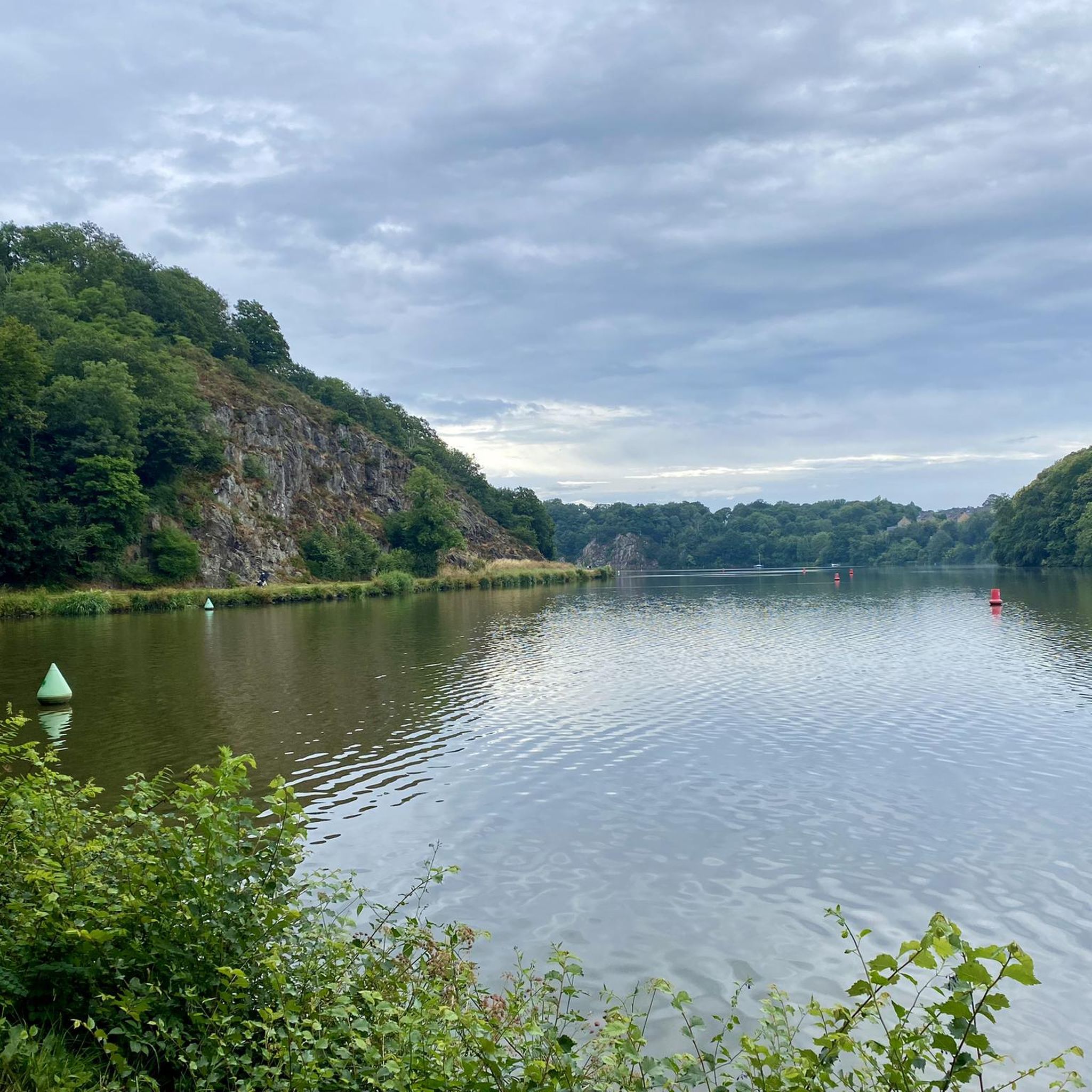
Chemin de Halage Along the Rance in Taden
Highlight (Segment) • Trail
Translated by Google •
Tip by

Sign up for free to discover even more attractions around Trébédan.
Already have an account?
Start today with a free account
Your next adventure awaits.

Tips from the Community

Due to its exceptionally well-preserved cultural heritage, Dinan received the „Ville d’Art et d’Histoire“ award from the French Ministry of Culture in 1986. The old town is today one of the most important historical sights in Brittany and provides an authentic impression of life in a medieval town.
12
0
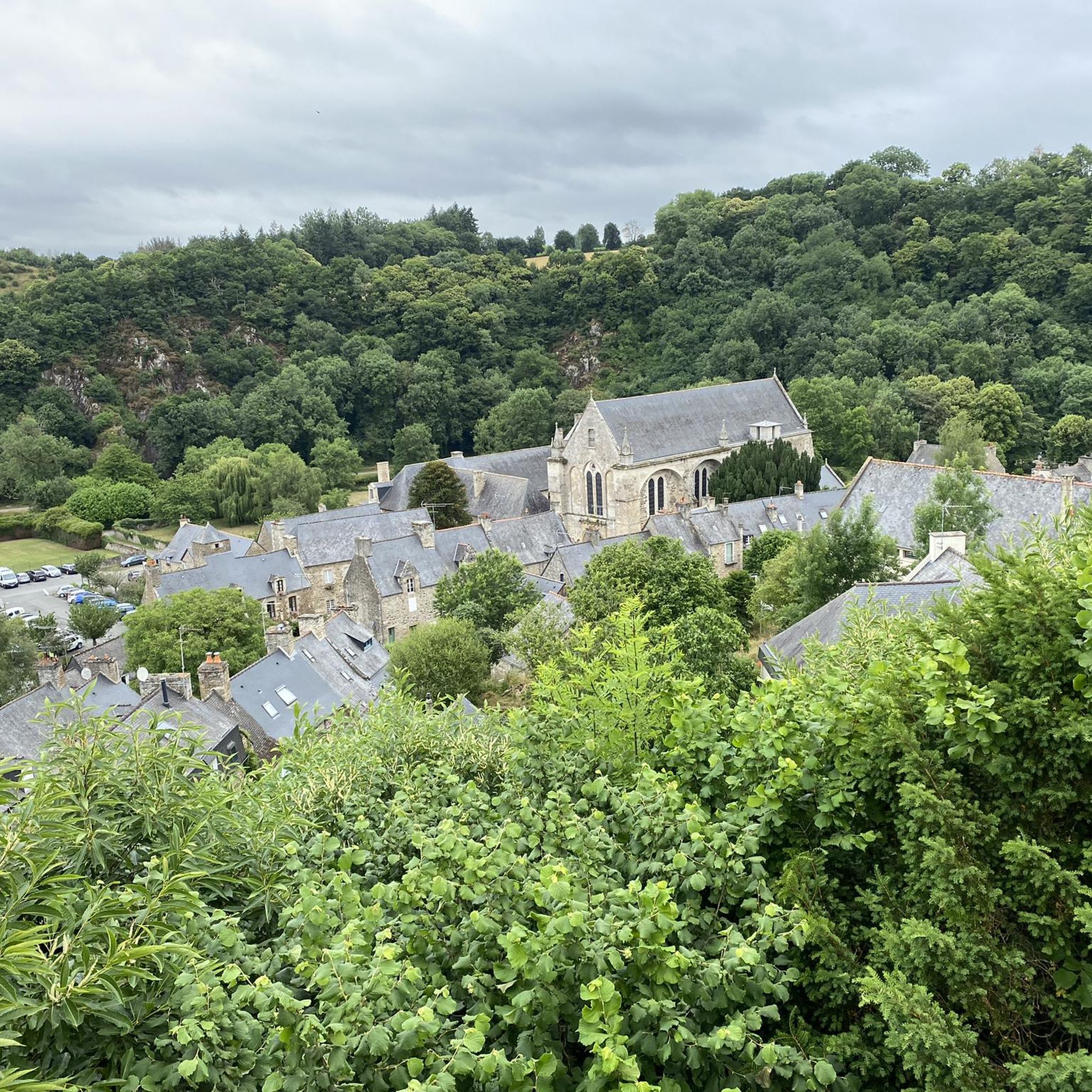
The old town is among the best-preserved medieval city centers in France. Its origins date back to the 11th century, when the city developed into an important trading and craft center due to its favorable location on the Rance. To this day, narrow cobbled streets, numerous half-timbered houses, and an almost completely preserved city wall with gates and towers characterize the historic cityscape. Landmarks of the old town include, among others, the steep Rue du Jerzual, which connects the city center with the harbor, the Basilica of Saint-Sauveur, the Church of Saint-Malo, and the Clock Tower.
22
0

Very beautiful church. I especially liked the windows.
1
0

I was particularly impressed by the church windows.
1
0
Dinan was founded in the 11th century at a strategic location on the Rance River. It developed into a fortified trading and market town during the Middle Ages. In the 14th century, Dinan played an important role in the Hundred Years' War and was repeatedly contested. The town is known for its well-preserved medieval old town with half-timbered houses, city walls, and the Saint-Sauveur Basilica.
15
0
The Basilica of Saint-Sauveur was founded around 1112 and combines Romanesque and Gothic architecture. It is famous as the burial place of the hero Bertrand du Guesclin. It has been a historic monument since 1862 and was elevated to a minor basilica in 1954. Noteworthy are the Romanesque west portal, the Gothic chapels, and the relief of the Assumption of the Virgin Mary.
17
0

This church was not dedicated to one of the many people we venerate as blessed or saints and ask for their heavenly intercession with God, or - like so many French churches - to the Mother of God (“Notre-Dame”). The patronage here was chosen to be the incarnate Son of God, Jesus Christ himself, and the church in Dinan was dedicated to him under the title “SAINT SAUVEUR” - that is, as the Redeemer and Savior (Latin: “Salvator”).
6
0
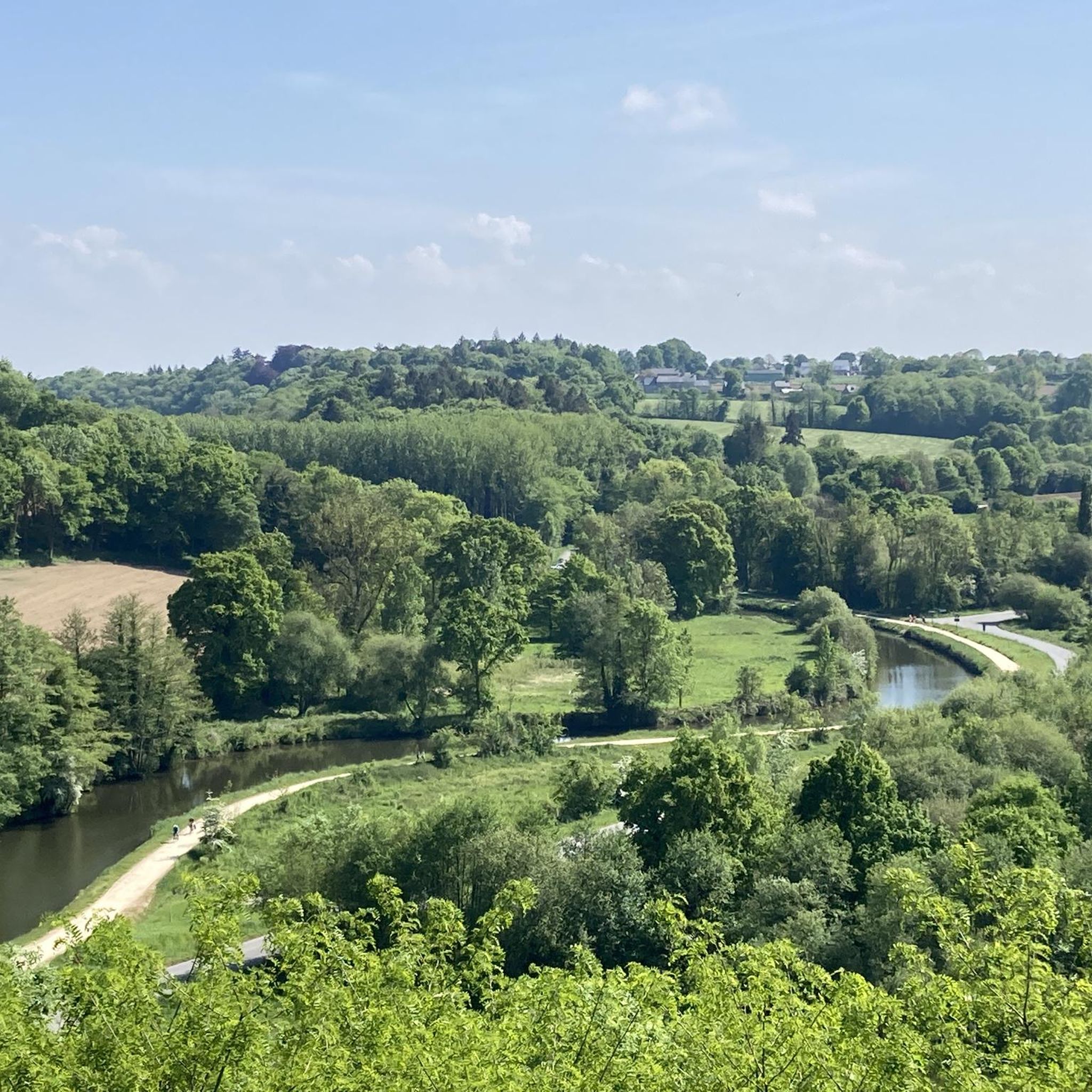
A towpath, which runs alongside the river or canal, was an essential part of the transport infrastructure in earlier times. Before ships could move using motor power, horses ran along the bank and pulled the ship against the current. This was called "treideln" (towing), and this is how the "towpath" that has been preserved to this day got its name.
1
0
Frequently Asked Questions
What natural attractions can I explore directly within Trébédan?
Trébédan is home to Les Grandes Landes de Trébédan, a significant natural reserve spanning 25 hectares. This area features woodlands, wet moors, a one-hectare pond, and peat bogs. It's a rich habitat for diverse flora and fauna, including protected plants and various amphibians, reptiles, and nesting birds. The biological reserve was renamed "Espace naturel Yves Donguy" in June 2024.
Are there historical sites to visit directly within Trébédan?
Yes, within Trébédan itself, you can find historical structures such as the Castle of the Chalonge and the Manor of La Ville-Colas. These monuments offer a glimpse into the local heritage of the commune.
What historical towns are worth visiting near Trébédan?
The medieval town of Dinan is a must-visit nearby. Its Dinan Old Town features narrow streets, half-timbered houses, and defensive walls connecting an upper town and a lower port area. You can also visit the Saint-Sauveur Basilica and Saint-Malo Church within Dinan.
Can I find walking or hiking trails around Trébédan?
Yes, there are several options for walking and hiking. The Chemin de Halage Along the Rance in Taden offers a restful experience along the Rance river. For more structured routes, you can explore various running trails listed in the Running Trails around Trébédan guide, such as the Bois des Mézières loop or routes around Parc du Val Drouet.
Are there cycling routes available near Trébédan?
Absolutely. The region offers a variety of cycling routes. You can find options in the Cycling around Trébédan guide, including loops from Brusvily and Trélivan. For road cycling enthusiasts, the Road Cycling Routes around Trébédan guide provides longer circuits, some extending to Lac de Rophemel or Château de la Hunaudaye.
What kind of flora and fauna can be found in Trébédan's natural areas?
The natural reserve of Les Grandes Landes de Trébédan is a mosaic of woodlands, wet moors, ponds, and peat bogs. This diverse environment supports a rich variety of life, including protected plants like floating water-plantain and intermediate sundew, as well as various amphibians, reptiles, and nesting birds. It's an important site for biodiversity.
Is Trébédan suitable for family visits with children?
While Trébédan itself is more focused on natural reserves and historical structures, the nearby attractions offer family-friendly options. For instance, exploring the medieval streets of Dinan Old Town can be an engaging experience for families. The Chemin de Halage Along the Rance in Taden is also noted as family-friendly for walks and bike rides.
Are there any dog-friendly places or trails in Trébédan?
Many natural areas and trails in Brittany, including those around Trébédan, are generally dog-friendly, especially if dogs are kept on a leash. The Chemin de Halage Along the Rance in Taden is a popular choice for walks with pets, offering scenic views and a relaxed atmosphere.
What is the best time of year to visit Trébédan for outdoor activities?
The best time to visit Trébédan for outdoor activities is typically during the spring (April to June) and early autumn (September to October). During these months, the weather is generally mild and pleasant, ideal for hiking, cycling, and exploring the natural landscapes without the peak summer crowds or the colder, wetter conditions of winter.
Where can I find scenic viewpoints near Trébédan?
While Trébédan itself is known for its natural reserve, the nearby town of Dinan offers excellent viewpoints. Walking along the fortified walls of Dinan Old Town provides lovely panoramic views of the town and the Rance river valley. The towpath along the Rance also offers picturesque riverine scenery.
What are some notable religious buildings in the vicinity of Trébédan?
Near Trébédan, you can visit several significant religious buildings. In Dinan, the Saint-Sauveur Basilica, built between the 12th and 17th centuries, combines Romanesque-Byzantine and Gothic styles. Also in Dinan is the Saint-Malo Church, a beautiful example of Flamboyant Gothic architecture. A short distance away in Léhon, the Saint-Magloire Abbey Church is also worth exploring.
Are there any unique natural features or 'hidden gems' in Trébédan?
The most unique natural feature in Trébédan is the peat bog located within Les Grandes Landes de Trébédan, discovered by naturalist Yves Donguy. This site, now part of the "Espace naturel Yves Donguy," is a rare and ecologically significant wetland, offering a glimpse into a unique ecosystem with specialized flora and fauna.
What do visitors particularly enjoy about the attractions near Trébédan?
Visitors frequently praise the charm of Dinan Old Town, particularly its medieval atmosphere and the walk along its fortified walls. The Chemin de Halage Along the Rance in Taden is highly regarded for its peaceful environment, beautiful scenery, and suitability for relaxed walks and bike rides, with many appreciating the water, greenery, and charming villages along the way.
How can I explore the Rance river area near Trébédan?
The Rance river area can be explored via the Chemin de Halage Along the Rance in Taden, a historic towpath now used for cycling and hiking. This path offers a serene experience, allowing you to enjoy the river, lush greenery, and picturesque villages. It's a great way to experience the natural beauty and historical significance of the river.
Most popular routes around Trébédan

Get inspired with the komoot mobile app


Explore more
Still not found the Highlight you’re looking for? See guides of the top attractions in other regions:
