The best walks and hikes around Segonzac
4.5
(141)
858
hikers
96
hikes
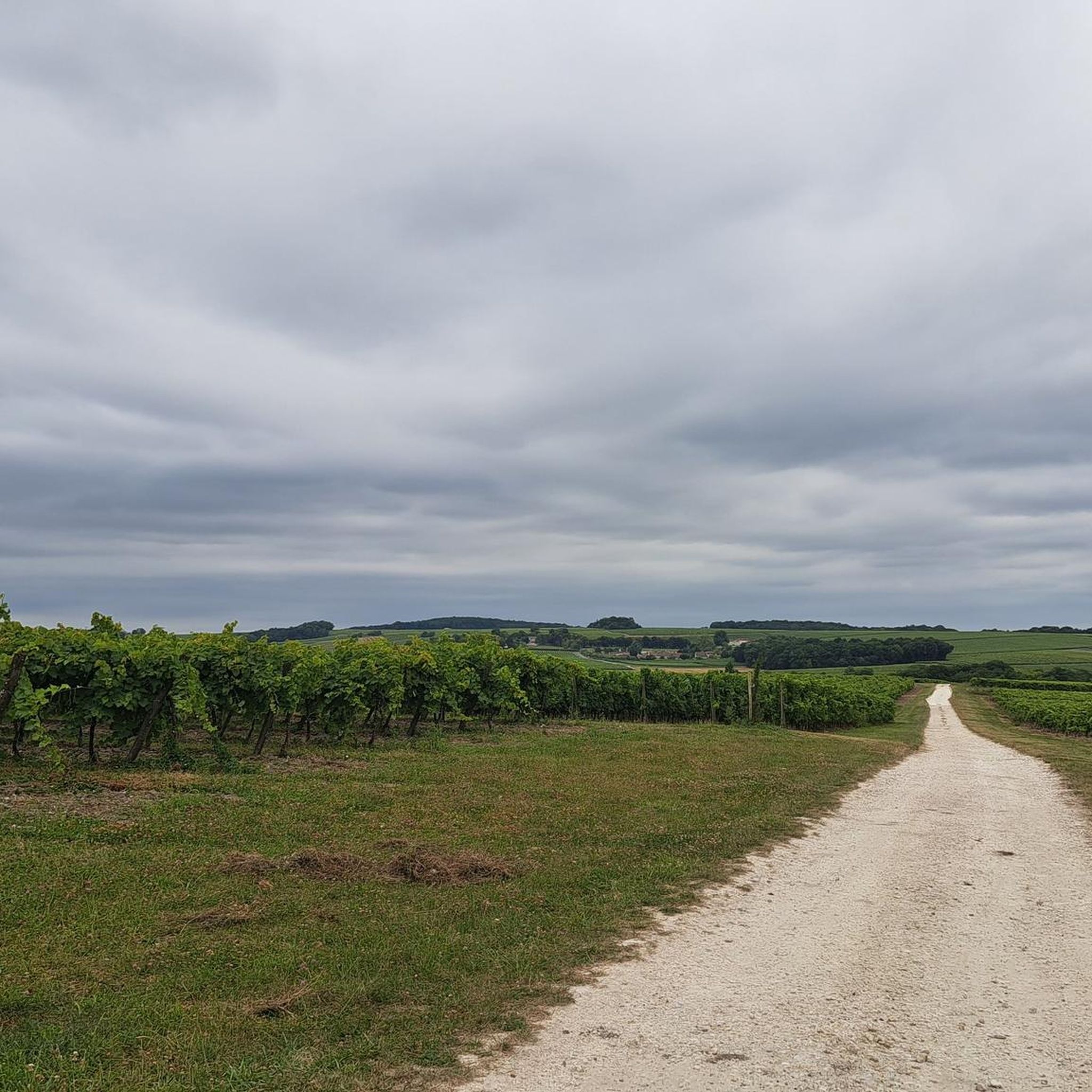
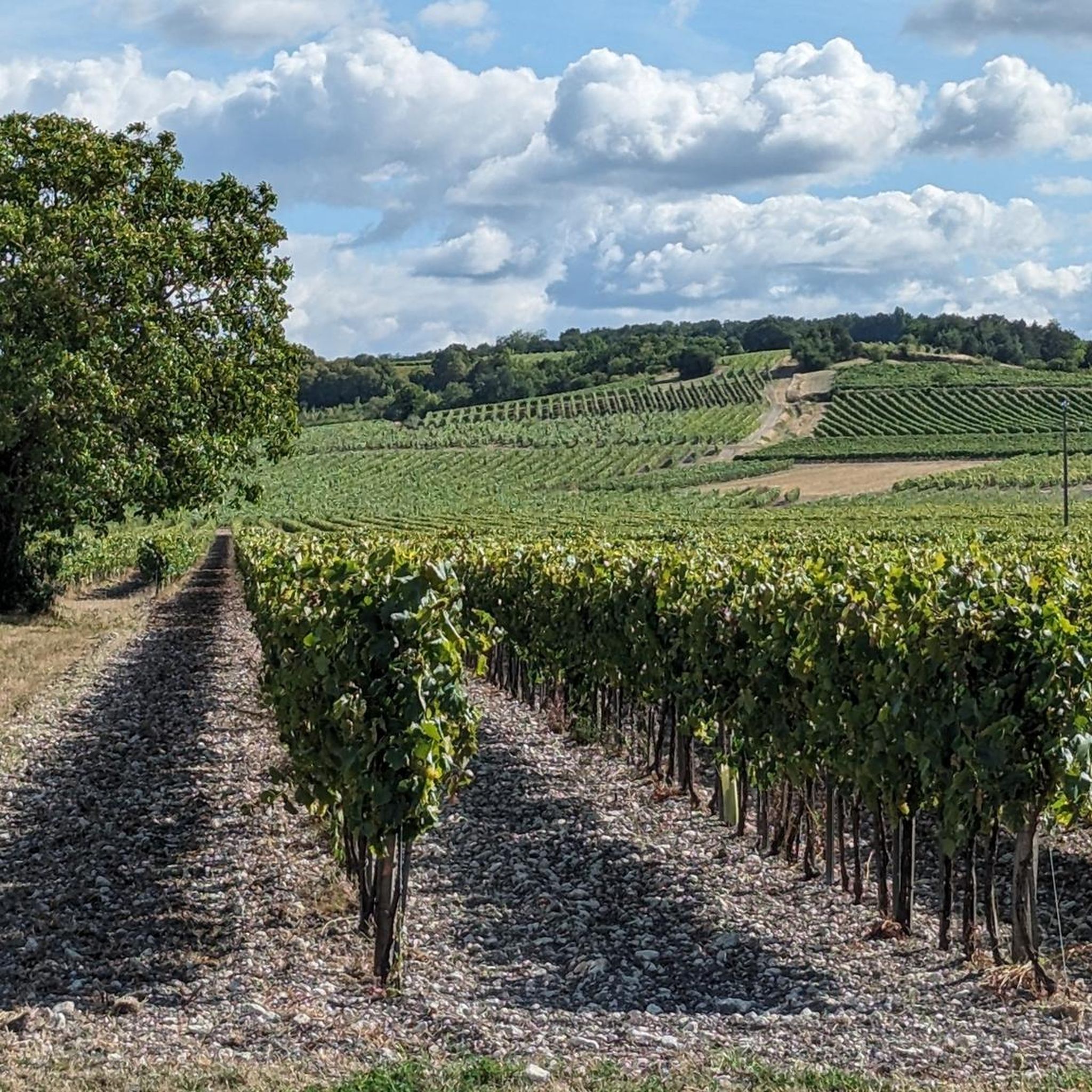
Hiking around Segonzac offers exploration through a landscape characterized by extensive vineyards, rolling hills, and diverse river valleys. The region features a "viticultural patchwork" of vine plots interspersed with patches of high woodland and fields. River systems like the Charente, Né, and Antenne contribute to scenic routes, often classified as Natura 2000 areas. This blend of agricultural land, natural waterways, and gentle elevations provides varied terrain for outdoor activities.
Best hiking trails around Segonzac
- The most popular hiking route is…
Last updated: May 20, 2026
4.7
(9)
32
hikers
10.6km
02:46
70m
70m
Moderate hike. Good fitness required. Easily-accessible paths. Suitable for all skill levels.
4.8
(13)
62
hikers
10.1km
02:34
30m
30m
Moderate hike. Good fitness required. Easily-accessible paths. Suitable for all skill levels.

Sign up for free
32
hikers
5.79km
01:32
50m
50m
Easy hike. Great for any fitness level. Easily-accessible paths. Suitable for all skill levels.
12
hikers
10.1km
02:36
40m
40m
Moderate hike. Good fitness required. Easily-accessible paths. Suitable for all skill levels.
1
hikers
9.86km
02:43
170m
170m
Moderate hike. Good fitness required. Easily-accessible paths. Suitable for all skill levels.
Get access to more routes and recommendations from other explorers.
Sign up for free
Already have an account?
Our route recommendations are based on thousands of hikes, rides, and runs completed by other people on komoot.
Start today with a free account
Your next adventure awaits.
Login or Signup

Tips from the Community


Bourg-Charente castle is a 17th century mansion. Nestled on a rocky promontory, it is located a few kilometers from Cognac. It also houses the remains of a medieval fortress. Acquired in the 20th century, this château houses cellars for producing Grand Marnier. It can be visited from Monday to Friday from 8 a.m. to 5 p.m.
0
0

The ruins of Bouteville Castle were built around the year 1000 on the site of a Roman villa.
3
0
It is in this castle that the cognac cellars of the Marnier-Lapostolle family are located, used for the production of Grand Marnier cognac.
4
0


In 1262, the land of Bourg already belonged to the Ollivier family. In 1363, Sir Ollivier, Baron de Bourg, paid homage to the Prince of Wales, the remarriage of Eleanor of Aquitaine having made the castle of Bourg-Charente an English possession. It then passed to the Bragier, Gouffier, Pons de Pons families, to the Count of Miossens (lord of Pons and governor of Guyenne). The current castle was built by Pons de Pons, to replace the fortified castle destroyed by Marshal de Sancerre while trying to take it back from the English. A Le Camus de Neville was the last lord. In 1921, it was bought by the Marnier-Lapostolle family to set up its cognac cellars there, necessary for the production of Grand Marnier. Since 2012, there are also stills used for the distillation of bitter oranges used in the recipe for Grand Marnier liqueurs.
1
0
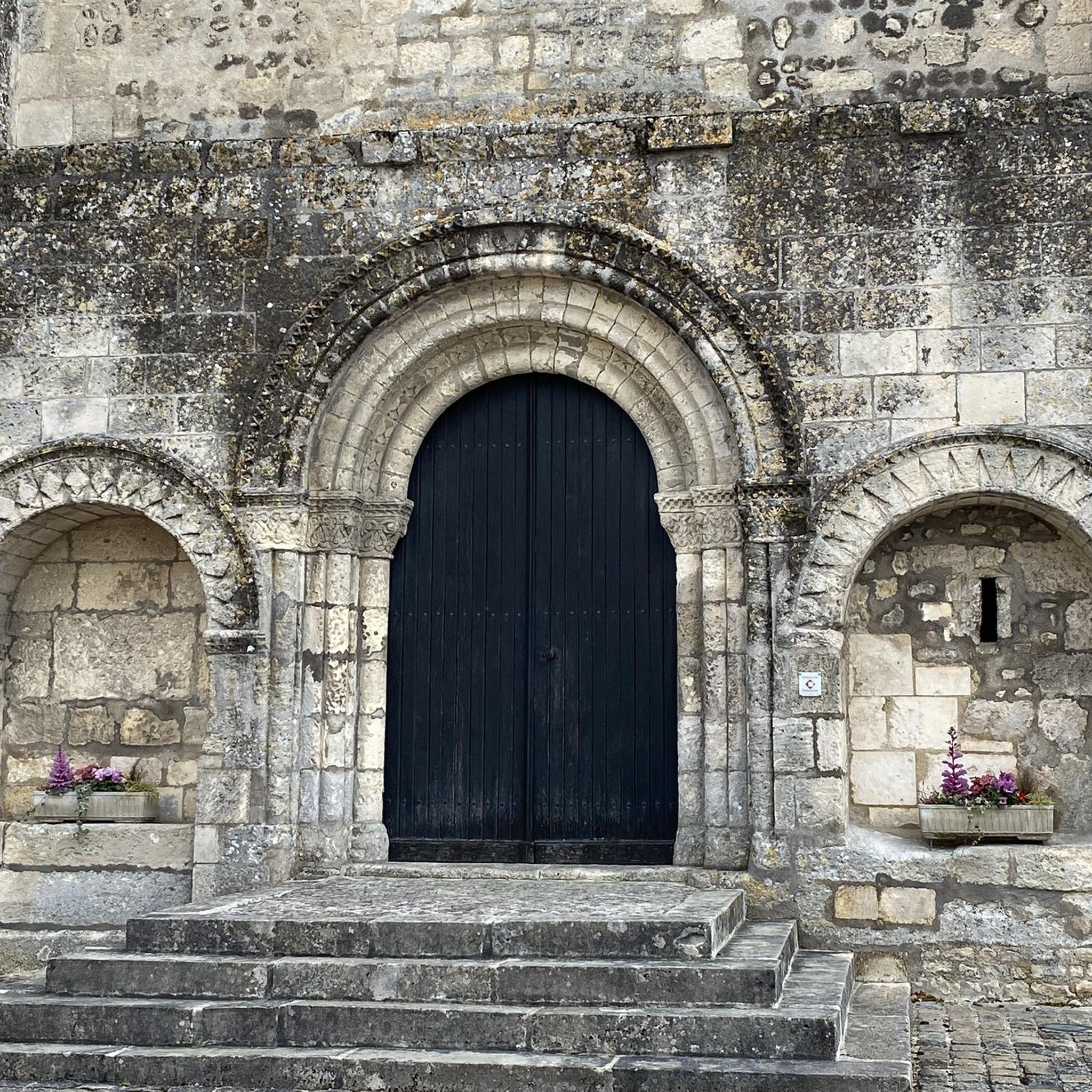
12th century Romanesque church, perfectly preserved. Nave and transept with apse and apsidioles. The bays are domed. The façade has three series of superimposed arcades and is crowned by a pediment. The apse also has arcades and rich symbolic ornamentation on the corbels.
1
0
Frequently Asked Questions
How many hiking trails are available around Segonzac?
There are nearly 100 hiking trails around Segonzac, offering a wide range of options for different preferences and fitness levels. The komoot community has explored these routes over 800 times, providing an average rating of 4.5 stars.
What kind of terrain can I expect on hikes in Segonzac?
Hiking in Segonzac primarily features a blend of extensive vineyards, rolling hills, and diverse river valleys. You'll encounter a 'viticultural patchwork' of vine plots, interspersed with patches of high woodland and fields. The terrain is generally gentle, with routes like the Bourg-Charente – loop having moderate elevation changes.
Are there easy hiking options suitable for beginners or casual walkers?
Yes, Segonzac offers numerous easy hiking options. Out of nearly 100 trails, 44 are classified as easy. An example is the Bourg-Charente loop from Bourg-Charente, a 5.8 km trail through vineyard landscapes that can be completed in about 1 hour 32 minutes.
What natural features can I discover along the hiking trails?
The region is rich in natural beauty. You can explore serene river valleys formed by the Charente, Né, and Antenne rivers. The Né valley, for instance, is a Natura 2000 classified area known for its rich fauna and flora, including protected species. Many trails also wind through the iconic vineyards of the 'Grande Champagne' region and patches of high woodland.
Are there any historical landmarks or attractions to see while hiking?
Absolutely. Many hiking routes allow you to discover rural heritage such as springs and open-air wash houses, alongside architectural and historical sites. You can find 13th-century churches, Romanesque churches, and chateaus. Notable examples include the Bourg-Charente Castle and the thousand-year-old Abbaye de Bassac, both accessible near hiking paths.
Are there any circular walks in the Segonzac area?
Yes, many of the trails around Segonzac are designed as circular routes, allowing you to start and end at the same point. For example, the Bourg-Charente – loop is a popular circular hike winding through vineyards and offering scenic views.
What do other hikers say about the trails in Segonzac?
The trails in Segonzac are highly rated by the komoot community, with an average score of 4.5 stars from over 140 reviews. Hikers often praise the beautiful vineyard landscapes, the peaceful river valleys, and the well-maintained paths that offer a mix of natural beauty and historical discovery.
Are there any specific viewpoints or scenic spots on the trails?
Many trails offer excellent viewpoints over the 'Grande Champagne' landscape and its extensive vineyards. The 'Circuit du Dolmen' near St. Fort, for instance, provides panoramic views. Additionally, the GR®4 long-distance trail, which passes through the 'Destination Cognac' area, offers breathtaking vistas across the Charentes region.
What is the best time of year to go hiking in Segonzac?
Segonzac is enjoyable for hiking throughout much of the year. Spring and autumn offer pleasant temperatures and beautiful scenery, with vineyards changing colors. Summer can be warm, but river valleys provide cooler options. It's always advisable to check local weather conditions before heading out.
Are there any protected natural areas I can explore on a hike?
Yes, you can explore protected natural areas such as the Chaumes Boissières, a Natura 2000 site near Bouteville. This area is rich in flora and fauna and is crossed by a vineyard circuit, offering a unique ecological experience.
Is there parking available near the trailheads in Segonzac?
While specific parking details vary by trailhead, Segonzac and its surrounding villages are generally well-equipped with parking facilities, especially in areas popular for outdoor activities. Many routes start from village centers or designated parking areas, making access convenient for hikers.
Can I reach hiking trails in Segonzac using public transport?
Public transport options in rural areas like Segonzac can be limited. While some local bus services might connect larger towns, reaching specific trailheads often requires a car. It's recommended to check local transport schedules in advance if you plan to rely on public transport.
Most popular attractions around Segonzac

Get inspired with the komoot mobile app


Explore more
Browse the best Hikes in other regions.
