The best cycling routes around Nercillac
4.3
(303)
2,166
riders
160
rides
Touring cycling around Nercillac features a landscape characterized by a predominantly clay plain, offering generally gentle terrain suitable for exploration. The region is traversed by the Soloire river and its tributaries, contributing to a verdant environment. Proximity to the Charente River provides opportunities for routes along its banks, often through vineyards and agricultural lands. This area is part of a low country, with minimal elevation changes.
Best touring cycling routes around Nercillac
- The most popular touring cycling route is Saint-Brice…
Last updated: October 28, 2026
5.0
(2)
31
riders
Easy bike ride. Mostly paved surfaces.
3.3
(3)
19
riders
25.3km
01:37
260m
260m
Moderate bike ride. Good fitness required. Mostly paved surfaces.

4.3
(3)
8
riders
132km
08:56
730m
730m
Hard bike ride. Very good fitness required. Mostly paved surfaces.
4.7
(3)
26
riders
30.0km
01:59
120m
120m
Easy bike ride. Mostly paved surfaces.
7
riders
13.5km
01:04
120m
120m
Easy bike ride. Mostly paved surfaces.
Get access to more routes and recommendations from other explorers.
Already have an account?
Our route recommendations are based on thousands of hikes, rides, and runs completed by other people on komoot.
Start today with a free account
Your next adventure awaits.


Tips from the Community

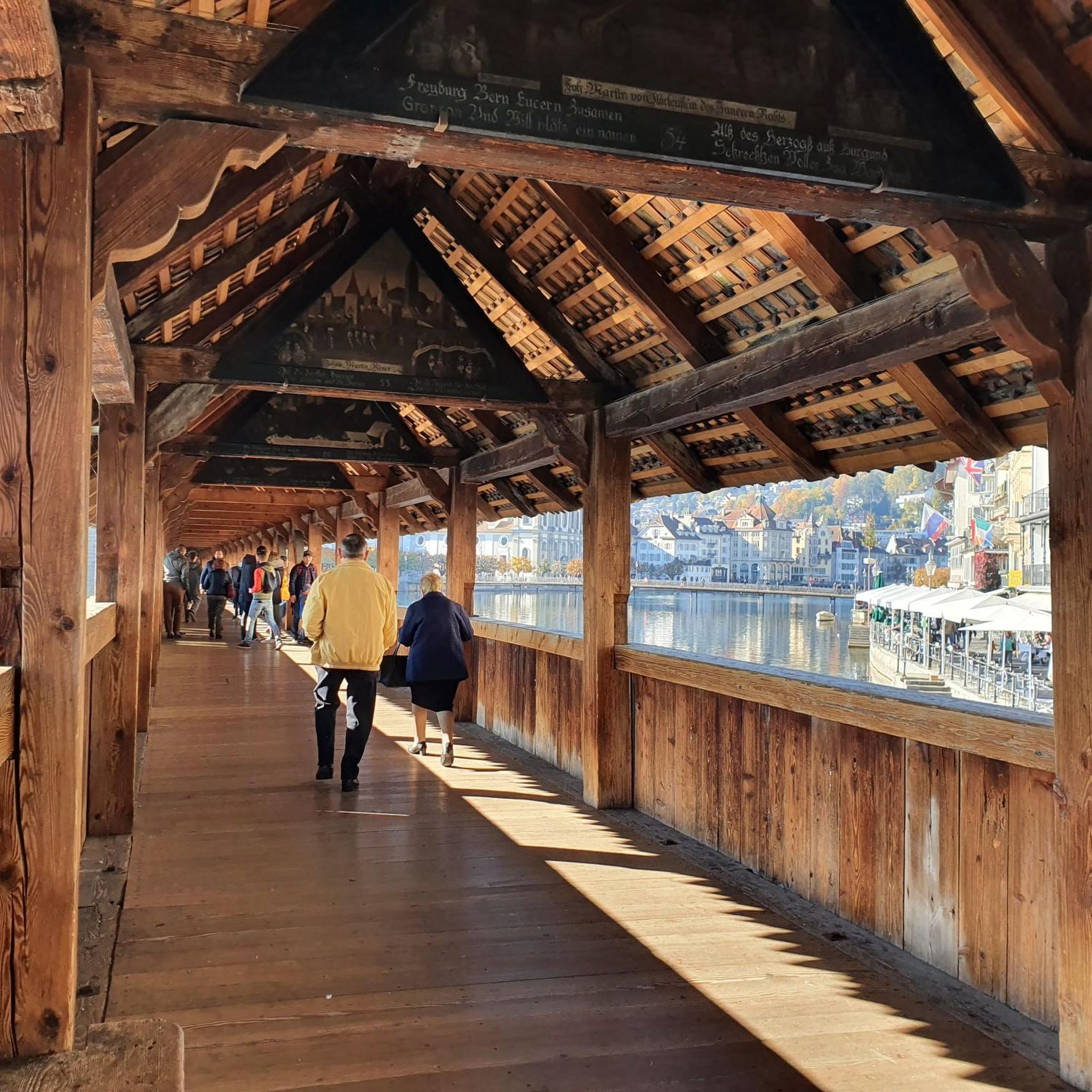
The Chaniers ferry (Charente-Maritime) is one of the last traditional river ferries still in operation in France. It allows crossing the Charente River between Chaniers and Courcoury, a few kilometers downstream from Saintes. A crossing used for centuries History of the Chaniers ferry The ferry crossing at Chaniers is very old: it dates back to the Middle Ages. In the mid-17th century, it was already an important crossing point on the Charente. It was not only used to cross the river: it also allowed residents to access the meadows on the other side, particularly for agricultural activities. In the early 20th century, the Chaniers ferry was part of a much larger network of crossings on the Charente. In 1909, thirteen ferries were still recorded in Charente-Inférieure, including the one in Chaniers. Ferries were essential at the time before the proliferation of bridges. Why "chain ferry"? The principle consists of holding the ferry on a chain connecting the two banks. The ferryman uses this chain to move the boat forward and keep it on its course despite the current. In Chaniers, the current ferry is motorized, unlike the ferry in Dompierre-sur-Charente, which is operated manually. The Tourist Office, however, still describes it as a "chain ferry," and the municipality as the traditional crossing method connecting Chaniers to Courcoury. The ferry today The crossing takes place between Le Communal in Chaniers and the Courcoury bank. It is free and can transport pedestrians, cyclists, and motorized vehicles. Its operation depends in particular on the flow of the Charente River. The municipality of Chaniers officially presents "the port of Chaniers and its chain ferry" as an element of its local heritage. Important point: I am correcting my previous message: the Chaniers ferry is not simply a "19th-century ferry." The crossing has been attested since the Middle Ages; it is its mode of operation and its equipment that have evolved over the centuries.
0
0


I really enjoyed this ride. I’m 46, I did it on a 40 year old road bike, it’s more suited to a cyclocross bike!
1
0

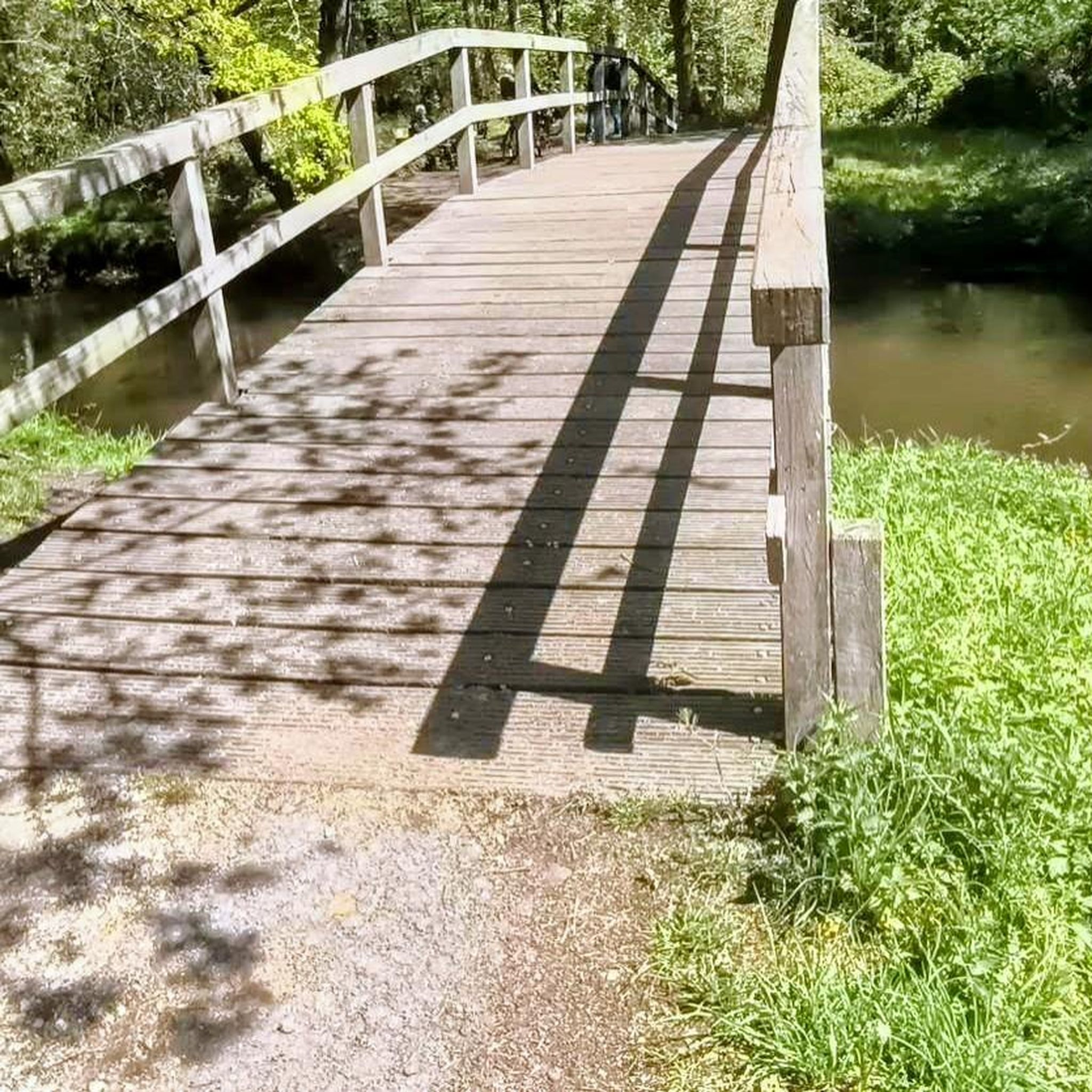
The original construction of the bridge was carried out from 1876 to 1878 by the contractors Chaumont and Bonnamy; the bridge was rebuilt in concrete in the second half of the 19th century
0
0

Cognac is a beautiful, wealthy town where the future François 1st was born (hence the house of the same name). This wealth comes mainly from the pineau and cognac trade… It was in the 15th century that this distillation process appeared to better preserve these wines which were sent throughout Europe and in particular to the countries of the Hanseatic League where this "burnt wine", brandevin or brandy is very appreciated, most often cut off from water. In Cognac, the Henessy, Rémy Martin, Courvoisier and Martell houses have numerous buildings. I also passed in a town next to an old building used as a cellar, a very pleasant smell emanated from it.
2
0

Bourg-Charente castle is a 17th century mansion. Nestled on a rocky promontory, it is located a few kilometers from Cognac. It also houses the remains of a medieval fortress. Acquired in the 20th century, this château houses cellars for producing Grand Marnier. It can be visited from Monday to Friday from 8 a.m. to 5 p.m.
0
0
Here we find the ruins of the castle of Merpins. In the Middle Ages, it was an important medieval fortress, in what is now Merpins-Vieux-Bourg. A stopover is essential!
0
0

It is in this castle that the cognac cellars of the Marnier-Lapostolle family are located, used for the production of Grand Marnier cognac.
4
0
Frequently Asked Questions
What is the general terrain like for touring cycling around Nercillac?
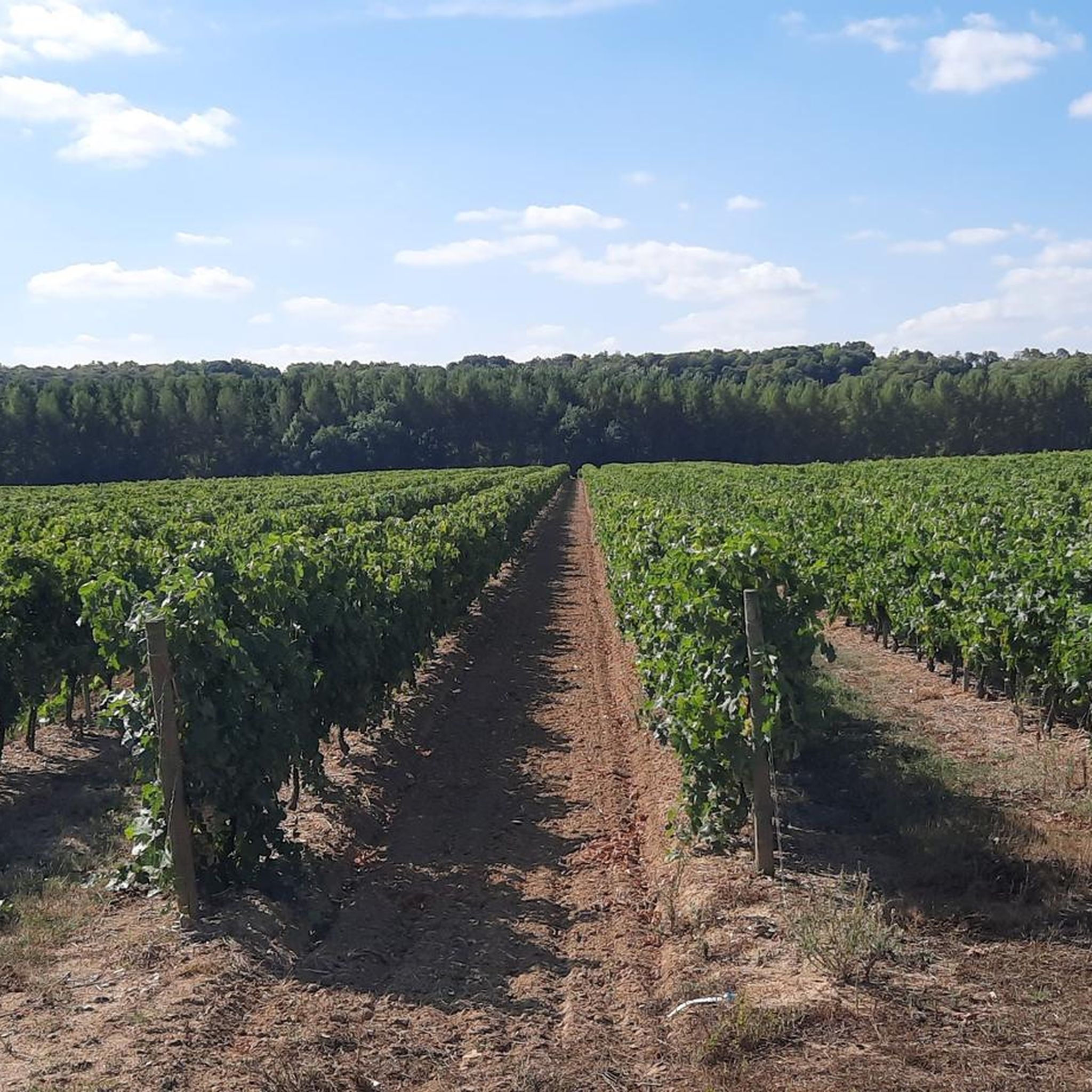
The Nercillac area is characterized by a predominantly clay plain, offering generally gentle terrain. You'll find minimal elevation changes, making it suitable for leisurely exploration. Routes often follow the Soloire and Charente rivers, providing flat and scenic paths through vineyards and agricultural lands.
Are there many easy touring cycling routes suitable for beginners in Nercillac?
Yes, Nercillac offers a good selection of easy touring cycling routes. Out of 158 available routes, 58 are classified as easy. These routes typically feature gentle gradients and well-maintained paths, perfect for those new to touring cycling or looking for a relaxed ride. An example is the Saint-Brice Castle – Bourg-Charente Campsite loop from Boutiers-Saint-Trojan, an easy 12.3-mile (19.8 km) trail.
Can I find family-friendly cycling routes in the Nercillac area?
Absolutely. The gentle terrain and numerous easy routes make Nercillac ideal for family cycling. Many paths follow riverbanks or wind through quiet vineyards, offering safe and enjoyable experiences for all ages. The Loop 24 – Hennessy Distillery loop from Boutiers-Saint-Trojan is a shorter, easy option that families might enjoy.
Are there any circular touring cycling routes available near Nercillac?
Yes, many of the touring cycling routes around Nercillac are designed as loops, allowing you to start and end at the same point. For instance, the The Jarnac Quays – Saint-Brice Castle loop from Julienne is a popular circular route that follows the Charente River and passes historical sites.
What historical sites or attractions can I visit along the cycling routes?
The Nercillac region is rich in history and culture. Along your rides, you can encounter various attractions. Notable sites include the Bourg-Charente Castle, the Maison Hine – Cognac Distillery, and the Logis de Gardépée in Saint-Brice. Many routes also pass through the famous Cognac vineyards and near distilleries.
Are there any castles I can see while cycling near Nercillac?
Yes, the area around Nercillac is dotted with charming castles. You can cycle past the impressive Bourg-Charente Castle, the historic Saint-Brice Castle, and the picturesque Gademoulin Castle in Gensac-la-Pallue, among others. These provide excellent photo opportunities and insights into the region's heritage.
What are the parking options for cyclists near Nercillac?
Given the popularity of cycling in the region, many towns and villages around Nercillac, including Cognac and Jarnac, offer designated parking areas that are convenient for cyclists. Look for parking near popular starting points for routes, such as those in Boutiers-Saint-Trojan or Julienne, which are common departure points for komoot tours.
Is public transport bike-friendly in the Nercillac region?
While specific bike-friendly public transport options within Nercillac itself might be limited, the wider Charente department is generally accommodating to cyclists. For longer distances, regional trains in France often allow bikes, though it's always best to check specific train line policies and booking requirements in advance, especially during peak seasons.
What is the best time of year to go touring cycling in Nercillac?
The best time for touring cycling in Nercillac is typically from spring to early autumn (April to October). During these months, the weather is generally mild and pleasant, with less rainfall. Spring offers blooming landscapes, while late summer and early autumn provide comfortable temperatures and the beauty of the harvest season in the vineyards.
Are there any cafes or places to stop for refreshments along the cycling routes?
Yes, many cycling routes in the Nercillac area pass through or near charming villages and towns like Cognac and Jarnac, where you'll find cafes, restaurants, and local 'guinguettes' (riverside inns). These offer excellent opportunities to stop for refreshments, sample local cuisine, or simply enjoy the riverside atmosphere.
What do other cyclists say about touring cycling in Nercillac?
The touring cycling routes around Nercillac are highly rated by the komoot community, with an average score of 4.5 stars from over 250 reviews. Cyclists often praise the gentle river paths, the expansive vineyards, and the overall tranquil environment. Many appreciate the well-maintained routes and the blend of natural beauty with cultural stops like distilleries and castles.
Are there any long-distance or notable cycling routes accessible from Nercillac?
Yes, Nercillac provides excellent access to the renowned La Flow Vélo route. This largely easy route follows the Charente River, utilizing a mix of small roads and towpaths, and even features charming chain-operated ferries. It's ideal for touring cyclists looking for a longer, scenic journey without significant difficulties.
Can I cycle through the famous Cognac vineyards?
Absolutely. The Nercillac area is nestled within the heart of the Cognac production region. Many touring cycling routes, such as the Cognac Castle – Hennessy Distillery loop from Boutiers-Saint-Trojan, specifically lead you through expansive vineyards, offering picturesque views and the chance to see distilleries up close.
Most popular routes around Nercillac
Most popular attractions around Nercillac

Get inspired with the komoot mobile app


Explore more
Browse the best Cycling routes in other regions.
