The best road cycling routes around Coutures
4.5
(20)
448
riders
85
rides
Road cycling routes around Coutures traverse a landscape characterized by gently rolling hills, extensive vineyards, and quiet country roads. The region features river valleys and historical architecture, providing varied scenery for cyclists. Routes often pass through medieval towns and offer views of castles and ancient churches. This area provides a mix of terrain suitable for different cycling abilities.
Best road cycling routes around Coutures
- The most popular road cycling route is Duras Castle – Bastide of Monségur loop from Monségur…
Last updated: November 13, 2026
7
riders
34.3km
01:26
250m
250m
Easy road ride. Mostly well-paved surfaces and easy to ride.
4
riders
50.5km
02:16
450m
450m
Moderate road ride. Good fitness required. Mostly well-paved surfaces and easy to ride.

6
riders
75.8km
03:07
420m
420m
Moderate road ride. Good fitness required. Mostly well-paved surfaces and easy to ride.
3.0
(2)
3
riders
41.5km
01:51
390m
390m
Moderate road ride. Good fitness required. Mostly well-paved surfaces and easy to ride.
8
riders
82.0km
03:40
620m
620m
Moderate road ride. Good fitness required. Some segments of this route may be unpaved and difficult to ride.
Get access to more routes and recommendations from other explorers.
Already have an account?
Our route recommendations are based on thousands of hikes, rides, and runs completed by other people on komoot.
Start today with a free account
Your next adventure awaits.


Tips from the Community

Majestic in its size and appearance, the Loubens mill is one of the most remarkable in the Entre-deux-Mers region. Its installation seems to date back to the 11th century. A square, medieval tower, built on an island, bears similarities to the Bagas mill located 2 km downstream. It includes three sets of millstones still in place. However, it is not a fortified building; it is a weir mill. To the north construction, a bridge with a double row of arches was added in the 18th century, containing two more pairs of millstones and a fulling mill (a machine used not for grinding grain, but for fulling textiles. These mills were often called "beating mills"). This southern part of the mill earned it the name "little Chenonceau". The mill has been classified as a Historic Monument since 2000.
0
0

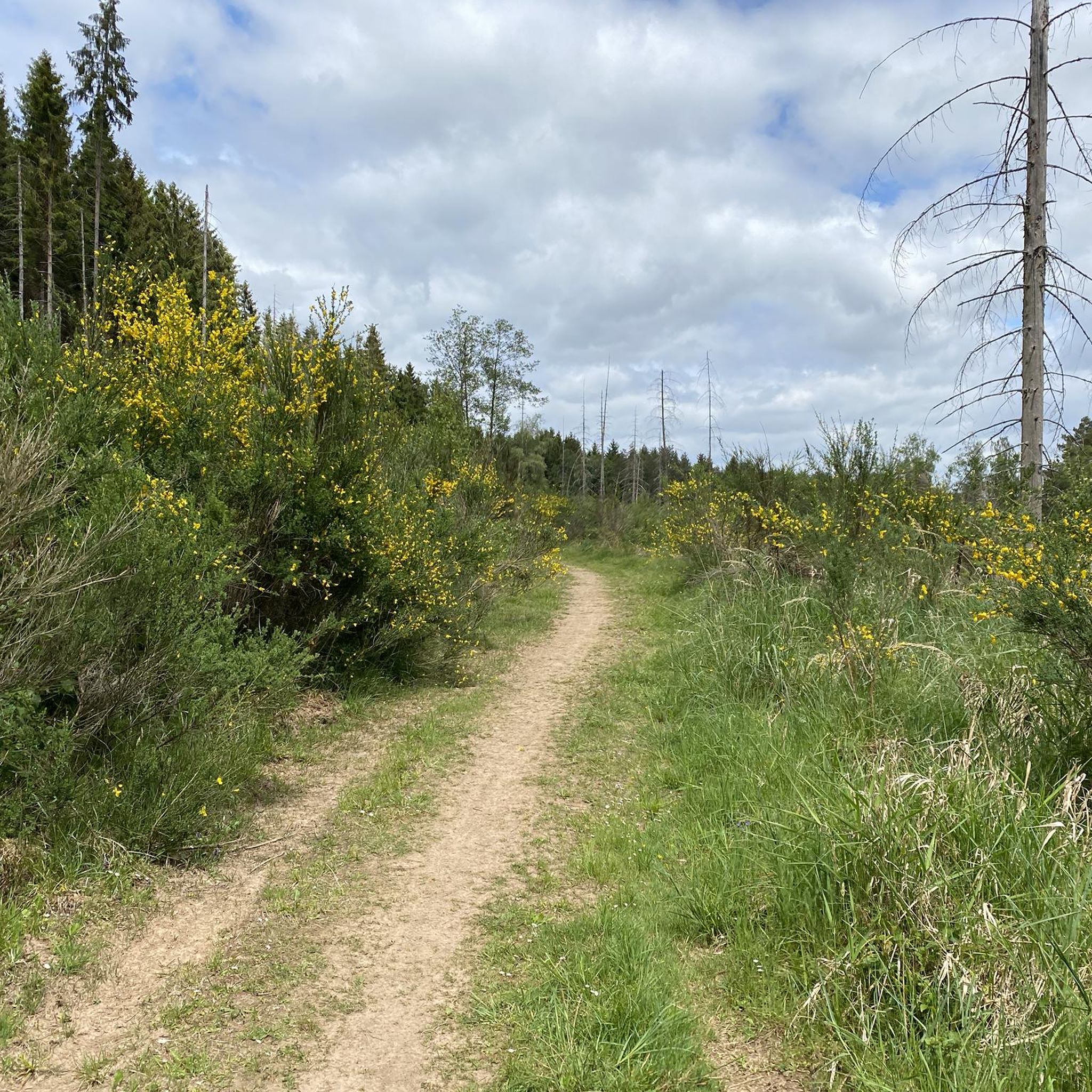
Beautiful view of the ivy-covered mill.
1
0

Very pretty and well decorated, the prices are super affordable and the setting is ideal for a break
0
0

We're luckier today, August 15th. The bicycle and skeleton have made way for a list of consumption options.
1
0

Duras Castle, located in Lot-et-Garonne, is a restored medieval fortress boasting remarkable architecture and magnificent views. It is a major historical monument in the region.
0
0
The charming village of Monteton offers a unique panorama of the 13 bell towers of the surrounding villages. You can also discover the 12th-century Notre-Dame de Monteton church.
0
0


Using the power of moving water to drive a mill wheel is an ancient invention that dates back to pre-Christian times. Thanks to such a construction, human or animal muscle power could be easily replaced by a watercourse - natural or artificially created - in order to grind grain into corn, for example. There are essentially two different ways of driving watermills: Either the water simply hits the blades of the water wheel from below to set it in motion; or the water is guided above the wheel and falls onto the blades; this type of construction is more efficient due to natural gravity.
2
1
Frequently Asked Questions
What is the typical terrain and difficulty for road cycling in Coutures?
Road cycling around Coutures is characterized by gently rolling hills and extensive vineyards, offering a mix of terrain suitable for various abilities. While most routes are classified as moderate, there are also easier options. For example, the Duras Castle – Bastide of Monségur loop from Monségur involves an elevation gain of around 390 meters over 40.5 km, providing a good challenge without being overly strenuous.
Are there any family-friendly road cycling routes in the Coutures area?
Yes, the region offers routes suitable for families. The general landscape of gently rolling hills and quiet country roads makes many sections accessible. While specific 'family-friendly' routes are not explicitly detailed in the data, shorter, less elevated loops like the Bastide of Monségur loop from Monségur (25.7 km with 337m elevation) could be good options for families looking for a moderate ride.
What historical landmarks and scenic points can I explore by road bike near Coutures?
The Coutures region is rich in historical sites and natural beauty. You can cycle past medieval towns, historic castles, and ancient churches. Notable landmarks include Duras Castle and the Bastide of Monségur, which are featured in routes like the Duras Castle – Bastide of Monségur loop from Rimons. Other attractions in the wider area include the Le Moulin de Loubens, the Saint-Ferme Abbey, and the Rouergue Bridge. The region's extensive vineyards and the Charente River valley also provide picturesque scenery.
Are there circular road cycling routes available around Coutures?
Yes, many of the road cycling routes around Coutures are designed as loops, allowing you to start and end in the same location. Examples include the popular Duras Castle – Bastide of Monségur loop from Monségur and the longer Abbaye de Blasimon loop from Monségur, which covers over 80 km.
Where can I find parking for my car when starting a road cycling route in Coutures?
While specific parking facilities are not detailed, many routes start from towns like Monségur or Rimons. These villages typically offer public parking areas. It's advisable to check local village maps or use navigation apps to locate suitable parking spots near your chosen starting point.
Is public transport available to reach road cycling starting points in Coutures, especially with a bike?
The Coutures region, being rural, has limited public transport options, especially for carrying bikes. While some regional bus services might exist, they often have restrictions on bike transport. It's generally recommended to travel by car to your starting point or consider cycling from a larger town with better transport links if you plan to use public transport.
What is the best time of year for road cycling in Coutures?
The best time for road cycling in Coutures is typically from spring to early autumn (April to October). During these months, the weather is generally pleasant, with comfortable temperatures for cycling and less chance of rain. The vineyards are particularly beautiful in late spring and early autumn. Summer can be warm, so early morning or late afternoon rides are recommended.
Are there places to stop for refreshments or find accommodation along the road cycling routes?
Yes, the routes often pass through charming villages and towns like Monségur, Rimons, and others in the wider region. These places typically offer local cafes, bakeries, and small restaurants where you can stop for refreshments. Accommodation options, including guesthouses and small hotels, can also be found in these villages, especially in more prominent historical towns.
Do I need any special permits for road cycling in the Coutures region?
No, you do not need any special permits for road cycling on public roads in the Coutures region. Cyclists are generally free to use the extensive network of quiet country roads. However, always respect local traffic laws and private property.
What do other cyclists say about road cycling in Coutures?
The road cycling routes in Coutures are highly rated by the komoot community, with an average score of 4.36 stars from over 17 reviews. Cyclists often praise the region's varied terrain, the beauty of the rolling hills and vineyards, and the opportunity to explore historical sites like Duras Castle and the Abbaye de Blasimon.
Are there any longer distance road cycling options for experienced riders?
Yes, for experienced riders looking for longer distances, routes like the Abbaye de Blasimon loop from Monségur offer a substantial ride of over 80 km with more significant elevation gain (around 700 meters). The region's network of quiet country roads also allows for combining shorter loops to create extended rides.
Can I bring my dog on road cycling routes around Coutures?
While dogs are generally welcome in the countryside, it's important to consider their safety and comfort when road cycling. Many routes are on public roads with traffic. If your dog is accustomed to running alongside a bike or can be safely carried in a trailer, it might be possible. Always ensure your dog is leashed and under control, especially near livestock or in villages.
Most popular attractions around Coutures

Get inspired with the komoot mobile app


Explore more
Browse the best Road cycling routes in other regions.
