Attractions and Places To See around Vellefrey-Et-Vellefrange - Top 9
Best attractions and places to see around Vellefrey-Et-Vellefrange include a variety of historical sites, settlements, and religious buildings. The region features a landscape with historical villages, ancient chapels, and areas known for viticulture. Evidence of habitation dates back to prehistoric and Gallo-Roman times, with structures from the Middle Ages through the 19th century.
Best attractions and places to see around Vellefrey-Et-Vellefrange
- The most popular attractions is La Chapelle-Saint-Quillain, a historical settlement known for its 19th-century church, chapel, washhouse fountain, and drinking fountain. These structures reflect the architectural heritage of the area.
- Another must-see spot is Charcenne, a village with roots dating back to Gallic and Gallo-Roman times. Visitors can explore its historic cemetery chapel, the 13th-century Notre-Dame de Leffond Chapel, and learn about its long-standing vineyards and local cheese production.
- Visitors also love Notre-Dame du Calvaire Chapel, a 19th-century religious building. Erected in a clearing at an elevated position, it is accessible by a stone path and features recently restored interior paintings.
- Vellefrey-Et-Vellefrange is known for its historical settlements, religious buildings, and castles. The area offers a variety of attractions to see and explore, from ancient village sites to significant architectural landmarks.
- The attractions around Vellefrey-Et-Vellefrange are appreciated by the komoot community, with 7 upvotes and 8 photos shared by visitors.
Last updated: May 17, 2026
Oiselay-et-Grachaux Village Highlights
Highlight • Settlement
* Chapelle du cimetière recouverte de lierre.
* Numbers of old houses and farms.
* Croix de chemin du 19th century.
* Mairie-school, du 19th century.
* Ruins du château-fort were renovated during the twentieth century, dating from the seventh century during the armies of Louis XI and dismantled during Louis
Translated by Google •
Tip by

Charcenne
Highlight • Other
However, the village is best known for its vineyards.
In the Middle Ages, the wines of Gy and Charcenne were already exported and we found them on the tables of nobles in the 16th century.
The Guillaume family has been cultivating vines there since 1732 and has developed a highly specialized nursery business since 1895, recognized worldwide. The 43 hectares of vines therefore produce wine, awarded several times, but also serve as a support for the multiplication of vine plants. They therefore cultivate other grape varieties than those necessary for their production.
And if you want to accompany your wine with a cheese, head to the Millet cheese dairy to taste a Charcennais or an Ortolan.
Translated by Google •
Tip by

Sign up now to discover places like this
Get recommendations on the best single tracks, peaks, & plenty of other exciting outdoor places.
Sign up for free
La Chapelle-Saint-Quillain
Highlight • Other
The 19th century washhouse fountain.
The 19th century drinking fountain.
Translated by Google •
Tip by
Notre-Dame du Calvaire Chapel
Highlight • Religious Site
Translated by Google •
Tip by

Château de Frasne-le-Château
Highlight • Castle
Following a marriage linking the Oiselay family to the Granvelle family, we find icons recalling this illustrious family which notably included the Keeper of the Seals of Charles V, a cardinal and an ambassador.
Currently private property, unfortunately it cannot be visited.
Translated by Google •
Tip by
Sign up for free to discover even more attractions around Vellefrey-Et-Vellefrange.
Sign up for free
Already have an account?
Start today with a free account
Your next adventure awaits.
Login or Signup
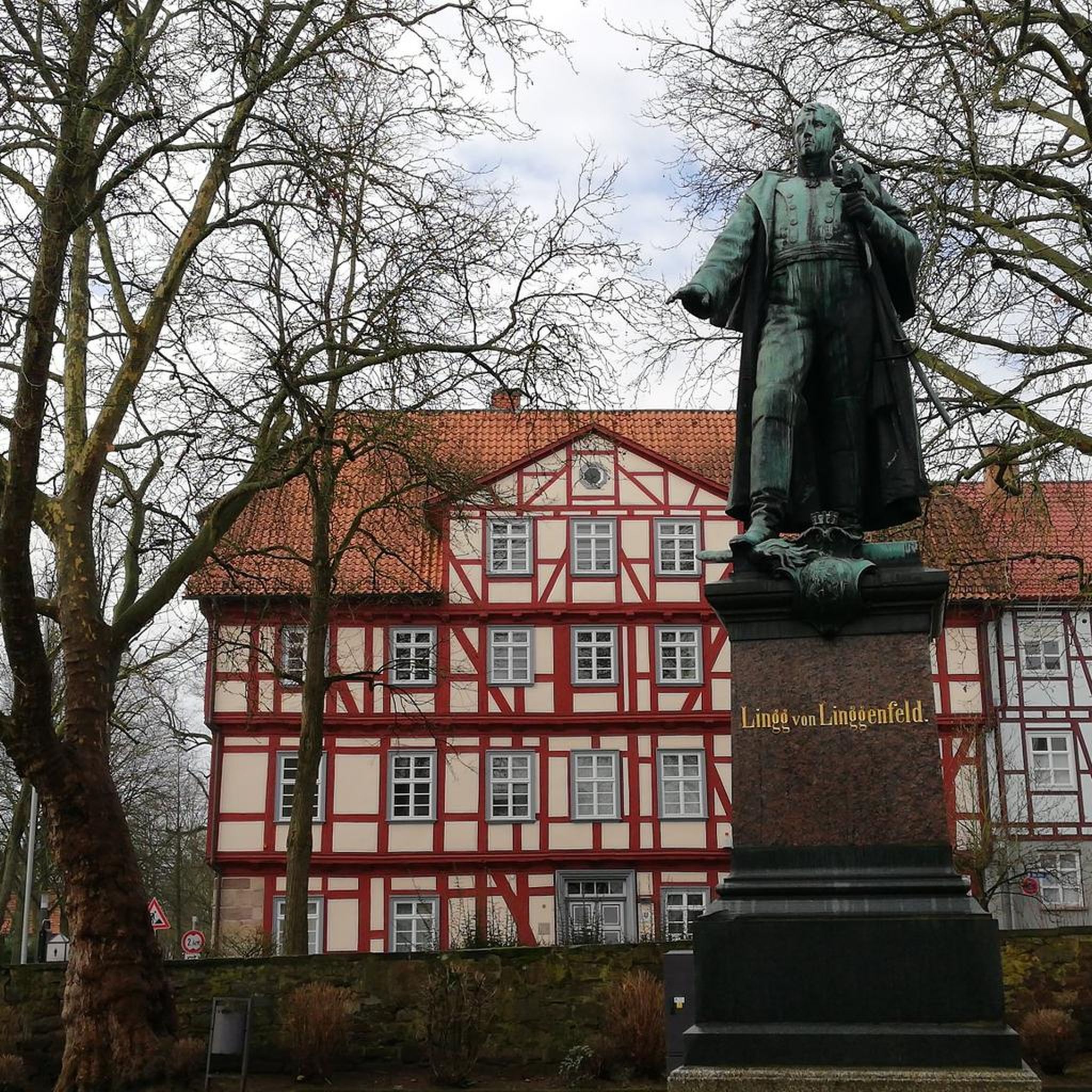
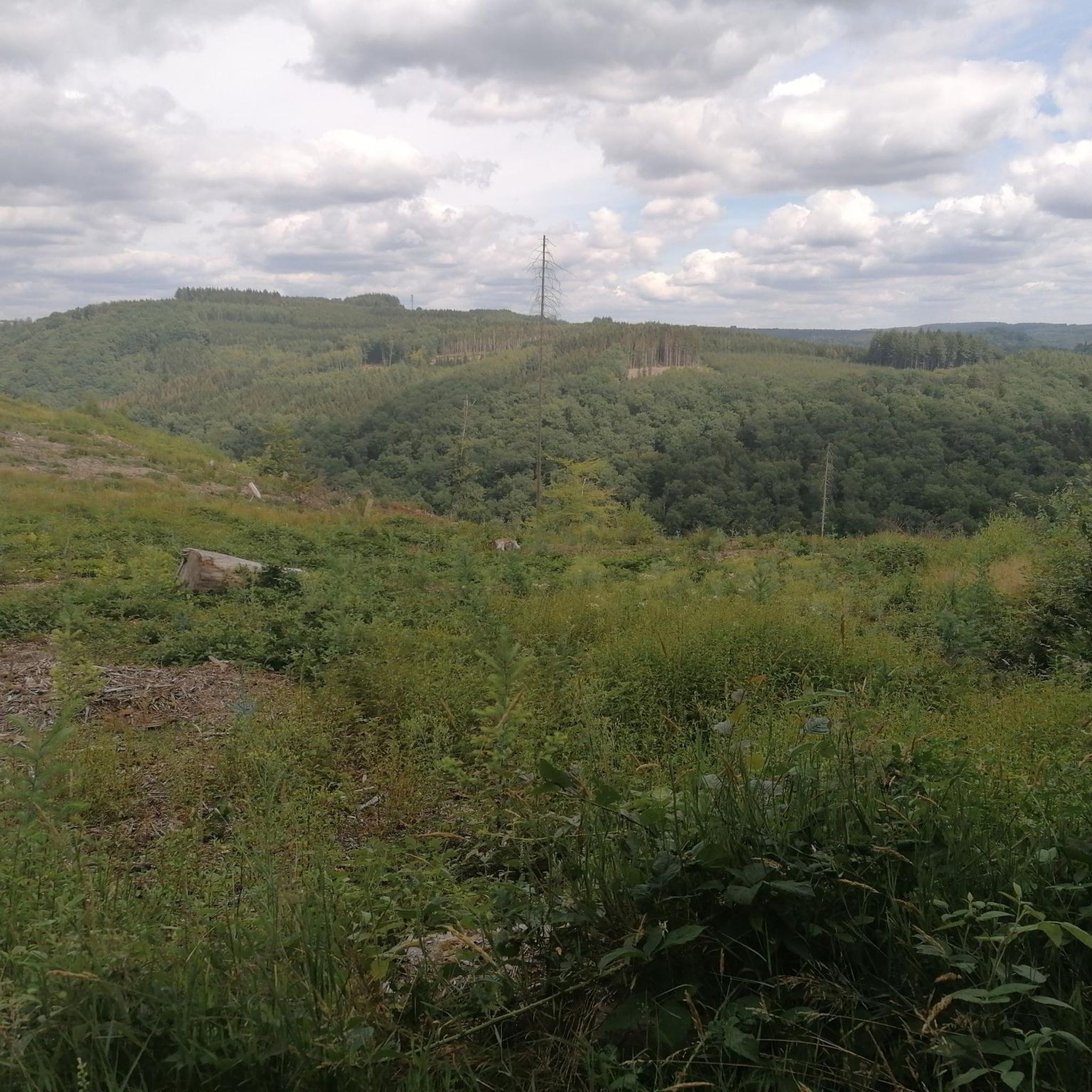

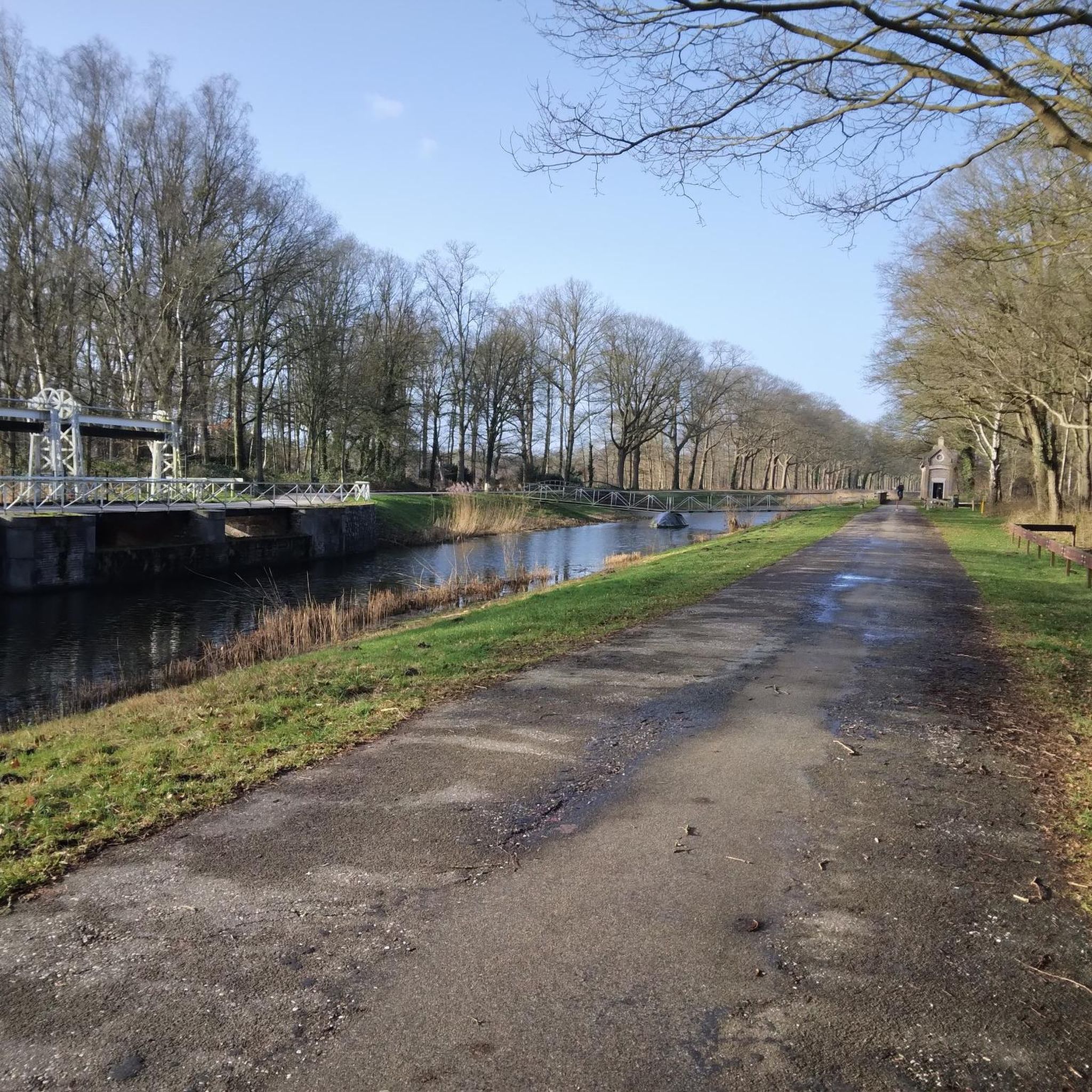

Tips from the Community

Parish Church of the Beheading of Saint-Jean-Baptiste (rebuilt at the beginning of the eighteenth century on medieval foundations of the thirteenth century): Latin cross plan; three naves; cross vault; numerous paintings, sculptures.
10
4
The site of Oiselay-et-Grachaux, the "bird hill", has been inhabited since prehistoric times, as evidenced by the discovery of a Neolithic station. In ancient times, Oiselay was located on the Roman road linking Besançon to Langres. Until the eighteenth century, the Lord of Oiselay ruled the area. Stephen II of Oiselay, head of the younger branch of the House of Burgundy, had a fortified castle built in 1227 AD. * Fontaine-lavoir (xixe siècle) : basin ; borne fontaine ; stone of the waist ; columns. * Chapelle du cimetière recouverte de lierre. * Numbers of old houses and farms. * Croix de chemin du 19th century. * Mairie-school, du 19th century. * Ruins du château-fort were renovated during the twentieth century, dating from the seventh century during the armies of Louis XI and dismantled during Louis
10
4
The Saint-Quillain and the Beheading of Saint John the Baptist church from the first quarter of the 19th century. The Sainte-Madeleine chapel The 19th century washhouse fountain. The 19th century drinking fountain.
10
4

Village which dates back to Gaulle (Gallic burials have been unearthed there) and of which we also find traces under the Gallo-Roman Empire. There we find the source of the Colombine and some beautiful buildings, including the cemetery chapel (listed as a Historic Monument) and the Notre-Dame de Leffond Chapel which dates from the 13th century. However, the village is best known for its vineyards. In the Middle Ages, the wines of Gy and Charcenne were already exported and we found them on the tables of nobles in the 16th century. The Guillaume family has been cultivating vines there since 1732 and has developed a highly specialized nursery business since 1895, recognized worldwide. The 43 hectares of vines therefore produce wine, awarded several times, but also serve as a support for the multiplication of vine plants. They therefore cultivate other grape varieties than those necessary for their production. And if you want to accompany your wine with a cheese, head to the Millet cheese dairy to taste a Charcennais or an Ortolan.
1
0
The Oiselay family had owned a fortified castle here since the 11th century. Following its destruction, this imposing U-shaped castle was rebuilt. The round tower dates from the 15th century and the courtyard façade from 1570. New work then took place on the building during the first half of the 19th century. Following a marriage linking the Oiselay family to the Granvelle family, we find icons recalling this illustrious family which notably included the Keeper of the Seals of Charles V, a cardinal and an ambassador. Currently private property, unfortunately it cannot be visited.
0
0

The Notre-Dame du Calvaire chapel dates from the 19th century and was built following a promise made by the parish priest, the Red priest. Erected in height, in a clearing, it is accessible by a stone path from the church of Gy and a porthole allows to distinguish the interior whose paintings have been recently restored, and where the blue color dominates what is without doubt to recall that of the mantle worn by the Virgin.
0
0
Frequently Asked Questions
What historical sites can I explore around Vellefrey-Et-Vellefrange?
The region is rich in history. You can visit Charcenne, a village with roots dating back to Gallic and Gallo-Roman times, featuring a historic cemetery chapel and the 13th-century Notre-Dame de Leffond Chapel. Another significant site is Oiselay-et-Grachaux Village Highlights, which has evidence of prehistoric habitation, Roman road connections, and 13th-century castle ruins. Don't miss La Chapelle-Saint-Quillain, known for its 19th-century church, chapel, and washhouse fountain.
Are there any religious buildings of interest in the area?
Yes, several notable religious buildings are present. The Notre-Dame du Calvaire Chapel, a 19th-century building, is accessible by a stone path and features recently restored interior paintings. In Charcenne, you'll find a historic cemetery chapel and the 13th-century Notre-Dame de Leffond Chapel. Oiselay-et-Grachaux Village Highlights also features a parish church rebuilt in the 18th century on medieval foundations.
What kind of outdoor activities can I do near these attractions?
The area offers various outdoor activities, especially cycling and hiking. For road cycling, you can explore routes like the 'Corneux Abbey – Maison de Maître Mugnier loop' or the 'Château de Ray-sur-Saône – Little Eiffel Tower loop'. If you prefer touring bicycle, consider the 'Peace and quiet in Frasne le château – La Chapelle-Saint-Quillain loop'. Hikers can enjoy trails such as the 'Grasslands loop' or the 'Saint-Symphorien Church of Gy loop'. You can find more details on these and other routes in the Road Cycling Routes around Vellefrey-Et-Vellefrange, Cycling around Vellefrey-Et-Vellefrange, and Hiking around Vellefrey-Et-Vellefrange guides.
Are there any family-friendly attractions in Vellefrey-Et-Vellefrange?
Yes, Oiselay-et-Grachaux Village Highlights is considered family-friendly. It offers a chance to explore a historical settlement with castle ruins, a washhouse fountain, and an old church, providing an engaging experience for all ages interested in history and local heritage.
What is the best time of year to visit Vellefrey-Et-Vellefrange for outdoor activities?
The best time to enjoy outdoor activities like hiking and cycling around Vellefrey-Et-Vellefrange is typically from spring through early autumn (April to October). During these months, the weather is generally milder and more pleasant for exploring the historical villages, chapels, and vineyards.
Can I visit any castles in the vicinity?
While the Château de Frasne-le-Château is a significant historical landmark with origins dating back to the 11th century, it is currently private property and unfortunately cannot be visited. However, you can still appreciate its exterior and learn about its rich history. The Oiselay-et-Grachaux Village Highlights also features ruins of a fortified castle from the 13th century.
What makes Charcenne a unique place to visit?
Charcenne is unique for its deep historical roots, with evidence of Gallic and Gallo-Roman habitation. It's particularly renowned for its long-standing vineyards, cultivated by families like the Guillaume family since 1732, who are also recognized globally for their specialized nursery business. You can also find local cheese production, offering a taste of regional flavors.
Are there any easy hiking trails around Vellefrey-Et-Vellefrange?
Yes, for an easier hike, you can consider the 'Saint-Symphorien Church of Gy loop from Gy', which is rated as easy and covers a distance of approximately 4.3 km. This trail offers a pleasant way to experience the local landscape. More moderate options are also available, such as the 'Grasslands loop'. You can find more hiking options in the Hiking around Vellefrey-Et-Vellefrange guide.
How long should I plan for a visit to the attractions?
The time needed depends on which attractions you choose. For a single village like Charcenne or La Chapelle-Saint-Quillain, you might spend 1-2 hours exploring. If you plan to visit multiple sites, such as Oiselay-et-Grachaux Village Highlights and a chapel, or combine it with a cycling or hiking route, a half-day to a full day would be more appropriate to fully appreciate the region's heritage.
What are some lesser-known or 'hidden gems' in the area?
While not widely publicized, the historical significance of Oiselay-et-Grachaux Village Highlights, with its prehistoric and Roman past, along with 13th-century castle ruins and an 18th-century church, offers a deeper dive into the region's heritage beyond the more prominent sites. Exploring its old houses and farms can feel like discovering a hidden piece of history.
Are there any specific local products or industries to learn about?
Yes, Charcenne is particularly known for its viticulture. The village has a long history of winemaking, with vineyards cultivated since the Middle Ages. The Guillaume family, in particular, has been growing vines since 1732 and operates a globally recognized nursery business for vine plants. You can also find local cheese production, such as the 'Charcennais' or 'Ortolan' at the Millet cheese dairy, perfect to accompany the local wines.
Most popular routes around Vellefrey-Et-Vellefrange

Get inspired with the komoot mobile app


Explore more
Still not found the Highlight you’re looking for? See guides of the top attractions in other regions:
