Attractions and Places To See around Caveirac - Top 20
Best attractions and places to see around Caveirac include a mix of historical sites and natural landscapes. This village, known as "la Porte de la Vaunage," offers access to the Vaunage Valley's dry, scrubland environment characterized by garrigues and dry-stone huts. Its proximity to Nîmes provides convenient access to significant Roman heritage. The area is ideal for exploring both ancient history and picturesque natural features.
Best attractions and places to see around Caveirac
- The most popular attractions is Jardin de…
Last updated: July 20, 2026
Maison Carrée (Roman Temple)
Highlight • Historical Site
Translated by Google •
Tip by

Jardin de la Fontaine
Highlight • Natural
Translated by Google •
Tip by

Sign up now to discover places like this
Get recommendations on the best single tracks, peaks, & plenty of other exciting outdoor places.
Sign up for free
Arènes de Nîmes
Highlight • Historical Site
Showing Translation
Tip by
Nîmes Arena
Highlight • Historical Site
Translated by Google •
Tip by

Sainte-Baudile Church
Highlight • Other
Translated by Google •
Tip by

Sign up for free to discover even more attractions around Caveirac.
Sign up for free
Already have an account?
Start today with a free account
Your next adventure awaits.
Login or Signup

Tips from the Community

The amphitheater is gigantic and very reminiscent of the Colosseum in Rome.
4
0
beautiful, one of the attractions of Nimes.
4
0
This temple building is impressive and beautiful due to its size and how well preserved it is.
4
0
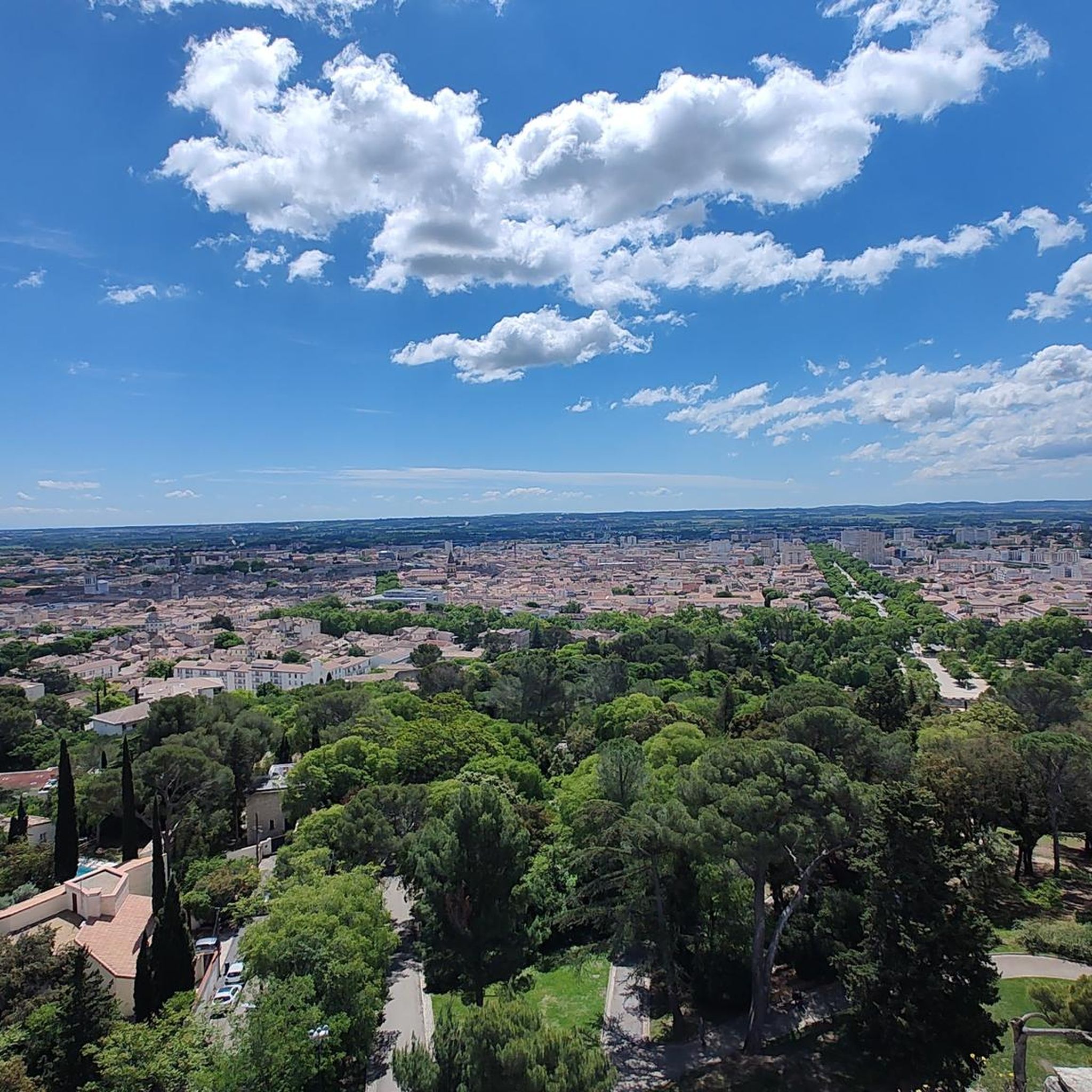
The fountain garden is unique, enchanting the viewer with its playful elegance, its impressive French flair, but also with its Roman temple, which was built in honor of the Roman goddess of the hunt, Diana.
4
0

Both the Parthenon and the Maison Carrée stand on a podium, emphasizing their importance as temples. The Parthenon is a Doric temple made of marble, while the Maison Carrée is a Roman temple, constructed primarily of limestone and designed in the Corinthian style.
13
0
The amphitheater is one of the best-preserved Roman monuments in the world. The monument is 133 meters long, 101 meters wide, and 21 meters high. It was built at the end of the 1st century AD, shortly after the Colosseum in Rome, as an arena for gladiator games and venatio tournaments.
13
0

In the centre of the city is the Arena, the Roman amphitheatre, which was built between 90 and 120 AD. It is 133 metres long and 101 metres wide, and has space for around 25,000 spectators. The façade is 21 metres high and consists of two rows of 60 arches, one above the other.
1
0
Frequently Asked Questions
What historical sites can I explore in and around Caveirac?
Caveirac itself boasts the impressive Château de Caveirac, a 17th-18th century residence sometimes called 'the little Versailles' of Languedoc, which now serves as the town hall. You can also see the historic Portal of the Saint-Adrien Church and a 19th-century Wash House. Just 8 km away in Nîmes, you'll find significant Roman heritage, including the well-preserved Nîmes Amphitheatre, the ancient Maison Carrée (Roman Temple), and the Jardin de la Fontaine which features the Roman Tour Magne. Further afield, the UNESCO-listed Pont du Gard aqueduct is approximately 25 km away.
Are there any natural attractions or outdoor spaces near Caveirac?
Yes, Caveirac is known for its 'garrigue' environment, characterized by dry, scrubland landscapes and traditional 'capitelles' (dry-stone huts). You can explore its picturesque alleyways and squares. For more active pursuits, the 20 km Green Lane (Voie Verte) between Caveirac and Sommières, built on a former railway line, is ideal for cycling, running, and roller skating. Other natural points of interest include the Path of the Viewpoints of Vaunage, Sentier de la Yeuseraie, and Le Bois des Espeisses for nature walks.
What are the best attractions for families around Caveirac?
Many attractions around Caveirac are family-friendly. In Nîmes, children will enjoy the grandeur of the Nîmes Amphitheatre and the beautiful Jardin de la Fontaine with its canals, statues, and open spaces. The Green Lane (Voie Verte) is perfect for family bike rides or walks. Exploring the dry-stone huts (capitelles) and alleyways of Caveirac also offers an engaging historical scavenger hunt for younger visitors.
What kind of outdoor activities can I do near Caveirac?
The area around Caveirac offers diverse outdoor activities. You can enjoy mountain biking on trails like 'View of the Vaunage – Oppidum of Mauressip loop' or 'Dry Stone Hut – Summit loop'. For running, options include 'Château de Caveirac loop' and 'Windmill loop'. Road cyclists can explore routes such as 'Sommières–Cardet Greenway – Sommières Greenway loop'. For more details on these and other routes, visit the MTB Trails around Caveirac, Running Trails around Caveirac, and Road Cycling Routes around Caveirac guides.
Are there any easy walks or hiking trails suitable for all abilities near Caveirac?
Yes, for easy walks, the Green Lane (Voie Verte) between Caveirac and Sommières offers a flat, paved surface suitable for leisurely strolls. Within Caveirac, exploring the village's picturesque alleyways and the immediate garrigue environment provides gentle walking opportunities. The Path of the Viewpoints of Vaunage is a short hiking trail offering scenic vistas, and the Sentier de la Yeuseraie is another option for nature walks.
What is the best time of year to visit Caveirac and its attractions?
The region around Caveirac, being in Occitanie, France, generally enjoys a Mediterranean climate. Spring (April-June) and early autumn (September-October) are often considered the best times to visit. During these periods, the weather is pleasantly warm, ideal for exploring historical sites and engaging in outdoor activities like cycling or hiking, without the intense heat of summer.
What do visitors enjoy most about the attractions around Caveirac?
Visitors particularly appreciate the blend of ancient history and natural beauty. The Roman monuments in Nîmes, such as the Nîmes Amphitheatre and Maison Carrée, are consistently praised for their preservation and grandeur. The Jardin de la Fontaine is loved as a beautiful urban retreat. The unique garrigue landscape and opportunities for outdoor activities like cycling on the Green Lane also receive high acclaim.
Are there any unique cultural experiences near Caveirac?
Beyond the Roman sites in Nîmes, you can explore other cultural gems. The Musée de la Romanité in Nîmes offers a deeper dive into the region's Roman past with well-preserved mosaics. Further afield, you might consider visiting the Castle Templar or the Museum of Cooperage in Generac, or the UNESCO-listed Abbey of Saint-Gilles for a glimpse into medieval history and architecture.
Can I find cafes or accommodation in Caveirac village?
Caveirac is a lively historical village, and as such, you can expect to find local amenities including cafes and accommodation options. While specific establishments are not detailed here, its status as 'la Porte de la Vaunage' suggests it serves as a convenient base for visitors exploring the surrounding area, offering essential services within the village.
What is the Château de Caveirac and can I visit it?
The Château de Caveirac is a prestigious residence dating back to the 17th and 18th centuries, partly classified as a historical monument. It is sometimes referred to as 'the little Versailles' of Languedoc. The building currently serves as the town hall of Caveirac. While the interior may have limited public access due to its administrative function, its impressive architecture and grounds are visible and contribute significantly to the village's historical charm. For more historical context, you can refer to its Wikipedia page.
Are there any Roman aqueducts or bridges to see near Caveirac?
Yes, one of the most famous Roman aqueducts, the Pont du Gard, is located approximately 25 km from Caveirac. This UNESCO-listed site is renowned for its impressive architecture and picturesque setting, making it a must-see for anyone interested in Roman engineering and history.
Most popular routes around Caveirac
Most popular attractions around Caveirac

Get inspired with the komoot mobile app


Explore more
Still not found the Highlight you’re looking for? See guides of the top attractions in other regions:
