Attractions and Places To See around Cabrières - Top 20
Attractions and places to see around Cabrières encompass a diverse landscape across two distinct French villages. Cabrières in Hérault is recognized for its geological significance, including a globally important stratotype section, and a flourishing wine industry. Cabrières-d'Avignon in Vaucluse features historical landmarks like the Plague Wall and natural beauty such as the Cedar Forest. The region offers a blend of ancient history, unique natural formations, and cultural heritage.
Best attractions and places to see around Cabrières
- The most popular attraction…
Last updated: September 26, 2026
Pont du Gard
Highlight • Historical Site
Showing Translation
Tip by

Pont du Gard lookout
Highlight • Historical Site
Translated by Google •
Tip by

Sign up now to discover places like this
Get recommendations on the best single tracks, peaks, & plenty of other exciting outdoor places.
Pont du Gard Greenway
Highlight • Cycleway
Translated by Google •
Tip by

Saint Vérédème Chapel
Highlight • Other
Translated by Google •
Tip by

Remains of the Old Remoulins Suspension Bridge
Highlight • Bridge
Translated by Google •
Tip by

Sign up for free to discover even more attractions around Cabrières.
Already have an account?
Start today with a free account
Your next adventure awaits.
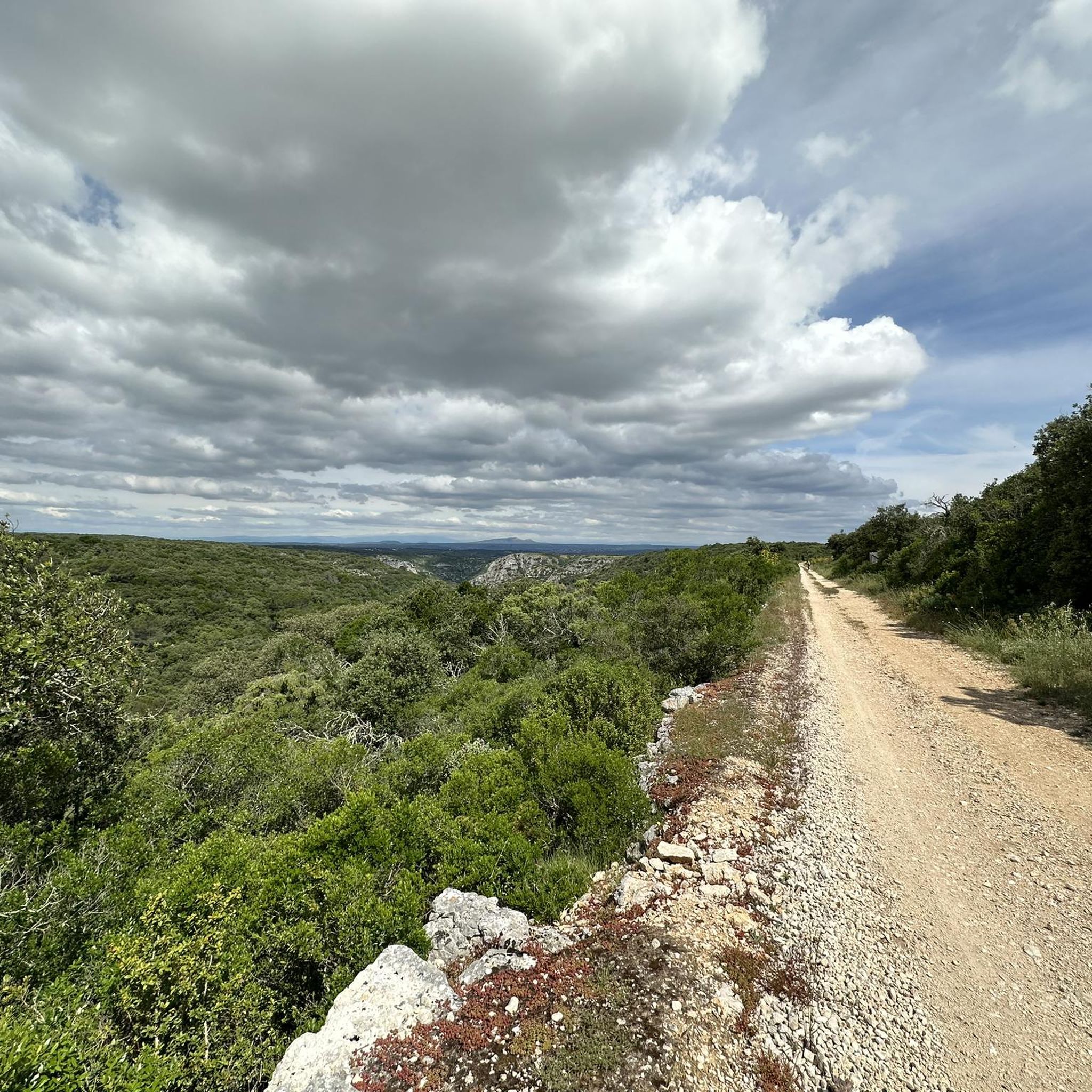
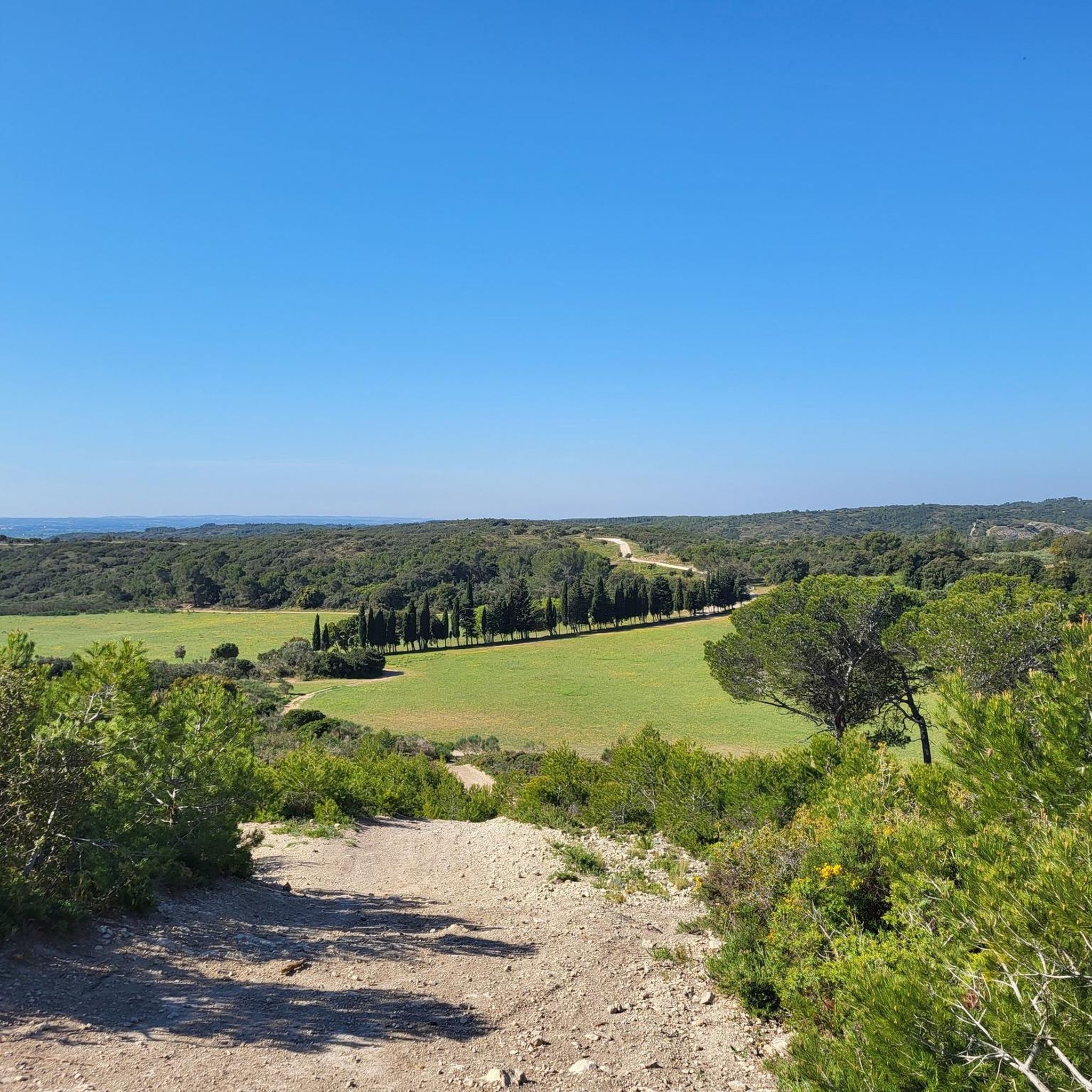
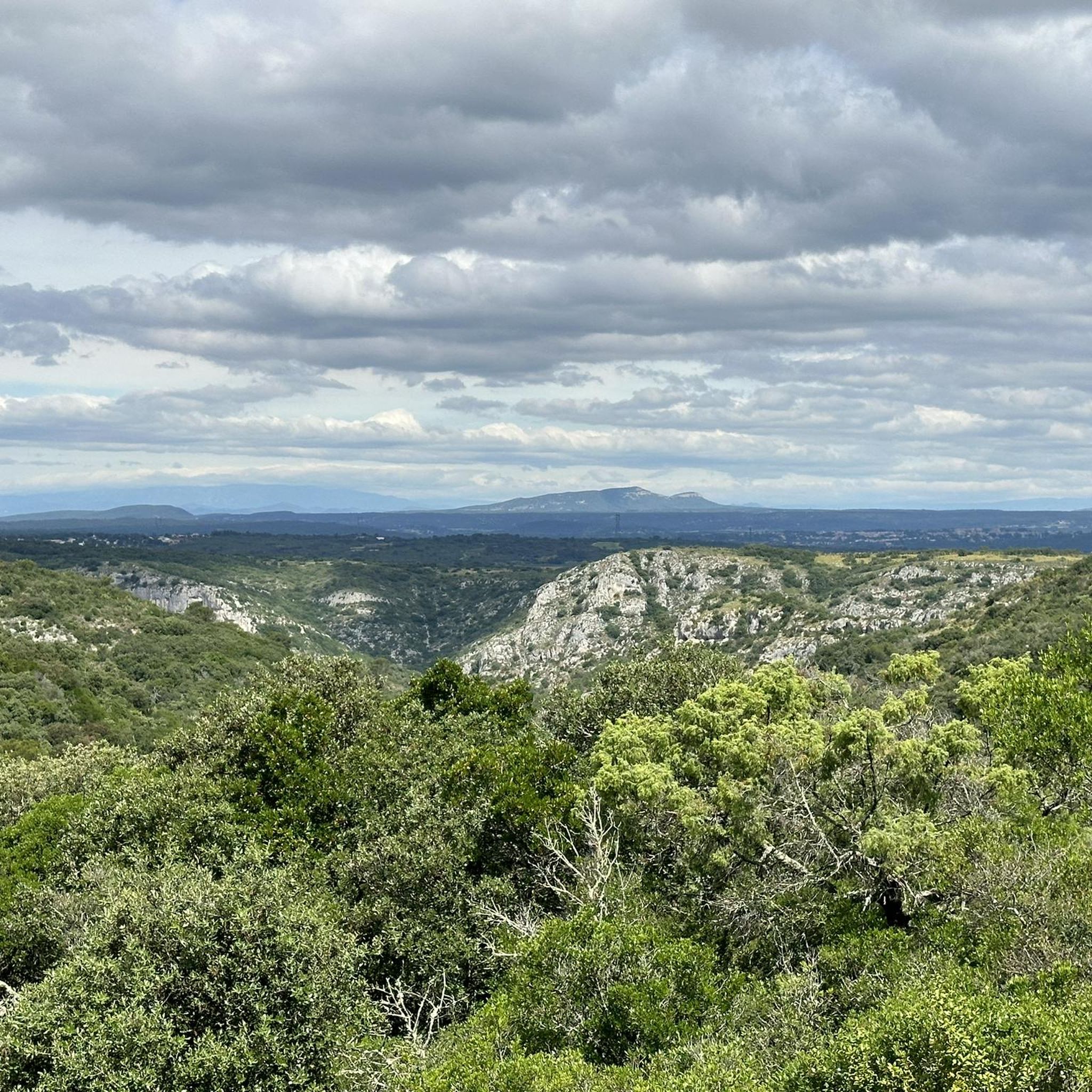
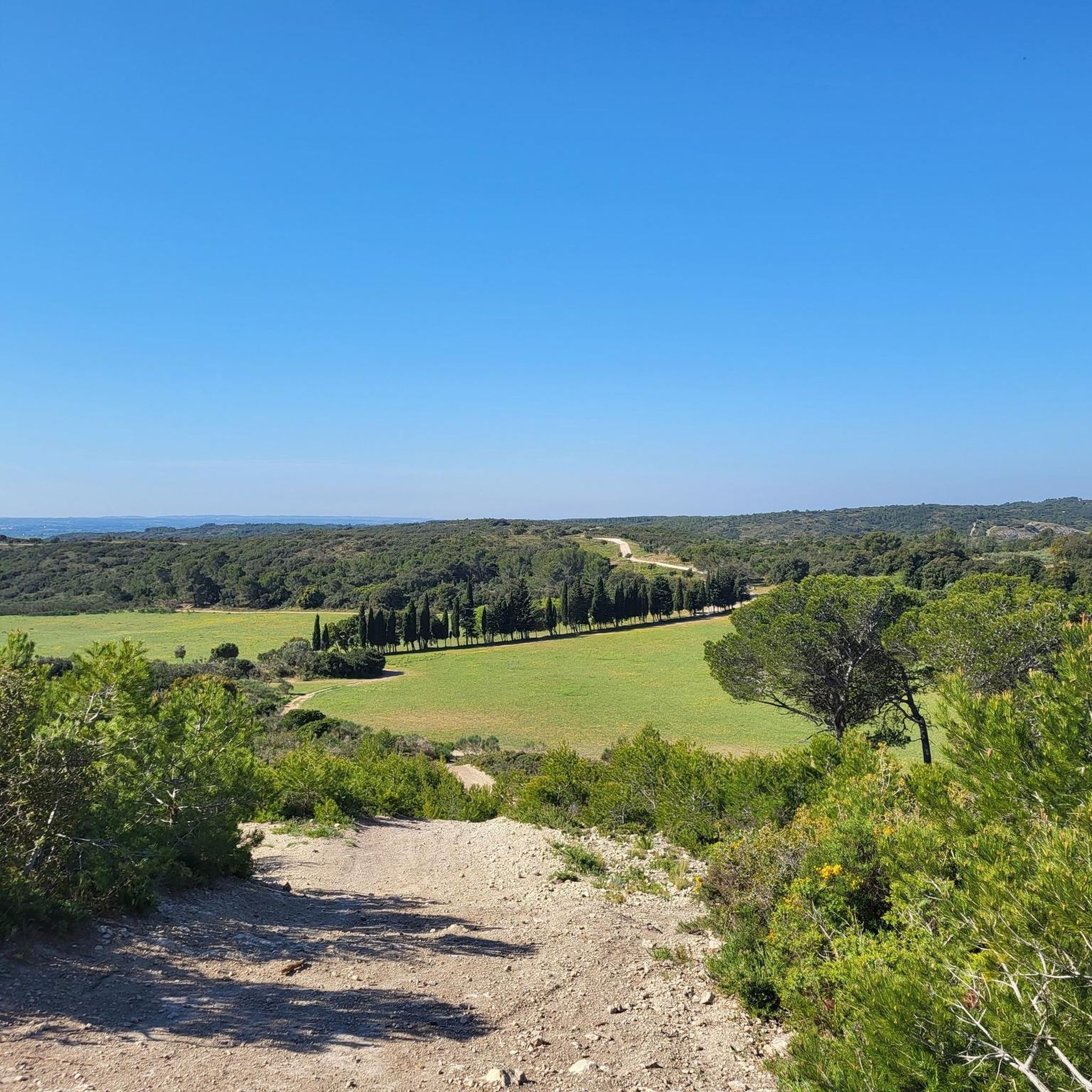
Tips from the Community

A masterpiece of Roman engineering, the Pont du Gard is a UNESCO World Heritage site. This three-tiered aqueduct is one of the region's iconic landmarks.
0
0

A quiet place, where it's important to meditate, letting the leaves rustle. A hermit performed several miracles here. This small chapel has become a place of pilgrimage. If you go here, respect the silence, as well as the grounds! Don't prevent others from believing what they want to believe.
2
0

With two millennia of history, the Pont du Gard stands above the Gardon valley. It testifies to the strength and sophistication of the Roman Empire. From this lookout you can admire its imposing size and complex structure which continues to fascinate visitors. Accessible and offering a panoramic view of the river and the bridge, this site allows you to appreciate the three levels of the bridge in their original design, in contrast to the pont cochère added later in the 18th century.
2
0

Nice place in a wonderful area, however the chapel and cave were blocked off with bars so please don't expect to visit
3
0
The Pont-du-Gard greenway is a real delight for lovers of nature and discovery. Over its nearly 20 kilometres, this bucolic path reveals breathtaking landscapes and allows you to explore the fascinating history of the region. From the majestic Pont du Gard to the charming town of Uzès, each pedal stroke combines the pleasure of effort and wonder at the preserved beauty of the place.
1
0

The Pont du Gard is an ancient Roman aqueduct located in the south of France, near the city of Nîmes. It was built in the 1st century AD to carry water from the sources of the River Eure to the city of Nîmes, a distance of almost 50 kilometers. The bridge is an exceptional example of Roman engineering, with a system of stone canals that allowed water to be transported a distance of 50 kilometers, across rugged terrain, with a difference in level of only 17 meters. The Pont du Gard is also remarkable for its size and beauty, with its three tiers of arches rising to a height of 49 meters above the River Gardon. The Pont du Gard is today a popular tourist attraction, with a museum that tells the story of the aqueduct's construction and its use. Visitors can also stroll along the bridge, picnic in the surrounding gardens and canoe and kayak in the Gardon River. Sound and light shows are also organized on the bridge in summer. The Pont du Gard has been a UNESCO World Heritage Site since 1985 and is one of the most visited sites in the Languedoc-Roussillon region.
6
0

The Pont du Gard is a Roman aqueduct in southern France in the commune of Vers-Pont-du-Gard in the Gard department. The bridge is of impressive height and represents one of the best preserved Roman-era water canals in France
7
0

Frequently Asked Questions
What are some popular historical attractions near Cabrières?
The region boasts several significant historical sites. The most popular is Pont du Gard, an impressive Roman aqueduct that once supplied water to Nîmes. Another must-see is the Maison Carrée (Roman Temple) in Nîmes, renowned for its well-preserved architecture and harmonious proportions. You can also see the Remains of the Old Remoulins Suspension Bridge, offering a glimpse into 19th-century engineering.
What natural wonders can I explore around Cabrières in Hérault?
Cabrières in Hérault is rich in geological and natural features. You can visit the globally significant GSSP for the Tournaisian near La Serre hill, marking a key geological period. Approximately 5 km away, the Cirque de Mourèze offers impressive dolomitic rock formations, making it France's largest dolomitic site. The Lac du Salagou, about 9 km away, is a popular spot for leisure activities, and the Grotte de la Clamouse, a beautiful cave system, is also within reach.
What unique historical and cultural sites are found in Cabrières-d'Avignon in Vaucluse?
Cabrières-d'Avignon in Vaucluse features distinct historical landmarks. The most notable is the Plague Wall (Mur de la Peste), a 27 km dry-stone wall built in 1720 to protect against the plague, with well-preserved sections visible. The village also has a Medieval Castle of the Adhémar family (private property), the Romanesque-origin Parish Church of Saint-Vincent, and numerous ancient dry-stone huts known as Bories in the surrounding countryside, showcasing ancestral craftsmanship.
Are there family-friendly attractions around Cabrières?
Yes, several attractions are suitable for families. The Pont du Gard is fully developed for tourism with a museum and facilities, and children can enjoy splashing in the river nearby. The Maison Carrée (Roman Temple) is also considered family-friendly. Additionally, the Pont du Gard Greenway offers a pleasant, nearly 20-kilometer path for cycling or walking, perfect for an active family outing.
What outdoor activities can I do near these attractions?
The area around Cabrières offers a variety of outdoor activities. For cycling enthusiasts, there are numerous routes, including road cycling, mountain biking, and touring bicycle options. You can explore routes like the 'Pont de Collias – Pont du Gard loop' for road cycling or the 'Pont du Gard – View of Collias loop' for mountain biking. For more details on routes and their difficulty, refer to the Road Cycling Routes around Cabrières, MTB Trails around Cabrières, and Cycling around Cabrières guides.
Are there any religious sites or chapels to visit?
Yes, you can visit the Saint Vérédème Chapel, which marks the site of Saint Vérédème's hermitage and the entrance to a cave, set in a wonderful natural area. In Cabrières-d'Avignon, the Parish Church of Saint-Vincent, with its Romanesque origins and history of rebuilding after the Wars of Religion, is also a significant religious landmark.
What do visitors enjoy most about the attractions around Cabrières?
Visitors frequently praise the impressive scale and historical significance of sites like the Pont du Gard, often highlighting its beautiful light shows in the evening and the opportunity to splash in the river. The Maison Carrée is admired for its preserved Roman architecture and harmonious proportions. The Pont du Gard Greenway is loved for its scenic beauty and the blend of nature and history it offers along its path.
Where can I find natural trails or forests for walking in the region?
In Cabrières-d'Avignon, the extensive Cedar Forest, planted with seeds from Morocco, offers a cool retreat and numerous marked trails for walking, running, or contemplation. It's known for its peaceful atmosphere and the scent of resin. Additionally, a Geological Trail on the southern slopes of the Grand Luberon (near Cabrières-d'Aigues) provides insights into the region's rock formations and landscapes for those interested in geology.
Is there a wine industry in Cabrières (Hérault) that visitors can explore?
Yes, Cabrières in Hérault is noted for its flourishing wine industry. Much of the production takes place at the Cave Coopérative des Vignerons de l'Estabel. Several other wineries, such as Domaine du Temple and Château des Deux Rocs, also contribute to the region's viticulture, offering opportunities to explore local wines.
Are there any ancient castle ruins or medieval sites to see?
In Cabrières (Hérault), you can find the Vestiges du "Château" de Cabrières, the remnants of the original castle standing on a steep rock, with a history dating back to the Visigothic king Theodebert. In Cabrières-d'Avignon (Vaucluse), the Medieval Castle of the Adhémar family, likely from the 11th century, overlooks the village, though it is private property and not open for interior visits.
Can I find any unique dry-stone constructions in the area?
Yes, particularly around Cabrières-d'Avignon, the surrounding countryside features numerous ancient dry-stone huts known as Bories. These constructions, mainly from the 17th and 18th centuries, are excellent examples of ancestral craftsmanship and offer a glimpse into traditional Provençal building techniques.
Most popular routes around Cabrières
Most popular attractions around Cabrières

Get inspired with the komoot mobile app


Explore more
Still not found the Highlight you’re looking for? See guides of the top attractions in other regions:
