Attractions and Places To See around Étrelles-Et-La-Montbleuse - Top 12
Best attractions and places to see around Étrelles-Et-La-Montbleuse, a commune in the Haute-Saône department of France, offers a blend of historical and natural heritage. The region features significant religious buildings, such as 19th-century churches and chapels, alongside remnants of older structures. Visitors can explore historical sites and natural viewpoints, providing insights into the area's past and its geographical landscape.
Best attractions and places to see around Étrelles-Et-La-Montbleuse
- The most popular attractions is Abbey of Our Lady of Charity of Neuvelle-lès-la-Charité…
Last updated: May 17, 2026
Oiselay-et-Grachaux Village Highlights
Highlight • Settlement
Translated by Google •
Tip by

Abbey of Our Lady of Charity of Neuvelle-lès-la-Charité
Highlight • Religious Site
Translated by Google •
Tip by

Sign up now to discover places like this
Get recommendations on the best single tracks, peaks, & plenty of other exciting outdoor places.
Sign up for free
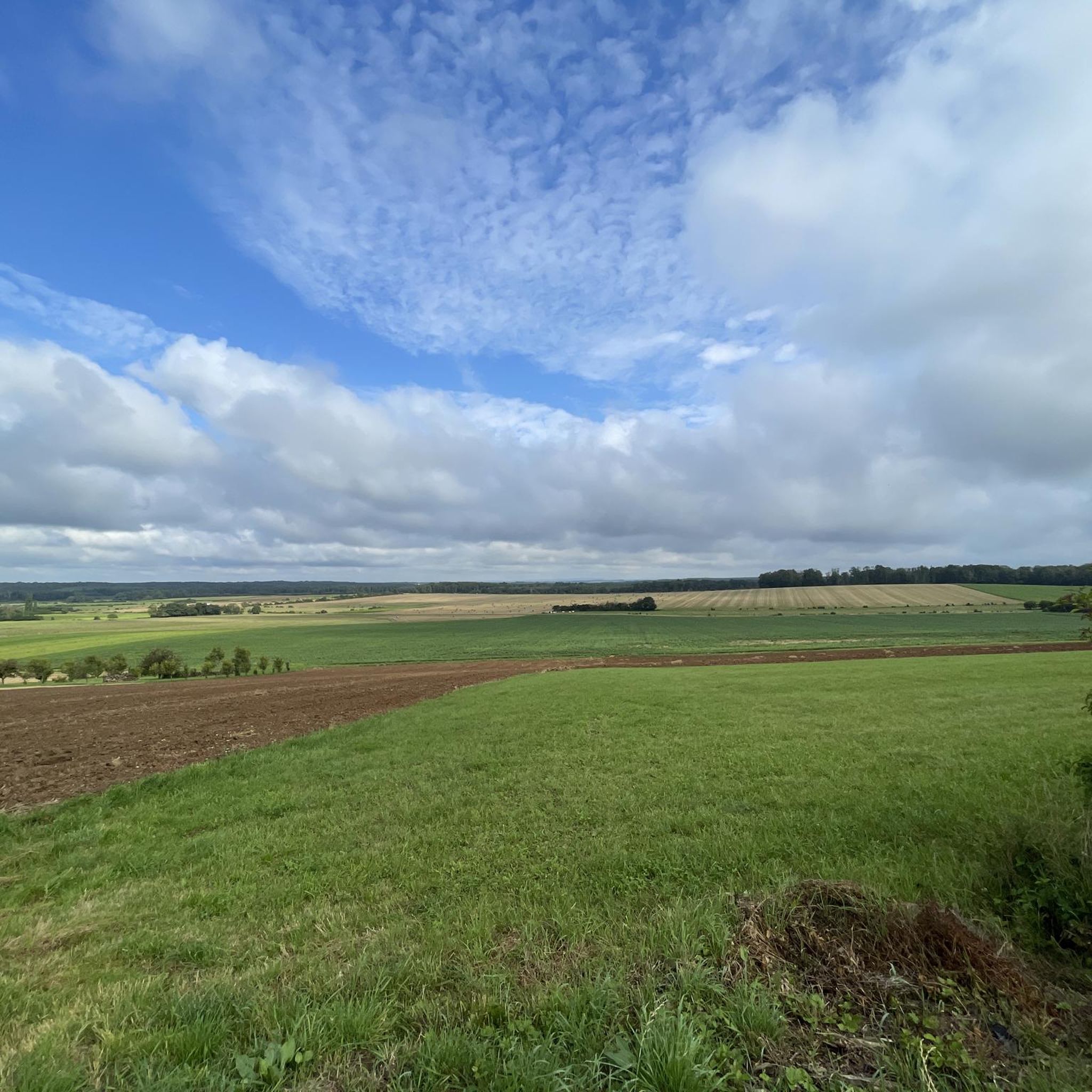
Saône Viewpoint
Highlight • Other
Tip by

La Chapelle-Saint-Quillain
Highlight • Other
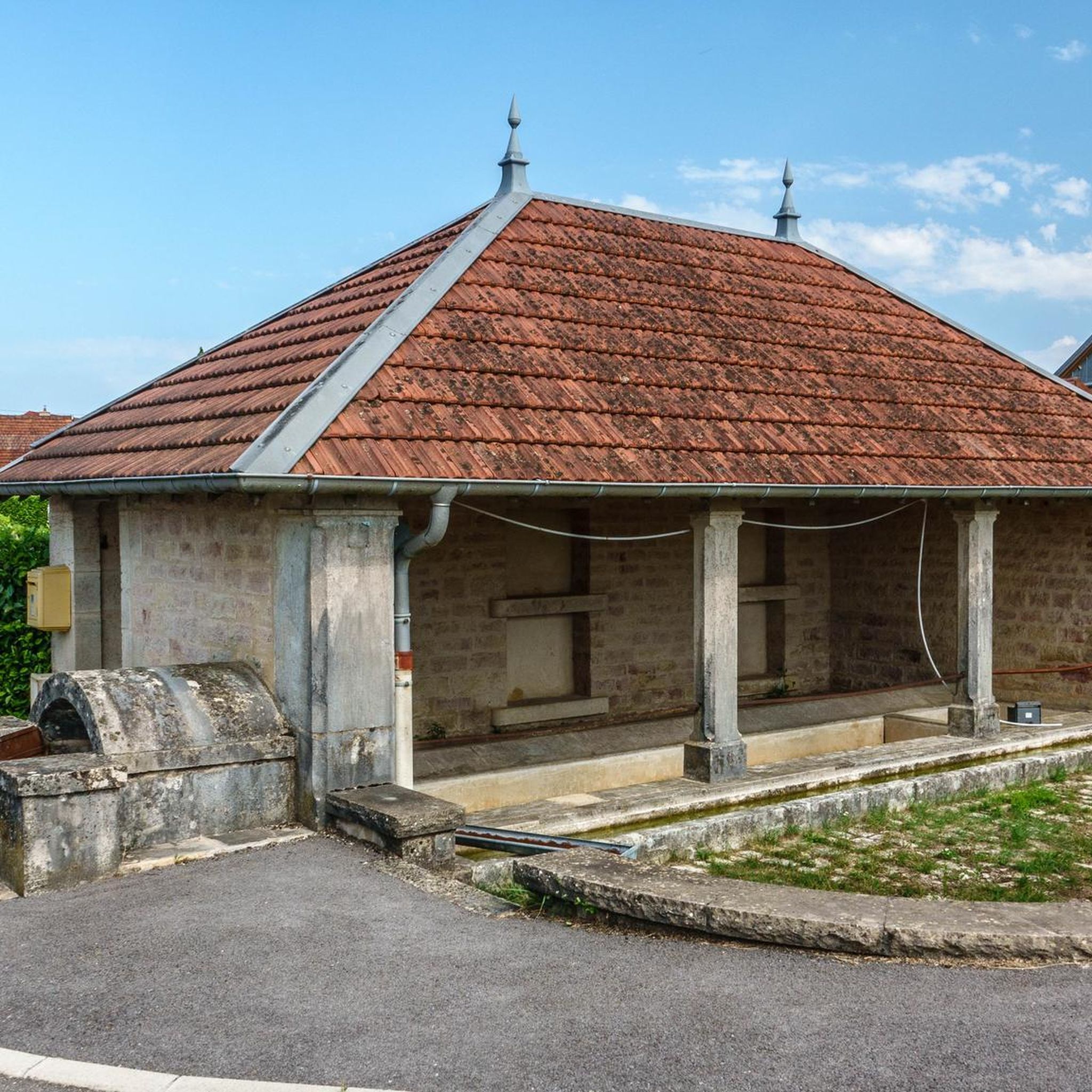
The 19th century washhouse fountain.
The 19th century drinking fountain.
Translated by Google •
Tip by
Notre-Dame du Calvaire Chapel
Highlight • Religious Site
Translated by Google •
Tip by
Sign up for free to discover even more attractions around Étrelles-Et-La-Montbleuse.
Sign up for free
Already have an account?
Start today with a free account
Your next adventure awaits.
Login or Signup



Tips from the Community

Parish Church of the Beheading of Saint-Jean-Baptiste (rebuilt at the beginning of the eighteenth century on medieval foundations of the thirteenth century): Latin cross plan; three naves; cross vault; numerous paintings, sculptures.
10
4
The site of Oiselay-et-Grachaux, the "bird hill", has been inhabited since prehistoric times, as evidenced by the discovery of a Neolithic station. In ancient times, Oiselay was located on the Roman road linking Besançon to Langres. Until the eighteenth century, the Lord of Oiselay ruled the area. Stephen II of Oiselay, head of the younger branch of the House of Burgundy, had a fortified castle built in 1227 AD. * Fontaine-lavoir (xixe siècle) : basin ; borne fontaine ; stone of the waist ; columns. * Chapelle du cimetière recouverte de lierre. * Numbers of old houses and farms. * Croix de chemin du 19th century. * Mairie-school, du 19th century. * Ruins du château-fort were renovated during the twentieth century, dating from the seventh century during the armies of Louis XI and dismantled during Louis
10
4
The Saint-Quillain and the Beheading of Saint John the Baptist church from the first quarter of the 19th century. The Sainte-Madeleine chapel The 19th century washhouse fountain. The 19th century drinking fountain.
10
4

The Notre-Dame du Calvaire chapel dates from the 19th century and was built following a promise made by the parish priest, the Red priest. Erected in height, in a clearing, it is accessible by a stone path from the church of Gy and a porthole allows to distinguish the interior whose paintings have been recently restored, and where the blue color dominates what is without doubt to recall that of the mantle worn by the Virgin.
0
0
The Notre-Dame-de-la-Charité Abbey of Neuvelle-lès-la-Charité, is a Cistercian abbey for men, founded in Franche-Comté in 1133 and disappeared in 1791. It is located in the current communes of Neuvelle -lès-la-Charité and Fretigney-et-Velloreille, in Haute-Saône, then in the diocese of Besançon.
1
0

The spot offers not only a beautiful view, but is also an entry-point for a nice hiking-trail through cliffs and forrests along the Saône.
2
0
Frequently Asked Questions
What historical sites can I explore in Étrelles-Et-La-Montbleuse?
The region is rich in history. You can visit the site of the former Abbey of Our Lady of Charity of Neuvelle-lès-la-Charité, a Cistercian abbey founded in 1133. Another significant historical location is Oiselay-et-Grachaux Village Highlights, which has evidence of prehistoric habitation, Roman road connections, and ruins of a 13th-century fortified castle.
Are there any notable religious buildings to visit in the area?
Yes, Étrelles-Et-La-Montbleuse features several historic religious sites. These include the 19th-century church and chapel at La Chapelle-Saint-Quillain, which was rebuilt on medieval foundations. You can also find the Notre-Dame du Calvaire Chapel, a 19th-century chapel known for its recently restored interior paintings, predominantly in blue.
Where can I find scenic views and hiking opportunities?
The Saône Viewpoint offers beautiful scenic views and serves as an excellent starting point for hiking trails. These trails wind through cliffs and forests along the Saône River, providing a great way to experience the natural landscape.
Are there opportunities for cycling or mountain biking near these attractions?
Absolutely. The area around Étrelles-Et-La-Montbleuse is well-suited for cycling. You can find various routes for gravel biking, including a challenging 94 km loop from Vellexon, or moderate options like the 38 km 'Little Eiffel Tower' loop from Greucourt. For mountain biking, explore trails such as the 40 km 'Gy Castle – Vincent Cheviet vineyard' loop from Gy. Discover more routes on the Gravel biking around Étrelles-Et-La-Montbleuse and MTB Trails around Étrelles-Et-La-Montbleuse guide pages.
What kind of running trails are available in the area?
For runners, there are several trails ranging from moderate to difficult. Options include a challenging 13 km running loop from Bucey-lès-Gy or a moderate 9.8 km 'Pelouses Trail' loop from Villers-Chemin-et-Mont-lès-Étrelles. You can find more details and routes on the Running Trails around Étrelles-Et-La-Montbleuse guide page.
Are there family-friendly attractions in Étrelles-Et-La-Montbleuse?
Yes, Oiselay-et-Grachaux Village Highlights is considered family-friendly. It offers a chance to explore historical ruins, old houses, and learn about the area's long history, which can be an engaging experience for families.
What do visitors appreciate most about the attractions in Étrelles-Et-La-Montbleuse?
Visitors particularly enjoy the blend of historical and natural heritage. The scenic views from the Saône Viewpoint and the historical significance of sites like the Abbey of Our Lady of Charity of Neuvelle-lès-la-Charité are highly appreciated. The community has shared 8 photos and given 7 upvotes to the attractions, highlighting their visual appeal and historical interest.
Can I find examples of 19th-century infrastructure in the commune?
Yes, the area around La Chapelle-Saint-Quillain features a 19th-century washhouse fountain and a drinking fountain from the same period, offering a glimpse into the historical infrastructure of the region.
What is the significance of Oiselay-et-Grachaux?
Oiselay-et-Grachaux Village Highlights is significant for its deep historical roots, with evidence of prehistoric habitation and its location on a Roman road. It was also home to a fortified castle built in 1227 AD by Stephen II of Oiselay, with ruins from the seventh century renovated in the twentieth century.
Are there any easy walks or trails suitable for a relaxed outing?
While specific 'easy' trails are not detailed for every highlight, the Saône Viewpoint offers an entry point to hiking trails that can be explored at a relaxed pace, allowing you to enjoy the natural beauty of the Saône River area. Additionally, some of the running and cycling routes have easy difficulty ratings, which could be adapted for leisurely walks.
What kind of natural features can I expect to see?
The primary natural feature highlighted is the scenic Saône Viewpoint, which provides expansive views and access to trails through cliffs and forests along the Saône River. The region is generally characterized by its river landscapes and wooded areas, offering a tranquil natural environment.
Most popular routes around Étrelles-Et-La-Montbleuse

Get inspired with the komoot mobile app


Explore more
Still not found the Highlight you’re looking for? See guides of the top attractions in other regions:
