Attractions and Places To See around Le Moustoir - Top 20
Best attractions and places to see around Le Moustoir include a mix of historical landmarks, significant megalithic sites, and natural features. This region in Brittany, France, offers insights into ancient Roman history, medieval past, and unique cultural projects. Visitors can explore a diverse landscape, from ancient aqueduct sections to impressive tumuli and monumental sculptures.
Best attractions and places to see around Le Moustoir
- The most popular attractions is The Glomel Cut, a man-made monument that marks the highest point…
Last updated: May 10, 2026
The Glomel Cut
Highlight (Segment) • Monument
Translated by Google •
Tip by

Valley of the Saints
Highlight • Monument
Very impressive. Wonderful photo opportunities.
Translated by Google •
Tip by

Sign up now to discover places like this
Get recommendations on the best single tracks, peaks, & plenty of other exciting outdoor places.
Sign up for free
Great Trench of the Nantes to Brest Canal
Highlight • Monument
Translated by Google •
Tip by

Saint-Gildas Chapel
Highlight • Religious Site
Translated by Google •
Tip by

Voie Verte Morlaix-Carhaix (Gars an Hore)
Highlight • Other
Translated by Google •
Tip by

Sign up for free to discover even more attractions around Le Moustoir.
Sign up for free
Already have an account?
Start today with a free account
Your next adventure awaits.
Login or Signup


Tips from the Community

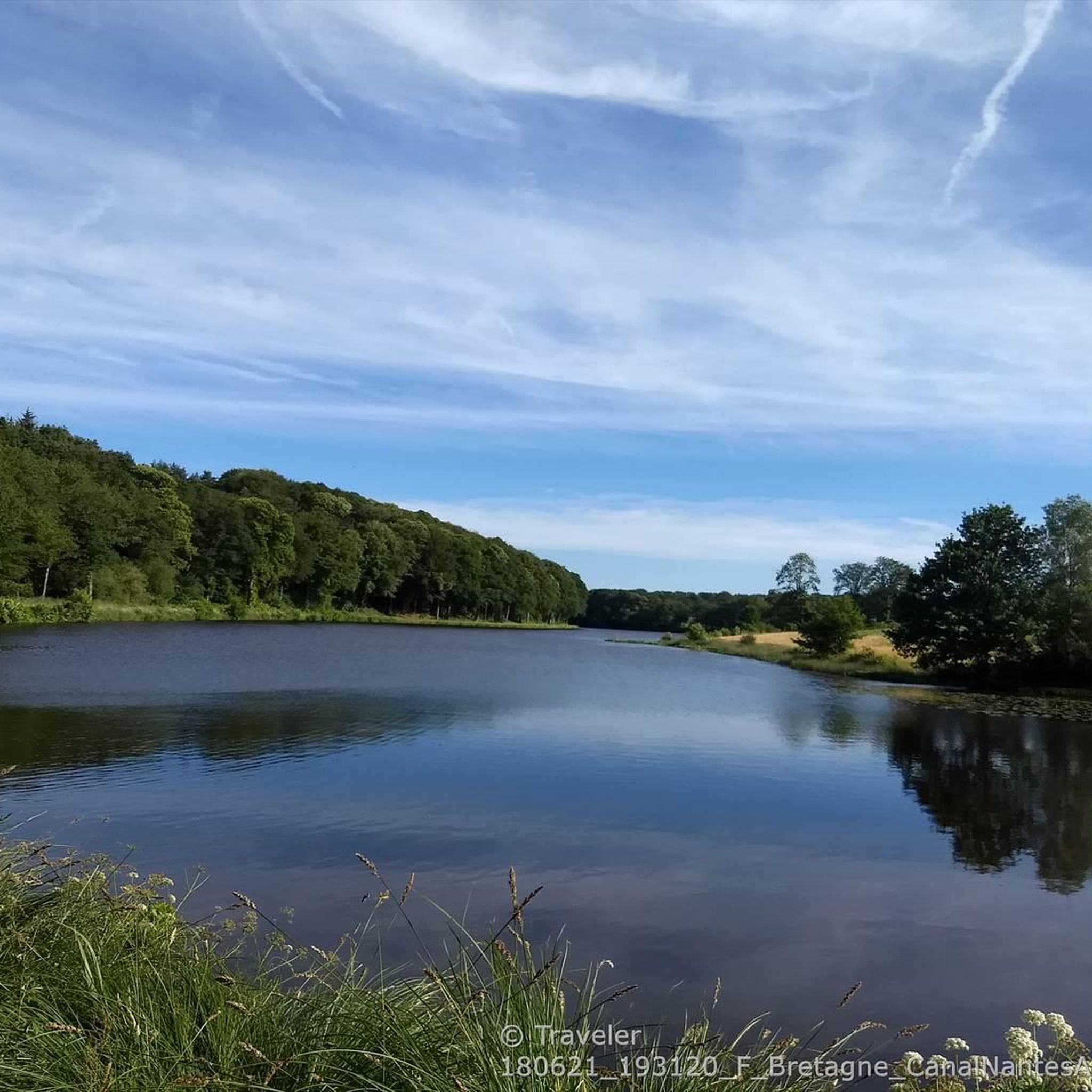
This is one of the very few straight sections of the canal.
0
0
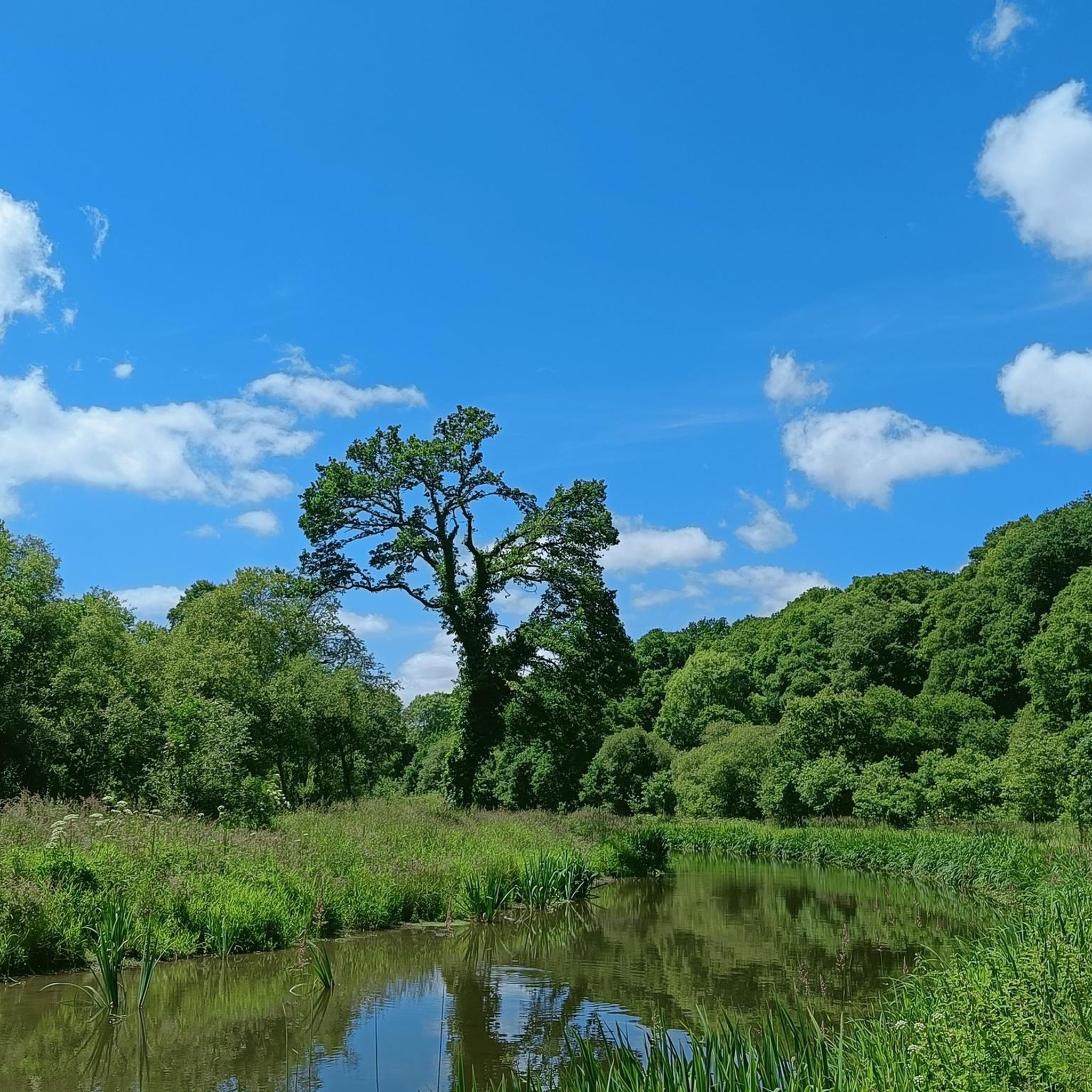
Here the canal meanders through the landscape.
0
0

The collection of more than 200 photos for this highlight shows more clearly than words can the diversity of the Breton saints' heaven carved in stone - in this very special case a hill called "Vallée des Saints".
1
0

The chapel may have been a lordly foundation from the early years of the 16th century. Its proximity to the Tossen Sant-Veltas fortress suggests that it may have been the private chapel of this castle. This building is said to have been completely finished around 1500 and is a creation of the workshop of Philippe de Beaumanoir, a very active master builder in Trégor. Source: Wikipedia
1
0
Located in the heart of Brittany in Carnoët, the Vallée des Saints is a contemporary cultural and artistic site which will host, in 2024, nearly 200 monumental works in Breton granite bearing the effigy of the saints who have left their mark on Brittany. According to legend, Brittany venerates more than 1,000 Breton saints, but only 700 are listed because not all of them are "homologated", that is to say officially recognized by the Roman Catholic Church. It is estimated that there are about 800 saints in Brittany according to the most reserved historians, up to 1,500 for the most optimistic. So there is still a lot to do in the Vallée des Saints. Source: Wikipedia
2
0

A welcome breath of fresh air
0
0

At an altitude of 184 m, the Glomel trench is the highest point of the Nantes-Brest canal and the watershed between the Blavet and Aulne basins. The canal project and its passage through the center of Brittany dates back to Vauban, the decision and the route to Napoleon. The impressive trench allows the Aulne and Blavet watersheds to communicate via the canal. The Grande Trenche of the Canal from Nantes to Brest was dug in the 19th century by deserters from the army of Louis XVIII. The 4000 convicts of Glomel had to move as much earth and rock as was necessary for the construction of a great pyramid in Egypt. It took 9 years to create this trench, more than 3 kilometers long, 100 meters wide and 23 meters deep.
0
0

Beautiful greenway, well maintained and marked. It follows the old railway lines and allows you to cross the valleys without any elevation changes.
2
0
Frequently Asked Questions
What historical attractions can I explore around Le Moustoir?
The region offers a rich tapestry of historical sites. In Côtes-d'Armor, you can visit the 16th-century Église Saint-Juvénal, the Chapelle de la Croix-Neuve from 1819, and sections of a Roman aqueduct. The area also features a feudal motte at An-Tour and several ancient calvaries. For a unique man-made monument, explore The Glomel Cut, a significant 19th-century engineering feat on the Nantes-Brest canal.
Are there any significant megalithic sites near Le Moustoir?
Yes, particularly near Le Moustoir in Morbihan. You can visit the impressive Le Moustoir Tumulus (Er Mané), a large megalithic burial mound featuring a dolmen and ancient stone burial chambers (cists). This site is a listed historic monument and is located close to the renowned Carnac alignments.
What cultural or artistic projects are worth visiting in the area?
A prominent cultural and artistic site is The Valley of the Saints. This ongoing project features monumental granite statues representing Brittany's founding saints, offering a unique blend of art, history, and local legend. It's a very impressive site with great photo opportunities.
What kind of outdoor activities can I do near Le Moustoir?
The area around Le Moustoir is excellent for various outdoor activities. You can enjoy cycling on routes like the 'Kerdiston lake – The Glomel Cut loop' or explore MTB trails such as 'The Glomel Cut – Kerdiston lake loop'. For more options, check out the dedicated guides for MTB Trails, Road Cycling Routes, and Cycling around Le Moustoir.
Are there family-friendly attractions around Le Moustoir?
Absolutely. The Valley of the Saints is considered family-friendly, offering an engaging outdoor experience with its monumental statues. Additionally, Saint-Gildas Chapel is a charming historical site that can be enjoyed by families, often with pleasant picnic spots nearby.
What natural features or landscapes can I expect to see?
Le Moustoir (Côtes-d'Armor) is nestled in a region known for its natural beauty, offering opportunities for walks in the surrounding countryside. Near Le Moustoir (Morbihan), you'll find a relaxing wooded environment and proximity to the coast, including seaside resorts like Carnac and La Trinité-sur-Mer. The broader region also includes natural attractions like Mont Saint-Michel de Brasparts, Lac de Guerlédan, and Menez Bré.
What do visitors enjoy most about the attractions around Le Moustoir?
Visitors frequently praise the unique blend of history, culture, and natural beauty. For instance, the Valley of the Saints is described as a 'magnificent site where a passion for nature, sculpture, beliefs mingle'. The historical significance and the sheer scale of engineering at The Glomel Cut also leave a strong impression on visitors.
Are there any religious heritage sites to visit?
Yes, the area is rich in religious heritage. In Le Moustoir (Côtes-d'Armor), you can visit the Église Saint-Juvénal and the Chapelle de la Croix-Neuve, both featuring historical architecture and stained-glass windows. Additionally, Saint-Gildas Chapel is a notable religious building with potential origins from the early 16th century.
Can I find local markets or traditional villages nearby?
While Le Moustoir itself is a commune, the surrounding countryside in Côtes-d'Armor offers access to local markets in nearby towns. For example, Carhaix-Plouguer hosts a market on Saturdays, Rostrenen on Tuesdays, and Huelgoat on Thursdays, providing a chance to experience local life and produce.
What are some lesser-known historical gems in the area?
Beyond the main highlights, you can discover the 17th-century Manoir de Penlan and the historic Maisons de Goas-an-Not dating from 1630-1688 in Le Moustoir (Côtes-d'Armor). These offer a glimpse into the region's architectural past. The feudal motte at An-Tour also provides insight into its medieval history.
Is there a good time of year to visit Le Moustoir?
The region's natural beauty and outdoor attractions are generally best enjoyed during the warmer months, from spring to early autumn, when the weather is pleasant for walking, cycling, and exploring historical sites. This period also allows for comfortable visits to outdoor cultural sites like The Valley of the Saints and the megalithic sites.
Most popular routes around Le Moustoir

Get inspired with the komoot mobile app


Explore more
Still not found the Highlight you’re looking for? See guides of the top attractions in other regions:
