The best road cycling routes around Saint-Servais
4.7
(16)
901
riders
75
rides
Road cycling around Saint-Servais features a landscape characterized by rolling hills and river valleys, offering varied terrain for cyclists. The region includes rural roads that pass through small villages and past historical sites. Elevation changes are common, providing challenging climbs and rewarding descents.
Best road cycling routes around Saint-Servais
- The most popular road cycling route is The Valley of the Saints – Callac loop from Callac, a difficult 81.2 miles (130.7 km) trail that takes 6 hours 27 minutes…
Last updated: October 5, 2026
5.0
(3)
377
riders
131km
06:29
1,780m
1,780m
Hard road ride. Very good fitness required. Mostly well-paved surfaces and easy to ride.
5.0
(2)
203
riders
95.6km
04:37
1,170m
1,170m
Hard road ride. Very good fitness required. Mostly well-paved surfaces and easy to ride.

4.7
(6)
84
riders
58.8km
02:55
740m
740m
Moderate road ride. Good fitness required. Mostly well-paved surfaces and easy to ride.
94.1km
04:24
1,040m
1,040m
Hard road ride. Very good fitness required. Mostly well-paved surfaces and easy to ride.
3.0
(1)
35
riders
59.3km
02:55
610m
610m
Moderate road ride. Good fitness required. Some segments of this route may be unpaved and difficult to ride.
Get access to more routes and recommendations from other explorers.
Already have an account?
Our route recommendations are based on thousands of hikes, rides, and runs completed by other people on komoot.
Start today with a free account
Your next adventure awaits.


Tips from the Community

There are only seven photos posted here, but they show more clearly than words can, a selection of the stone-carved diversity of the Breton heavenly host of saints – in this very special case a hill called „Vallée des Saints“.
0
0

The church was rebuilt from 1852 to 1868 according to the plans of the builder Yves Hernot on the site of ancient buildings from the 14th and late 16th centuries. Some old elements, such as doors and windows, were reused. The church was consecrated on October 22, 1871, after reconstruction. It contains interesting furniture, including two side altars, a 19th-century pulpit, works by Le Merrer, and especially an exceptional organ. Built in 1653 by the English organ builder Robert Dallam, it was only installed in Lanvellec in 1864, originally coming from the church of Plestin-les-Grèves. Furthermore, the statue of Saint-Efflam still crowns the buffet. It underwent several moves, repairs, and modifications until its total silence in the early thirties. It was saved from dispersion thanks to its classification as a Historic Monument on March 23, 1971. Its restoration in 1985/1986 by an Italian organ builder, restored its full historical truth. It is on this majestic instrument that the Festival de Lanvellec et du Trégor has been relying for 30 years to make ancient music resonate. In flamboyant Gothic style, the ossuary dates from the end of the 15th century and is classified as a Historic Monument. Rectangular in plan, it is made of granite, adorned with seven trefoil arcades and a pointed arch door. In the past, the skulls of the deceased were placed in boxes with their names, ten years after their death. The pardon of Saint-Brandan takes place on the third Sunday of September. 2024: The church is closed for works for several months! Visiting the exteriors is free all year round and the organ visit is only by appointment for groups.
0
0

A pretty iron bridge, built for farmers at the time. Here the path along the water was in a bad state in April 2026 (a warning was installed on one side of the section, but a detour through the forest is possible).
0
0

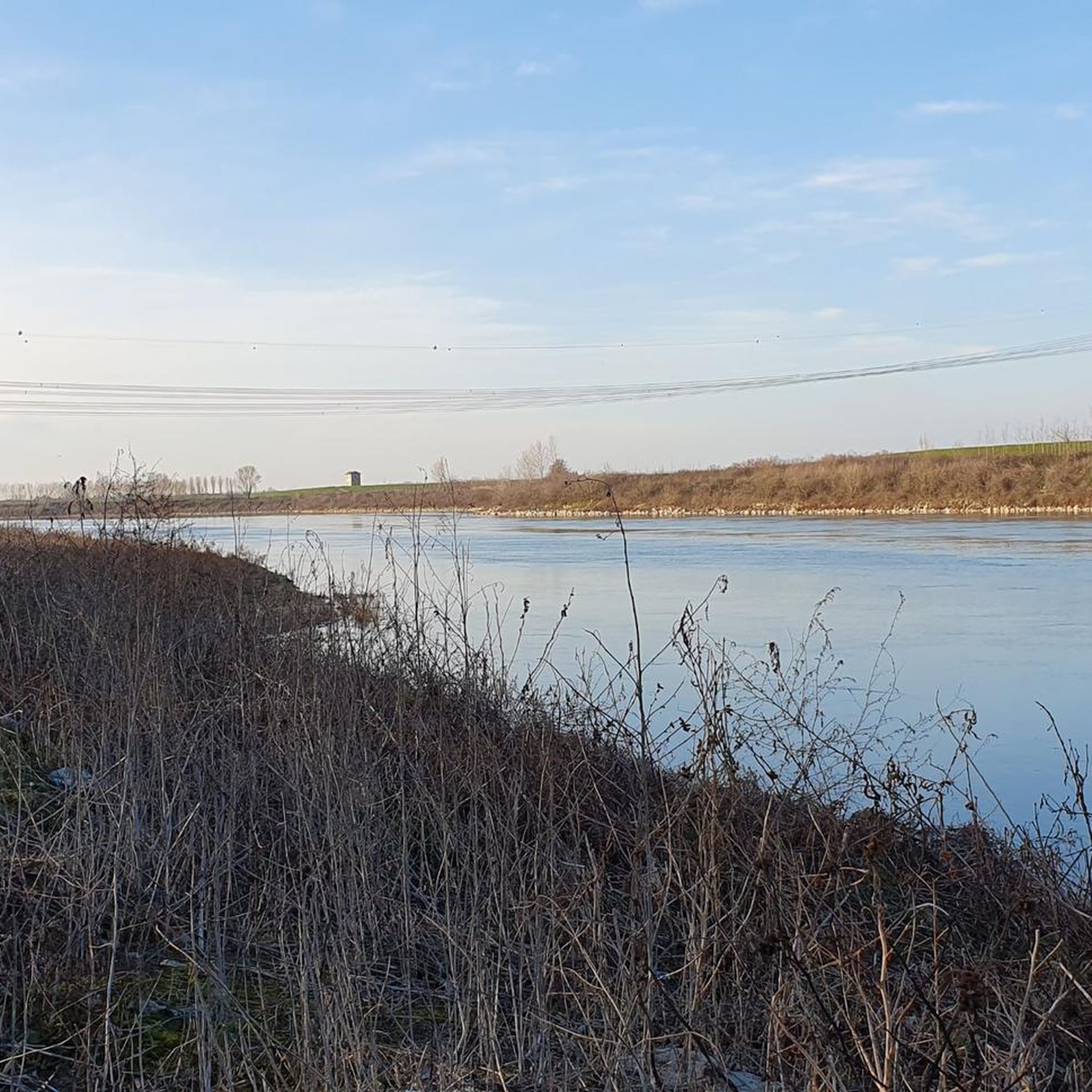
This is one of the very few straight sections of the canal.
0
0
Here the canal meanders through the landscape.
0
0

A welcome breath of fresh air
0
0

The Saint-Nicodème church dates from the 16th and 17th centuries. It apparently replaced a primitive chapel located in St-Cognan, a village near the town, and was partially rebuilt in the 17th and 19th centuries. There is a parish enclosure there.
0
0
At an altitude of 184 m, the Glomel trench is the highest point of the Nantes-Brest canal and the watershed between the Blavet and Aulne basins. The canal project and its passage through the center of Brittany dates back to Vauban, the decision and the route to Napoleon. The impressive trench allows the Aulne and Blavet watersheds to communicate via the canal. The Grande Trenche of the Canal from Nantes to Brest was dug in the 19th century by deserters from the army of Louis XVIII. The 4000 convicts of Glomel had to move as much earth and rock as was necessary for the construction of a great pyramid in Egypt. It took 9 years to create this trench, more than 3 kilometers long, 100 meters wide and 23 meters deep.
0
0
Frequently Asked Questions
How many road cycling routes are available around Saint-Servais?
There are over 70 road cycling routes around Saint-Servais, offering a wide range of options for different skill levels. You'll find routes traversing rolling hills, rural roads, and picturesque river valleys.
Are there easy road cycling routes suitable for beginners in Saint-Servais?
Yes, Saint-Servais offers several easier road cycling routes. While many routes feature elevation changes, there are 6 routes categorized as easy, providing a gentler introduction to the region's beautiful landscapes.
What kind of terrain can I expect on road cycling routes in Saint-Servais?
Road cycling in Saint-Servais is characterized by rolling hills and river valleys. You'll encounter rural roads passing through small villages and past historical sites, with common elevation changes that provide both challenging climbs and rewarding descents.
Are there challenging long-distance road cycling routes in the Saint-Servais area?
Absolutely. For experienced cyclists seeking a challenge, Saint-Servais features 13 difficult routes. One notable long-distance option is The Valley of the Saints – Callac loop from Callac, which spans over 130 km with significant elevation gain.
What do other road cyclists think about the routes in Saint-Servais?
The road cycling routes in Saint-Servais are highly regarded by the komoot community, with an average score of 4.4 stars from over 18 reviews. Cyclists often praise the varied terrain, the charm of the rural roads, and the rewarding ascents and descents.
Are there any circular road bike routes around Saint-Servais?
Yes, many of the routes around Saint-Servais are designed as loops, allowing you to start and finish in the same location. Examples include the challenging Kerroué Manor – Callac loop from Callac and the moderate Belle-Isle-en-Terre – Callac loop from Callac.
What are some scenic viewpoints or attractions along the road cycling routes?
The region offers several points of interest. You might pass by the impressive Valley of the Saints, the historic Saint-Gildas Chapel, or the ancient Menhir de Gouellec. These routes often provide views of the picturesque river valleys and rural landscapes.
Are there road cycling routes that pass through villages or offer opportunities for refreshments?
Many routes in Saint-Servais traverse small villages, providing opportunities to stop for refreshments. The rural roads connect these communities, so you'll often find local cafes or pubs along the way, especially in towns like Callac, which serves as a common starting point for many loops.
What is the best time of year for road biking in Saint-Servais?
The best time for road biking in Saint-Servais is typically from spring to autumn. During these seasons, the weather is generally milder and more conducive to cycling, allowing you to fully enjoy the region's rolling hills and scenic routes.
Are there any moderate road cycling routes for intermediate cyclists?
Yes, the majority of road cycling routes in Saint-Servais are classified as moderate, with 56 such options available. These routes offer a good balance of distance and elevation, perfect for intermediate cyclists looking for an engaging ride without extreme difficulty. An example is the Callac – Saint-Nicodème Church loop from Callac.
Can I find routes that explore historical sites or cultural landmarks?
Yes, the road cycling routes often pass by historical sites and cultural landmarks. For instance, the Church of Pulat Plestivien – Callac loop from Callac offers a route that includes local churches and other points of historical interest within the rural landscape.
Most popular routes around Saint-Servais
Most popular attractions around Saint-Servais

Get inspired with the komoot mobile app


Explore more
Browse the best Road cycling routes in other regions.
