The best cycling routes around Bahretal
4.7
(117)
579
riders
43
rides
Touring cycling routes around Bahretal offer diverse landscapes at the foot of the Ore Mountains, characterized by rocky formations and deep valleys. The region provides views of the Elbe Sandstone Mountains, featuring impressive rock formations and gorges. Cyclists can explore picturesque forests and river courses, including paths along the Elbe River.
Best touring cycling routes around Bahretal
- The most popular touring cycling route is Pirna Old Town – Pirna Town Hall loop from Liebstadt, a 20.2 miles (32.6 km)…
Last updated: May 15, 2026
5.0
(20)
88
riders
Moderate bike ride. Good fitness required. Mostly paved surfaces. Suitable for all skill levels.
4.7
(10)
35
riders
Moderate bike ride. Good fitness required. Mostly paved surfaces. Suitable for all skill levels.

Sign up for free
5.0
(2)
27
riders
32.6km
02:05
340m
340m
Moderate bike ride. Good fitness required. Mostly paved surfaces. Suitable for all skill levels.
4.3
(9)
14
riders
Moderate bike ride. Good fitness required. Mostly paved surfaces. Suitable for all skill levels.
3.6
(7)
18
riders
Moderate bike ride. Good fitness required. Mostly paved surfaces. Suitable for all skill levels.
Get access to more routes and recommendations from other explorers.
Sign up for free
Already have an account?
Our route recommendations are based on thousands of hikes, rides, and runs completed by other people on komoot.
Start today with a free account
Your next adventure awaits.
Login or Signup
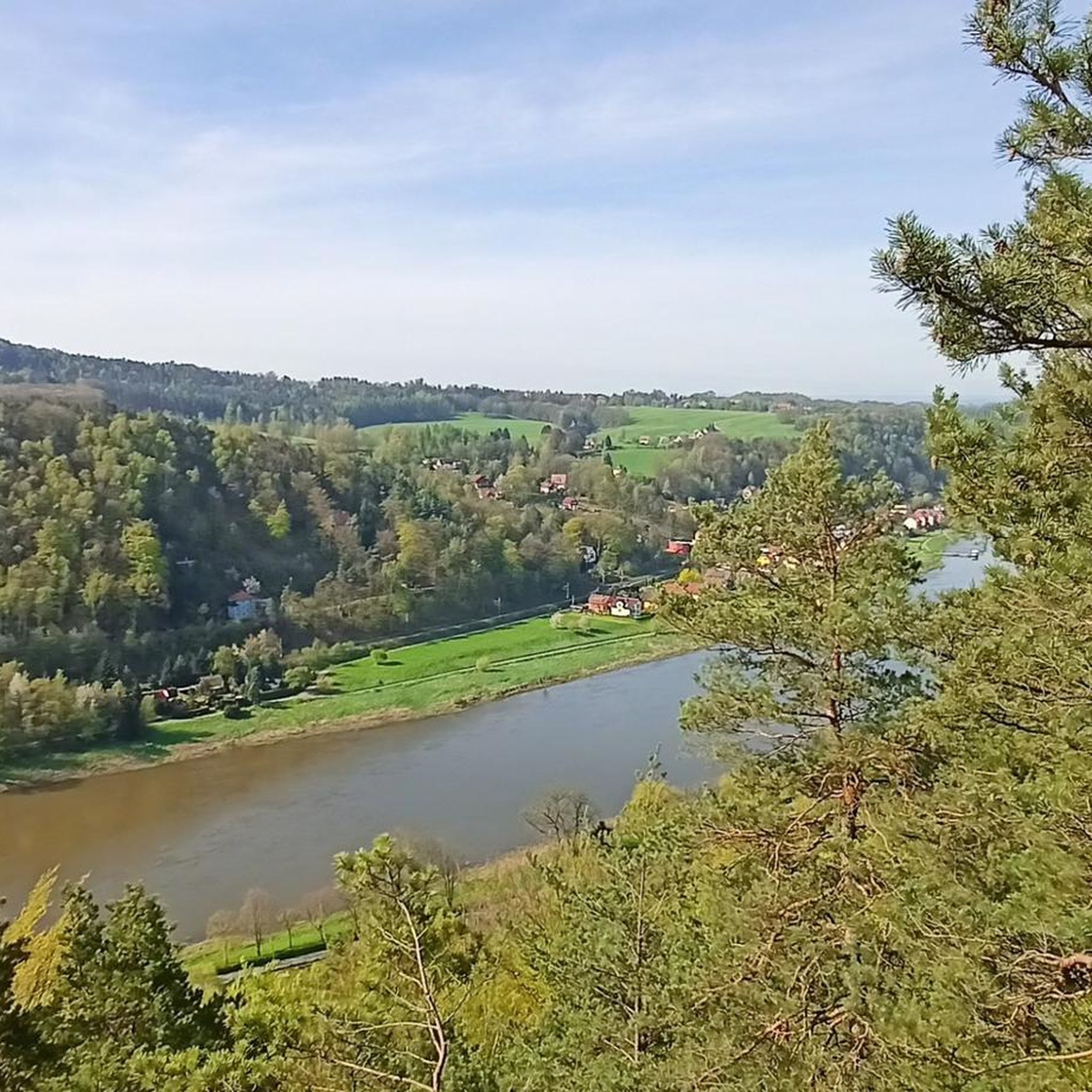
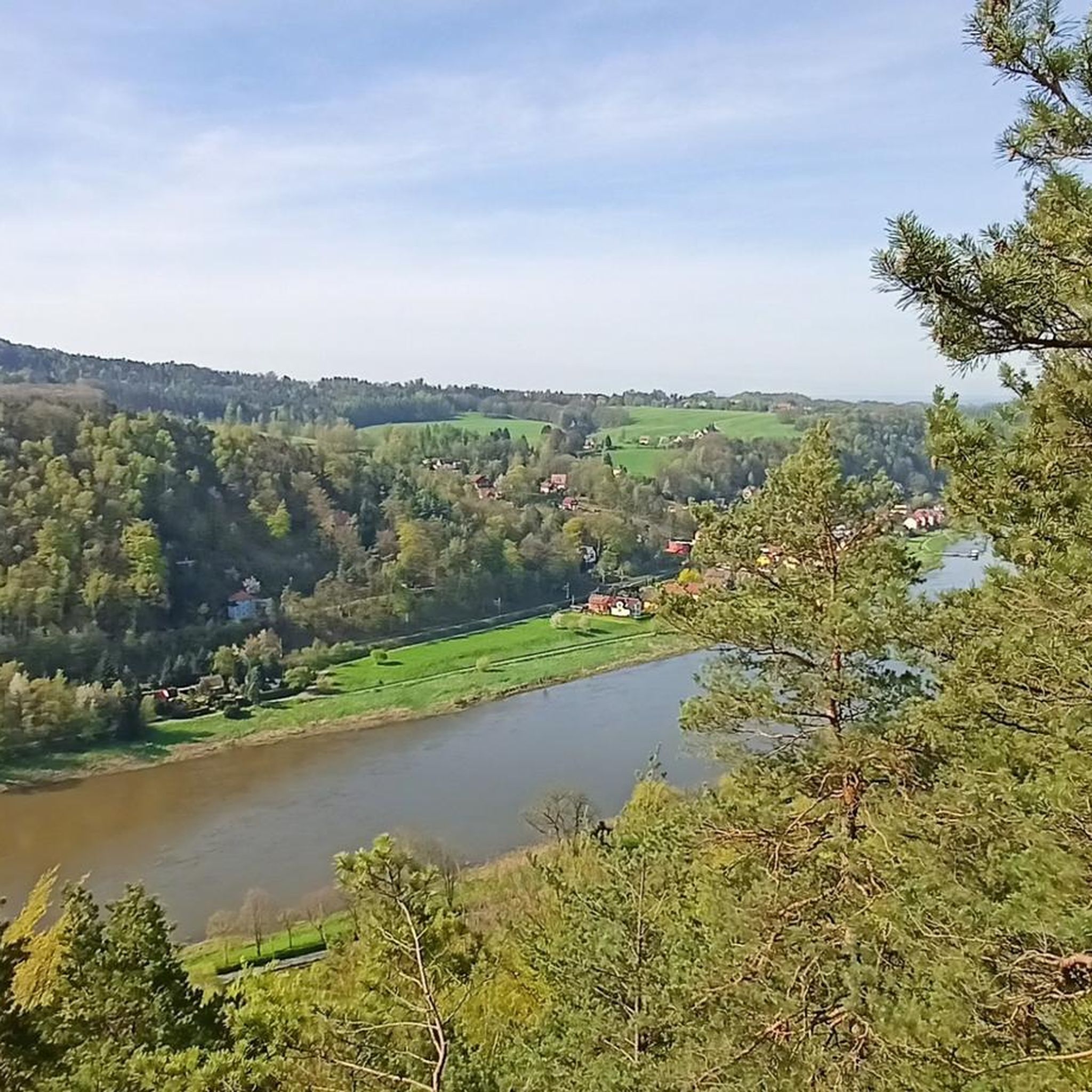
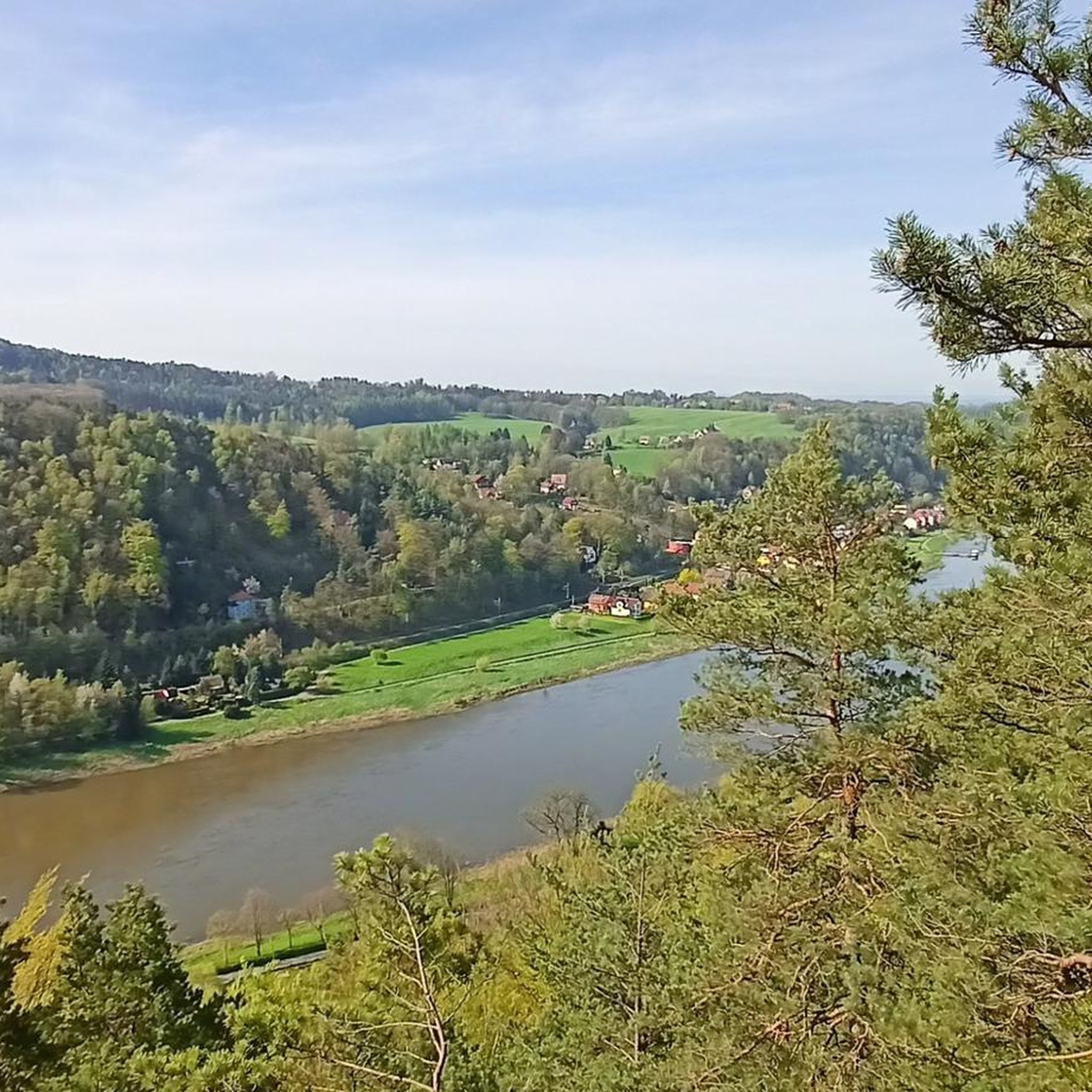

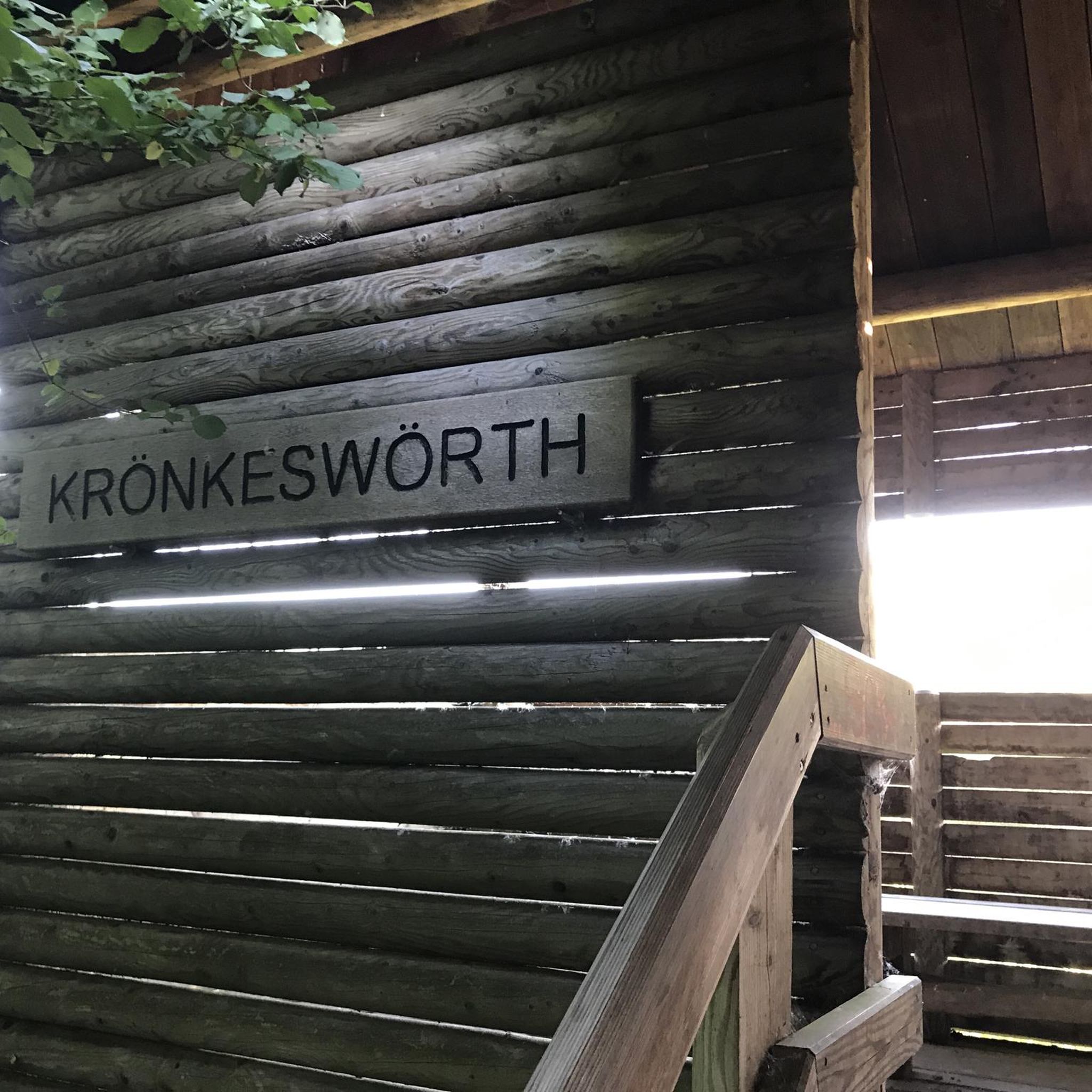
Tips from the Community

really interestingly designed and informative - there are still many more to discover here
0
0
a beautiful destination and highly recommended
0
0

Schloss Zehista. Info: Schloss Zehista was first mentioned in documents in 1355. In 1736, extensive renovations were commissioned, which were completed in 1742, during which time the castle tower with church was also built. The renovated castle is now used for residential purposes.
1
0

According to the explanation, the three penitential crosses were brought together here, although there were once five. Interestingly, these crosses are also called murder crosses, and the middle cross even depicts the murder weapon, a hatchet, which is quite recognizable, especially after the explanation.
0
0
Over the centuries, much has changed and been built, including a castle, a church with a cemetery, and much more. Cotta had a favorable starting position for development, as it was located directly on the postal road, which, however, also meant increased dangers during wartime. Predecessor buildings on the site of the Großcotta church existed as early as the 14th century. At the end of the 15th century, a new building was erected, which was remodeled or extended several times in the 17th and 18th centuries. It was already a parish church in the 16th century, encompassing Kleincotta and Neundorf. Around 1620, it received its squat-looking church tower, and since 1746, it has been equipped with a sundial. In 1813, during the Wars of Liberation, Grand Duke Konstantin of Russia stayed in the church. At that time, members of the Russian army also plundered the interior. The nave with its wooden ceiling was rebuilt in 1830. Another renovation took place in 1880. The chancel still has late Gothic rib vaults inside. In earliest times, there was a cemetery in the churchyard. As early as 1590, it was moved to the northern slope of the Spitzberg due to lack of space and expanded again in 1887.
0
1
Although it's not immediately apparent, Cotta Castle boasts a long history. This began around the year 1000 when the Burgraves of Dohna established an estate. Within this estate, a manor farm developed, which was first documented in 1307. From 1445 to 1517, the Rauber family of knights owned the manor. Under the Lords of Kospoth, who acquired it in 1517, it was elevated to a knight's estate in the mid-16th century. In 1661, they sold the Cotta estate to the Lords of Friesen. The following year, the Friesen family commissioned the construction of a new castle, while the former castle was subsequently converted into a brewery. Cotta Castle remained in the possession of the Friesen family until 1821, when it was acquired at auction by Gottfried Christoph Härtel. Cotta Castle After his death in 1832, his daughter, Baroness Elwine von Leyser, inherited the castle and manor, which she had remodeled in the Neoclassical style the following year. With her second marriage, the manor passed into the possession of Eduard von Burchardi in 1840. In 1868, it was sold to the Bohemian Baron Bradsky von Laboun. The last owner was Dorothea von Eschwege, who commissioned a Neo-Renaissance renovation in 1895 and had the park laid out. She took her own life the day after the end of the war, and her land was divided among newly settled farmers. In 2017, an entrepreneur from Freital acquired the castle from the municipality and subsequently had it extensively renovated. Today, the castle houses two private, luxurious apartments, offering guests an unforgettable stay. A true gem, hidden in a place where one would least expect to find it.
0
1

A beautiful bike ride from Pirna to Schlau and back. It was great. Not strenuous at all.
0
1

You can get a lot of information during a visit here.
0
0
Frequently Asked Questions
How many touring cycling routes are available in Bahretal?
Bahretal offers a diverse network of over 35 touring cycling routes. These routes cater to various skill levels, from easy rides to more challenging paths, allowing cyclists to explore the region's unique landscapes.
What is the best time of year for touring cycling in Bahretal?
The best seasons for touring cycling in Bahretal are spring and summer. During these months, the landscapes are vibrant and in full bloom, offering picturesque scenery and pleasant weather conditions for exploration.
What kind of terrain can I expect on touring cycling routes in Bahretal?
Touring cycling in Bahretal features diverse terrain, including the foothills of the Ore Mountains, views of the Elbe Sandstone Mountains with their impressive rock formations, and scenic river valleys. You'll encounter picturesque forests, deep valleys, and paths along the Elbe River.
Are there any easy touring cycling routes suitable for beginners or families?
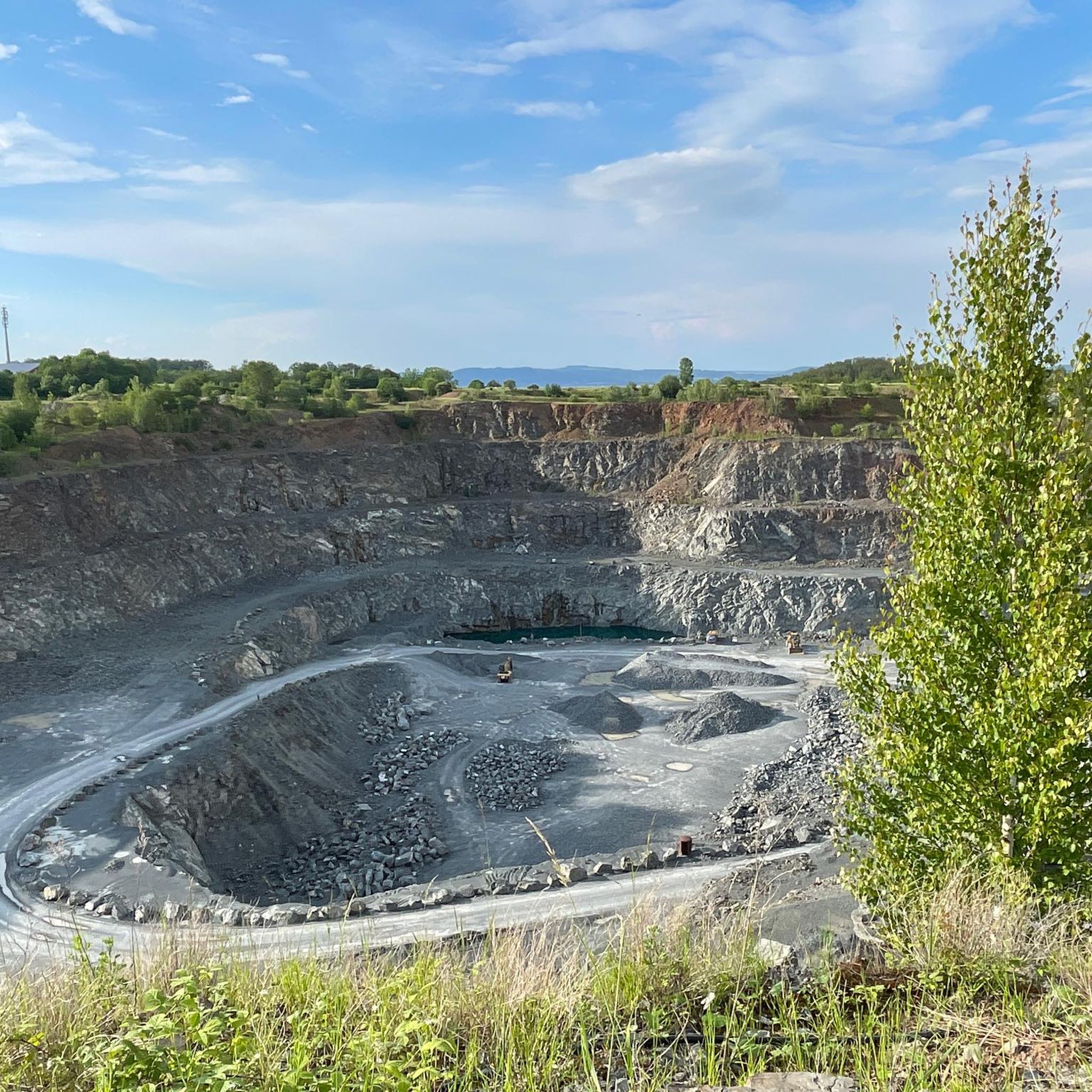
Yes, Bahretal offers 8 easy touring cycling routes, perfect for beginners or families looking for a relaxed ride. These routes allow you to enjoy the scenic beauty without significant physical demands. For example, the Alpacas in the Baretal – Former Quarry loop from Sächsische Schweiz-Osterzgebirge is a moderate route that can be enjoyed by many.
What historical landmarks or natural features can I see along the cycling routes?
Bahretal's cycling routes pass by numerous historical landmarks and natural features. You can enjoy views of the Elbe Sandstone Mountains, explore distinctive rocky formations like those in Uttewalder Grund, and discover historic sites such as Stolpen Castle or Weesenstein Castle. Cyclists can also enjoy views of Pillnitz Palace and the impressive Königstein Fortress.
Are there any circular touring cycling routes in Bahretal?
Many of Bahretal's touring cycling routes are designed as loops, offering convenient starting and ending points. An example is the Poetenteich – Poetenweg Trail loop from Sächsische Schweiz-Osterzgebirge, which provides a scenic circular journey through the landscape.
What do other touring cyclists say about the routes in Bahretal?
The touring cycling routes in Bahretal are highly regarded by the komoot community, with an average rating of 4.8 stars from over 40 reviews. Cyclists often praise the diverse landscapes, the well-maintained paths, and the blend of natural beauty with historical sights.
Are there any lakes or water features accessible by bike in Bahretal?
Yes, several lakes and water features are accessible by bike. You can cycle past the Gottleuba Dam or visit the Birkwitz Gravel and Swimming Lake. The region also features picturesque river courses, including paths along the Elbe River.
Can I find places to eat or stay near the cycling routes in Bahretal?
While specific cafes or accommodations are not detailed in the route information, Bahretal and its surrounding towns offer various amenities. As a popular outdoor destination, you can expect to find options for refreshments and lodging, especially in larger settlements along the Elbe River or near major attractions.
Is public transport available to reach the touring cycling routes in Bahretal?
Bahretal is located in the district of Sächsische Schweiz-Osterzgebirge, a region with public transport options. While specific connections to every trailhead are not provided, major towns and attractions in the area are generally accessible by local buses or trains, which can help you reach starting points for your cycling tours.
Are there any specific viewpoints along the touring cycling routes?
Yes, the region is known for its breathtaking views. Cyclists can enjoy panoramic vistas of the Elbe Sandstone Mountains, including the famous Bastei Bridge and the 'Bastei' lookout point. You can also get a unique view of Pillnitz Palace from the Elbe Cycle Path.
Most popular routes around Bahretal
Most popular attractions around Bahretal

Get inspired with the komoot mobile app


Explore more
Browse the best Cycling routes in other regions.
