Top 8 Mountain Passes around Cazaunous
Best mountain passes around Cazaunous are situated within the Pyrenees region, offering a range of routes for outdoor enthusiasts. This area is characterized by its mountainous terrain, providing natural connections between valleys. The passes are known for their varied elevations and gradients, making them suitable for different activity levels. The landscape features include forested sections and open vistas, typical of the Pyrenean environment.
Best mountain passes around Cazaunous
- The most popular mountain pass is Menté Pass, a mountain pass…
Last updated: May 14, 2026
Menté Pass
Highlight • Mountain Pass
Translated by Google •
Tip by

Col des Ares
Highlight • Mountain Pass
More information: quaeldich.de/paesse/col-des-ares
Translated by Google •
Tip by

Sign up now to discover places like this
Get recommendations on the best single tracks, peaks, & plenty of other exciting outdoor places.
Sign up for free
Col de Larrieu (704 m)
Highlight • Mountain Pass
Translated by Google •
Tip by

Buret Pass
Highlight • Mountain Pass
The pass is the starting point for beautiful hikes towards the Cagire.
Translated by Google •
Tip by

Ascent of the Col de Menté from Lez
Highlight (Segment) • Climb
Translated by Google •
Tip by

Sign up for free to discover even more mountain passes around Cazaunous.
Sign up for free
Already have an account?
Start today with a free account
Your next adventure awaits.
Login or Signup

Tips from the Community

A beautiful transitional port between the Le Ger river valley and the Garonne river valley
0
0

Beautiful climb up Col de Menté. Although not a really famous climb it is a beautiful one, with nice hairpins inside the forest and beautiful views at the end.
0
0

Also, stop at the Là Soulan hostel for a well-deserved break. Very warm welcome. 👍
0
0

Not very long but good percentage
0
0

hard on a mountain bike but it's so beautiful
0
0

From Lez, the ascent of the Col de Menté is classified as first-class, with nine kilometers at an average gradient of 8.7%. Its fairly steady gradient allows you to find your own pace.
1
0

One of the mythical Pyrenean ports of the Tour de France, known largely for the tragic fall of Luis Ocaña in the 1971 Tour when he was leading the general classification. Its 2 aspects have a lot of crumbs: - west slope that starts from Saint Béat: it is the hardest. It is 9.7 km with an average slope of 8.7%. It is a very constant climb, with a small break when passing through Boux. The first part is a little harder and uglier since you barely have any views and you go up through the middle of a valley. The final part is spectacular with its many horseshoe curves, good panoramic views and the monument to the place where Luis Ocaña fell. - east slope: it is longer, with an initial section of 7 km very winding with a slope of 4%. It also has a break in its intermediate zone. Once the hard part starts, it is also very constant, like the west slope, although the average slope is 7-8%. This aspect has even more twists than the previous one. For more information, consult the profile published by cylcingcols.com -- > http://www.cyclingcols.com/col/Mente
0
0

Magnificent view for the climb to the pass from Artichan-de-Frontignes, however I found the climb on the other side (from the Col de Buret) more interesting because it was a little longer.
0
0
Frequently Asked Questions
What are the most popular mountain passes directly around Cazaunous?
The most popular mountain passes in the immediate vicinity of Cazaunous include Menté Pass, which connects the Garonne and Ger valleys at 1,349 meters, and Col des Ares, a viewpoint at 797 meters offering panoramic views of the Garonne valley. Another favorite is Col de Larrieu (704 m), known for its accessible walks and beautiful regional views.
What kind of views can I expect from the mountain passes in this region?
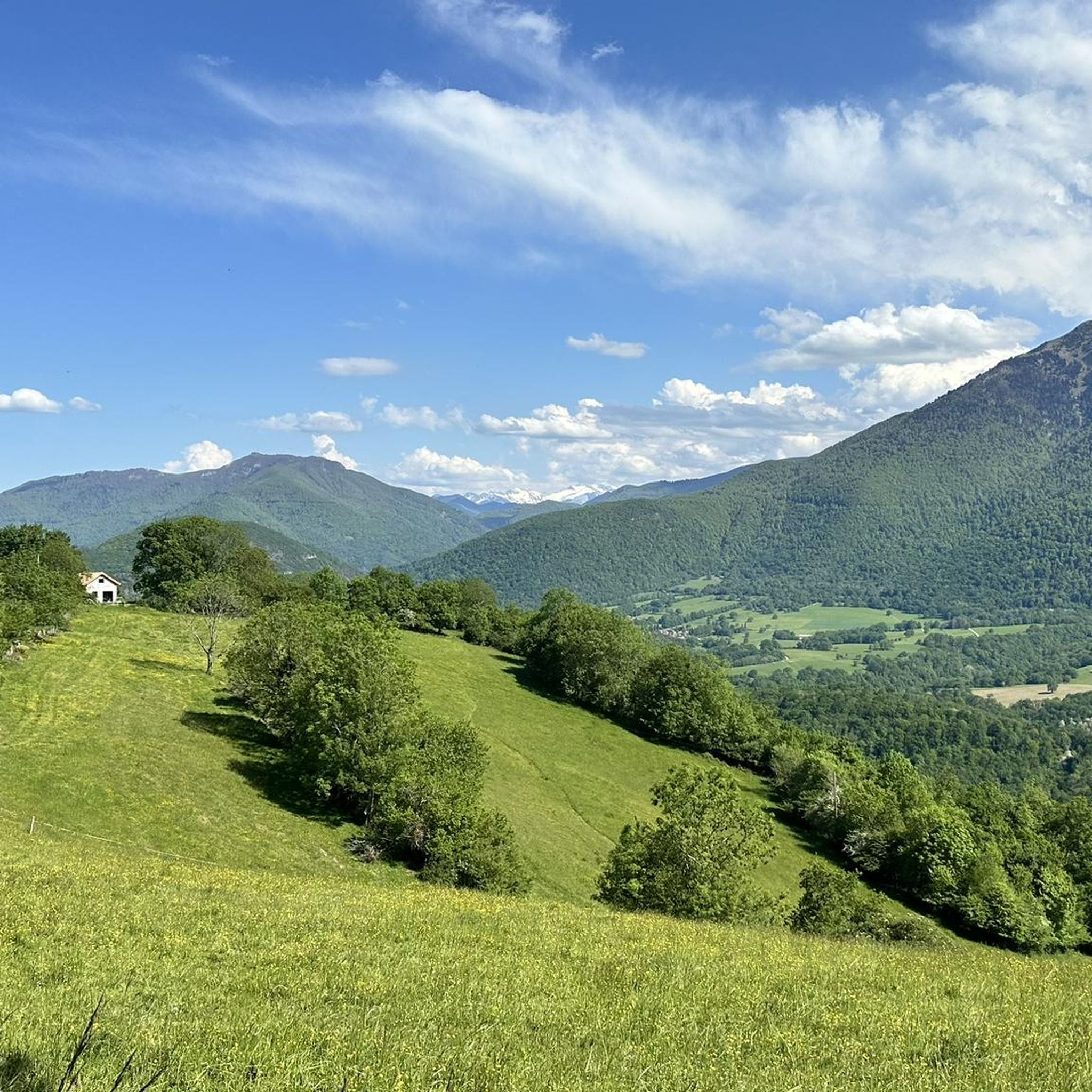
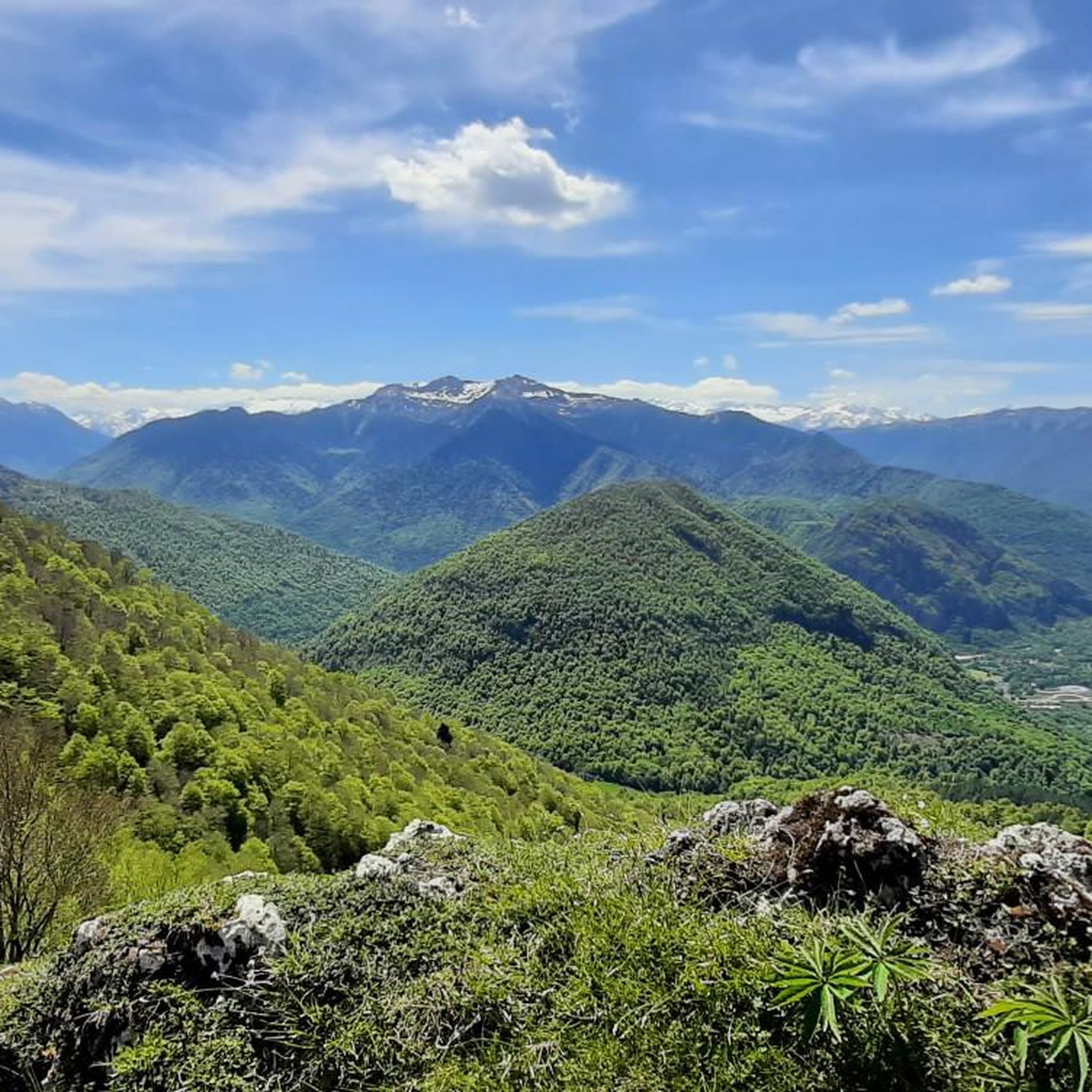
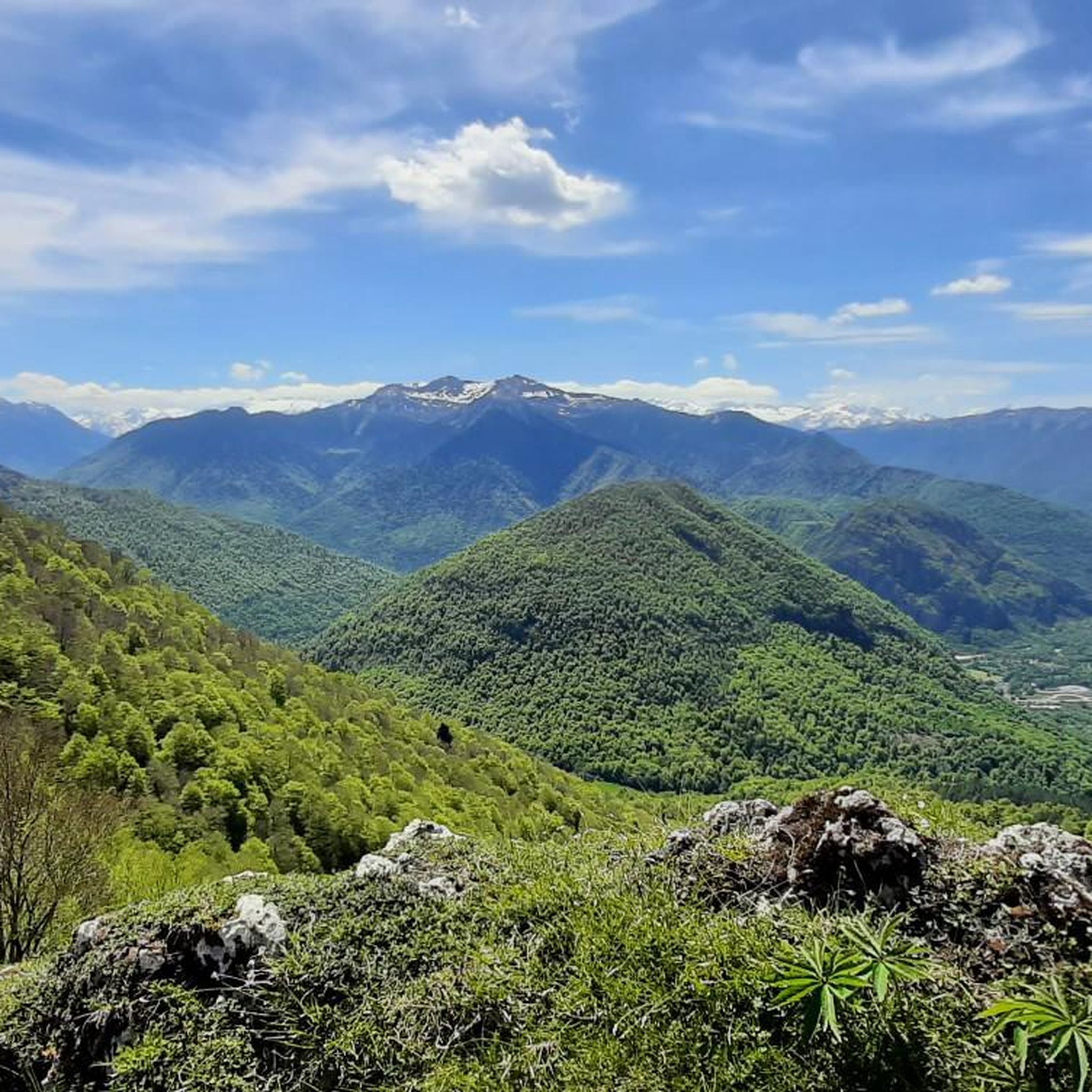
The passes offer diverse scenic experiences. From Col des Ares, you'll get lovely panoramic views over the Garonne valley. Col de Larrieu (704 m) also provides very beautiful views of the surrounding region. Higher passes like the Menté Pass offer typical Pyrenean landscapes with forested sections and open vistas, especially as you approach the summit.
Are there family-friendly mountain passes or activities suitable for children?
Yes, passes like Col de Larrieu (704 m) are noted for being starting points for rather easy walks with low gradients, making them suitable for families. For more general family-friendly hiking options around Cazaunous, you can explore routes like the 'Saint-Pierre Church of Sarp – Lake Saint-Pé-d'Ardet loop from Saint-Pé-d'Ardet', which is rated as easy. Find more options in the Hiking around Cazaunous guide.
When is the best time to visit the mountain passes around Cazaunous?
The best time to visit is generally from late spring to early autumn (May to October) when the weather is milder and passes are free of snow. Some higher passes in the broader Pyrenees, such as the Col d'Aubisque, typically experience seasonal closures from mid-November to May due to snow. Always check local conditions before planning your trip, especially for higher elevations.
What outdoor activities can I do near these mountain passes?
The region offers a variety of outdoor activities. For hiking, you can find routes like the 'Col des Ares – ... loop from Saint-Pé-d'Ardet' near the Col des Ares. Cycling is also very popular, with challenging climbs like the Menté Pass. You can find more detailed routes for different sports in the Hiking around Cazaunous, Gravel biking around Cazaunous, and Running Trails around Cazaunous guides.
Are there challenging mountain passes for experienced cyclists in the broader Pyrenees region?
Absolutely. While the passes directly around Cazaunous offer good challenges, the broader Pyrenees region is home to legendary climbs. The Menté Pass itself has sections over 11%. Further afield, iconic passes like the Tourmalet Pass (2,115m), Col d'Aubisque (1,709m), and Col de Peyresourde (1,589m) are frequent fixtures in the Tour de France, known for their significant elevation gains and steep gradients.
Can I bring my dog to the mountain passes and trails?
Many trails and passes in the Pyrenees are dog-friendly, but it's always recommended to keep dogs on a leash, especially in areas with livestock or protected wildlife. Always check specific trail regulations or local signage for any restrictions. Ensure your dog is well-behaved and that you carry waste bags.
What do visitors enjoy most about the mountain passes around Cazaunous?
Visitors appreciate the varied terrain, from challenging climbs to scenic routes and intermediate trails. The passes are valued for their natural beauty, the panoramic views they offer, and their accessibility for different activity levels. The komoot community has contributed 155 upvotes and 49 photos, highlighting the region's appeal for outdoor enthusiasts.
Is parking available at the mountain passes?
Yes, parking is generally available at or near the major mountain passes. For example, passes like Menté Pass and Col des Ares typically have designated parking areas, often at the summit or at the start of popular routes. It's advisable to arrive early during peak season to secure a spot.
Are there any historical or cultural points of interest near the mountain passes?
While the passes themselves are primarily natural features, the Pyrenees region has a rich history. Many passes, particularly the higher ones like the Tourmalet, have significant historical ties to cycling events like the Tour de France. The surrounding valleys and villages often feature traditional Pyrenean architecture, churches, and local museums that offer insights into the region's heritage and pastoral life.
Which mountain passes are good starting points for hiking?
Several passes serve as excellent trailheads. Col de Larrieu (704 m) is a good starting point for easy walks with beautiful views. The Buret Pass is also noted as a starting point for beautiful hikes towards the Cagire. For more specific hiking routes, refer to the Hiking around Cazaunous guide.
Can I find food and drink options near the mountain passes?
While some major passes in the broader Pyrenees might have small cafes or refuges, options directly at the passes around Cazaunous can be limited. It's always a good idea to pack sufficient water and snacks. You'll find restaurants and cafes in the nearby villages and towns, such as Aspet, Saint-Béat, or Arbas, which are often accessible from the passes.
Most popular attractions around Cazaunous

Get inspired with the komoot mobile app


Explore more
See even more epic mountain passes by checking out these guides around Cazaunous:
