The best walks and hikes around Vaux-Rouillac
4.8
(37)
216
hikers
34
hikes
Hiking around Vaux-Rouillac offers diverse landscapes, blending natural beauty with cultural heritage. The region is characterized by the tranquil Charente River and its banks, extensive vineyards, and rolling countryside. Hikers can explore peaceful islands, shaded paths, and agricultural fields, with some routes traversing small woods. The terrain includes gentle elevations, providing varied experiences for outdoor enthusiasts.
Best hiking trails around Vaux-Rouillac
- The most popular hiking route is Laundry – Tour of Rouillac loop from Rouillac, a 6.8 miles (11.0…
Last updated: May 15, 2026
4.5
(2)
6
hikers
11.0km
02:56
120m
120m
Moderate hike. Good fitness required. Easily-accessible paths. Suitable for all skill levels.
6
hikers
9.72km
02:37
120m
120m
Moderate hike. Good fitness required. Easily-accessible paths. Suitable for all skill levels.

Sign up for free
5.0
(1)
4
hikers
8.51km
02:10
30m
20m
Moderate hike. Good fitness required. Easily-accessible paths. Suitable for all skill levels.
5.0
(1)
8
hikers
2.12km
00:35
30m
30m
Easy hike. Great for any fitness level. Easily-accessible paths. Suitable for all skill levels.
5.0
(2)
7
hikers
9.54km
02:26
30m
30m
Moderate hike. Good fitness required. Easily-accessible paths. Suitable for all skill levels.
Get access to more routes and recommendations from other explorers.
Sign up for free
Already have an account?
Our route recommendations are based on thousands of hikes, rides, and runs completed by other people on komoot.
Start today with a free account
Your next adventure awaits.
Login or Signup




Tips from the Community

A Gallo-Roman theater, which is located on the territory of the commune of Saint-Cybardeaux. The ruins of the Gallo-Roman theater of Bouchauds are at the heart of a natural concavity.
1
0

Abbey of Saint-Étienne de Bassac, (Sancti Stephani de Bassaco vel Bassacensis, Bassacum): Monks of the order of Saint-Benoît, united in 1666 to the Congregation of Saint-Maur. It was founded at the beginning of the 11th century by one of the Princes of Angoulême, called Guadardus de Lorichis, in honor of St-Etienne, the first martyr, according to what is reported in the acts of the life of Grimourd (bishop of 'Angoulême), but in the history of Angoulême it is said that it was founded by Wardrard de Jarnac, and his wife Rixende. Be that as it may, the church and the regular places having been destroyed by the heretics, the Benedictines of the congregation of St Maur who were introduced there, restored everything, and had a beautiful church built. The Abbot has the collation of a few simple priories, and the appointment to a few parishes. • Foundation in the 11th century. Church rebuilt from 1247 to 1286. • Defensive works at the end of the 14th century. • Abbey burnt down by the Anglo-Saxons in 1434. • Reconstruction in the second half of the 15th century. • Abbey plundered by the Protestants between 1564 and 1569. • Maurist reform introduced in 1666 after the abbey had been abandoned for nearly a century: rehabilitation and restoration until 1746 (conventual building, guest room, etc.). • Abbey sold as national property during the Revolution. • Destruction of the Gothic cloister in 1820. • Major restoration work on the church and abbey buildings during the 19th and 20th centuries. Many times transformed over the course of congregations and historical events, it mixes Romanesque, Gothic, Baroque and Classical styles. Listed as a Historic Monument, the Saint-Étienne de Bassac abbey today unveils a rectangular abbey church consisting of 4 bays and a flat chevet. Gothic in style, it has however retained the bases of the original walls and has domed rib vaults. Romanesque, the bell tower is not lacking in charm, just like the apse and the 13th century chapel pierced by a bay and covered with a ribbed vault. The 17th century convent buildings are also still visible. Like several other religious sites around the world, the abbey of Saint-Étienne de Bassac had a “Gate of Mercy” in 2015-2016; door which, on the margins of the Holy Doors open every 25 years or according to the exceptions fixed by the pope during the course of the holy years or Jubilees, was established at the abbey of Saint-Étienne de Bassac following the desire of Pope Francis to see the Jubilee of Mercy spread all over the world. In short, this Door, like all the other doors of Mercy, supports the Holy Doors in their roles in the Jubilee of Mercy proclaimed by Pope Francis from December 8, 2015 to November 20, 2016 In addition, the Saint-Étienne abbey now hosts retreats, and also has an approval to receive green classes. Opening hours: Monday: 09:00 – 18:30 • Tuesday: 09:00 – 18:30 • Wednesday: 09:00 – 18:30 • Thursday: 09:00 – 18:30 • Friday: 09:00 – 6:30 p.m. • Saturday: 9:00 a.m. – 6:30 p.m. • Sunday: 9:00 a.m. -6:30 p.m.
0
0

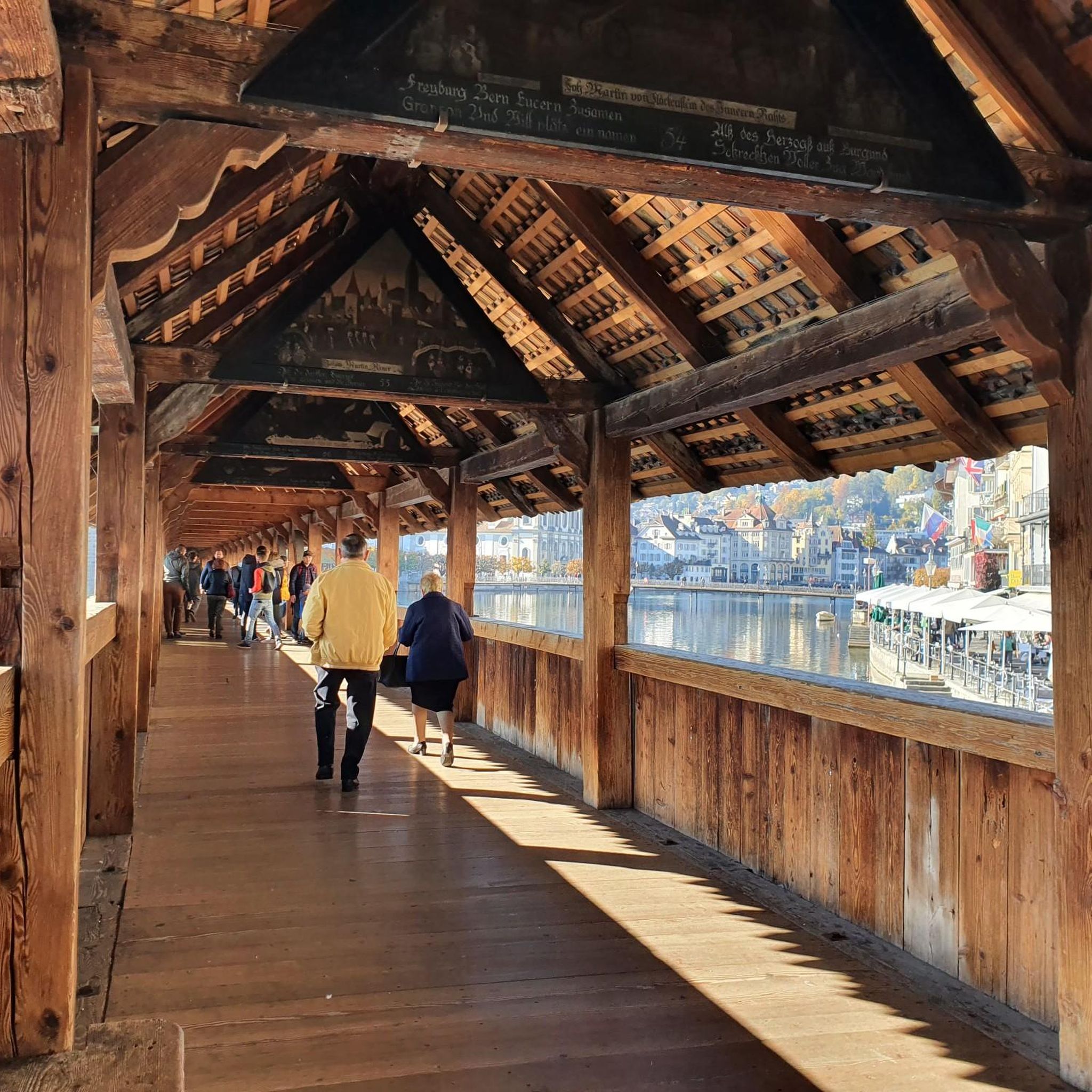
Beautiful scenery with the bridge over the river.
0
0

Foundation in the 11th century. Church rebuilt from 1247 to 1286. Defensive works at the end of the 14th century. Abbey burnt down by the Anglo-Saxons in 1434. Reconstruction in the second half of the 15th century. Abbey plundered by the Protestants between 1564 and 1569. Maurist reform introduced in 1666 after the abbey had been abandoned for nearly a century: rehabilitation and restoration until 1746 (convent building, guest room, etc.). Abbey sold as national property during the Revolution. Destruction of the Gothic cloister in 1820. Major restoration work on the church and the abbey buildings during the 19th and 20th centuries.
1
0

intensive short but interesting course
0
0
Since its founding in the 11th century and until today, this great Benedictine site has gone through a thousand years of history now written in stone. Gothic, baroque and classical styles coexist harmoniously, recalling the alternation of painful episodes and glorious moments. The abbey is a place of spirituality dedicated to Saint Thérèse of Lisieux and is therefore the ideal setting for recharging your batteries and meditating.
0
0
The Gallo-Roman theater of Bouchauds is located on the territory of the municipality of Saint-Cybardeaux, in the department of Charente, along the via Agrippa (Saintes-Lyon) called Chemin des Romains or Chemin Chaussé. The ruins of the Gallo-Roman theater in Bouchauds are at the heart of a natural concavity in the side of a hill which hosts a sanctuary at its top.
0
0

Frequently Asked Questions
How many hiking trails are available around Vaux-Rouillac?
There are over 25 hiking trails around Vaux-Rouillac, offering a diverse range of experiences. These routes are highly rated by the komoot community, with an average score of 4.7 stars from over 30 reviews.
What kind of landscapes can I expect to see while hiking in Vaux-Rouillac?
Hiking in Vaux-Rouillac offers a captivating blend of natural beauty. You'll encounter tranquil paths along the Charente River and its banks, extensive vineyards, and rolling countryside. Many routes also traverse small woods, providing shaded sections and diverse flora. The area is known for its picturesque views, especially across the Cognac wine-growing lands.
Are there any historical sites or landmarks I can visit on a hike?
Yes, the region is rich in history and culture. You can discover several notable sites while hiking, such as the Chateau des Chabannes, a 19th-century château with scenic views. The thousand-year-old Abbaye de Bassac offers a glimpse into centuries of history, and the Vibrac Bridge is an architectural marvel in a green setting. Further afield, the Gallo-Roman Amphitheater at Les Bouchauds provides an interesting historical detour.
What is the typical difficulty level of hikes in Vaux-Rouillac?
The hiking trails around Vaux-Rouillac cater to various fitness levels. There are 13 easy routes perfect for leisurely strolls, 12 moderate trails for those seeking a bit more challenge, and 1 difficult route for experienced hikers. The terrain generally includes gentle elevations, providing varied experiences.
Are there family-friendly hiking options in the area?
Yes, Vaux-Rouillac offers several easy trails suitable for families. These routes often feature flat terrain along the riverbanks or through open fields, providing a pleasant experience for all ages. An example is the Théâtre Antique des Bouchauds loop from Saint-Cybardeaux, which is an easy 2.3 km path.
Are the hiking trails around Vaux-Rouillac dog-friendly?
Many trails in Vaux-Rouillac are suitable for dogs, especially those traversing open countryside and woodlands. It's generally recommended to keep dogs on a leash, particularly when passing through agricultural areas or near livestock. Always ensure you carry water for your pet and clean up after them.
Are there circular walks available in Vaux-Rouillac?
Yes, many of the hiking routes in Vaux-Rouillac are circular, allowing you to start and end at the same point. Examples include the Laundry – Tour of Rouillac loop from Rouillac and the Château de Neuvicq loop from Sonneville, which are popular choices among local hikers.
What is the best time of year to go hiking in Vaux-Rouillac?
The region is beautiful throughout much of the year. Spring and autumn offer pleasant temperatures and vibrant colors, with vineyards changing from lush green to golden hues. Summer provides warm weather, ideal for riverside walks, though some wooded paths offer welcome shade. Winter can also be charming for crisp, quiet walks.
Where can I find information about the vineyards and wine-growing lands?
The area around Vaux-Rouillac is part of the Cognac wine-growing region, and many trails traverse these vineyards. For more detailed information about the vineyards and wine-related activities, you can visit resources like Angoulême Tourisme's guide to hiking in the vineyards.
Are there places to eat or stay near the hiking trails?
Vaux-Rouillac and nearby villages offer various amenities for hikers. You can find local cafes, restaurants, and pubs to refuel after your walk. For accommodation, there are options ranging from guesthouses to hotels in the surrounding area, providing convenient bases for exploring the trails.
What are the parking options for hikers in Vaux-Rouillac?
Parking is generally available at the starting points of many popular trails and in the centers of Vaux-Rouillac and surrounding villages. Specific parking information can often be found on individual route descriptions or local tourism websites.
How can I access the hiking trails using public transport?
While some trails might be accessible via local bus services connecting Vaux-Rouillac to nearby towns, public transport options can be limited in rural areas. It's advisable to check local bus schedules in advance or consider using a car for more flexibility in reaching trailheads.
Most popular routes around Vaux-Rouillac
Most popular attractions around Vaux-Rouillac

Get inspired with the komoot mobile app


Explore more
Browse the best Hikes in other regions.
