The best cycling routes around Barenton-Sur-Serre
4.6
(17)
112
riders
21
rides
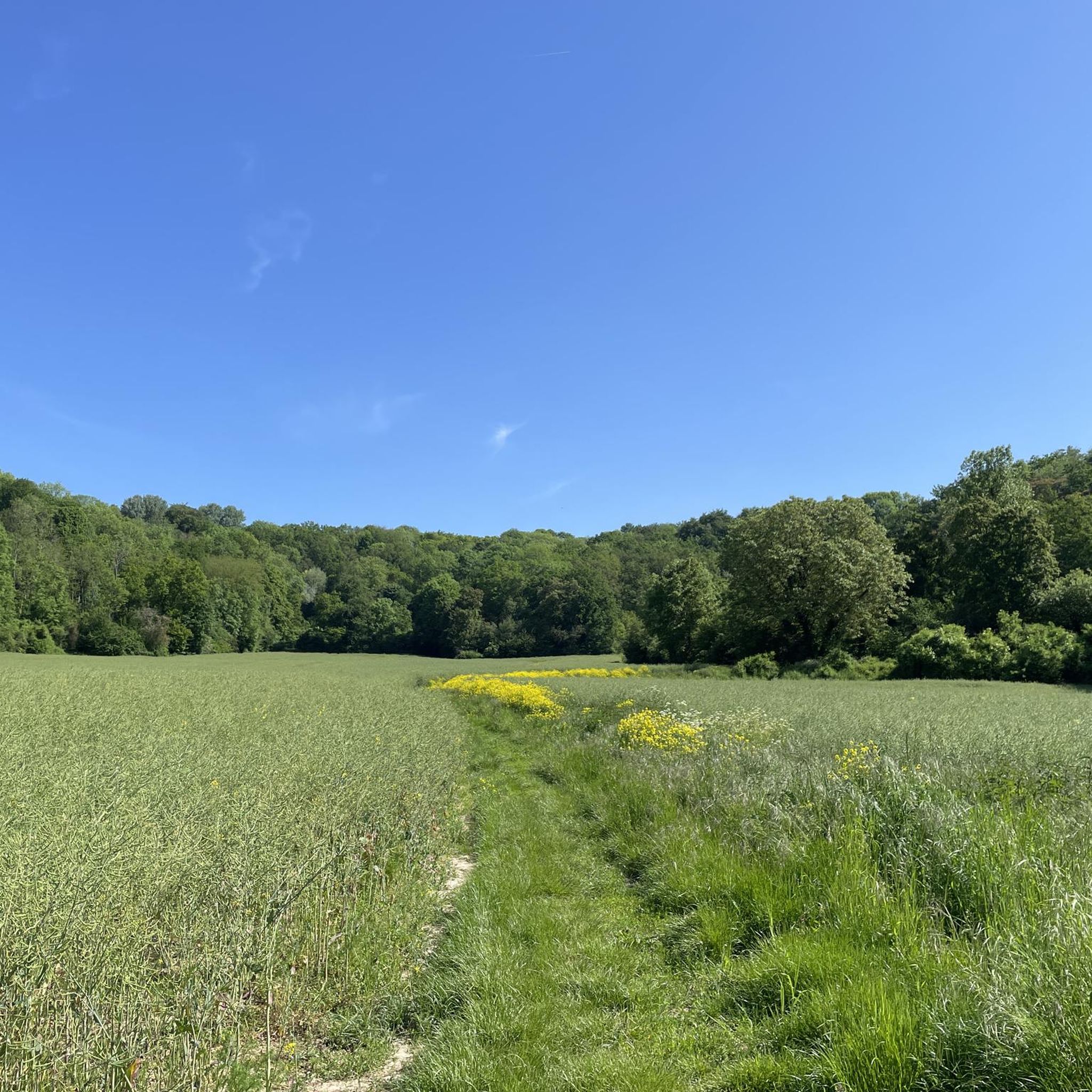
Touring cycling around Barenton-Sur-Serre offers routes through rolling hills, agricultural fields, and sparse woods in the Aisne department of Hauts-de-France. The terrain features a mix of paved and unpaved paths, suitable for various cycling preferences. The river La Souche flows through the commune, contributing to the scenic landscape. This area provides varied routes for cyclists, including challenging hills and picturesque village explorations.
Best touring cycling routes around Barenton-Sur-Serre
- The most popular touring cycling route is Familistère of Guise – Canal…
Last updated: May 18, 2026
4.8
(4)
43
riders
129km
08:01
730m
730m
Hard bike ride. Very good fitness required. Mostly paved surfaces. Suitable for all skill levels.
5.0
(1)
6
riders
46.0km
02:38
180m
180m
Moderate bike ride. Good fitness required. Mostly paved surfaces. Suitable for all skill levels.

Sign up for free
3.8
(4)
5
riders
29.5km
01:48
120m
120m
Easy bike ride. Great for any fitness level. Mostly paved surfaces. Suitable for all skill levels.
7
riders
34.3km
02:24
170m
170m
Moderate bike ride. Good fitness required. Mostly paved surfaces. Suitable for all skill levels.
5.0
(2)
7
riders
58.9km
03:29
360m
360m
Moderate bike ride. Good fitness required. Mostly paved surfaces. Suitable for all skill levels.
Get access to more routes and recommendations from other explorers.
Sign up for free
Already have an account?
Our route recommendations are based on thousands of hikes, rides, and runs completed by other people on komoot.
Start today with a free account
Your next adventure awaits.
Login or Signup


Tips from the Community

The charming Romanesque chapel of the Templars is located in the museum park. The Order of the Temple was founded in 1128 and the bishop of Laon favored their installation in the city on land belonging to the king of France, located south of the canons' enclosure. The Saint-Jean-Baptiste chapel was erected around 1140: the octagon and the choir are the oldest parts; the porch was added a few decades later.
0
0


The church of Saint-Jean-Baptiste is listed as a historical monument: nave from the twelfth century, square tower of the crossing from the thirteenth century, traces of fortifications on the walls of the transept and on the bell tower from the fifteenth century. The rose window was influenced by that of the cathedral Notre-Dame de Laon.
8
0
Vorges is a small village located approximately 6 km south of Laon, in the Hauts-de-France region. The village has a rich history dating back to Roman times, when it was part of the territory of the Rèmois, a Gallic tribe. In the 5th century, the Germanic and Frankish people settled in the area, which led to the further development of the village. During the early Middle Ages, under the rule of Clovis and the influence of Bishop Saint Rémy, Christian influence began to grow in Vorges. Archaeological excavations have uncovered Merovingian tombs, which contain some of the first Christian cemeteries in the region. In the 12th century, Vorges was mentioned in several historical documents and had a thriving wine-growing sector with 512 vineyards owned by various abbeys. The village also has a fortified church, built between 1180 and 1230, which was reinforced during the Hundred Years' War to withstand attacks from the English and Burgundians.
8
0
The Porte d’Ardon is one of the medieval city gates of Laon. The current structure dates from the 13th and 14th centuries. Originally, this gate was called “Porte Royée” because of its proximity to the royal palace of Laon. The gate consists of a châtelet with a portcullis and used to have doors. There was also a barbican, but this has now disappeared. Under the gate there was a fountain and wash houses, some of which still exist. The Porte d’Ardon was classified as a historical monument in 1909.
9
0
When you enter, take note of the well-preserved death statue of Guillaume de Harcigny (14th century). This healer learned his trade from Arab doctors in Syria. He was the personal physician of Charles VI and a psychoanalyst avant la lettre. The commandery of the Order of the Temple dates from the 12th century, housed the administration and served as a recruitment centre for monks-knights. After the order was abolished, the commandery came into the hands of the Hospitallers of Jerusalem. The cemetery of the Templars is now a garden. The Romanesque chapel with its bell tower and a choir that ends in an apse with a semi-dome are well preserved. Inside, you can see two statues of prophets from the facade of the cathedral.
9
0
The Palais de Justice in Laon, also known as the former Bishop's Palace, is a historic building that now serves as a courthouse. It is located on Place Aubry, next to Laon Cathedral. The building has a rich history dating back to the 6th century, when it was originally built as a bishop's palace. Over the centuries, it has undergone several renovations and extensions, particularly after being damaged during the fiscal revolt of 1112.
10
0
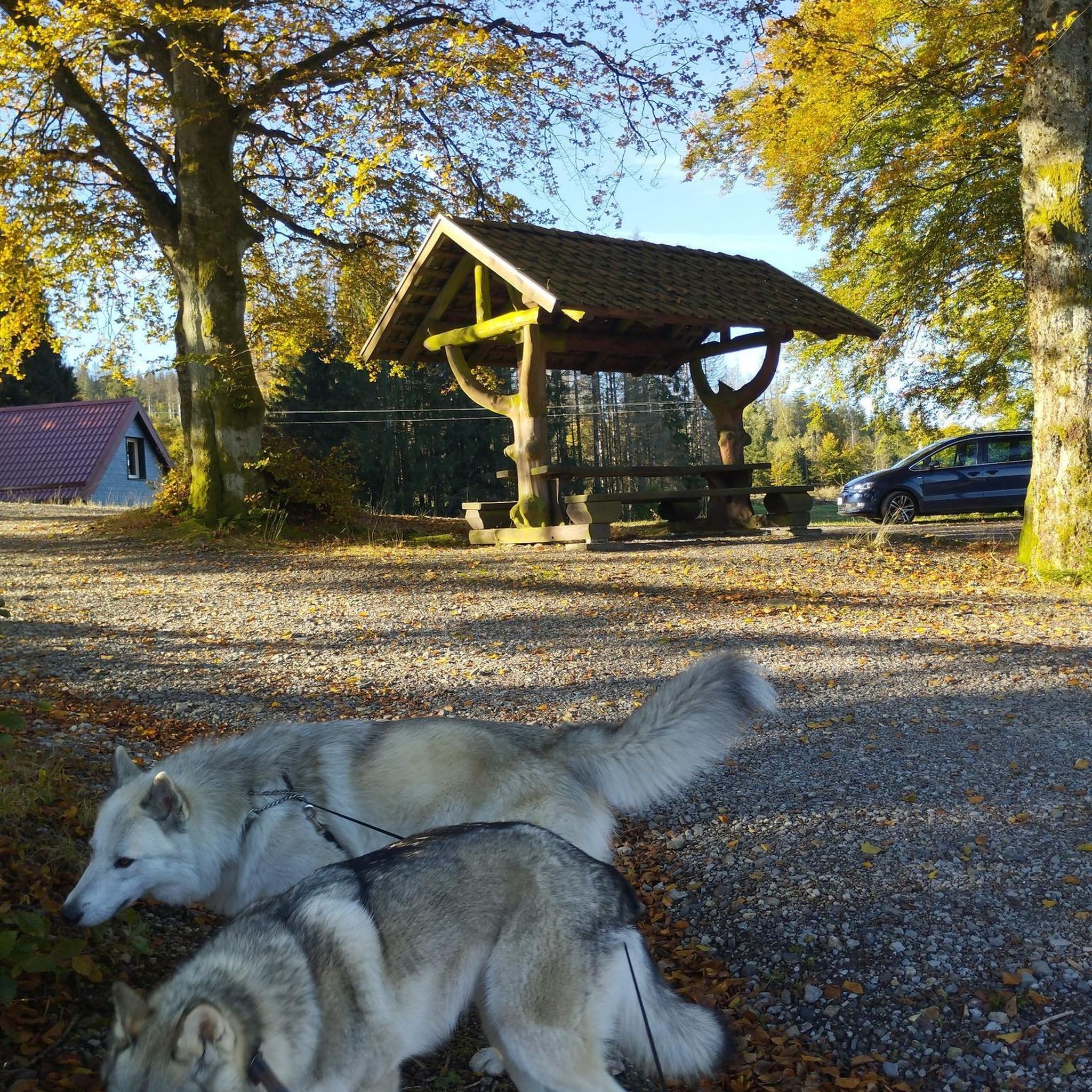
Viewpoint with bench and binoculars overlooking the vast surroundings.
10
0
Frequently Asked Questions
How many touring cycling routes are available around Barenton-Sur-Serre?
There are over 20 touring cycling routes around Barenton-Sur-Serre, offering a variety of experiences for different skill levels.
What kind of terrain can I expect when cycling in Barenton-Sur-Serre?
The terrain around Barenton-Sur-Serre features a mix of rolling hills, expansive agricultural fields, and peaceful sparse woods. You'll find both paved and unpaved paths, with some routes offering varied, 'tough hills' for a more challenging ride.
Are there any easy touring cycling routes suitable for beginners or families?
Yes, there are several easy routes. For a gentle ride through the local countryside, consider the Fortified Farm – Church of Aulnoy-sous-Laon loop from Aulnois-sous-Laon, which is about 29.5 km long. Another easy option is the Pierrepont Village loop from Pierrepont, covering approximately 21.9 km.
What are some longer or more challenging touring cycling routes in the area?
For a more challenging experience, the Familistère of Guise – Canal cycling route loop from Voyenne is a difficult 129.5 km trail with significant elevation gain, taking around 8 hours to complete. This route offers varied landscapes and a substantial workout.
What natural features or landmarks can I see along the touring cycling routes?
Many routes will take you through picturesque agricultural fields and sparse woods, often alongside the scenic La Souche river. While Barenton-sur-Serre itself is small, you can explore nearby natural reserves like the Réserve naturelle du marais de Vesles-et-Caumont or the Réserve naturelle des Landes de Versigny, which offer opportunities for nature observation.
Are there any circular touring cycling routes available?
Yes, many routes are designed as loops. Examples include the Bike loop from Pouilly-sur-Serre, which is a moderate 24.7 km ride through agricultural fields and villages, and the Organ of Notre-Dame de Liesse – The village of Pierrepont loop from Liesse-Notre-Dame, a moderate 42.8 km route.
What is the best time of year for touring cycling in Barenton-Sur-Serre?
The region is generally pleasant for cycling from spring through autumn. Spring offers blooming landscapes, while summer provides warm weather for longer rides. Autumn brings beautiful foliage and cooler temperatures, ideal for touring. Always check local weather forecasts before heading out.
Are there any regional cycling networks or greenways accessible from Barenton-Sur-Serre?
The Aisne department, where Barenton-sur-Serre is located, is part of the Hauts-de-France region, which promotes cycling tourism. You can find regional greenways like the "Axe Vert de la Thiérache" and the "Voie Verte de l'Ailette" in the department, which are excellent for family-friendly, car-free cycling.
What do other touring cyclists say about the routes in Barenton-Sur-Serre?
The routes in Barenton-Sur-Serre are highly rated by the komoot community, with an average score of 4.6 stars from more than 10 reviews. Cyclists often praise the varied terrain, from rolling hills to peaceful agricultural scenery, and the options available for different ability levels.
Can I find places to eat or stay near the cycling routes?
While Barenton-sur-Serre is a small commune, the broader Hauts-de-France region has an "Accueil Vélo" national certification, indicating cyclist-friendly accommodations and services along established routes. You may find cafes, restaurants, and gîtes in nearby villages and towns like Laon (13 km away) or Saint-Quentin (34 km away).
Are there any cultural attractions or towns of interest nearby for a break from cycling?
Yes, nearby towns of art and history like Laon (13 km away) and Saint-Quentin (34 km away) offer cultural diversions. You can also visit picturesque gardens such as the Jardin de Bosmont-sur-Serre (15 km) or the Jardins du château (21 km), which are within reasonable cycling distance.
Is it possible to combine cycling with hiking in the Barenton-Sur-Serre area?
Absolutely. There are at least 30 marked hiking trails around Barenton-Sur-Serre, covering over 300 kilometers. These trails often incorporate local heritage sites and natural reserves, providing opportunities to explore the local terroir on foot or by bike.

Get inspired with the komoot mobile app


Explore more
Browse the best Cycling routes in other regions.
