The best walks and hikes around Fontvieille
4.4
(267)
1,452
hikers
76
hikes
Hiking around Fontvieille, located in the Bouches-du-Rhône department of Provence, offers a network of trails through a landscape characterized by rolling hills, olive groves, and historic mills. The terrain generally features gentle elevation changes, making it accessible for various fitness levels. This region provides a blend of natural scenery and cultural landmarks, with paths often winding through agricultural areas and past historical structures.
Best hiking trails around Fontvieille
- The most popular hiking route is Fontvieille – Montauban Castle loop from Fontvieille, a 6.4 miles (10.3 km) trail that takes 2 hours 46 minutes to complete. This moderate route explores the area around Montauban Castle.
- Another top favourite among local hikers is Ramet Mill – Daudet's Mill loop from Fontvieille, an easy 2.5 miles (4.1 km) path. This trail connects two historic mills, offering insights into the local heritage.
- Local hikers also love the Daudet's Mill – Ramet Mill loop from Fontvieille, a 2.3 miles (3.7 km) trail leading through the scenic countryside, often completed in about 1 hour 1 minute.
- Hiking around Fontvieille is defined by historic mills, gentle hills, and olive groves. The network offers options for easy, moderate, and challenging routes, catering to different ability levels.
- The routes in Fontvieille are highly rated by the komoot community with an average score of 4.5 stars from more than 200 reviews. More than 1200 hikers have used komoot to explore Fontvieille's varied terrain.
Last updated: September 28, 2026
4.6
(48)
201
hikers
10.3km
02:46
140m
140m
Moderate hike. Good fitness required. Easily-accessible paths. Suitable for all skill levels.
4.4
(18)
126
hikers
4.21km
01:09
60m
60m
Easy hike. Great for any fitness level. Easily-accessible paths. Suitable for all skill levels.

4.5
(6)
78
hikers
3.29km
00:54
50m
50m
Easy hike. Great for any fitness level. Easily-accessible paths. Suitable for all skill levels.
4.6
(9)
54
hikers
7.92km
02:09
110m
110m
Moderate hike. Good fitness required. Easily-accessible paths. Suitable for all skill levels.
4.6
(11)
33
hikers
10.0km
02:43
140m
140m
Moderate hike. Good fitness required. Easily-accessible paths. Suitable for all skill levels.
Get access to more routes and recommendations from other explorers.
Already have an account?
Our route recommendations are based on thousands of hikes, rides, and runs completed by other people on komoot.
Start today with a free account
Your next adventure awaits.


Tips from the Community

Impossible to get to the viewpoint. Everything is locked.
0
0

This windmill is often nicknamed "Fallen Mill" because it was the first to lose its roof and blades. It is the westernmost windmill and remains the oldest, as evidenced by a notarial deed from 1791 certifying its existence in operation. It was first restored in 1958, before becoming a panoramic viewpoint in 2015.
0
0


For 30 years, Alphonse Daudet repeated visits to Fontvieille where he came to recharge his batteries. This beautiful mill from 1814 undoubtedly inspired the famous author of Letters from my mill. Since 1935, an association has even held a museum dedicated to the writer inside.
2
0

beautiful motorhome parking space for 10 euros per night
0
0


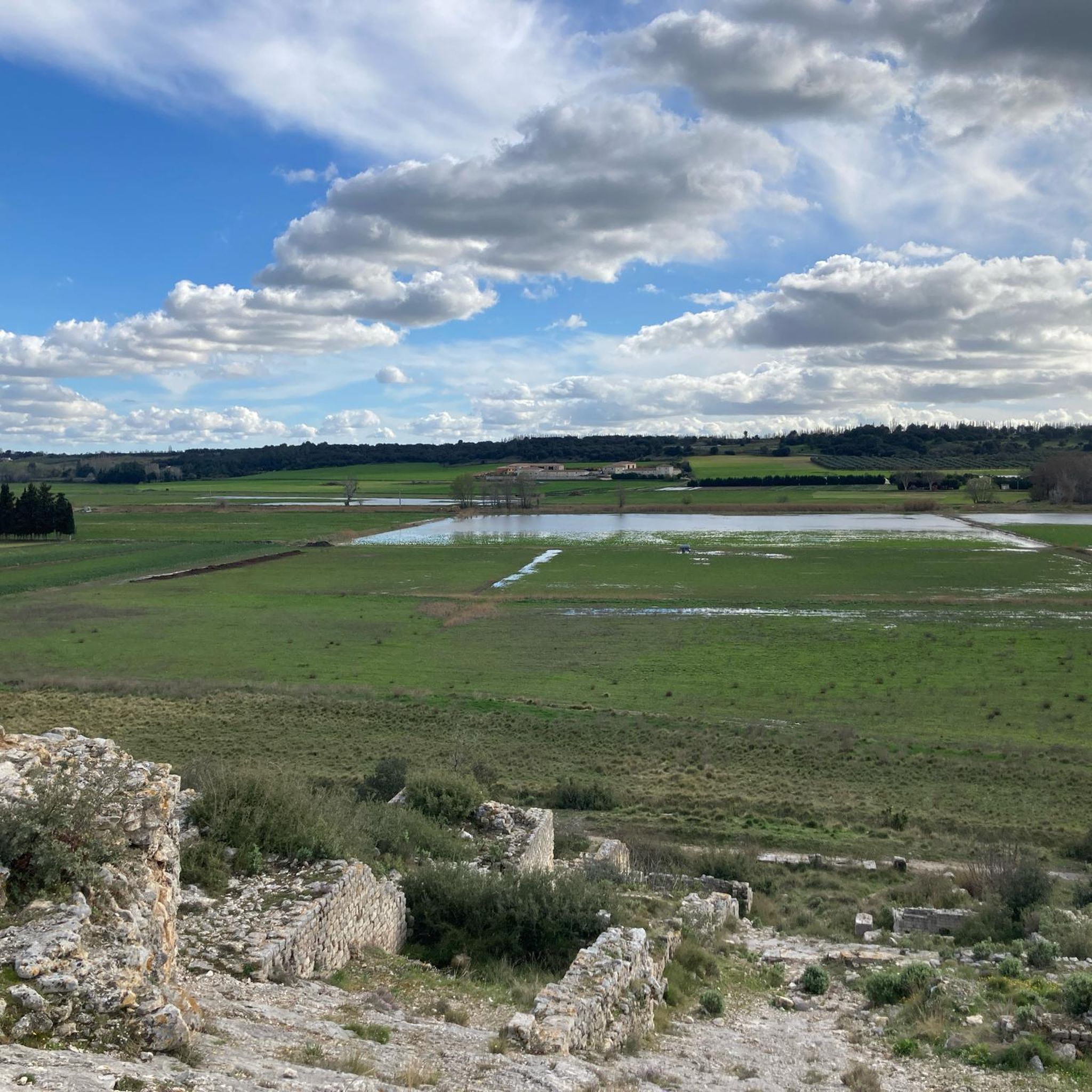
Nice walk along the impressive ruins until a rocky cut offers a magnificent view of the plain
2
0

There are five fully preserved mills in the forest. We only visited one by bike on this tour. A detour and a short hike are definitely worth it. Of course you can also ride from mill to mill on a mountain bike.
3
0
Frequently Asked Questions
What is the general terrain like for hiking around Fontvieille?
The terrain around Fontvieille is characterized by rolling hills, olive groves, and historic mills. You'll find paths winding through agricultural areas and past historical structures, generally featuring gentle elevation changes that make it accessible for various fitness levels.
How many hiking trails are available in Fontvieille?
There are nearly 80 hiking routes around Fontvieille listed on komoot. These include a good mix of easy, moderate, and a few more challenging options to suit different preferences and abilities.
Are there any easy hiking trails suitable for beginners in Fontvieille?
Yes, Fontvieille offers many easy trails. For instance, the Ramet Mill – Daudet's Mill loop from Fontvieille is an easy 2.5-mile (4.1 km) path that connects two historic mills, perfect for a relaxed walk.
What kind of historical landmarks or attractions can I see while hiking in Fontvieille?
Hiking in Fontvieille often leads you past significant historical sites. You can explore areas near Montauban Castle or discover the famous Daudet's Mill. The region is rich in heritage, with paths frequently connecting these cultural landmarks.
Are there any circular hiking routes in Fontvieille?
Yes, many routes around Fontvieille are circular, offering convenient starting and ending points. A popular moderate option is the Fontvieille – Montauban Castle loop from Fontvieille, which is 6.4 miles (10.3 km) long.
What is the best time of year to go hiking in Fontvieille?
The best time to hike in Fontvieille is typically during spring (April-May) and autumn (September-October) when the weather is mild and pleasant. Summers can be very hot, making early mornings or late afternoons preferable if hiking during that season. Winters are generally mild but can be damp.
Are the hiking trails in Fontvieille suitable for families with children?
Yes, many trails in Fontvieille are suitable for families. The gentle elevation changes and shorter, easy routes make them accessible for children. The Daudet's Mill – Ramet Mill loop from Fontvieille, for example, is a relatively short and easy walk that can be enjoyed by families.
What do other hikers enjoy most about hiking in Fontvieille?
The hiking routes in Fontvieille are highly rated by the komoot community, with an average score of 4.5 stars from over 200 reviews. Hikers often praise the blend of natural scenery, the historic mills, and the well-maintained paths that offer a peaceful experience through olive groves and countryside.
Are there any longer, more challenging hikes around Fontvieille?
While most trails are easy to moderate, there are longer options for those seeking more challenge. For example, the Tissot Mill – Daudet's Mill loop from Fontvieille is a moderate 8.2-mile (13.3 km) route that offers a longer exploration of the area's mills and countryside.
What kind of views or natural features can I expect to see on the trails?
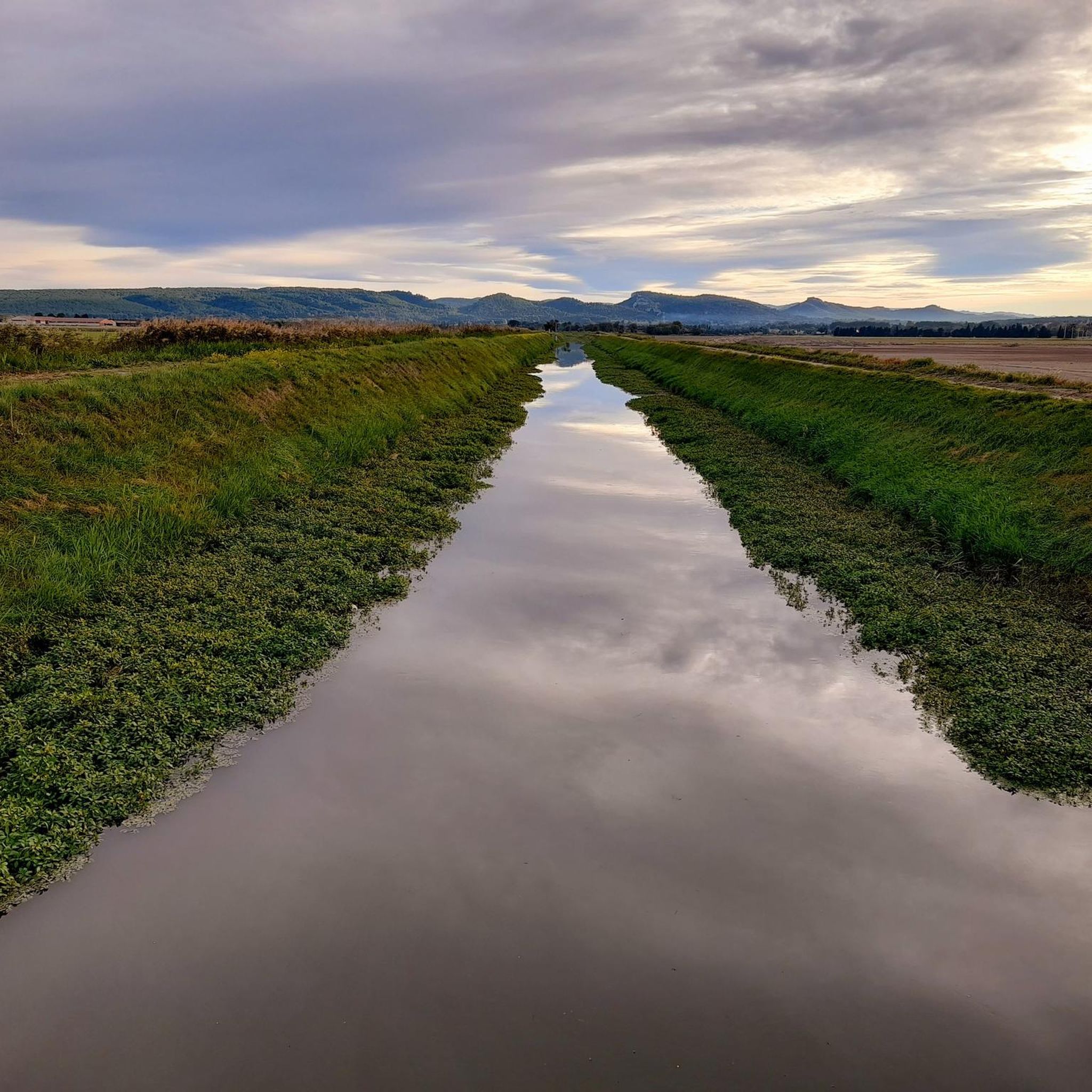
Hikers can expect picturesque views of the Provençal countryside, including olive groves and vineyards. Some trails offer glimpses of distant settlements like Les Baux-de-Provence, and you'll encounter the iconic historic mills that dot the landscape.
Is parking available at the trailheads in Fontvieille?
Parking is generally available in and around Fontvieille, particularly near popular starting points for trails. It's advisable to check local signage for specific parking regulations and availability, especially during peak seasons.
Can I find places to eat or drink near the hiking trails in Fontvieille?
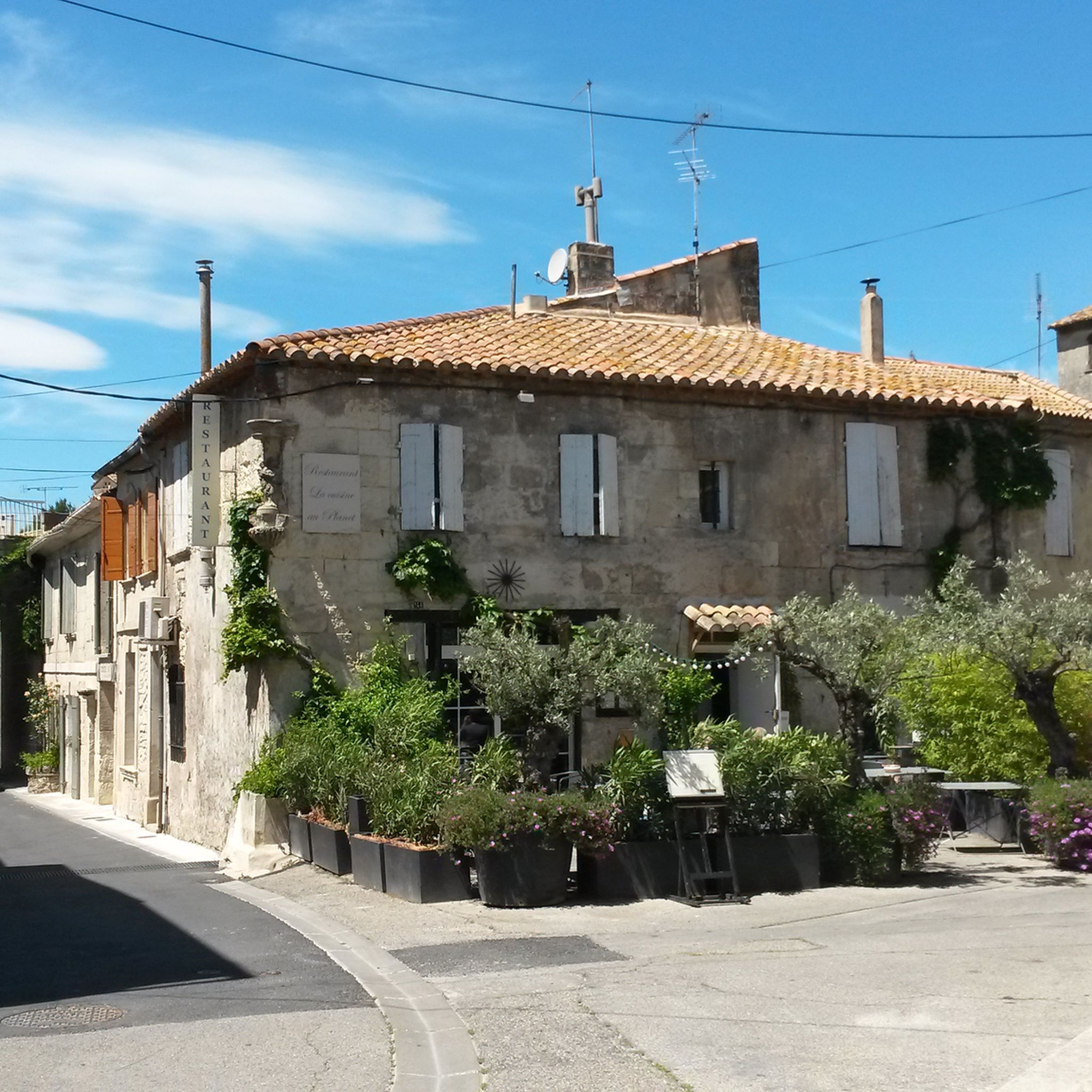
Fontvieille itself is a charming village with various cafes and restaurants where you can refuel before or after your hike. Many trails start or pass close to the village center, making it convenient to find refreshments.
Most popular routes around Fontvieille
Most popular attractions around Fontvieille

Get inspired with the komoot mobile app


Explore more
Browse the best Hikes in other regions.
