Attractions and Places To See around Saint-André-De-Cruzières - Top 20
Best attractions and places to see around Saint-André-De-Cruzières. This village in the Ardèche department of France offers a blend of historical landmarks and natural beauty. The area features prehistoric remains like dolmens and capitelles, alongside significant natural features such as gorges and cave systems. It provides access to the wider Auvergne-Rhône-Alpes region.
Best attractions and places to see around Saint-André-De-Cruzières
- The most popular attractions is Gorges du Chassezac, a gorge that is classified as a sensitive area and Natura…
Last updated: May 9, 2026
Labyrinth of Rocks of the Cévennes
Highlight • Natural Monument
Translated by Google •
Tip by

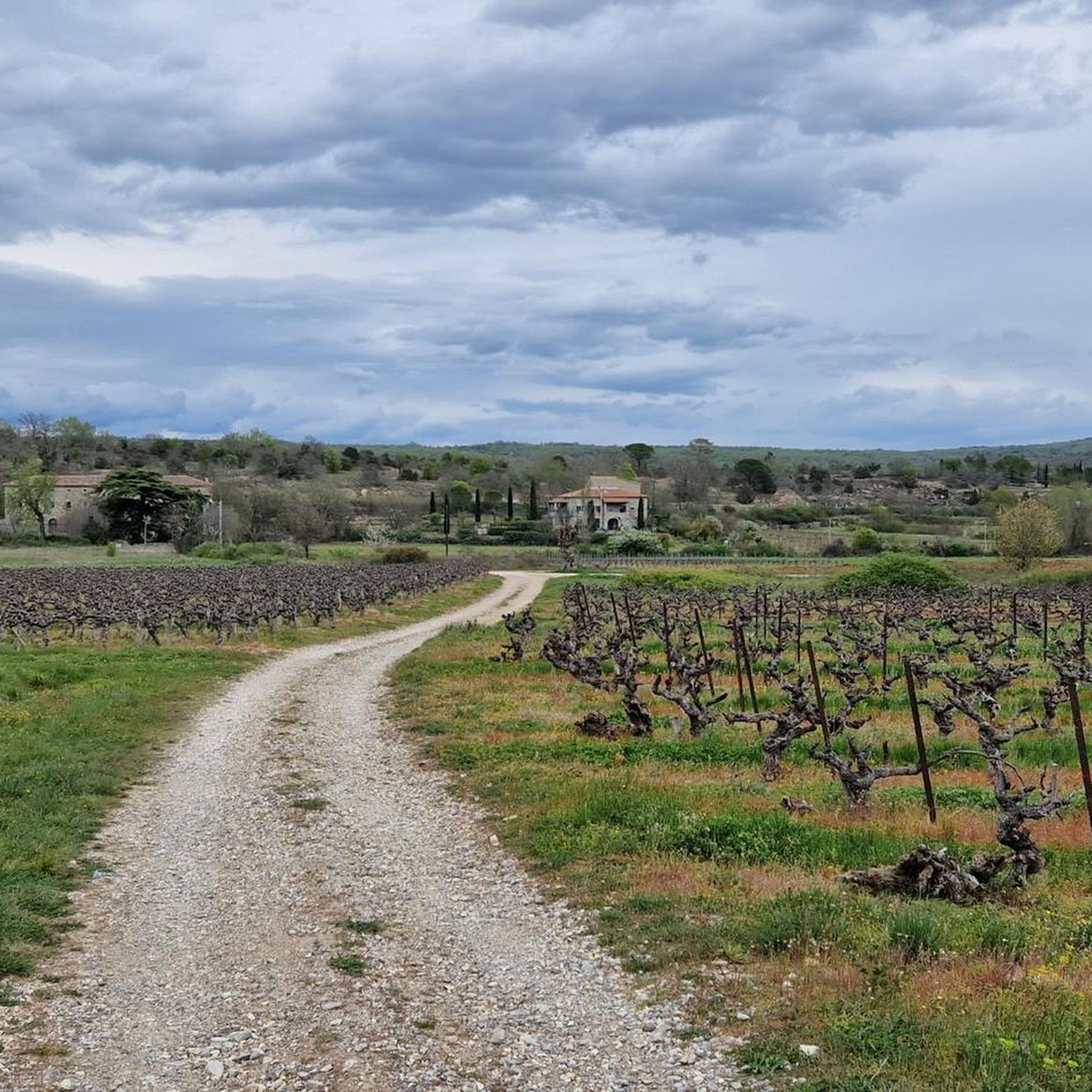
Via Ardèche Greenway: Grospierres to Ruoms
Highlight (Segment) • Cycleway
Translated by Google •
Tip by

Sign up now to discover places like this
Get recommendations on the best single tracks, peaks, & plenty of other exciting outdoor places.
Sign up for free
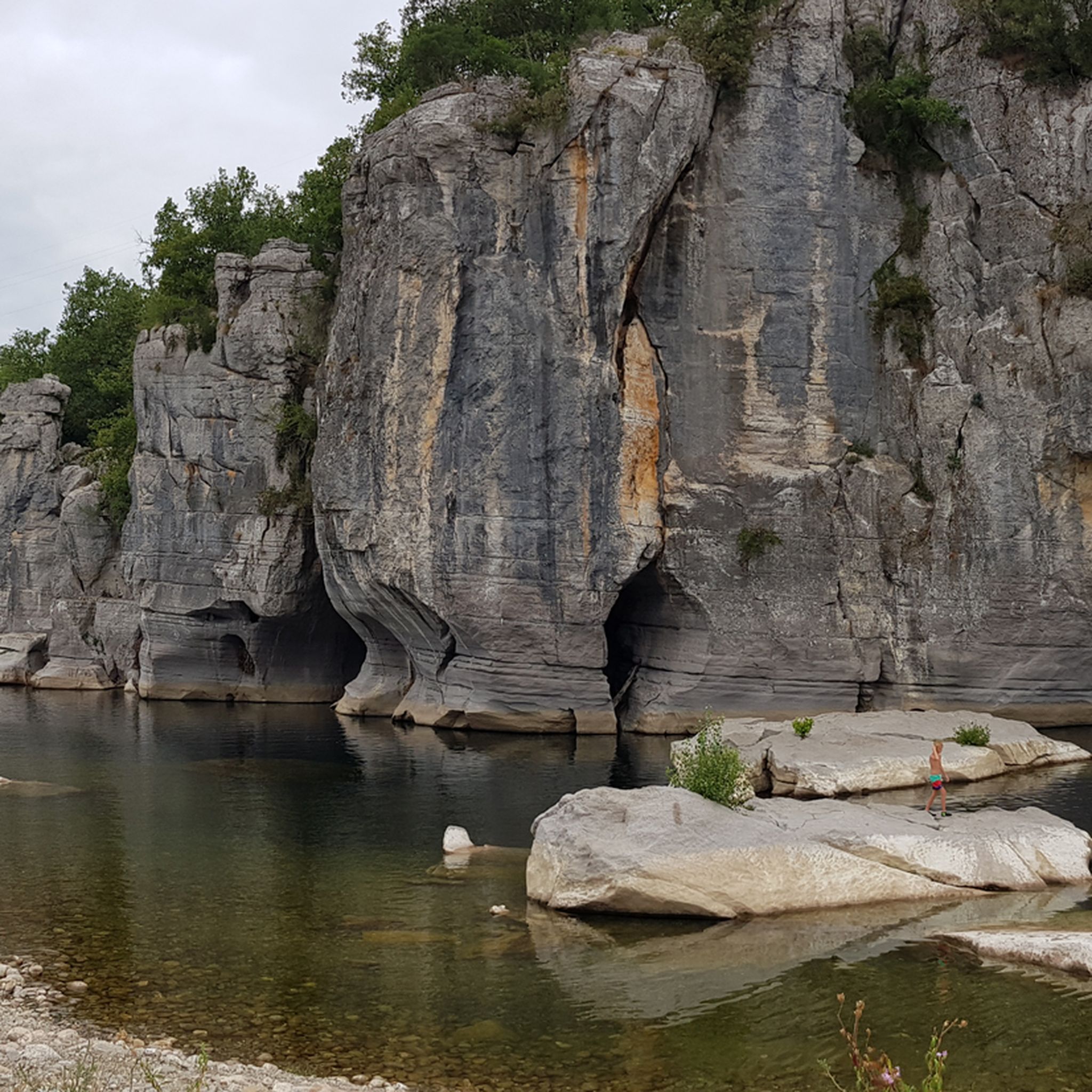
Swimming Spot at the Chassezac Cliffs
Highlight • Beach
Translated by Google •
Tip by

Gorges du Chassezac
Highlight • Gorge
Translated by Google •
Tip by

Font Vive
Highlight • Lake
Translated by Google •
Tip by

Sign up for free to discover even more attractions around Saint-André-De-Cruzières.
Sign up for free
Already have an account?
Start today with a free account
Your next adventure awaits.
Login or Signup
Popular around Saint-André-De-Cruzières
Tips from the Community

What a magnificent haven of peace! Let's remind those who are disrespectful that swimming and—by association—dipping your feet is FORBIDDEN. The site's flora and fauna are very fragile.
2
5

The Via Ardeche railway cycle path is a nice idea in itself, but unfortunately, the perfect surface (asphalt) is only present in the tunnel sections. The rest is rough concrete, gravel, and even worse.
0
0

Nice varied walk, with beautiful views
1
0

The Chassezac gorges offer magnificent panoramas when you travel through their heights. The proof is this viewpoint located at the level of the Gleysasse cave.
2
0

A beautiful swimming spot where you can go by paddle boat. Afterwards you can take a break on the rocks and even jump in.
1
0

Avoid Saturdays and Sundays when the weather is nice, too many unruly pedestrians.
0
0


These "Voies verte" also allow the less-trained climber to cycle pleasantly through the Ardèche.
0
1
Frequently Asked Questions
What natural features can I explore near Saint-André-De-Cruzières?
The region is rich in natural beauty. You can visit the impressive Gorges du Chassezac, classified as a sensitive area and Natura 2000, known for its protected landscapes and diverse wildlife. Another highlight is Font Vive, a natural spring and lake with clear, cold water. The unique rock formations of the Labyrinth of Rocks of the Cévennes also offer a distinctive rocky landscape for exploration.
Are there any significant prehistoric or historical sites to visit?
Yes, the area around Saint-André-de-Cruzières is rich in history. You can find approximately sixty dolmens, ancient megalithic tombs from the 3rd and 2nd millennia BC, with the Dolmen de La Croix being a well-preserved example. The village itself features the 12th-century Church of Saint-André with its Romanesque portal, and the ruins of the Castle of Castelas. You can also see Capitelles, dry-stone shelters used by shepherds between the 16th and 19th centuries.
Where can I go for swimming or water activities?
For refreshing water activities, Font Vive is a magical spot known for its clear, cold water. Another excellent option is the Swimming Spot at the Chassezac Cliffs, a beautiful pebble beach ideal for a bathing break. The Gorges du Chassezac also offer opportunities for water-based recreation amidst stunning scenery.
What cycling opportunities are available in the area?
Cyclists can enjoy the Via Ardèche, a railway cycle path that offers scenic excursions. For more specific routes, you can explore the various options for gravel biking and road cycling around Saint-André-De-Cruzières, with routes ranging from moderate to difficult.
Are there good hiking or running trails near Saint-André-De-Cruzières?
Absolutely. The region offers a variety of trails for hikers and runners. The Labyrinth of Rocks of the Cévennes can be integrated into a circular hike, offering unique passages over rocks. You can find numerous running trails, including loops from Saint-André-de-Cruzières itself, and routes like 'The Corniche – View of the Chassezac Valley'.
Are there family-friendly attractions around Saint-André-De-Cruzières?
Many attractions are suitable for families. The Labyrinth of Rocks of the Cévennes is described as exciting for smaller children, with its unique rock formations. Exploring the various caves like Grotte de la Cocalière or Aven d'Orgnac can also be a thrilling experience for all ages. Additionally, swimming spots like Swimming Spot at the Chassezac Cliffs offer safe and enjoyable water play.
What do visitors particularly enjoy about the attractions here?
Visitors frequently praise the natural beauty and unique geological formations. For instance, the Labyrinth of Rocks of the Cévennes is loved for its 'beautiful passages over stick and stone' and its appeal to climbers and boulderers. Font Vive is cherished for its 'magical place, where the water is clear and fresh'. The Gorges du Chassezac are admired for their stunning views and diverse wildlife, including golden eagles.
Can I explore caves near Saint-André-De-Cruzières?
Yes, the region is famous for its impressive cave systems. Just 5 km away is the Grotte de la Cocalière, known for its splendid concretions. The grand Aven d'Orgnac, about 16 km distant, is a major natural site that also includes a prehistoric city. Further afield, the UNESCO World Heritage site of Grotte Chauvet-Pont d'Arc (Caverne du Pont d'Arc) houses the oldest known prehistoric cave paintings, and Grotte de Saint-Marcel is another significant system.
What kind of wildlife can I expect to see in the natural reserves?
The natural reserves, particularly the Gorges du Chassezac and the Réserve Naturelle Nationale des Gorges de l'Ardèche, are havens for wildlife. In the Chassezac gorges, classified as a sensitive area, you might spot animals such as the beaver, genet, bat, Ocellé lizard, and peregrine falcon. Visitors have also reported seeing golden eagles in the gorges.
What are some charming villages to visit nearby?
The area around Saint-André-de-Cruzières is dotted with several 'Villages of Character' known for their historical architecture and beauty. These include Joyeuse, Lussan, Goudargues, Balazuc, Aigueze, La Roque-sur-Ceze, Vogue, Labeaume, Montclus, Banne, Barjac, and Les Vans. Many of these host regular markets offering local produce and crafts.
What is the best time of year to visit Saint-André-De-Cruzières for outdoor activities?
The spring and autumn months generally offer the most pleasant weather for outdoor activities, with milder temperatures ideal for hiking, cycling, and exploring the natural sites. Summer can be quite warm, making water activities in places like Font Vive or the Swimming Spot at the Chassezac Cliffs particularly appealing. Winter offers a quieter experience, though some attractions might have reduced hours.
Are there any unique rock formations or forests to explore?
Definitely. The Labyrinth of Rocks of the Cévennes is a natural monument featuring unique and distinctive rock formations, perfect for hiking and bouldering. Additionally, the Bois de Païolive, located about 8 km from the village, is known for its unique rock formations and diverse flora and fauna, often referred to as a 'wood of olives'.
Most popular routes around Saint-André-De-Cruzières
Most popular attractions around Saint-André-De-Cruzières

Get inspired with the komoot mobile app


Explore more
Still not found the Highlight you’re looking for? See guides of the top attractions in other regions:
