Attractions and Places To See around Roche-Saint-Secret-Béconne - Top 20
Best attractions and places to see around Roche-Saint-Secret-Béconne include a variety of historical monuments, natural landscapes, and cultural sites. This village, located in the Drôme Provençale region, is characterized by its surrounding lavender fields, orchards, and vineyards. The area offers opportunities to explore ancient villages, Romanesque architecture, and natural features like the Montagne de la Lance and the Lez Valley. It provides a diverse range of attractions for visitors interested in history, nature, and local culture.
Best attractions and places…
Last updated: July 19, 2026
Château de Grignan
Highlight • Castle
Translated by Google •
Tip by

Venterol Village Square and Raoul Taburin Film Location
Highlight • Settlement
Translated by Google •
Tip by

Sign up now to discover places like this
Get recommendations on the best single tracks, peaks, & plenty of other exciting outdoor places.
Sign up for free
Le Poët-Laval
Highlight • Historical Site
Translated by Google •
Tip by

Saint Peter and Saint Paul Church of Comps
Highlight • Religious Site
Translated by Google •
Tip by

Notre-Dame-de-Nazareth Church of Valréas
Highlight • Religious Site
The nave, transept, and …
Translated by Google •
Tip by

Sign up for free to discover even more attractions around Roche-Saint-Secret-Béconne.
Sign up for free
Already have an account?
Start today with a free account
Your next adventure awaits.
Login or Signup
Popular around Roche-Saint-Secret-Béconne
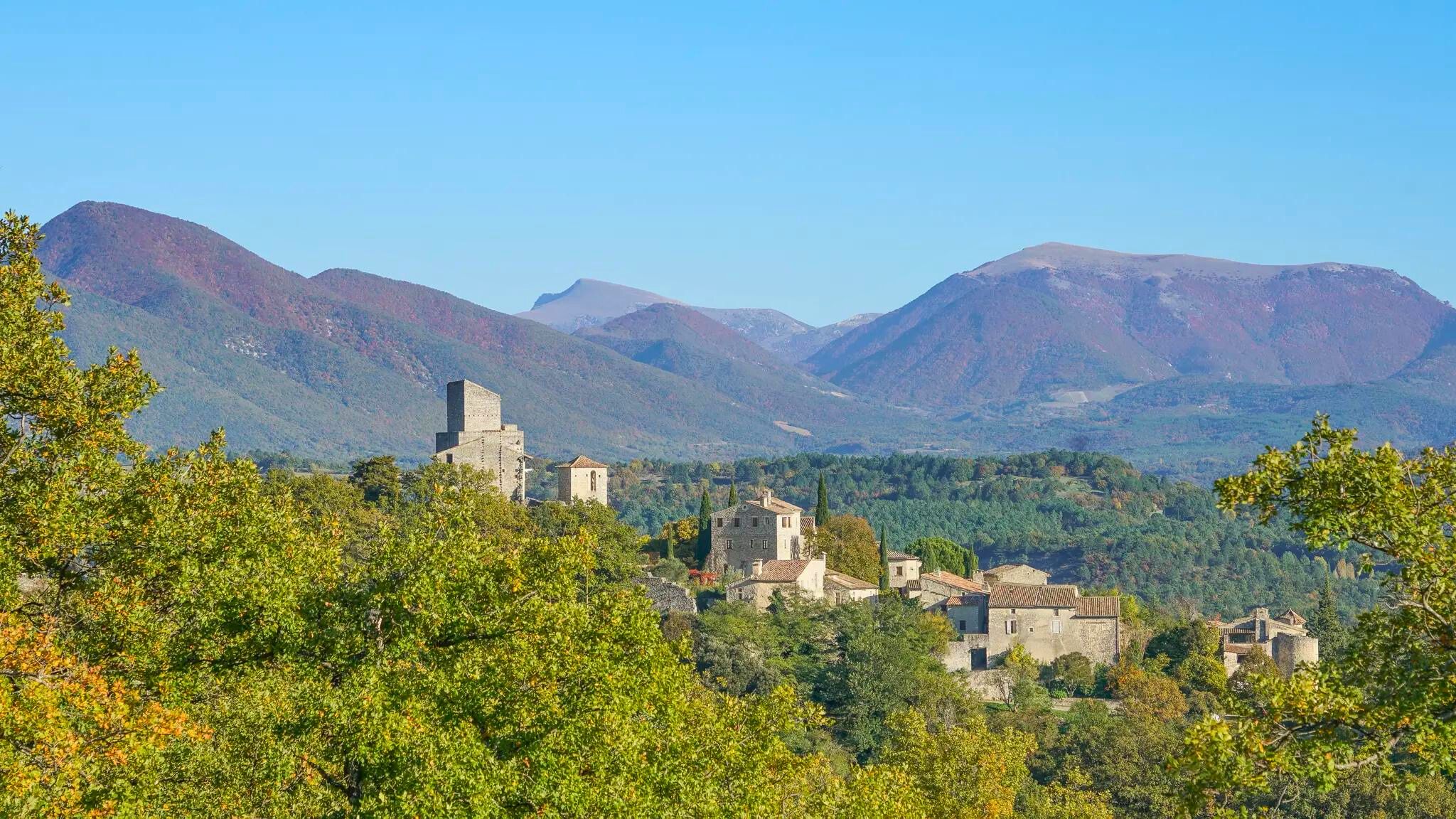
Hike between the Drôme and Ardèche – two days on the GR 429
Cycling around Roche-Saint-Secret-Béconne
MTB Trails around Roche-Saint-Secret-Béconne
Hiking around Roche-Saint-Secret-Béconne
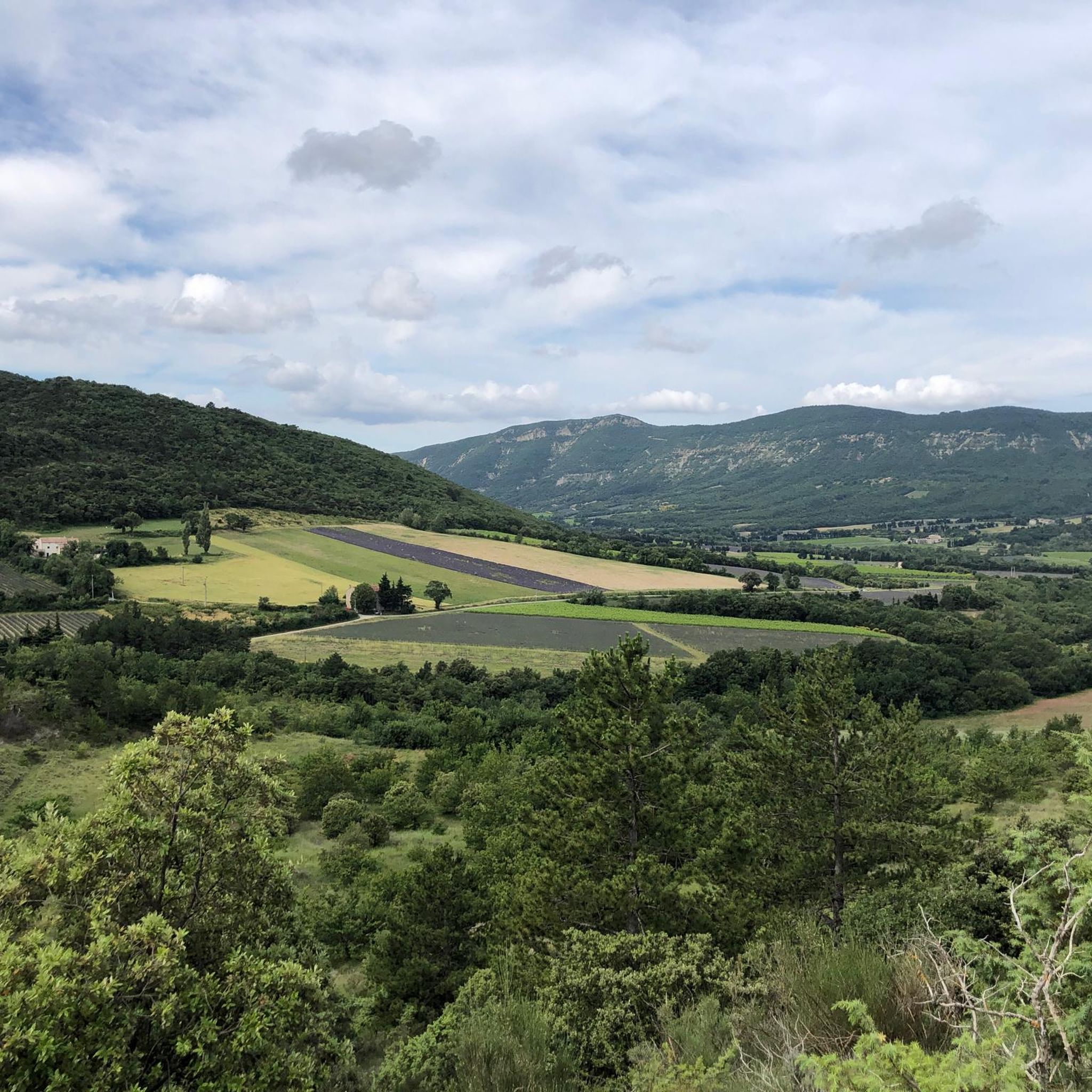
Road Cycling Routes around Roche-Saint-Secret-Béconne
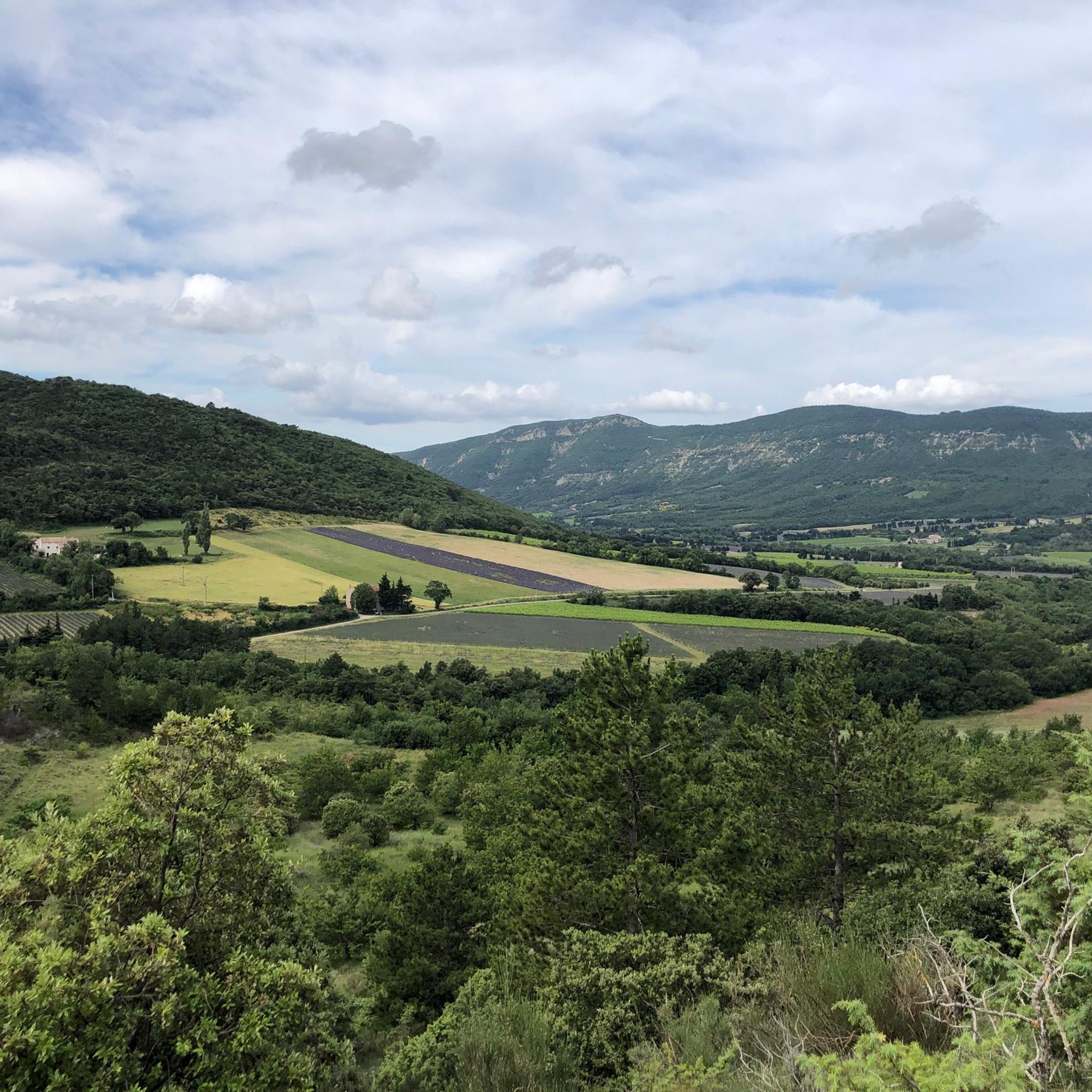
Running Trails around Roche-Saint-Secret-Béconne

Gravel biking around Roche-Saint-Secret-Béconne
Other adventures around Roche-Saint-Secret-Béconne

Tips from the Community

Magnificent 12th century church whose dark and massive interior is reminiscent of certain places of worship in Aubrac.
0
0

Beautiful and great location.
0
0

The church was erected following the establishment of a Benedictine priory in the 11th century. Enlarged and remodeled numerous times, it nevertheless retains a certain unity. The nave, transept, and apse date from the 12th century and are in the Romanesque style. The side aisles were added at the end of the 12th century. Later, in the 15th century, an additional bay of the nave was built. As for the side chapels, pierced with Gothic windows and supported by powerful buttresses, they were added in the 15th and 19th centuries. Listed as a Historic Monument since 1862, built of noble materials (ashlar), the building has the dual distinction of being roofed by stone slabs and having two bell towers: one is octagonal and notably pierced with ogival bays, the other is a bell tower-arcade type with three bell bays. The three bays of the exterior side portal are richly decorated with arches and capitals adorned with flowers, petals, and sculpted figurines. They present a balanced composition of small columns and semicircular arches. Architecturally, note the sculpted modillions of the cornices overlooking the chevet and transept, as well as the elaborate decoration of the "south" portal, where Gothic elements coexist with Romanesque ornamentation (bas-reliefs depicting figures and interlacing). The west portal is decorated with elegant columns from the 13th and 14th centuries. Inside, admirable coffers painted with rosettes adorn the ceiling, and a magnificent 16th-century organ case sits on an entire wall. This organ case, equipped with an Italianate case dating from 1506, was restored in the 18th century and in 1966, following its listing by the Fine Arts Museum. It has also been undergoing a new restoration since November 2007, which was completed in July 2009, the date of its new commissioning. Accompanied by background music, lighting in several stages, and a constantly renewed decor, the Valréas nativity scene, one of the most renowned in Provence, occupies the Notre Dame-de-Nazareth church from Christmas to Candlemas. Covering 57 m², beautiful and very old figurines (some of which are centuries old) make their way towards the Infant Jesus. The church and its Place Pie serve as the backdrop each year for the feast of the Night of Little Saint John on June 23.
1
0

Beautifully restored church, located directly on the hiking trail
3
1

Impressive restoration of the chateau after it's fairly comprehensive destruction on orders of the Revolution.
1
0

On a secondary road with practically no motorized traffic in a fantastic landscape. Venterol with its characteristic village square and bistro is worth a detour.
0
0


A visit to the château is highly recommended; beautiful castle in a beautiful location with a view of Mont Ventoux.
1
0
Frequently Asked Questions
What historical sites can I explore in Roche-Saint-Secret-Béconne?
The region is rich in history. You can visit the remnants of the 13th-century Old Village of Béconne, explore the Chapel Notre-Dame de Béconne, or see the 12th-century Chapel of La Roche-Saint-Secret. The Château d'Alençon, with its 15th-century fortified farm and 12th-century tower, is also a significant historical structure. Additionally, the Grottes Sarrazines offer a glimpse into prehistoric human presence.
Are there any notable castles or fortified villages to visit nearby?
Yes, the area features several impressive historical sites. The most popular is Château de Grignan, a magnificent castle that evolved from a medieval structure into a Renaissance palace. Another must-see is Le Poët-Laval, a beautiful hilltop village dominated by an imposing medieval keep, offering exceptional panoramic views.
What natural features and outdoor activities are available in the region?
Roche-Saint-Secret-Béconne is surrounded by natural beauty. You can hike up Montagne de la Lance for stunning views, explore the diverse landscapes of the Lez Valley, or wander through picturesque lavender fields, vineyards, and orchards. The Cedar Forest Trail is particularly noted for its breathtaking views and vibrant flora.
Are there family-friendly attractions or activities in Roche-Saint-Secret-Béconne?
Yes, the region offers several family-friendly options. The Cedar Forest Trail is suitable for families, providing beautiful views and flora. Additionally, Venterol Village Square and Raoul Taburin Film Location is a charming settlement with a pleasant atmosphere that families can enjoy exploring. The village also has a free-access tennis court equipped with basketball hoops.
What kind of hiking trails can I find around Roche-Saint-Secret-Béconne?
The area offers numerous hiking trails suitable for various preferences. You can explore trails through the Lance scrubland, around the Château de la Roche, or within holm oak forests, vineyards, and lavender fields. These trails provide magnificent views of the surrounding mountains. For more specific routes, you can check the hiking guide for Roche-Saint-Secret-Béconne.
Can I find cycling or mountain biking routes near the attractions?
Absolutely. The region is popular for cycling. For touring bicycle enthusiasts, routes like the 'Tour of Lance' are available. Mountain bikers can explore trails such as 'Dieulefit Historic Center – Dieulefit loop'. Road cyclists also have options like 'Col de Comps from Dieulefit'. You can find more details in the dedicated guides for Cycling, MTB Trails, and Road Cycling Routes around Roche-Saint-Secret-Béconne.
What is the best time to visit Roche-Saint-Secret-Béconne?
The summer months are particularly beautiful, especially if you wish to see the fragrant lavender fields in full bloom. The pleasant weather during this time is also ideal for outdoor activities like hiking and cycling.
Are there any religious buildings or churches of historical significance?
Yes, the area is home to several historic religious sites. These include the 14th-century Chapel Notre-Dame de Béconne, the 12th-century Chapel of La Roche-Saint-Secret, and the Roman St. Étienne Church, an example of Romanesque architecture. Further afield, you can visit Saint Peter and Saint Paul Church of Comps, a former Benedictine priory, or the impressive Notre-Dame-de-Nazareth Church of Valréas, known for its Romanesque and Gothic elements.
What local products and markets can I experience in the village?
Roche-Saint-Secret-Béconne is known for its agricultural products. You can immerse yourself in local culture by visiting the village market every Saturday, offering fresh local produce and crafts. The region is particularly famous for its wines, apricots, lavender, truffles, and honey. You might also find local pottery workshops, reflecting an artisanal tradition.
What do visitors enjoy most about the attractions around Roche-Saint-Secret-Béconne?
Visitors frequently praise the historical depth and scenic beauty. For instance, the Château de Grignan is admired for its impressive architecture and interior, with its gargoyles being a particular highlight. Le Poët-Laval is loved for its charming stone buildings, cobbled streets, and the exceptional panorama from its medieval keep. The pleasant atmosphere and recognition as a film location also make Venterol Village Square a popular spot.
Are there any archaeological sites in the area?
Yes, the region holds significant archaeological interest. The Grottes Sarrazines are vast rock shelters indicating prehistoric human presence. Additionally, the Rocher des Aures (Oppidum) is an Iron Age fortified settlement on the flank of the Lance mountain, with evidence of occupation spanning from proto-history through the Gallo-Roman period and the Middle Ages.
What is the industrial heritage of the Drôme region near Roche-Saint-Secret-Béconne?
The region has an interesting industrial past. You can visit the Former Hydroelectric Power Plant of Béconne, which showcases the area's history in silk, lime, and hydroelectric production, offering insight into the Drôme region's industrial heritage.
Most popular routes around Roche-Saint-Secret-Béconne
Most popular attractions around Roche-Saint-Secret-Béconne

Get inspired with the komoot mobile app


Explore more
Still not found the Highlight you’re looking for? See guides of the top attractions in other regions:
