The best cycling routes around Bourgogne
4.2
(380)
3,083
riders
176
rides
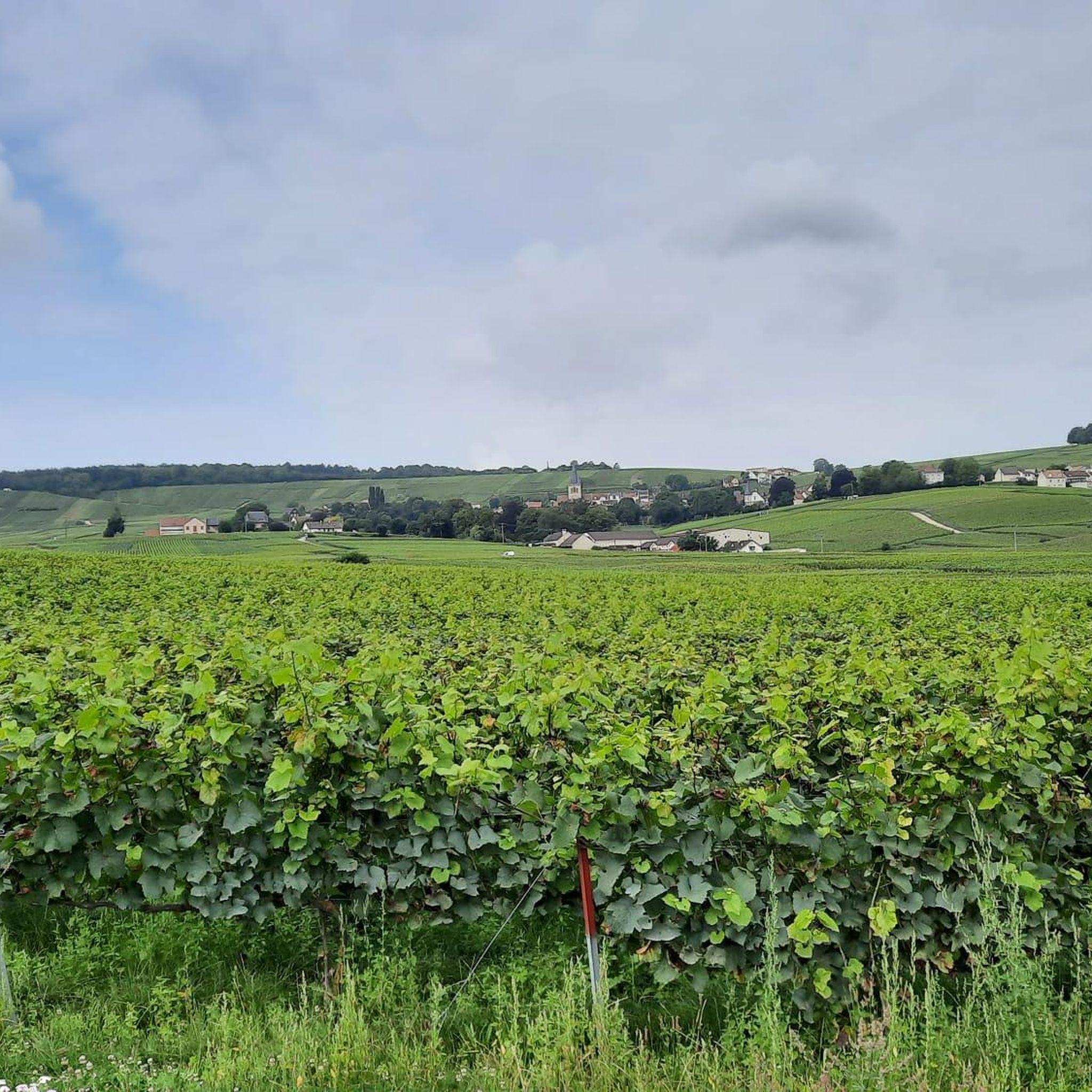
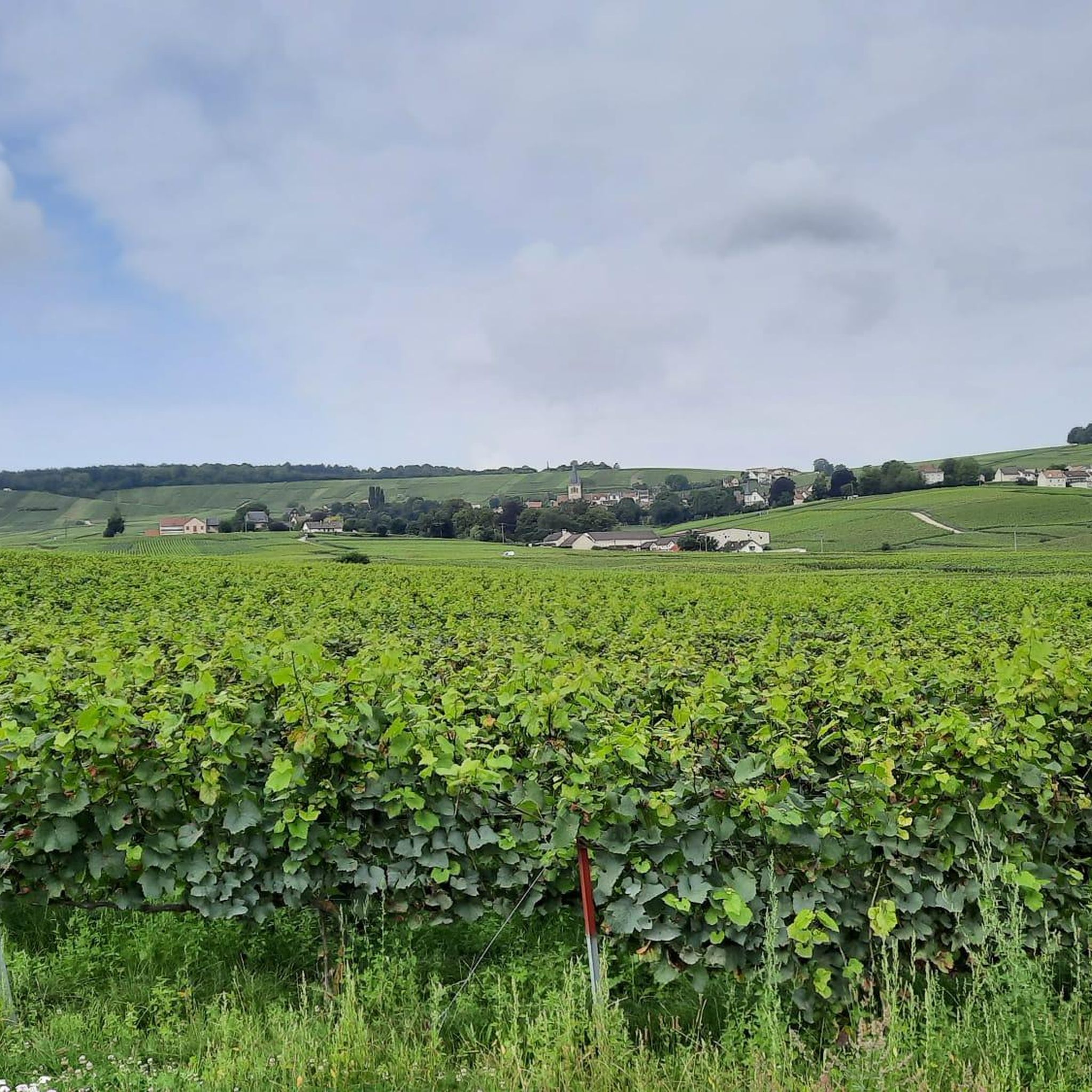
Touring cycling around Bourgogne offers diverse and picturesque landscapes, characterized by extensive vineyards, peaceful canals, and rolling hills. The region features over 800 kilometers of car-free cycle routes, inviting exploration through its varied terrain. Cyclists can navigate flat canal-side paths, undulating vineyard routes, and more challenging trails within the Morvan Mountains. This blend of natural features provides a range of experiences for different cycling preferences.
Best touring cycling routes around Bourgogne
- The most popular touring cycling route is Reims green…
Last updated: November 8, 2026
4.6
(10)
88
riders
35.7km
02:03
100m
100m
Moderate bike ride. Good fitness required. Mostly paved surfaces.
4.0
(4)
36
riders
27.4km
01:57
80m
80m
Easy bike ride. Mostly paved surfaces.

3.0
(1)
34
riders
44.9km
03:43
530m
530m
Hard bike ride. Very good fitness required. You may need to push your bike for some segments of this route.
4.3
(3)
25
riders
Easy bike ride. Mostly paved surfaces.
4.4
(5)
10
riders
Moderate bike ride. Good fitness required. Mostly paved surfaces.
Get access to more routes and recommendations from other explorers.
Already have an account?
Our route recommendations are based on thousands of hikes, rides, and runs completed by other people on komoot.
Start today with a free account
Your next adventure awaits.

Tips from the Community

The cycle path offers the possibility to park outside and cycle into the city in a relaxed manner.
0
0
The cycle path is absolutely suitable for racing bikes.
0
0

While staying on the asphalt, you can cover more than 24 km. From the St. Brice Courcelles side, you can go up to La Neuvillette, then to Courcy, it's an unpaved road (passable but not for road bikes). After Courcy, there's asphalt up to Berry au Ferry (this allows you to discover the Sapigneul Owl, about 150 m on dirt road). On the other side, after Sillery, you can continue to Beaumont (asphalt). Then, on a dirt road passable by mountain bike, you can go to the Billy Arch, where the canal passes through a tunnel.
0
0

This canal is lined with a cycle and footpath. If I read the signs correctly, it's about 60km long in total. Here's a section in Reims.
0
0

Veuve Clicquot is one of the world's largest champagne houses. Founded in 1772 by Philippe Clicquot-Muiron, it played a key role in establishing champagne as a favorite among the European upper class and nobility. The premature death of François Clicquot in 1805 left his wife, Madame Clicquot Ponsardin, a widow at the young age of 27. Intelligent, resourceful, and energetic, she was a determined woman with the courage to face that challenge. At a time when women were excluded from business, she dared to take on the leadership of the company founded by her father-in-law, a role she carried out with passion and determination. Her creativity and quest for innovation led to several firsts in Champagne: the first known vintage champagne, the invention of the riddling table, and the first known blended rosé champagne. These three innovations revolutionized champagne production and were quickly adopted by all producers, laying the foundation for modern champagne production. Madame Clicquot transformed her name into a trademark of excellence and made it known throughout the world. Her enormous contribution earned her the nickname "the Grande Dame of Champagne." Inside, you can discover the 24 kilometers of cellars, the heritage of the house. www.veuveclicquot.com
0
0

The abbey served as the guardian of the Holy Ampulla (Sainte Ampoule) used in the coronation ceremonies of French kings, and Reims was known as Durocortorum when it served as the capital of the Roman province of Belgica.
4
2
The Saint-Remi Museum in Reims is housed in a former Benedictine abbey that was classified as a UNESCO World Heritage Site in 1991 and officially became a museum in 1978. The museum covers the period from Prehistory to the Renaissance (around 1530) and features regional archaeology collections, classical antiquities, and an extensive military history section
4
2

Beautiful cycle path along the water.
0
0
Frequently Asked Questions
How many touring cycling routes are available in Bourgogne?
Bourgogne offers a wide variety of touring cycling routes, with over 200 options available on komoot. These routes cater to different preferences, from leisurely rides along canals to more challenging ascents through vineyards and forests.
What types of landscapes can I expect to see while touring cycling in Bourgogne?
Bourgogne's touring cycling routes traverse diverse landscapes. You'll find extensive vineyards, particularly along the famous 'Voie des Vignes', peaceful canals like the Canal de Bourgogne and Nivernais Canal, and rolling hills. For more challenging terrain, the Morvan Mountains offer dramatic scenery with forests and lakes. Iconic natural features include the Roche de Solutré and the granite boulders of Rochers du Carnaval.
Are there easy touring cycling routes suitable for beginners or families in Bourgogne?
Yes, Bourgogne is well-suited for easy touring cycling, especially along its extensive network of canals and rivers. These paths, such as those along the Nivernais Canal or the 'Voie Bleue' along the Saône River, are largely flat and ideal for leisurely rides. For example, the Lock n°6 – End of the canal at berry-au-bac loop from Courcy - Brimont is an easy route with minimal elevation gain.
What is the best time of year to go touring cycling in Bourgogne?
The best time for touring cycling in Bourgogne is generally from spring to early autumn (April to October). During these months, the weather is pleasant, and the landscapes are vibrant, especially the vineyards in late summer and early autumn during harvest season. This period also allows for comfortable exploration of the region's outdoor attractions.
Are there any circular touring cycling routes in Bourgogne?
Yes, many touring cycling routes in Bourgogne are designed as loops, allowing you to start and finish in the same location. This is particularly common along the canal paths and vineyard routes. An example of a moderate circular route is the Reims green corridor – Canal de l'Aisne à la Marne loop from Loivre.
What are some notable attractions or landmarks I can visit along touring cycling routes in Bourgogne?
Bourgogne is rich in cultural and historical attractions. Along your rides, you can explore historic wine estates like Château du Clos de Vougeot, visit charming wine villages, or stop in cities like Beaune, home to the historic Hospices de Beaune. While cycling around the broader region, you might encounter landmarks such as the Place Royale (Reims) or the Mars Gate.
What is the difficulty level of touring cycling routes in Bourgogne?
Bourgogne offers routes for all skill levels. Approximately 90 routes are rated as easy, perfect for a relaxed ride. There are also about 95 moderate routes, which might include some undulating terrain or longer distances. For experienced cyclists seeking a challenge, there are around 33 difficult routes, often found in the hiller areas like the Morvan Mountains.
Can I find bike-friendly services or accommodation along the routes in Bourgogne?
Bourgogne is a very bike-friendly region, with many services catering to cyclists. Look for establishments displaying the 'Accueil Vélo' label, which indicates cyclist-friendly accommodation, restaurants, and repair shops. These services are particularly prevalent along popular routes like the 'Voie Verte' and canal paths.
What do other touring cyclists say about their experience in Bourgogne?
The touring cycling routes in Bourgogne are highly regarded by the komoot community, with an average rating of 4.2 stars from over 340 reviews. Reviewers often praise the region's well-maintained car-free paths, the stunning vineyard scenery, and the peaceful atmosphere along the canals.
Are there any touring cycling routes that offer scenic viewpoints in Bourgogne?
Absolutely. Many routes in Bourgogne provide breathtaking scenic viewpoints. The 'Voie des Vignes' offers continuous views of the famous vineyards, while the Roche de Solutré provides panoramic vistas of the surrounding landscape. Hilly routes in the Morvan Mountains also offer elevated perspectives of forests and lakes. For specific viewpoints, you can explore resources like Beaune Tourism's top scenic overlooks.
Are dogs allowed on touring cycling trails in Bourgogne?
Generally, dogs are welcome on many of Bourgogne's touring cycling trails, especially on the car-free 'Voie Verte' and canal paths, provided they are kept on a leash. However, it's always advisable to check specific local regulations or signage, particularly in nature reserves or private vineyard areas, to ensure a pleasant experience for everyone.
Can I combine touring cycling with wine tasting in Bourgogne?
Yes, combining touring cycling with wine tasting is a quintessential Bourgogne experience. The 'Voie des Vignes' route, for instance, passes through numerous renowned wine villages such as Pommard, Volnay, and Meursault, where many wineries offer tastings. You can easily plan stops at various estates to sample local wines and learn about the region's viticulture.
Most popular routes around Bourgogne
Most popular attractions around Bourgogne

Get inspired with the komoot mobile app


Explore more
Browse the best Cycling routes in other regions.
