The best running trails around Chouilly
4.3
(110)
6,030
runners
346
runs
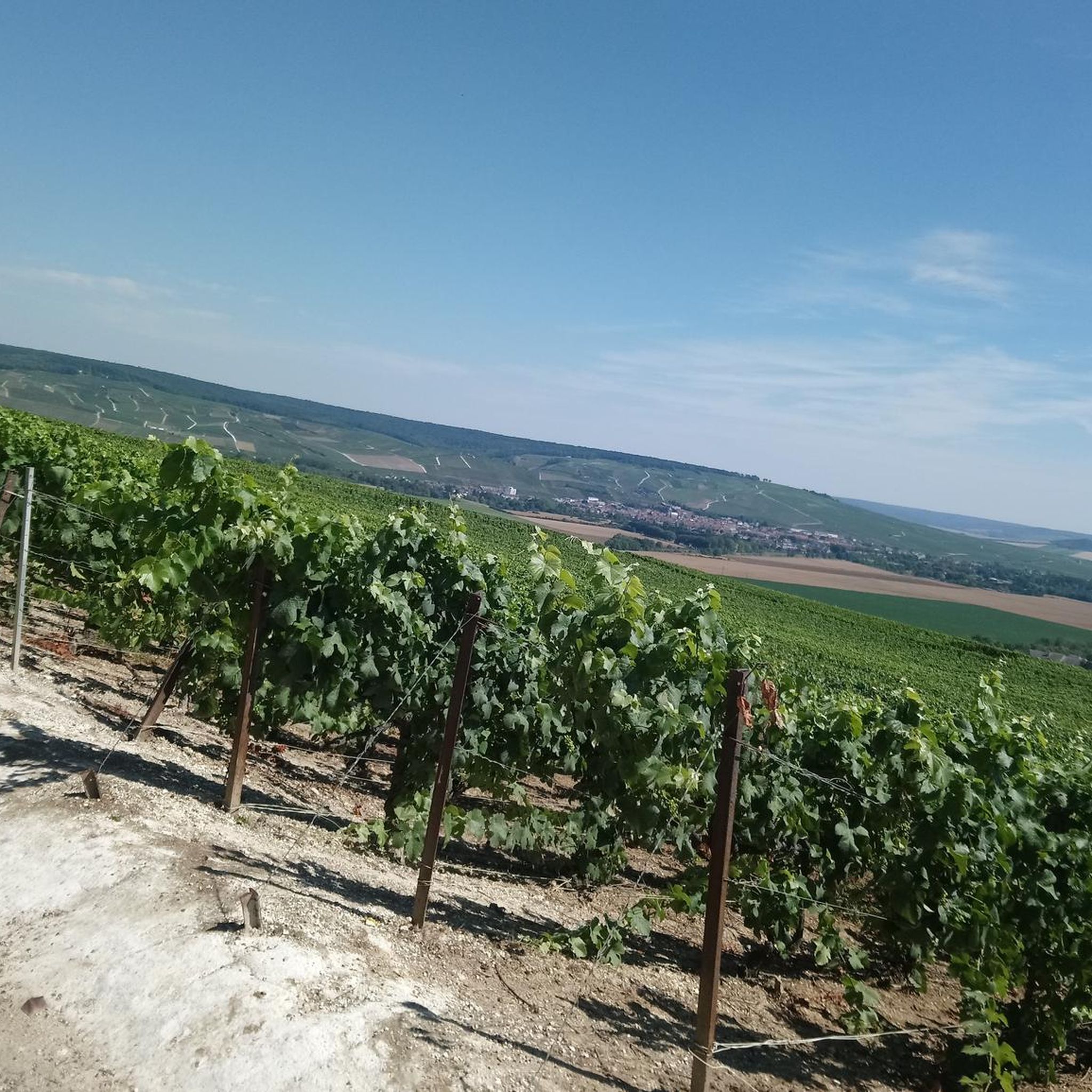
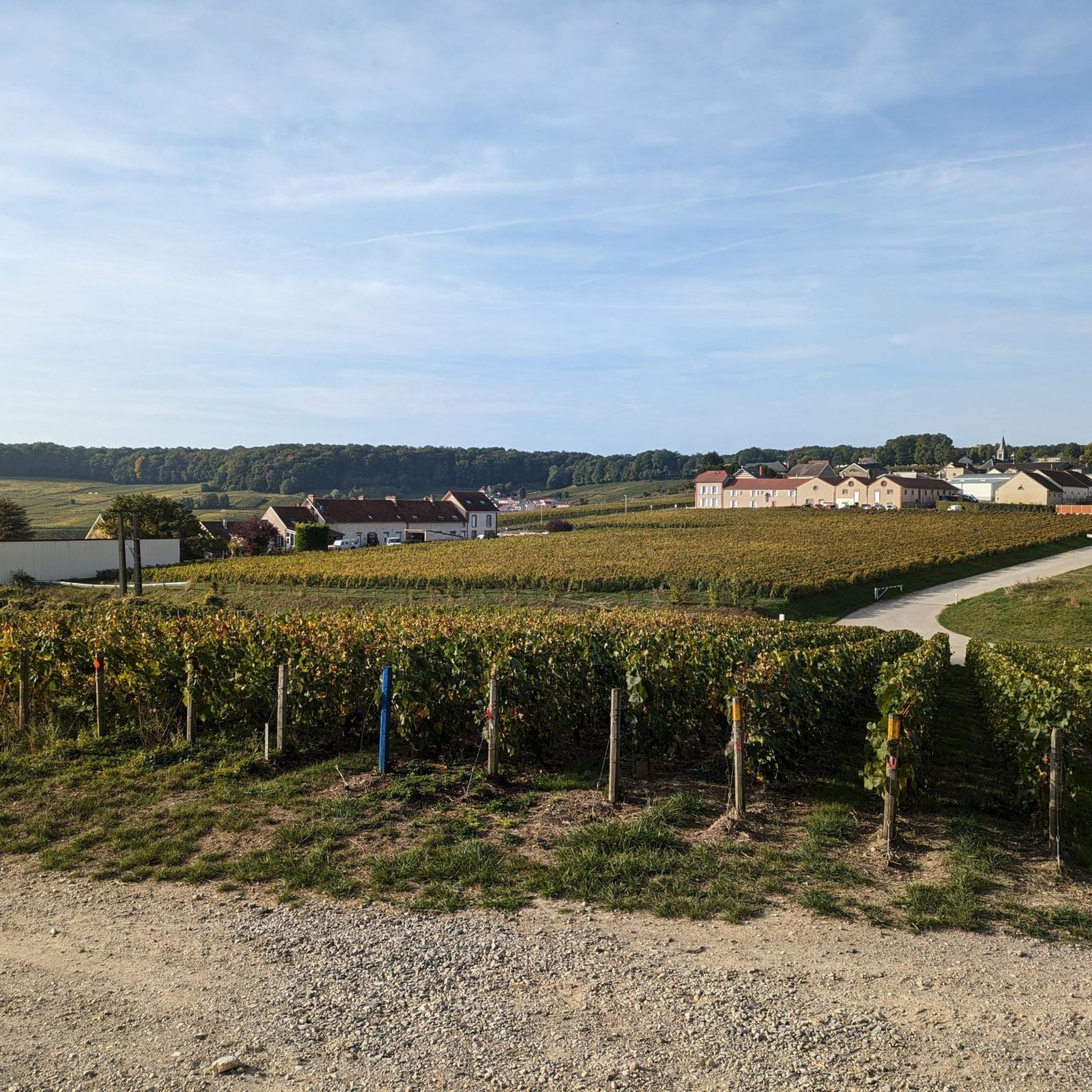
Jogging routes around Chouilly traverse a region characterized by the Marne river valley and gently rolling hills. The landscape features a mix of open fields and vineyard-covered slopes, with some elevated areas offering panoramic views of the surrounding countryside. Runners can expect varied terrain, from relatively flat paths along waterways to more undulating routes through the Grand Cru vineyards. The chalky soils and slopes of the Côte des Blancs subregion provide unique exposures for running.
Best jogging routes around Chouilly
…Last updated: October 8, 2026
5.0
(1)
73
runners
10.9km
01:09
10m
10m
Moderate run. Good fitness required. Mostly paved surfaces. Suitable for all skill levels.
5.0
(1)
44
runners
7.58km
00:57
170m
170m
Moderate run. Good fitness required. Mostly paved surfaces. Suitable for all skill levels.

20
runners
Moderate run. Good fitness required. Mostly paved surfaces. Suitable for all skill levels.
20
runners
8.07km
00:52
20m
20m
Moderate run. Good fitness required. Mostly paved surfaces. Suitable for all skill levels.
3.0
(1)
14
runners
6.34km
00:43
100m
100m
Moderate run. Good fitness required. Mostly paved surfaces. Suitable for all skill levels.
Get access to more routes and recommendations from other explorers.
Already have an account?
Our route recommendations are based on thousands of hikes, rides, and runs completed by other people on komoot.
Start today with a free account
Your next adventure awaits.

Tips from the Community

Some of the buildings are monumental and an expression of capital - but even the small winemakers have very good champagnes to offer that are in no way inferior to the big houses!
1
0

In 2011[9], the idea for the current Museum of Champagne and Regional Archaeology was born. The project was approved by the French Ministry of Culture in 2014, and in 2016 the renovation work was entrusted to the architectural firm Frenak + Jullien. Work began in 2018, under the supervision of the chief architect of historical monuments Lionel Dubois. Château Perrier has now been restored and contains one of the most important archaeological exhibits in France, with some 80,000 regional artefacts (dating from the Paleolithic to the Early Middle Period) and 4,000 artefacts relating to the history of Champagne wine (since 1960).[10]
4
0
The Château Perrier, at number 13, was built from 1852 to 1857[9] by the architect Pierre-Eugène Cordier, in an eclectic Louis XIII style. In 1854[10], the couple Pierre-Nicolas Perrier, a cork manufacturer, and Adèle Jouët (the founders of the Perrier-Jouët champagne house), who had married in 1811, commissioned the construction of this castle. The four facades are inspired by the architecture of the French Renaissance, to the Parisian image of the Palais du Luxembourg, the Palais des Tuileries or the Lescot of the Louvre. The facades are a play of colours with materials such as brick, natural stone, slate and glass.
4
0
Between 1872 and 1884, the concierge and the orangery were built on the outer edge of a vast park, according to plans by the architect Alphonse Gosset (1835-1914)[5]. In 1920, the park was acquired by the municipality with the Auban-Moët mansion and opened to the public. The part of the park around the town hall is laid out in the French style, to emphasise the classical and sober facade of the building. It consists of a grass path and two symmetrical access paths arranged in a horseshoe shape around a fountain. It is decorated with two bronze lions, cast iron statues of ancient gods and various other statues. The other part of the park is laid out in the English style: it is crossed by hilly paths, groves, two pools of water, an artificial island and a rocky grotto with a waterfall. On this side of the garden is a temple of love, built of limestone. This belvedere with Corinthian columns has a coffered ceiling. It is inspired by the Temple of Love in the Petit Trianon in Versailles. The City Hall Park has the label "Remarkable Garden".🪴 In
7
1
Épernay Town Hall is located at number 7bis in the former Auban-Moët mansion, built in 1858 by Victor Moët (1797–1881)[5] to a design by the architect Victor Le Noir, who also designed the Montparnasse railway station in Paris. In the early 19th century, Jean-Baptiste Isabey had the building redesigned in a classical style for Jean-Remy Moët, owner of the Hôtel Auban-Moët and mayor of Épernay. The current layout dates from 1857 and is the work of the brothers Denis and Eugène Bühler. It was donated to the city in 1919, which took it into use as a town hall in 1920. The building houses luxurious rooms, including the wedding hall and the council chamber. The building has been listed as a French Historical Monument since 26 June 2012.[5][6]
8
1
In his day, the fermentation of wine in the bottle, which produces sparkling wine, was a huge problem for winemakers. When colder weather arrived in autumn, the fermentation process would sometimes halt before all the fermenting sugar in the wine had been converted into alcohol. If this wine was bottled at this stage, it literally became a time bomb. When the weather warmed in spring, the remaining yeast would begin to work again, producing carbon dioxide, which would at least force the cork out of the bottle and often cause the bottle to explode, setting off a chain reaction in nearby bottles. This posed a danger to workers and sometimes destroyed an entire year's worth of wine production.[citation needed] Dom Pérignon sought to prevent this imperfect fermentation and introduced several improvements that are still in use in the Champagne region today, such as the extensive blending of wines from different winemakers.
4
0
Pierre Pérignon (Sainte-Menehould, 1639 - Hautvillers, 24 September 1715) known as Dom Pérignon was a Benedictine monk to whom the méthode champenoise, the method of making champagne, is often attributed. The best champagne of the Moët et Chandon winery is also named after him: champagne Dom Pérignon. Legend has it that he exclaimed: "Come quickly, I'm tasting the stars!" when he tasted the first sparkling champagne. The reality is, however, that although the Dom worked tirelessly to improve the wines of the Champagne region, he invented neither sparkling wine nor champagne.
4
0

A great cycle path with a view of Epernay, away from the main road
3
1
Frequently Asked Questions
How many running routes are available around Chouilly?
There are over 340 running routes around Chouilly, offering a wide variety of options for different fitness levels and preferences. You'll find everything from easy riverside paths to more challenging trails through vineyards and hills.
Are there any easy or beginner-friendly jogging routes in Chouilly?
Yes, Chouilly offers 23 easy running routes suitable for beginners or those looking for a relaxed jog. These routes typically feature gentler terrain and shorter distances, perfect for enjoying the scenery without too much exertion.
Can I find long-distance running trails near Chouilly?
Absolutely. For runners seeking a challenge, there are 83 difficult routes, many of which cover longer distances and feature significant elevation changes. An example is the Belvédère de Cramant – Saint-Martin Church of Chavot loop from Cramant, which spans over 22 kilometers.
What kind of terrain can I expect on running routes around Chouilly?
The terrain around Chouilly is quite varied. You can expect a mix of open fields, vineyard-covered slopes, and paths along the Marne river. Some routes offer relatively flat sections, while others include more undulating hills, providing diverse running experiences.
Are there any circular running trails in the Chouilly area?
Many of the routes around Chouilly are designed as loops, allowing you to start and finish in the same location. For instance, the Château de Saran loop from Cramant is a moderate 6.3 km circular route that offers beautiful views.
What do other runners say about the trails in Chouilly?
The running trails in Chouilly are highly regarded by the komoot community, with an average rating of 4.4 out of 5 stars from over 100 reviews. Runners often praise the scenic vineyard landscapes, the peaceful riverside paths, and the variety of routes available for all skill levels.
Are there any viewpoints or scenic spots along the running routes?
Yes, many routes offer elevated perspectives of the surrounding area, particularly those that traverse the rolling hills and vineyards. For example, the Mount Bernon loop from Épernay climbs Mount Bernon, providing excellent views of the Champagne region.
What interesting landmarks or attractions can I see while running near Chouilly?
The region is rich in history and culture. Along your runs, you might encounter sights like the Abbaye de Hautvillers, known as the birthplace of Champagne, or the famous Avenue de Champagne in Épernay. The Blue Bridge and Saint-Hilaire Church in Mareuil-sur-Ay also offer picturesque views.
Is public transport available to access running routes around Chouilly?
While Chouilly itself is a smaller village, public transport options, primarily local buses, connect it to larger towns like Épernay. From Épernay, you can often find routes that are accessible by foot or a short taxi ride from bus stops. It's advisable to check local bus schedules in advance.
Where can I park my car when visiting running trails in Chouilly?
Parking is generally available in the villages surrounding Chouilly, such as in designated public parking areas or along streets where permitted. For specific trailheads, it's often possible to find small parking lots or roadside spots, especially in less populated areas.
What is the best time of year for running in Chouilly?
Spring and autumn are particularly pleasant for running in Chouilly, with mild temperatures and the vineyards displaying vibrant colors. Summer can be warm, so early morning or late evening runs are recommended. Winter running is also possible, though trails might be colder, and some paths could be muddy after rain.
Are there any cafes or places to get refreshments near the running routes?
Given Chouilly's location in the Champagne region, you'll find charming cafes, bakeries, and small restaurants in Chouilly itself and in nearby villages like Épernay. Many routes pass through or near these villages, offering opportunities for a post-run coffee or snack.
Most popular attractions around Chouilly

Get inspired with the komoot mobile app


Explore more
Browse the best Running Trails & Routes in other regions.
