The best road cycling routes around Catigny
4.3
(47)
919
riders
208
rides
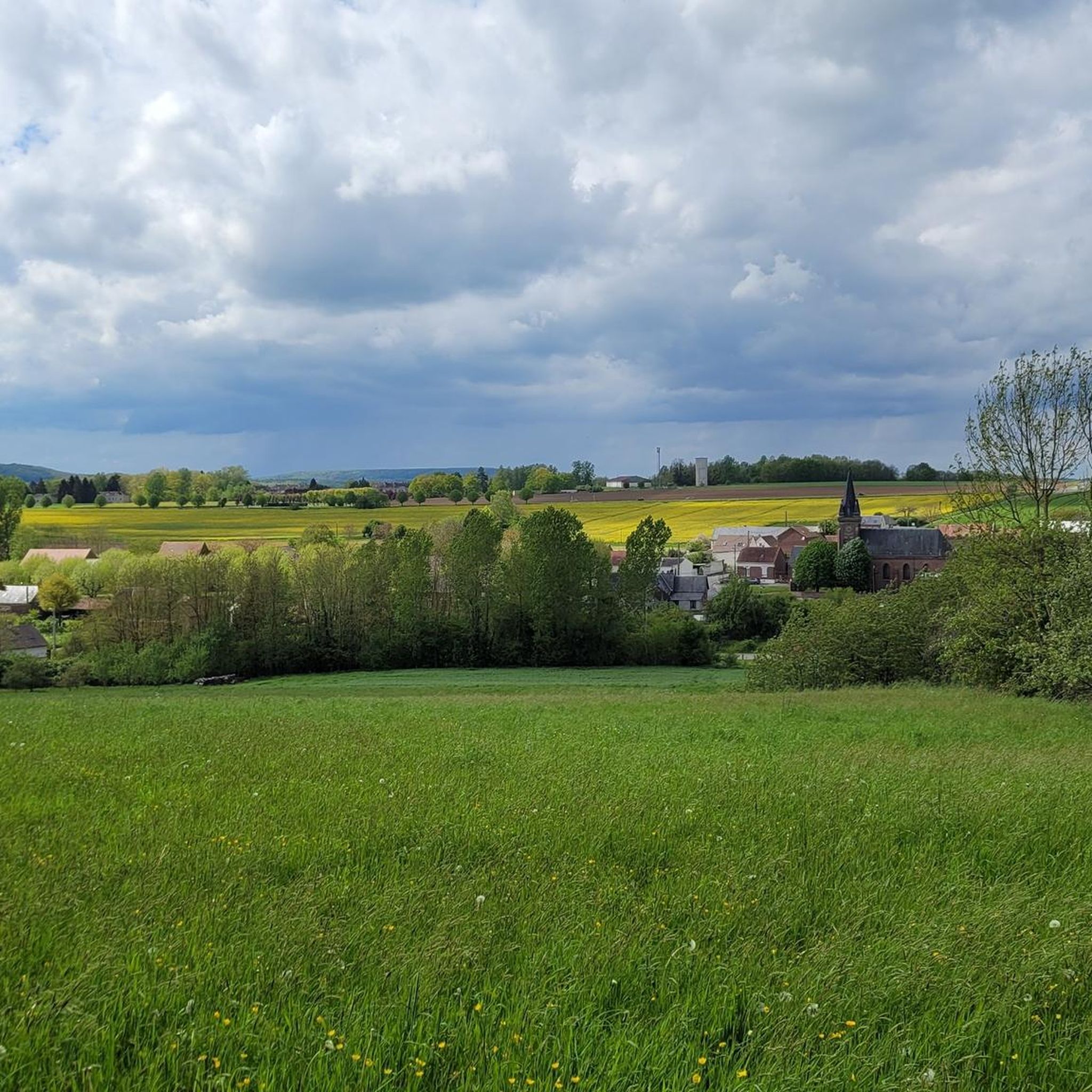
Road cycling routes around Catigny traverse a landscape characterized by varied terrain, including forested areas and open countryside. The region features a network of roads suitable for different cycling abilities, with some routes passing by historical landmarks such as cathedrals and castles. Elevations vary, offering both flatter sections and routes with moderate climbs.
Best road cycling routes around Catigny
- The most popular road cycling route is Compiègne forest – Ourscamp Abbey loop from Crisolles, a 49.1 miles (79.0 km)…
Last updated: November 9, 2026
12
riders
65.7km
02:46
460m
460m
Moderate road ride. Good fitness required. Mostly well-paved surfaces and easy to ride.
14
riders
56.0km
02:15
120m
120m
Moderate road ride. Good fitness required. Some segments of this route may be unpaved and difficult to ride.

12
riders
25.5km
01:04
70m
70m
Moderate road ride. Some segments of this route may be unpaved and difficult to ride.
4.0
(1)
8
riders
56.8km
02:17
300m
300m
Moderate road ride. Good fitness required. Mostly well-paved surfaces and easy to ride.
3
riders
82.6km
03:29
470m
470m
Moderate road ride. Good fitness required. Mostly well-paved surfaces and easy to ride.
Get access to more routes and recommendations from other explorers.
Already have an account?
Our route recommendations are based on thousands of hikes, rides, and runs completed by other people on komoot.
Start today with a free account
Your next adventure awaits.


Tips from the Community

Shaded area that allows you to eat without being placed under a blazing sun.
0
0
Pleasant path along the canal with an uneven surface
0
0

Calvin's birthplace is dedicated to the famous reformer born here in 1509. Rebuilt after its destruction during the First World War, it now houses a museum retracing the life and work of John Calvin, as well as the religious and humanist history of his time. It houses a rich collection of portraits, ancient works, documents, and 16th-century furniture.
0
0

The reconstruction of Notre-Dame, consecrated in 1928, was designed by Swiss architect Albert Montant—who also designed the church of Canny-sur-Matz. Albert Montant was an excellent connoisseur of medieval architecture, and the building, constructed of brick with some stone elements, contains numerous references to Romanesque architecture, revisited here with great originality and sensitivity. The plan features a bell tower porch, a single nave, and a choir with side aisles, culminating in an apse framed by two apsidioles. Each section has its own distinctive features. The bell tower porch—which echoes that of the previous church—opens with a semicircular arched portal with three arches resting, on each side, on as many small columns via cubic capitals. Three small, offset windows open above, and a gable crowns the whole. Instead of the traditional gallery, the bell tower porch forms, inside, a richly lit lantern crowned by a four-sided dominion vault. Of Carolingian origin, the lantern tower enjoyed great popularity in Anglo-Norman architecture and beyond, as evidenced by the one at Laon Cathedral. The nave has three bays with semicircular barrel vaults. Its two transverse arches are supported by abacuses surmounting consoles, a device intended to house statues, now missing. The choir is covered with a barrel vault that closes in a cul-de-four at the apse. Eleven small semicircular windows penetrate this vault, the base of which is highlighted by a continuous cordon of billets. Three semicircular arches resting on circular piers provide access to the side aisles, each covered with a semicircular barrel vault. This entire ensemble clearly draws its inspiration from the Romanesque architecture of Berry and Auvergne. In the nave, we notice six stained-glass windows by Blanchet-Lesage (1959) on the themes of Faith, Charity, Hope, Prudence, Justice, and Strength (2008).
0
0

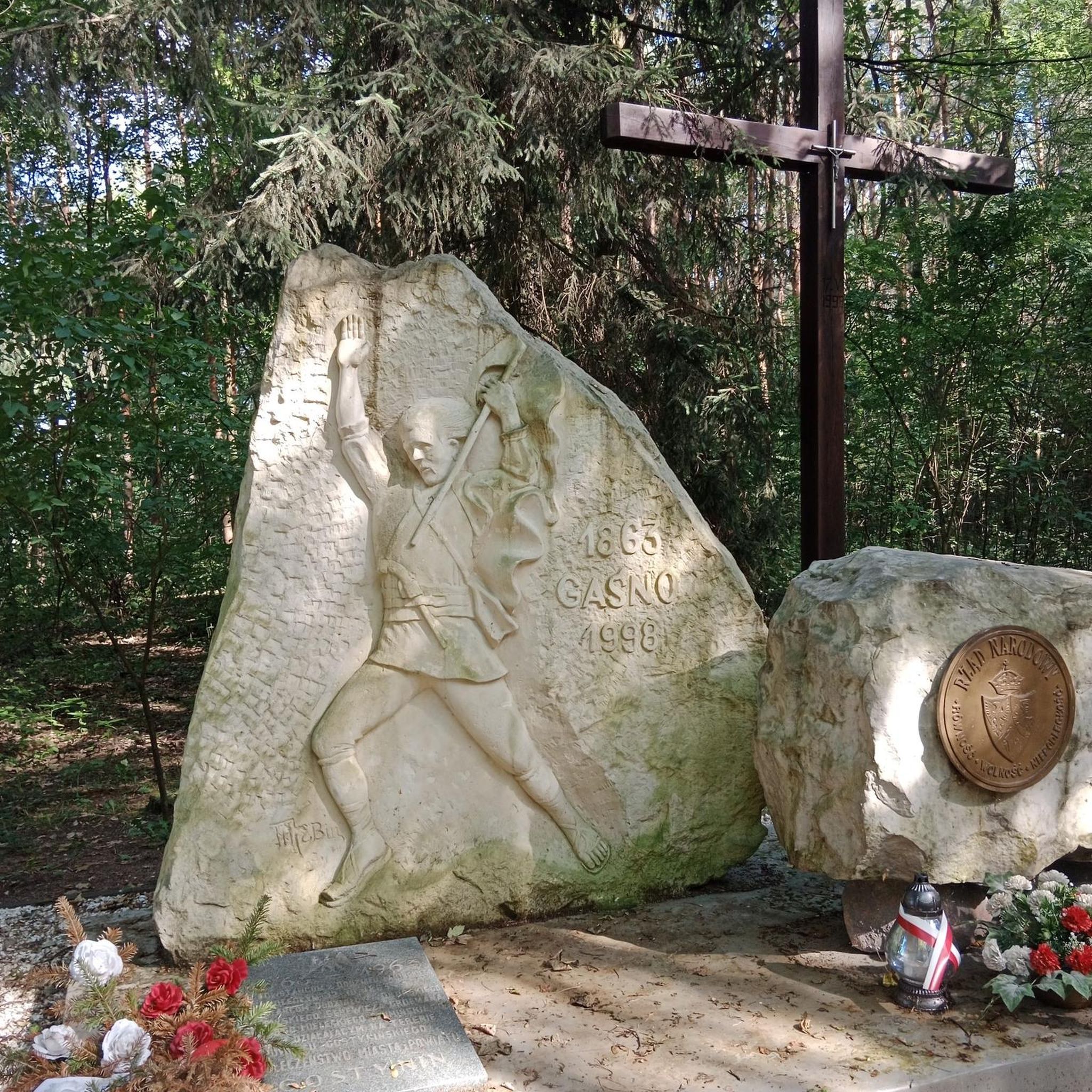
The monument honours the local victims of WWI, a conflict that hit this region hard. Cannectancourt was close to the front and saw intense fighting, especially in 1918. A special detail is that stones from a former German military cemetery, which was once located nearby and was later transferred to Thiescourt, were reused for the construction of this monument.
4
0
This impressive cemetery was built in 1920-1921 on a site that was heavily contested during the First World War. It contains the remains of 1,258 French soldiers, 547 of whom are buried in two ossuaries. One French soldier from the Second World War is also buried here. Adjacent is a German military cemetery with the remains of 1,095 soldiers, 388 of whom are buried in collective graves, together with four British and two French soldiers. The necropolis is located in a region where the German advance towards Paris passed through in 1914, and where fierce fighting took place in 1918 during the Battle of Matz. Today it is a serene place of remembrance and reconciliation, in the middle of a landscape that was once the scene of devastating battles.
4
0
The Cathedral of Notre-Dame de Noyon is an impressive Gothic building in the heart of Noyon, in the Oise department. Built between 1145 and 1235, the cathedral is a major religious and cultural monument. It exemplifies the transition from Romanesque to Gothic architecture. The cathedral is 103.11 meters long (exterior) and 91.33 meters (interior), with a nave height of 22.73 meters. The interior is richly decorated with works of art and features a magnificent Merklin organ from 1898. The cathedral also has a Louis XVI-style high altar.
1
1

"God loves every soul with an undying love. He approaches each one with repeated, unspeakably patient offers of redemption. Even a small sign of love is enough for him to forgive and redeem. Our dear departed ones lacked a life preserver for the body; but the spiritual life preserver was not lacking, the breath of God in which the soul can clothe itself in a tiny moment, much more quickly than the body could." (Text by Albino Luciani / Pope John Paul I)
0
0
Frequently Asked Questions
How many road cycling routes are available around Catigny, and what are their difficulty levels?
There are over 200 road cycling routes around Catigny. The region offers a diverse range of options, with 56 routes classified as easy, 150 as moderate, and 2 as difficult. This variety ensures that cyclists of all skill levels can find suitable paths, from flatter sections to routes with moderate climbs.
What kind of landscapes and historical sites can I expect to see on road cycling routes in Catigny?
Road cycling routes in Catigny traverse a varied landscape featuring forested areas and open countryside. You can also expect to encounter historical landmarks such as cathedrals and castles. For example, the Notre-Dame de Noyon Cathedral – Noyon Cathedral loop from Crisolles offers views of the impressive Notre-Dame de Noyon Cathedral, while the Ham Castle – Tower of the Château de Ham loop from Muirancourt passes by historical castle sites.
Are there any specific attractions or points of interest along the road cycling routes in Catigny?
Yes, several routes pass by notable attractions. You can see the historic Notre-Dame de Noyon Cathedral, or explore the Château Mennechet. For those interested in natural features, La Pierre Linotte is also a point of interest in the area.
What do other road cyclists enjoy the most about road cycling in Catigny?
The road cycling routes in Catigny are highly rated by the komoot community, with an average score of 4.1 stars from over 28 reviews. Cyclists often praise the mix of forested sections, open fields, and historical points of interest, as well as the network's options for different ability levels.
Are there any circular road cycling routes available in Catigny?
Yes, many of the road cycling routes in Catigny are designed as loops, offering convenient circular journeys. Examples include the popular Compiègne forest – Ourscamp Abbey loop from Crisolles and the Notre-Dame de Noyon Cathedral – Varesnes Church loop from Écuvilly, both providing a complete circuit back to the starting point.
What is the typical terrain and elevation gain like on road cycling routes in Catigny?
The terrain around Catigny is characterized by undulating sections with varied elevation gains. While some routes offer flatter sections, many include gentle to moderate hills. For instance, the Notre-Dame de Noyon Cathedral – Noyon Cathedral loop from Crisolles has a significant elevation gain of approximately 459 meters, whereas the Notre-Dame de Noyon Cathedral – Varesnes Church loop from Écuvilly features rolling terrain with gentler hills and about 116 meters of ascent.
Are there any easy road cycling routes suitable for beginners in Catigny?
Yes, Catigny offers 56 easy road cycling routes, making it suitable for beginners or those looking for a more relaxed ride. These routes typically feature flatter sections or very gentle hills, allowing for an enjoyable experience without significant physical demands.
Can I find longer road cycling routes for more advanced cyclists in Catigny?
Absolutely. For advanced cyclists seeking longer distances and more sustained efforts, Catigny provides routes with greater mileage and elevation. The Compiègne forest – Ourscamp Abbey loop from Crisolles, for example, covers nearly 79 kilometers with an elevation gain of around 393 meters, offering a good challenge.
What is the best time of year to go road cycling in Catigny?
While specific seasonal data isn't provided, regions with varied terrain like Catigny are generally best enjoyed during spring, summer, and early autumn. These seasons typically offer more favorable weather conditions for road cycling, with less chance of extreme cold or heavy precipitation, allowing you to fully appreciate the forested areas and open countryside.
Are there any routes that pass through the Compiègne forest?
Yes, the Compiègne forest – Ourscamp Abbey loop from Crisolles is a popular route that takes you directly through the scenic Compiègne forest, offering a beautiful natural setting for your ride.
What is the average duration for a road cycling tour in Catigny?
The duration of road cycling tours in Catigny varies significantly depending on the route's length and your pace. For instance, a moderate route like the Notre-Dame de Noyon Cathedral – Varesnes Church loop from Écuvilly can be completed in about 2 hours and 15 minutes, while longer routes such as the Compiègne forest – Ourscamp Abbey loop from Crisolles typically take around 3 hours and 11 minutes.
Most popular attractions around Catigny

Get inspired with the komoot mobile app


Explore more
Browse the best Road cycling routes in other regions.
