Attractions and Places To See around Chevregny - Top 20
Best attractions and places to see around Chevregny include a unique historical and architectural landscape, largely shaped by its Art Deco reconstruction after World War I. The area features distinct points of interest, from significant historical landmarks to natural features like Mont Bossu. Visitors can explore a blend of cultural heritage and preserved natural spaces. The region offers a variety of experiences for those interested in history, architecture, and outdoor exploration.
Best attractions and places to see around Chevregny
- The…
Last updated: July 29, 2026
Notre-Dame Cathedral
Highlight • Other
Translated by Google •
Tip by

Vauclair Abbey Ruins
Highlight • Historical Site
Translated by Google •
Tip by
Sign up now to discover places like this
Get recommendations on the best single tracks, peaks, & plenty of other exciting outdoor places.
Sign up for free
Porte d'Ardon
Highlight • Monument
Translated by Google •
Tip by
Laon Old Town — Murals and Fortifications
Highlight • Historical Site
Translated by Google •
Tip by

Porte de Soissons
Highlight • Other
Translated by Google •
Tip by
Sign up for free to discover even more attractions around Chevregny.
Sign up for free
Already have an account?
Start today with a free account
Your next adventure awaits.
Login or Signup
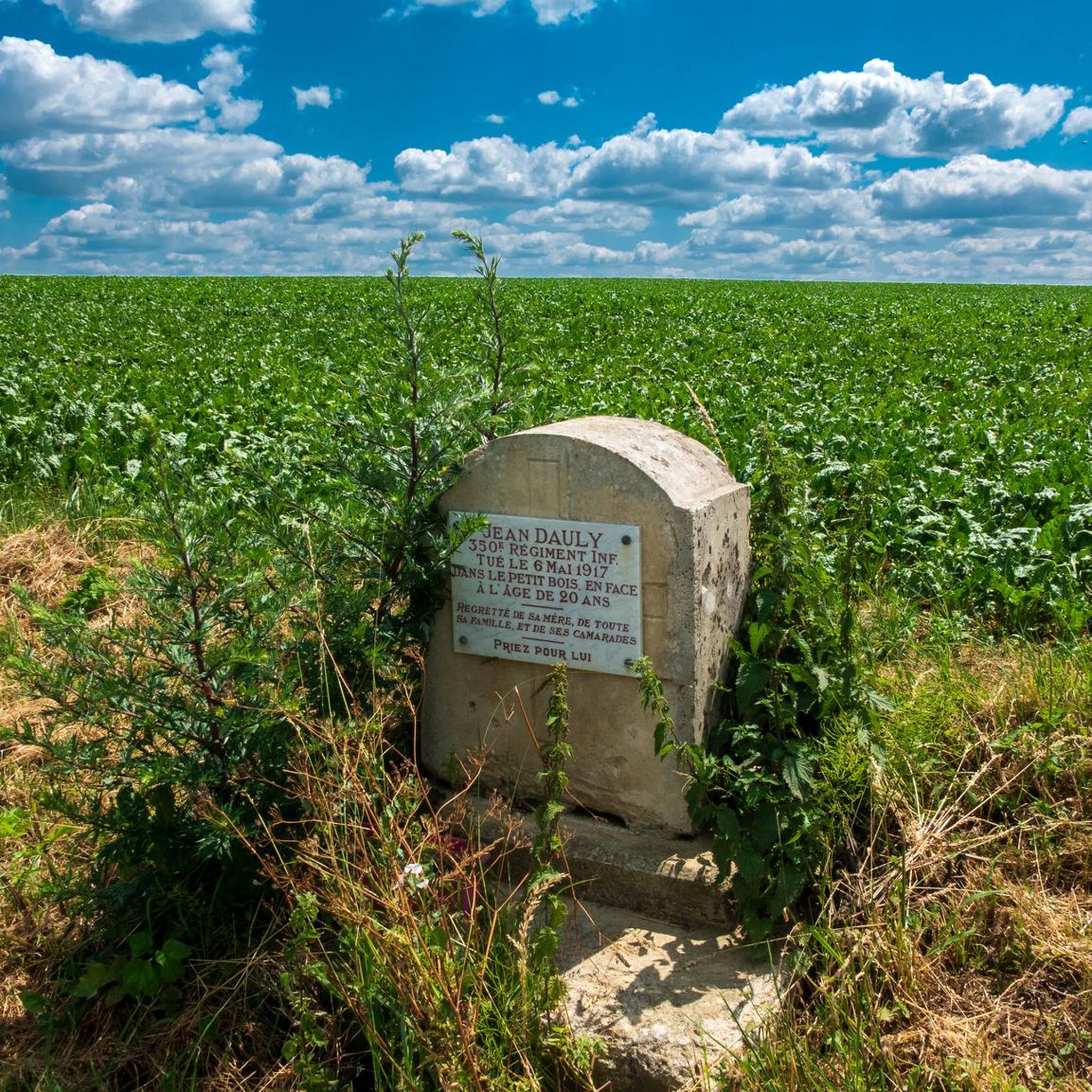
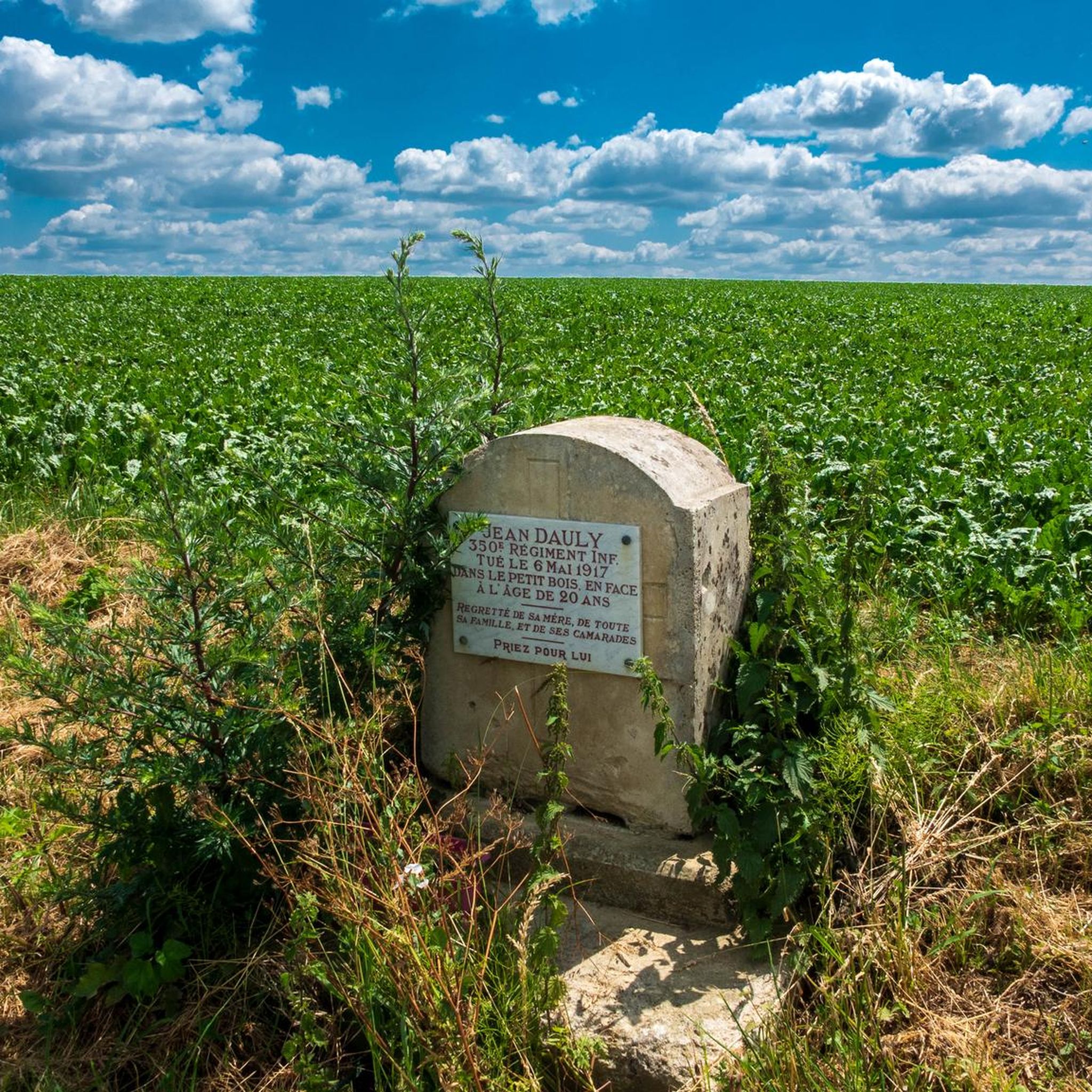
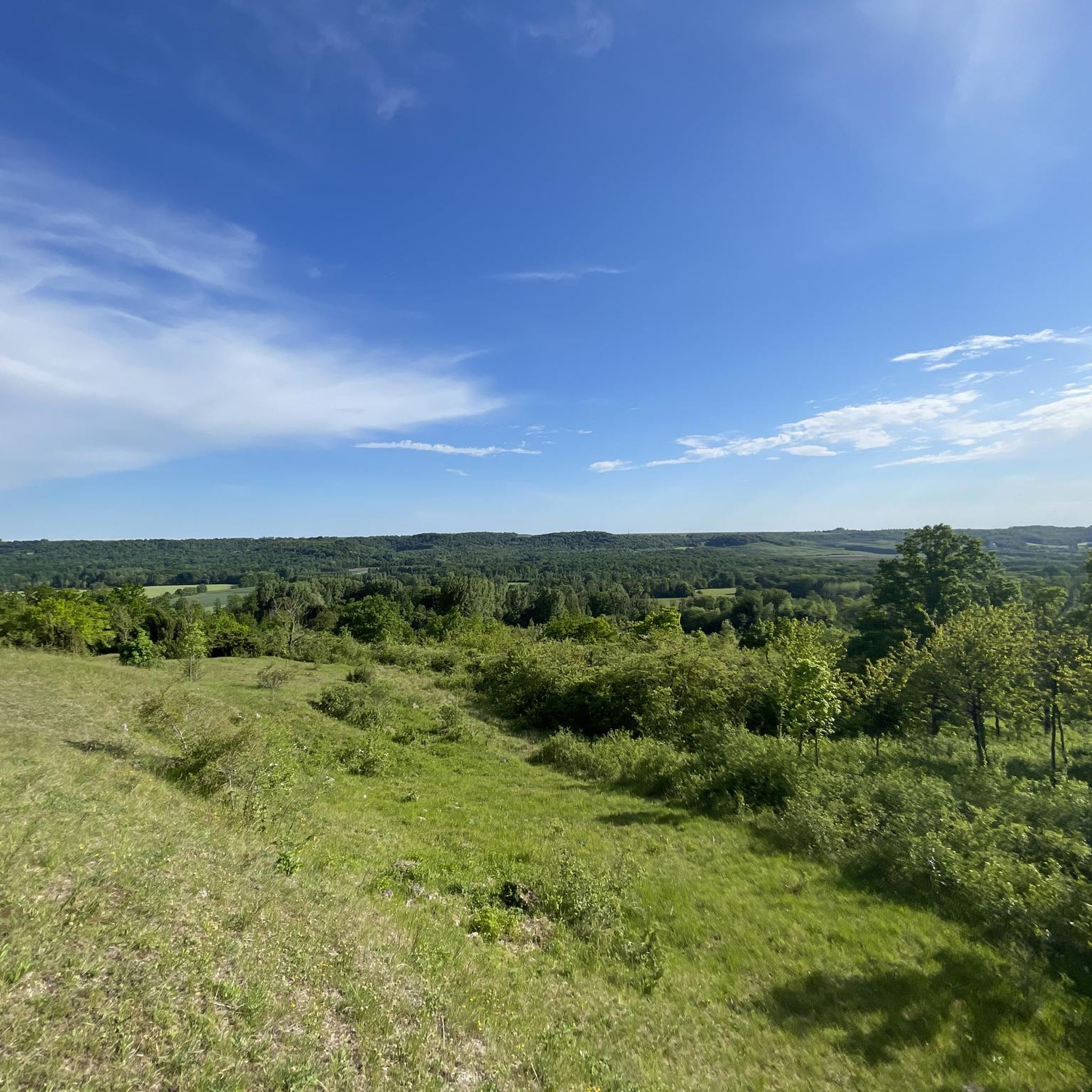
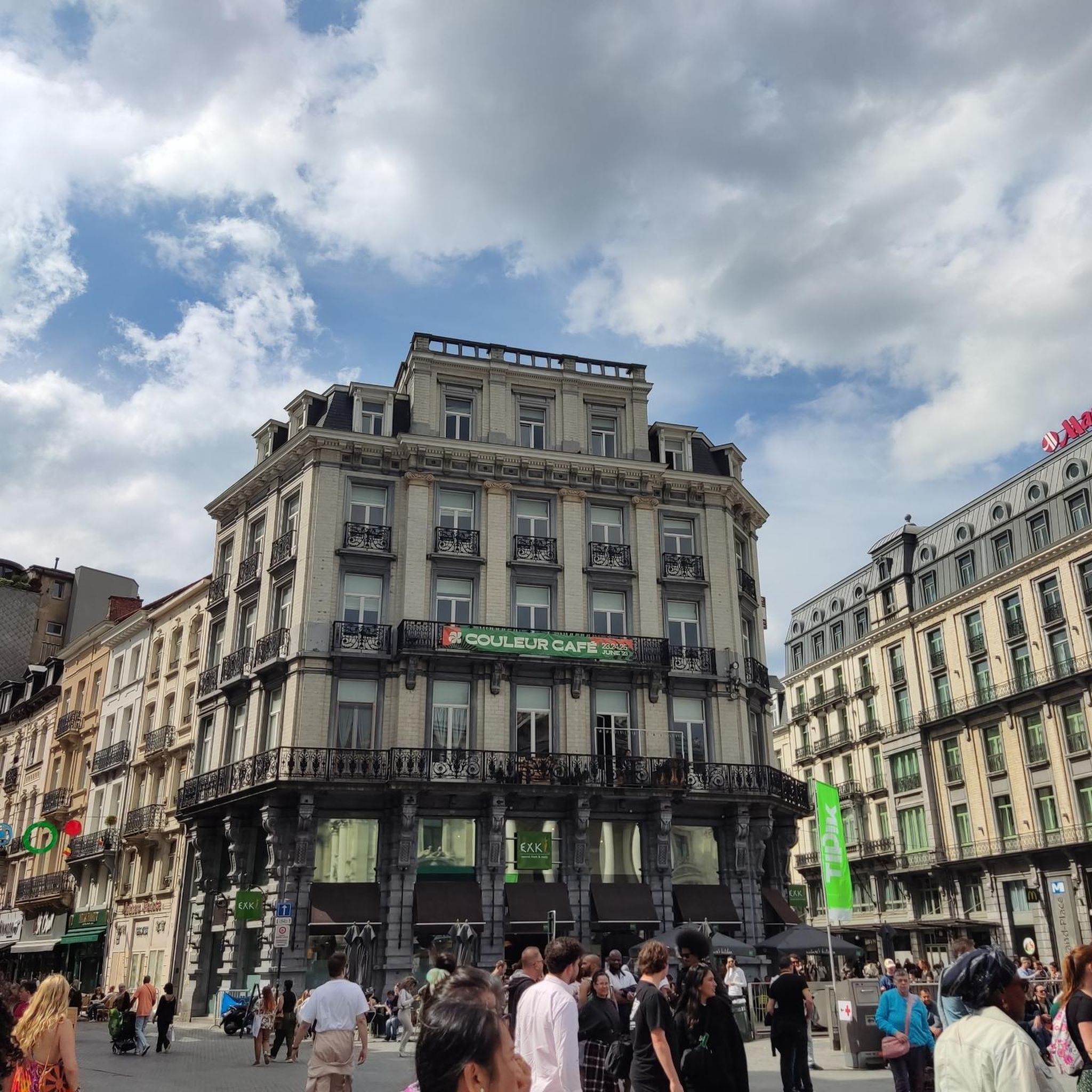
Tips from the Community


The Porte d’Ardon is one of the medieval city gates of Laon. The current structure dates from the 13th and 14th centuries. Originally, this gate was called “Porte Royée” because of its proximity to the royal palace of Laon. The gate consists of a châtelet with a portcullis and used to have doors. There was also a barbican, but this has now disappeared. Under the gate there was a fountain and wash houses, some of which still exist. The Porte d’Ardon was classified as a historical monument in 1909.
9
0
The Porte de Soissons is a medieval city gate in Laon. It is one of the three remaining city gates of Laon and was built at the beginning of the 13th century when the fortifications were resumed. The gate is located in the south-west of the medieval city and is built of sandstone and limestone. The gate was originally known as the Porte Saint-Martin or Soibert, but was later renamed after the nearby town of Soissons. The rear of the gate (which was demolished in 1895) offers a cross-section of this type of defensive system: a vaulted room on the first floor, giving access to the harrow and the machicolation.
12
1

A remarkable remnant of what was once a large and important abbey. Caesar, Napoleon and German troops are said to have passed through this area during the First World War.
3
0
This abbey, which was founded in 1134 by St. Bernard, was severely damaged in a bombardment in 1917. The best preserved buildings are the pantry, the refectory of the lay brothers, the chapter house and the monks' hall. The foundations of the abbey church and the inn are still visible. Next to the garden with medicinal plants there is an exhibition space. Surrounding it is the monastic forest of Vauvelair, which covers 1000 hectares.
11
0

Between the woods and the greenway, this former abbey is interesting from a historical point of view
0
0

Here, the city walker will find an early masterpiece of Gothic architecture, a style often found in this part of France – Chartres and Reims, for example, attract enthusiastic international visitors and are far more famous than Laon. In the following 13th century, many Gothic churches were built, not only in their country of origin, France, but also beyond the country's borders, where this sky-high, light-filled architectural style was now in great demand for new churches (for example, the laying of the foundation stone for Cologne Cathedral in 1248).
3
0

Loan is a medieval town on a mesa. A trip is very worthwhile! I would always prefer visiting Reims.
1
1
Frequently Asked Questions
What historical sites can I explore around Chevregny?
Chevregny and its surroundings are rich in history. You can visit the Vauclair Abbey Ruins, a Cistercian monastery founded in 1134 and severely damaged during World War I. Another significant site is the Laon Old Town — Murals and Fortifications, a fortified medieval town on a table mountain with many historic buildings. The village of Chevregny itself is notable for its extensive Art Deco reconstruction after WWI, including the Église Saint-Médard and the Château des Chaînées.
Are there any natural features or viewpoints to visit near Chevregny?
Yes, the area offers several natural features. Mont Bossu is part of a regional network of preserved natural spaces, featuring Lutetian limestone cliffs and diverse wild plants, including orchids. You can also explore Mont Ecoué and Pelouse de Trucy, which are natural grasslands ecologically linked to Mont Bossu. The Ailette Valley and the Chemin des Dames area are also adjacent to Chevregny, offering scenic landscapes.
What kind of architecture is prominent in Chevregny?
Chevregny is renowned for its unique Art Deco architecture. After its near-complete destruction during World War I, the village was rebuilt in this distinctive style between 1918 and 1935. This includes the Église Saint-Médard and the Château des Chaînées, which blends Art Deco with Arts & Crafts influences. Walking tours are often organized to highlight this architectural heritage.
What outdoor activities can I do near Chevregny?
The region around Chevregny is excellent for outdoor activities. You can find numerous hiking trails, such as the 'Chevregny Nature Reserve – View of Chevregny loop' which is a moderate 7.6 km hike. For cycling enthusiasts, there are gravel biking routes like the 'View of Lake Ailette – Vauclair Abbey loop' and road cycling routes like 'La routes des guerres — Historical trail in l'Aisne'. You can explore more options on the hiking guide, gravel biking guide, and road cycling guide for the area.
Are there family-friendly attractions around Chevregny?
While Chevregny itself is known for its historical and architectural significance, the Vauclair Abbey Ruins are considered family-friendly, offering a chance to explore history and a medicinal herb garden. The natural areas like Mont Bossu also provide opportunities for family walks and enjoying nature.
Where can I learn more about the local history and culture?
To delve deeper into local history and culture, visit the Musée Départemental de l'École Publique (Departmental Museum of Public School). Located in the mairie-école building, it offers exhibitions on village life through archives, photos, and war diaries. The museum typically opens on Sundays and participates in local events.
What is the best time to visit Chevregny for outdoor activities?
The spring months, particularly from April to June, are ideal for visiting Chevregny, especially if you're interested in nature. During this time, around 15 species of orchids bloom on Mont Bossu. Autumn also offers pleasant weather for hiking and exploring the natural landscapes.
Are there any notable religious sites in the vicinity?
Yes, the Notre-Dame Cathedral in nearby Laon is a significant religious site. This early Gothic cathedral, built between 1155 and 1235, is one of France's oldest Gothic structures and is famous for its multiple towers. The Église Saint-Médard in Chevregny, rebuilt in Art Deco style after WWI, is also a local religious landmark.
What do visitors enjoy most about the attractions around Chevregny?
Visitors appreciate the blend of historical depth and natural beauty. The unique Art Deco reconstruction of Chevregny offers a distinct architectural experience, while sites like Vauclair Abbey Ruins provide a glimpse into ancient history. The preserved natural spaces, such as Mont Bossu, are enjoyed for their tranquility and diverse flora. The komoot community has shared over 100 photos, highlighting the scenic and historical appeal of the area.
Are there any medieval fortifications or gates to see?
Absolutely. In the nearby city of Laon, you can explore impressive medieval fortifications. The Porte d'Ardon, dating from the 13th and 14th centuries, is one of Laon's medieval city gates. Another notable gate is the Porte de Soissons, built in the early 13th century as part of the city's defensive system.
Can I find accommodation or dining options in Chevregny?
While Chevregny is a small commune, an old caretaker's house at the Château des Chaînées has been converted into a gîte, offering a unique accommodation option. For dining and more extensive market experiences, nearby towns like Laon (12km away) and Soissons (21km away) host markets and offer various cafes and restaurants.
Most popular routes around Chevregny
Most popular attractions around Chevregny

Get inspired with the komoot mobile app


Explore more
Still not found the Highlight you’re looking for? See guides of the top attractions in other regions:
