Attractions and Places To See around Villiers-Saint-Frédéric - Top 20
Best attractions and places to see around Villiers-Saint-Frédéric, a commune in the Yvelines department of France, offers a blend of historical sites and natural beauty. The area serves as a gateway to notable attractions in its vicinity and the broader Yvelines region. Visitors can explore a network of pedestrian paths and discover landmarks that reflect the area's rich history. The natural landscape is defined by the Mauldre River and the Aqueduc de l'Avre.
Best attractions and places to see around…
Last updated: May 20, 2026
Allée royale de Villepreux
Highlight (Segment) • Other
👉 …
Translated by Google •
Tip by

Saint Martin's Church, Beynes
Highlight • Religious Site
Today located in …
Translated by Google •
Tip by

Sign up now to discover places like this
Get recommendations on the best single tracks, peaks, & plenty of other exciting outdoor places.
Sign up for free
World's End Star - Marly Forest
Highlight • Other
This Marly forest is located in the north-east of the Yvelines department, about twenty kilometers west of Paris. Its territory, elongated …
Translated by Google •
Tip by

Notre-Dame du Chêne Chapel
Highlight • Religious Site
Translated by Google •
Tip by

Ruins of the Château de Beynes
Highlight • Castle
Translated by Google •
Tip by

Sign up for free to discover even more attractions around Villiers-Saint-Frédéric.
Sign up for free
Already have an account?
Start today with a free account
Your next adventure awaits.
Login or Signup


Tips from the Community

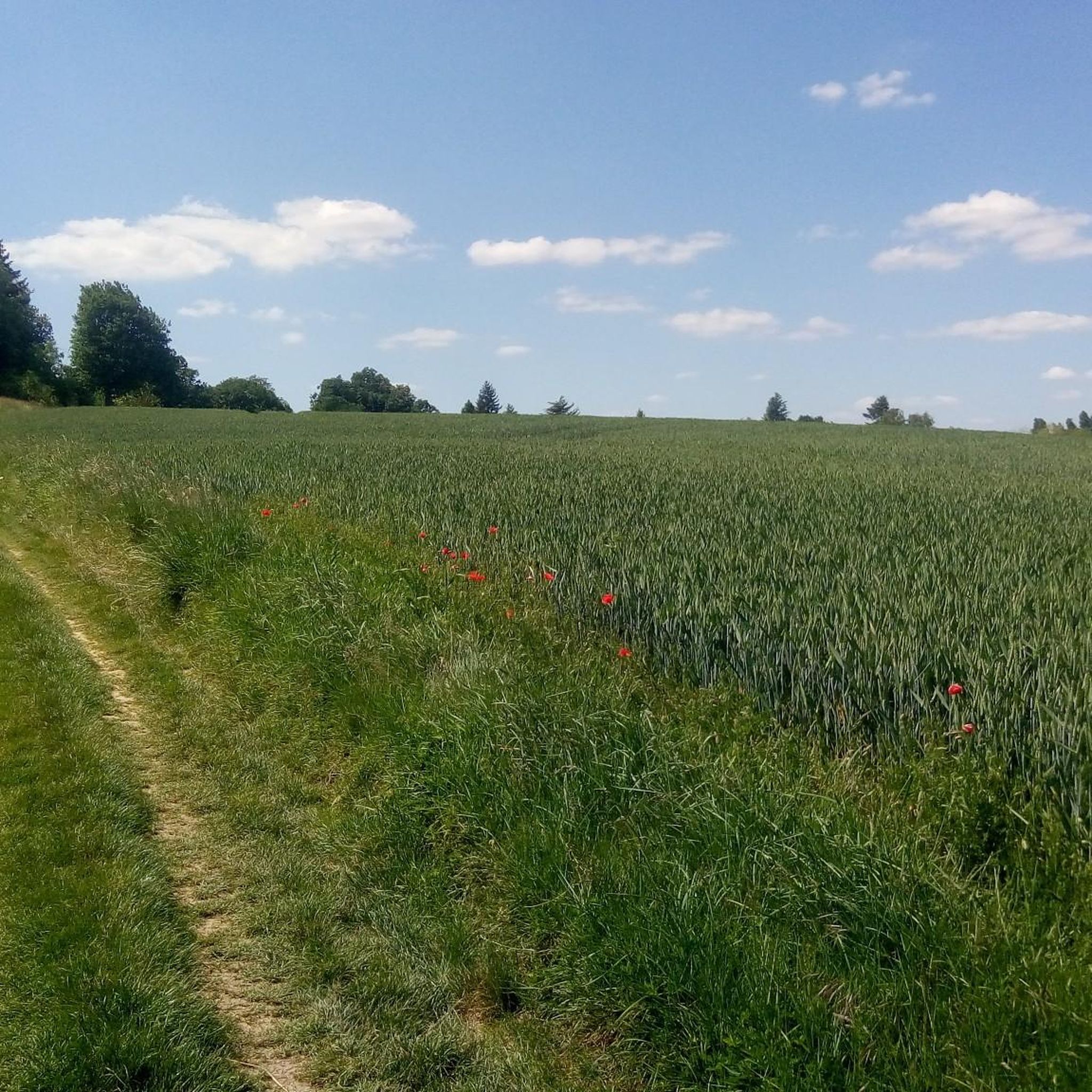
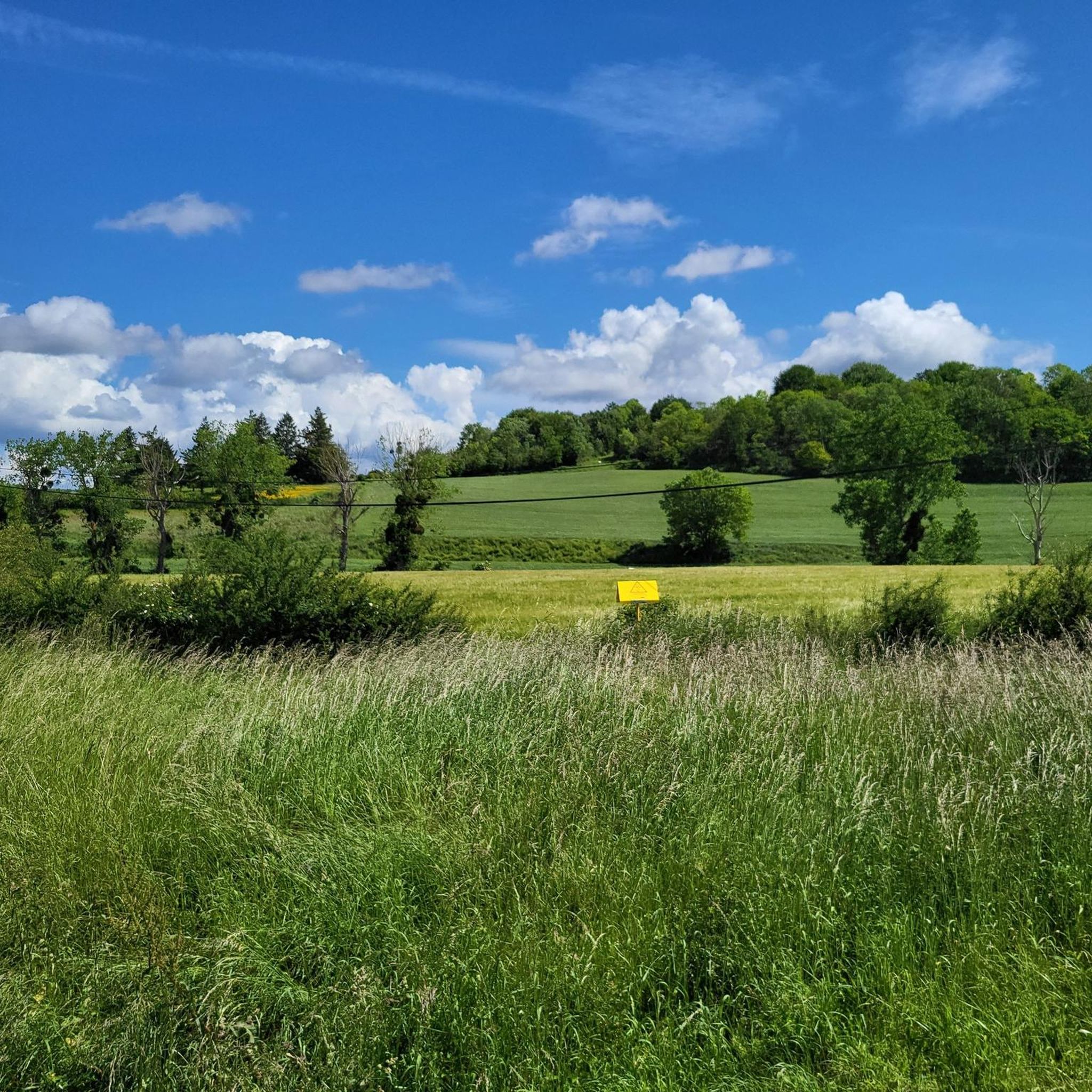
Very beautiful cycle path right in the continuity of the Grand Canal of the Versailles gardens. ☺
0
0

Many houses of worship in France bear the title “Notre-Dame” (in German “Our Lady”) and are therefore dedicated to the Blessed Mother Mary. Sometimes the specific patronage is made clear by an additional name, such as “Assumption of Mary” or “Immaculate Conception”. Here in Les Mesnuls, the church or chapel bears the suffix "Notre-Dame du Chêne", i.e. "to the oak". This means that it is not an event in the life of the Mother of God that is referred to in the patronage, but rather a tree that gave the immediate surroundings of the church a formative shape. In fact, you can see a tree on the left and right of the building.
0
0

Church located in the Yvelines in Beynes, in the west of Paris. It dates from the 13th century and has seen various demolitions and reconstructions throughout history. Today located in the city center, you can stop there for a supply or simply catch your breath.
2
0

Super beautiful, and well highlighted by the municipality.
0
0

From the 8th century, Beynes is a land owned by the abbey of Saint-Germain-des-Prés. It is therefore monks who clear and cultivate the land of Beynes. They build a first place of worship, probably in wood. At the beginning of the 11th century, King Robert II the Pious (972 / 1031) gave the fiefdom of Beynes to Guillaume de Hainaut, first lord of the Montfort family. In 1072, it is attested that Beynes depends on the priory of Saint Laurent de Montfort-L'Amaury. In 1159, a papal bull from Pope Adrian IV, the only English pope in history, attests that King Robert the Pious granted the patronage of the church and the main tithe to Saint Magloire Abbey in Paris. The construction of the current church is dated from the middle of the 12th century, date of the appearance of the parish, consecrated to Saint Martin in 1183. The church has undergone various episodes of demolitions and alterations over the centuries, and appears to have been partly rebuilt in 1773, then remodeled and extended in the 1830s to 1880s. Subsequently, numerous consolidations and repairs took place. The choir, the oldest part, dates from the 12th century, while the nave and the side aisles on the basilica plan are from the 18th and 19th centuries. The Virgin and Child: polychrome stone statue from the 14th century, listed as a historical monument since 1907. The tabernacle: the 18th century sculpted wooden altar, surmounted by a 17th century altarpiece, has been listed as a historical monument since 1907. This tabernacle was sculpted by monks who reproduced certain elements of the portal of the Saint Gervais church from Paris. The two small wooden statues adorn the sides: Saint Vincent and Saint Nicolas. The capitals of the choir: vestiges of the primitive church of the 12th century have been updated: columns, Romanesque capitals, departure of a double roller arch and slightly broken Romanesque arcades.
1
0
The castle of Beynes is installed in the bottom of a valley. Its construction dates back to the 11th century. It first had a military role at a time when the course of the Mauldre constituted a line of defense of the royal domain, to the west, in particular against the English during the Hundred Years' War. In the 15th century, the castle having lost its strategic importance due to the extension of the royal domain, Robert d'Estouteville, chamberlain of King Charles VII and owner of the premises, made it undergo some modifications, by demolishing the keep and adapting the nascent artillery fortifications. In the 16th century, in 1536, the estate was ceded to Diane de Poitiers (Madame de Valentinois) by Henri II, her royal lover2. She had a new dwelling built by Philibert Delorme, author of the Château des Tuileries, the Château d'Anet or part of that of Chenonceau. The castle is among the first listed with a framework that was a precursor to the principle of glued laminated timber, the technique of which was therefore invented by this great architect3,4. In the 17th century, in 1688, ladies of the high aristocracy gathered there around the mystical Madame Guyon. On October 4, they organized a meeting at the château between Madame Guyon and their spiritual director, the Abbé de Fénelon5. This one becomes one of the most fervent disciples of Madame Guyon6. In the 18th century, the ruins of the castle served for a time as the setting for the English park laid out by the Phélypeaux de Pontchartrain who then owned it. An estimate for its restoration is produced7, its cost probably convinces the owners to leave it as it is. Abandoned then dismantled, it even serves as a quarry for the construction of the village. In 1967, the Château de Beynes was bought by the municipality, which was responsible for saving the estate, which was then buried by vegetation. From 1995 to 1999, it was excavated and then benefited from reinforcement works. In 2014, all the remains were classified as historical monuments 8. At the beginning of June 2016, heavy rains caused the flooding of the moat9,10, and the collapse of a section of the wall. Work, in the form of a subsidized and sponsored volunteer site, is underway to stop its deterioration and allow its access to the public11.
0
0

In the 16th century, on the road which links Les Mesnuls to Montfort l´Amaury, an oak tree rises, the trunk of which houses an image of the Virgin Mary, highly venerated in the region. In 1646 an oratory was erected there. This chapel is erected on an important place of pilgrimage, frequented in particular by Queen Marie-Antoinette. The current building replaces the first chapel destroyed during the Revolution.
0
0

Quite complicated with the head wind but the road is still super pleasant
0
1
Frequently Asked Questions
What historical sites can I visit near Villiers-Saint-Frédéric?
The region offers several historical sites. You can explore the Ruins of the Château de Beynes, an 11th-century fortified castle that played a military role during the Hundred Years' War. Another significant site is Saint Martin's Church, Beynes, which dates from the 13th century and features a 12th-century choir. Additionally, the Notre-Dame du Chêne Chapel is a historic pilgrimage site frequented by Queen Marie-Antoinette.
Are there family-friendly attractions around Villiers-Saint-Frédéric?
Yes, several attractions are suitable for families. The Allée royale de Villepreux is ideal for families with children or beginners looking for an accessible ride without crossing cars. The Saint Martin's Church, Beynes and Notre-Dame du Chêne Chapel are also listed as family-friendly historical sites.
What natural features or scenic paths can I explore?
You can enjoy the Allée royale de Villepreux, a scenic path through fields connecting the Château de Versailles to Villepreux, perfect for walking and cycling. The commune is also characterized by a network of local pedestrian paths known as 'sentes,' such as the Sente des Ruelles and Sente de l'Orme Imbert, offering pleasant routes for exploration. The Mauldre River and the Aqueduc de l'Avre define the commune's natural boundaries.
What outdoor activities can I do near these attractions?
The area around Villiers-Saint-Frédéric is excellent for various outdoor activities. You can find numerous cycling routes, including challenging and moderate options like the 'Plaisir Church – Plaisir Castle loop.' For mountain biking, there are trails such as the 'Saint-Quentin Pond – Bassin de Pissaloup loop.' Hikers can explore routes like the 'Former Grand Marnier Factory loop.' For more details on these activities, visit the dedicated guides for Cycling, MTB Trails, and Hiking around Villiers-Saint-Frédéric.
Are there hiking trails near Villiers-Saint-Frédéric?
Yes, there are several hiking trails available. Popular routes include the 'Former Grand Marnier Factory loop from Jouars-Pontchartrain' (12.26 km, moderate) and the 'Pond in the Forest – Former Grand Marnier Factory loop' (13.16 km, moderate). An easier option is the 'Pond in the Forest loop from Neauphle-le-Château' (4.56 km). You can find more hiking options in the Hiking around Villiers-Saint-Frédéric guide.
What is the Allée royale de Villepreux and what does it offer?
The Allée royale de Villepreux is a scenic road that connects the Château de Versailles to the charming village of Villepreux and the walking area around the Ru de Gally. It's ideal for walking and cycling and provides direct access to the free entrance of the Chateau Park via the 'Royal Star gate' on weekends and public holidays from June to October.
What is the significance of Notre-Dame du Chêne Chapel?
The Notre-Dame du Chêne Chapel is located on an important pilgrimage route between Les Mesnuls and Montfort l'Amaury. It replaces an earlier oratory from 1646, built at a site known for an oak tree housing an image of the Virgin Mary, which was highly revered in the region and frequented by Queen Marie-Antoinette.
What do visitors enjoy most about the attractions around Villiers-Saint-Frédéric?
Visitors appreciate the blend of historical sites and natural beauty. The Allée royale de Villepreux is highly rated for its beauty, especially with a winter sun, and its suitability for cycling. The historical depth of sites like Saint Martin's Church, Beynes, with its ancient architecture, also draws significant interest. The komoot community has shared over 33 photos and given more than 180 upvotes for the attractions in the area.
Are there any notable churches in the area?
Yes, the Saint Martin's Church, Beynes is a significant religious building dating from the 13th century, with parts of its choir from the 12th century. The Notre-Dame du Chêne Chapel is another important religious site, known for its historical pilgrimage route connections.
Can I find information about the Marly Forest nearby?
Yes, the World's End Star - Marly Forest is located in the Marly forest, which is about twenty kilometers west of Paris. This forest is a classified site and serves as a biological corridor, known for its hunting areas and diverse wildlife.
What is the best time to visit Villiers-Saint-Frédéric for outdoor attractions?
The tourist season, particularly from June to October, is ideal for visiting, as the 'Royal Star gate' for direct access to the Chateau Park from the Allée royale de Villepreux is open on weekends and public holidays during this period. The pleasant weather during these months also makes it suitable for exploring the various walking and cycling paths.
Are there any castles or ruins to explore in the vicinity?
Absolutely. The Ruins of the Château de Beynes are a prominent historical site. This fortified castle, dating back to the 11th century, offers a glimpse into the region's military past and has undergone significant restoration efforts. Additionally, within a short drive, you can find the Parc du château de Groussay and the Parc du château de Thoiry, which offer remarkable garden experiences.
Most popular routes around Villiers-Saint-Frédéric

Get inspired with the komoot mobile app


Explore more
Still not found the Highlight you’re looking for? See guides of the top attractions in other regions:
