Attractions and Places To See around Feuguerolles - Top 9
Attractions and places to see around Feuguerolles, a commune in Normandy, France, offer a mix of historical sites, natural landscapes, and recreational opportunities. The area is characterized by its location in the Calvados department, with rivers like the Orne contributing to its natural setting. Visitors can explore historical landmarks, green spaces, and dedicated routes for non-motorized travel. This region provides diverse points of interest for those seeking outdoor activities and cultural exploration.
Best attractions and places to see around Feuguerolles
…Last updated: August 4, 2026
Houetteville Castle
Highlight • Castle
On the circuit "Château Gaillard - Château de Gaillon Circuit from Gaillon - Aubevoye" I do not recommend the Caer/St Vigor part because the traffic there is dangerous for cyclists. Preferably use the small parallel roads.
Good road.
Rein.
Translated by Google •
Tip by

Saint-Mauxe Enclosure
Highlight • Other
Translated by Google •
Tip by

Sign up now to discover places like this
Get recommendations on the best single tracks, peaks, & plenty of other exciting outdoor places.
Sign up for free
Greenway from Évreux to Le Neubourg
Highlight (Segment) • Cycleway
Translated by Google •
Tip by

Amfreville-sur-Iton Castle
Highlight • Castle
Translated by Google •
Tip by
Acquigny railway bridge
Highlight • Structure
Translated by Google •
Tip by
Sign up for free to discover even more attractions around Feuguerolles.
Sign up for free
Already have an account?
Start today with a free account
Your next adventure awaits.
Login or Signup


Tips from the Community

Two magnificent properties between the arms of the Iton
0
0

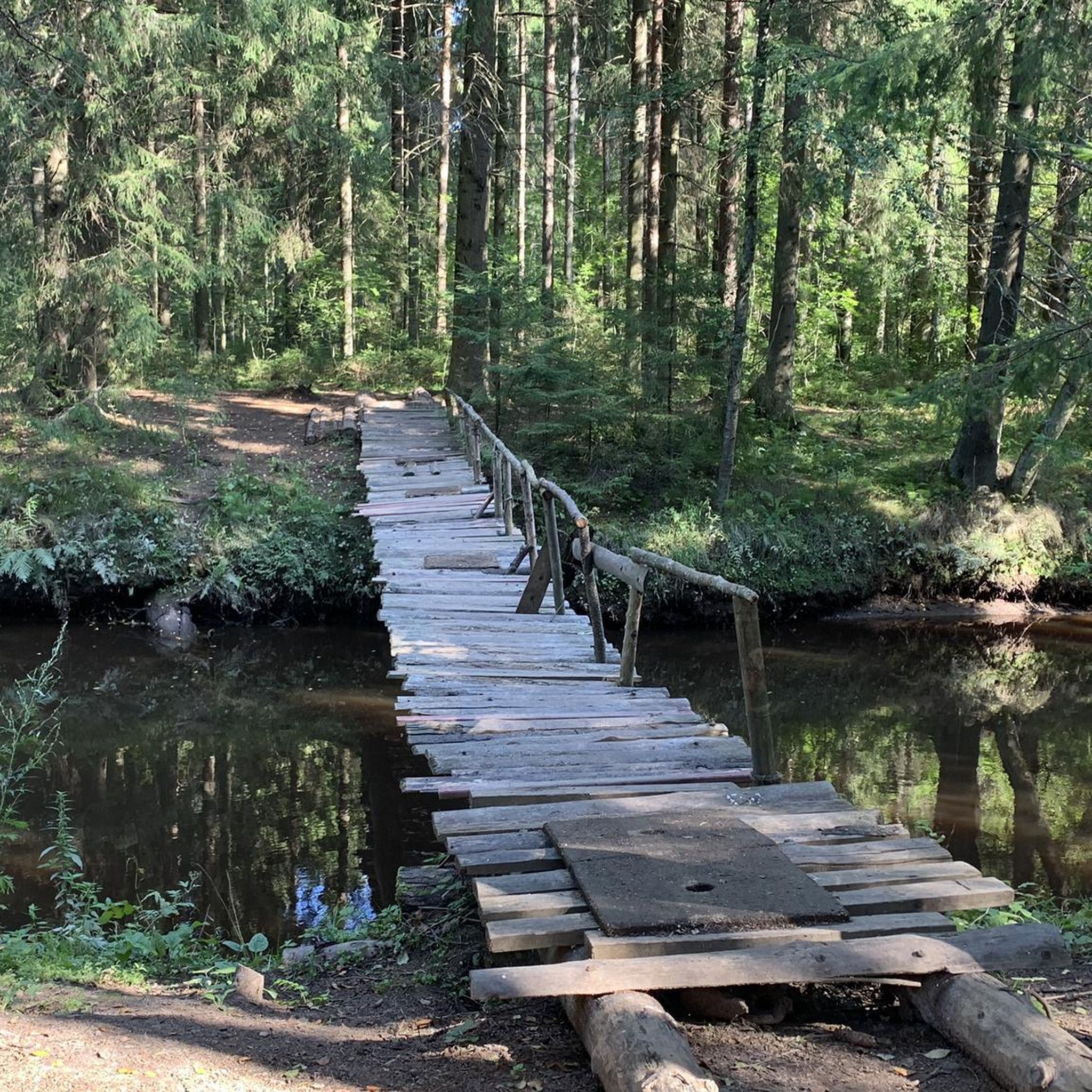
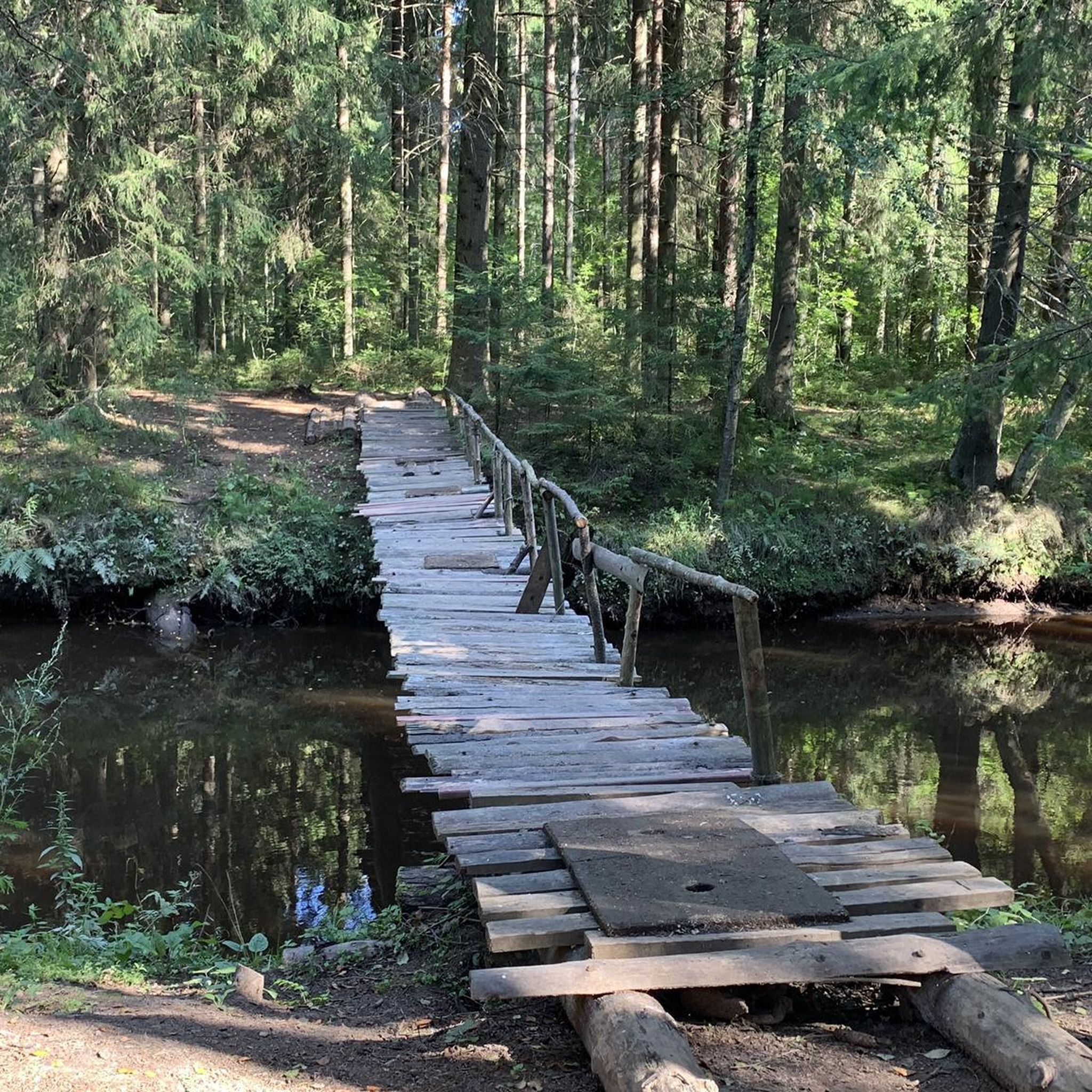
Be careful in winter you can be slippery because of dead leaves but great place
0
0

45km of calm and safety on a path on a false flat uphill not too demanding the first 10 km. The ground surface is of good quality on the majority of the route even if at the end it looks more like gravel with dead leaves and branches on the ground. Very beautiful portion to connect Paris to Deauville
0
0

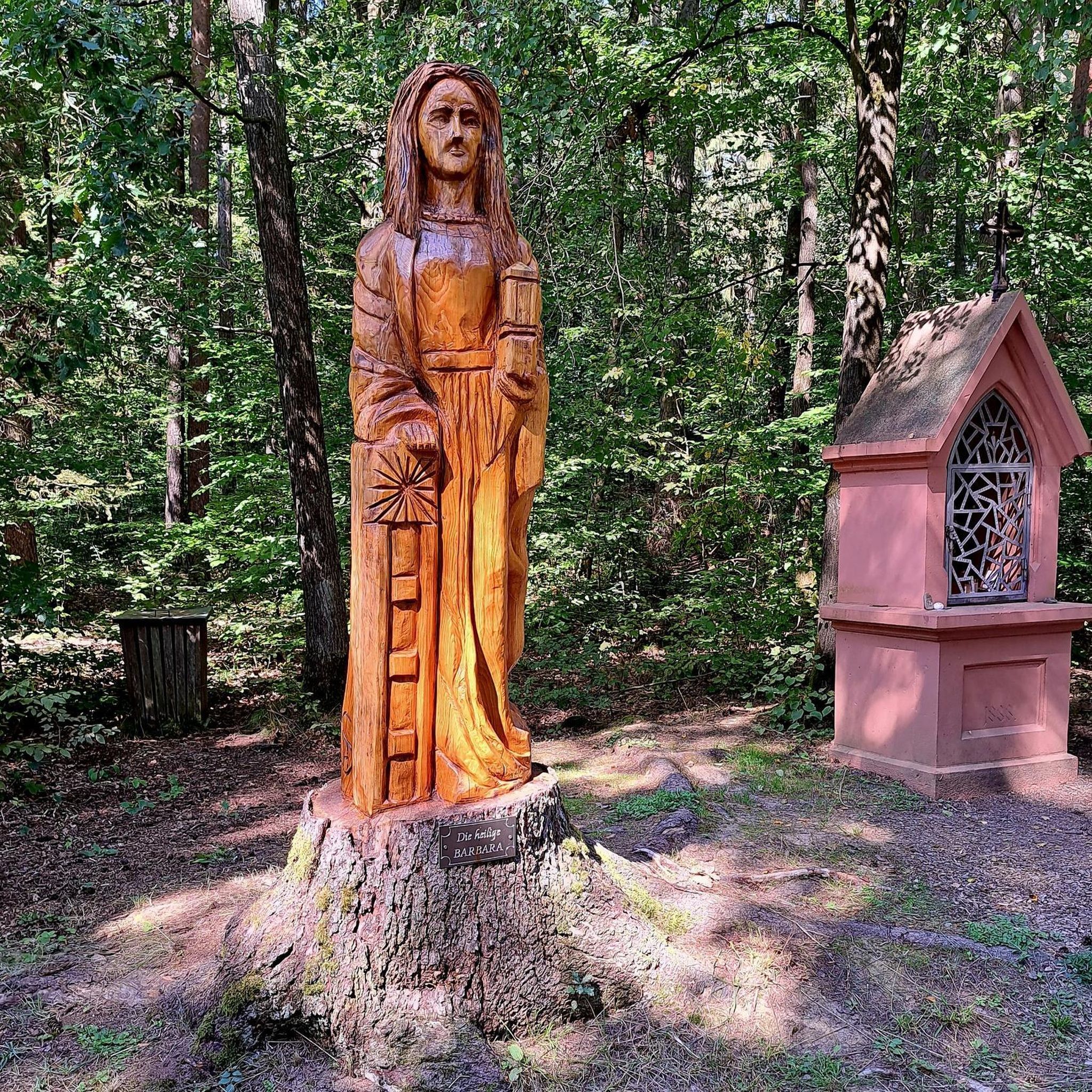
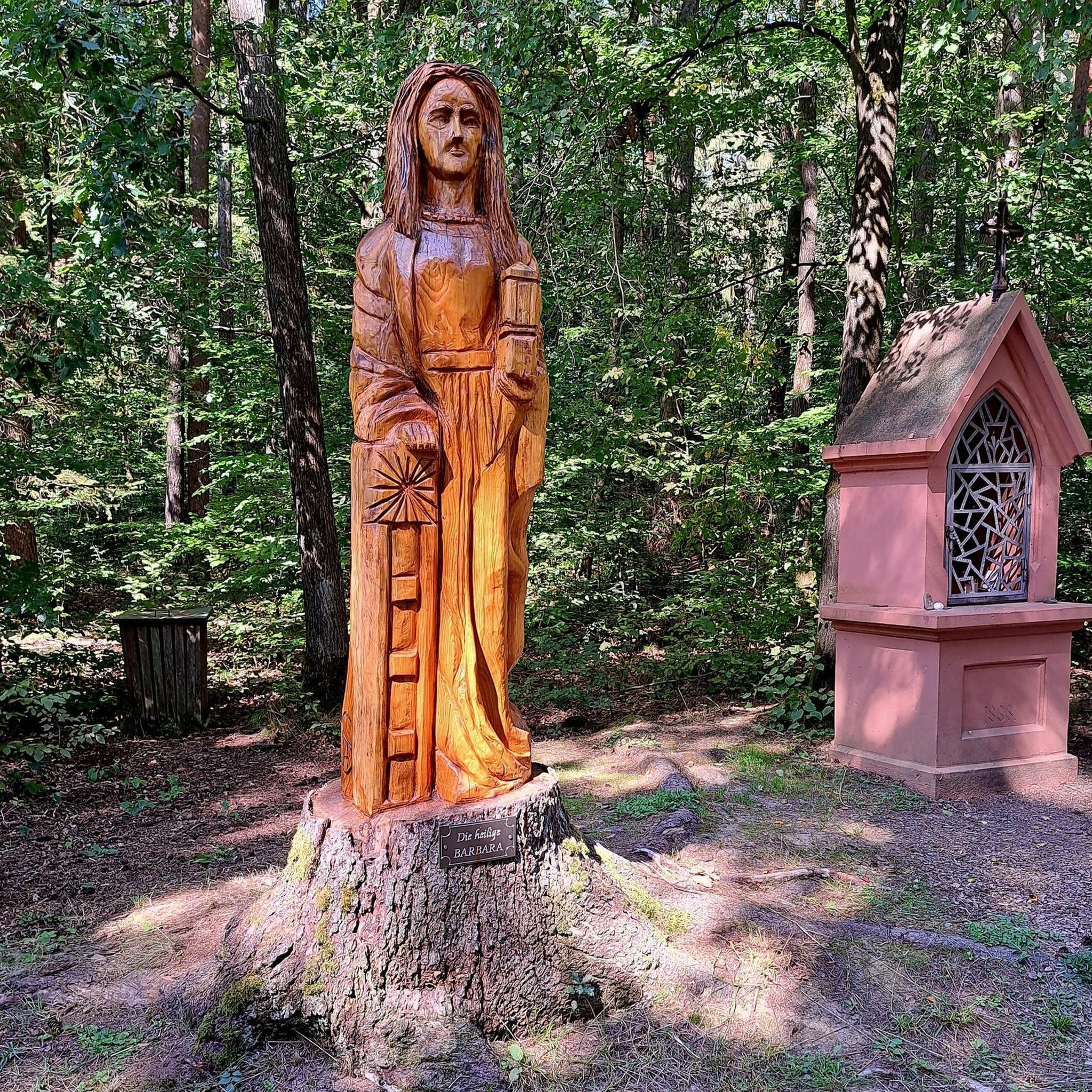
Located on the border of the communes of Heudreville-sur-Eure and Acquigny, “Le Clos Saint-Mauxe”, a small clearing, is a symbolic place of the Christian faith. In the first centuries of our era, Saint-Mauxe, bishop of Italy, persecuted for his faith in God, took refuge in Gaul, accompanied by his brother Vénérand, deacon, and two priests Marc and Etherius. Pursued by the proconsul Sabinus from whom they had escaped in Italy, they were joined by their enemies in this clearing. Sabinus had the heads of Saint Mauxus and Saint Vénérand cut off... as well as eight of his own soldiers who had just been converted by the words and miracles of the holy bishop. This site became a place of fervor and devotion where processions were regularly organized, particularly during difficult times, for example during the plague of 1517 or the droughts of 1556 and 1785. According to historical records, miracles were even cited and an altar with a stone column was erected
1
0
This work located in the town of Acquigny allowed the old Dreux-Rouen railway to cross the Eure.
1
0
Located on the banks of the Iton, the castle was built in 1775, in the neoclassical style characteristic of this period. The cut stone facades have retained their monumentality (basement, noble floors and attic), reinforced by the austerity of the few decorative elements (pediment, cornices). The facades and roofs of the four buildings on the farm were listed in the MH in 1977, the castle, the so-called chalet house, the stables and sheds as well as the cellar located in the commune of Acquigny were listed in 1994 in the MH.
0
0

Very beautiful long cycle path in the Eure. Well paved and very pleasant, far from any road traffic.
0
0

The Château de Houetteville, a private castle visible from the road, is an old Renaissance castle transformed into a neo-medieval castle by Henri Jacquelin around the 1930s. “Jacquelin again transformed a simple neo-classical house in Houetteville into a medieval castle, with astonishing fantasy. In an economically paralyzed country, Houetteville was perhaps the last neo-Gothic castle in France. Extravagant edifice, which prefers to ignore its time to artificially continue a way of life long gone.”
0
0
Frequently Asked Questions
What historical landmarks can I explore directly within Feuguerolles-Bully?
Feuguerolles-Bully is rich in history. You can visit the 11th-century Église Saint-Martin de Bully, a recognized monument, and the 12th-century Romanesque Cross (Croix Vignoble). The Église Notre-Dame-de-la-Nativité de Feuguerolles also features architectural elements from the 12th century. Additionally, the remains of the Feuguerolles-Bully War Memorial, sculpted in 1920, offer a poignant historical perspective.
Are there any natural areas or parks to visit in Feuguerolles-Bully?
Yes, the commune offers several natural spots. The Rivers Orne and La Guigne flow through the area, contributing to its natural beauty. You can also explore the Parc du Manoir du Vivier, a 3.5-hectare park with a 700-meter 'Parcours santé' (health course), a pétanque court, and a bike pump track. For a glimpse into the past, look for the Vestiges Concasseurs des mines de fer along a footpath.
What kind of outdoor activities are available for families in the Feuguerolles-Bully area?
Families can enjoy a variety of outdoor activities. The Parc d'accrobranche "Accrofury" in the Bois de la Bruyère offers 13 treetop adventure courses, with options for both children and adults, including a 1 km zipline. The Parc du Manoir du Vivier also provides green space with a health course and a bike pump track. For cycling, the Greenway from Évreux to Le Neubourg offers a calm and safe paved path suitable for all ages.
Are there good cycling routes near Feuguerolles-Bully?
Absolutely. The Greenway from Évreux to Le Neubourg is a popular choice, offering over 40 km of paved path largely separated from road traffic, making it a calm and safe experience. For more extensive road cycling, you can explore routes like the "Houetteville Castle loop from Quittebeuf" which is an easy 38 km ride. Find more options on the Road Cycling Routes around Feuguerolles guide.
Where can I find hiking trails around Feuguerolles-Bully?
There are several hiking opportunities in the vicinity. You can find trails like the "Château d'Emalleville loop from Brosville," an easy 6.9 km route, or the more moderate "Amfreville Church – Amfreville-sur-Iton Castle loop from Hondouville" at 12.5 km. These trails allow you to explore the local countryside. For a comprehensive list, refer to the Hiking around Feuguerolles guide.
What are some notable castles or man-made structures to see in the wider region?
Beyond Feuguerolles-Bully, the region features interesting structures. You can spot Houetteville Castle, a private neo-medieval castle visible from the road. Another significant structure is the Acquigny railway bridge, which allowed the old Dreux-Rouen railway to cross the Eure river. The Amfreville-sur-Iton Castle, built in 1775 in neoclassical style, is also a beautiful sight on the banks of the Iton.
Are there any unique historical or religious sites nearby, like the Saint-Mauxe Enclosure?
Yes, the Saint-Mauxe Enclosure, located on the border of Heudreville-sur-Eure and Acquigny, is a symbolic place of Christian faith. It's a small clearing where Saint Mauxus and Saint Vénérand were martyred, and it became a site of fervor and devotion, with historical records citing miracles and regular processions.
What are the best times of year to visit Feuguerolles-Bully for outdoor activities?
The spring and summer months (April to September) generally offer the most favorable weather for outdoor activities like cycling, hiking, and exploring the parks. The mild temperatures and longer daylight hours are ideal for enjoying the greenways, historical sites, and natural landscapes of the region.
Are there any dog-friendly walking routes or areas near Feuguerolles-Bully?
While specific dog-friendly designations for all routes are not always available, many of the natural areas and walking paths, such as those along the Rivers Orne and La Guigne, or the general hiking trails listed in the Hiking around Feuguerolles guide, are typically suitable for walks with dogs, provided they are kept on a leash and owners clean up after them. Always check local signage for any restrictions.
What are some popular attractions in the larger Caen area, easily accessible from Feuguerolles-Bully?
Feuguerolles-Bully is conveniently located near Caen, which offers several major attractions. These include the significant Caen Memorial Museum, the historic Caen Castle, the impressive Abbaye aux Hommes, and the beautiful Caen Botanical Garden. For family fun, Parc Festyland and the Park of Colline aux Oiseaux are also popular choices.
Is there a greenway or dedicated path for non-motorized travel in the commune?
Yes, a Voie Verte (shared greenway) passes directly through Feuguerolles-Bully. It's accessible from three points within the commune and is designed for pedestrians, cyclists, and rollers. This route traverses the Calvados department, connecting Ouistreham to Swiss Normandy, offering a safe and pleasant way to explore the region without motorized traffic.
Most popular routes around Feuguerolles

Get inspired with the komoot mobile app


Explore more
Still not found the Highlight you’re looking for? See guides of the top attractions in other regions:
