Attractions and Places To See around Maudétour-En-Vexin - Top 20
Best attractions and places to see around Maudétour-En-Vexin include historical landmarks and natural features within the Vexin Français Regional Natural Park. This commune in the Val-d'Oise department offers access to a diverse landscape of hills, fields, and picturesque villages. The area is characterized by its strategic position as a gateway to rich historical, cultural, and natural offerings. Visitors can explore various sites, from historic châteaux to religious buildings, providing a range of Maudétour-En-Vexin attractions.
Best attractions and places to see…
Last updated: July 29, 2026
La Roche-Guyon Castle
Highlight • Castle
Translated by Google •
Tip by

Château de Théméricourt
Highlight • Castle
Translated by Google •
Tip by

Sign up now to discover places like this
Get recommendations on the best single tracks, peaks, & plenty of other exciting outdoor places.
Sign up for free
Coteaux de la Seine
Highlight • Natural Monument
Translated by Google •
Tip by
Notre-Dame Church, Vétheuil
Highlight • Religious Site
Translated by Google •
Tip by

Le Moulin de Fourges
Highlight • Monument
Translated by Google •
Tip by

Sign up for free to discover even more attractions around Maudétour-En-Vexin.
Sign up for free
Already have an account?
Start today with a free account
Your next adventure awaits.
Login or Signup

Tips from the Community

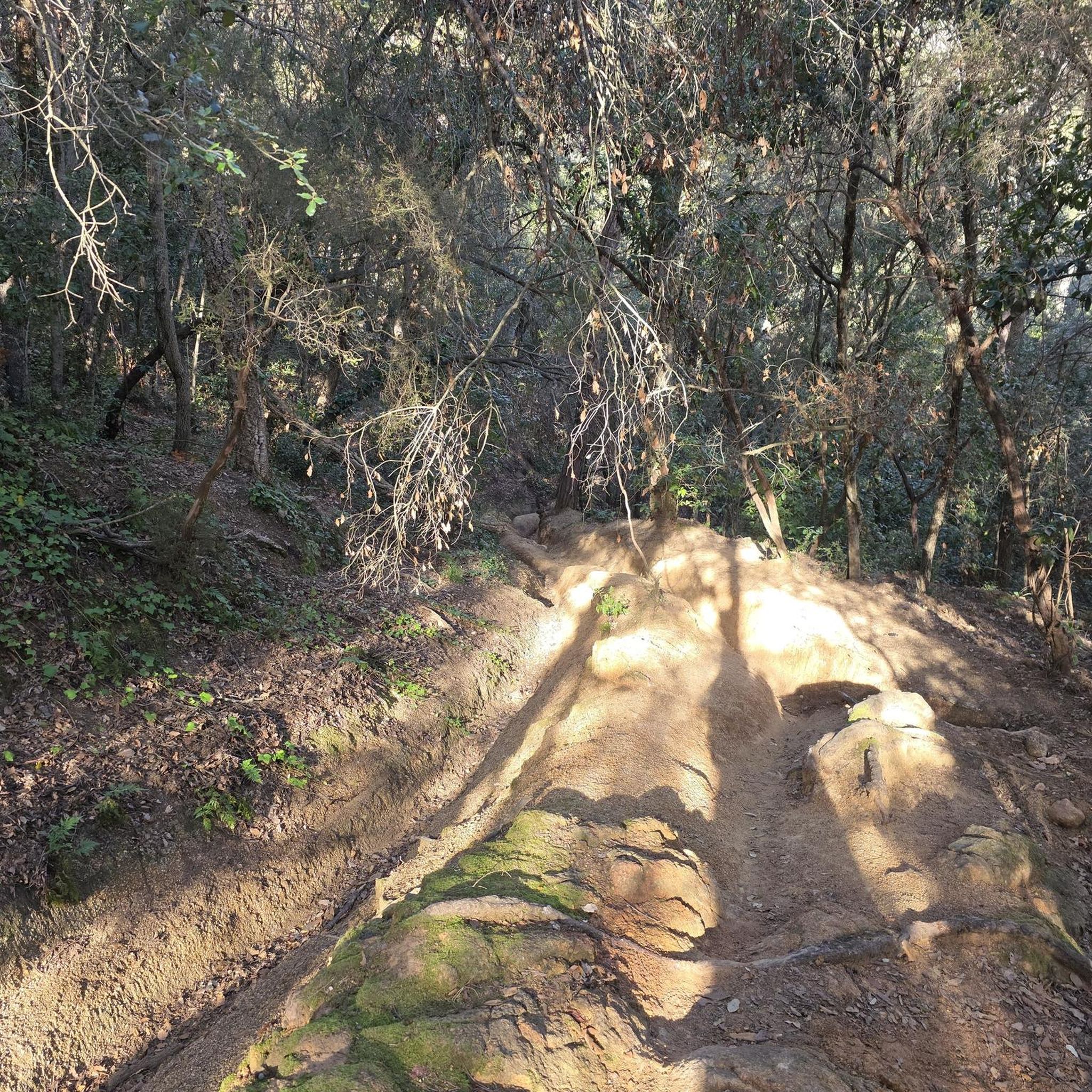
Please note: if you want to park there to go hiking, the car park is currently only open from 2:00 p.m. on Sundays.
0
0


La Roche-Guyon is a charming village and historic site located in Île-de-France, in the Val-d'Oise department. It is particularly known for its impressive medieval castle and its picturesque setting along the Seine. Why visit La Roche-Guyon? Historical Heritage: A visit to the castle allows you to discover an exceptional example of medieval architecture and understand its strategic importance throughout the centuries. Natural Setting: The site offers magnificent landscapes along the Seine, perfect for walks and photographs. Culture and Events: Cultural events and exhibitions enrich the experience of the visit and allow you to discover the local culture. In short, La Roche-Guyon is a must-see destination for those who wish to explore a rich historical heritage, enjoy splendid natural landscapes, and discover the regional culture.
1
0

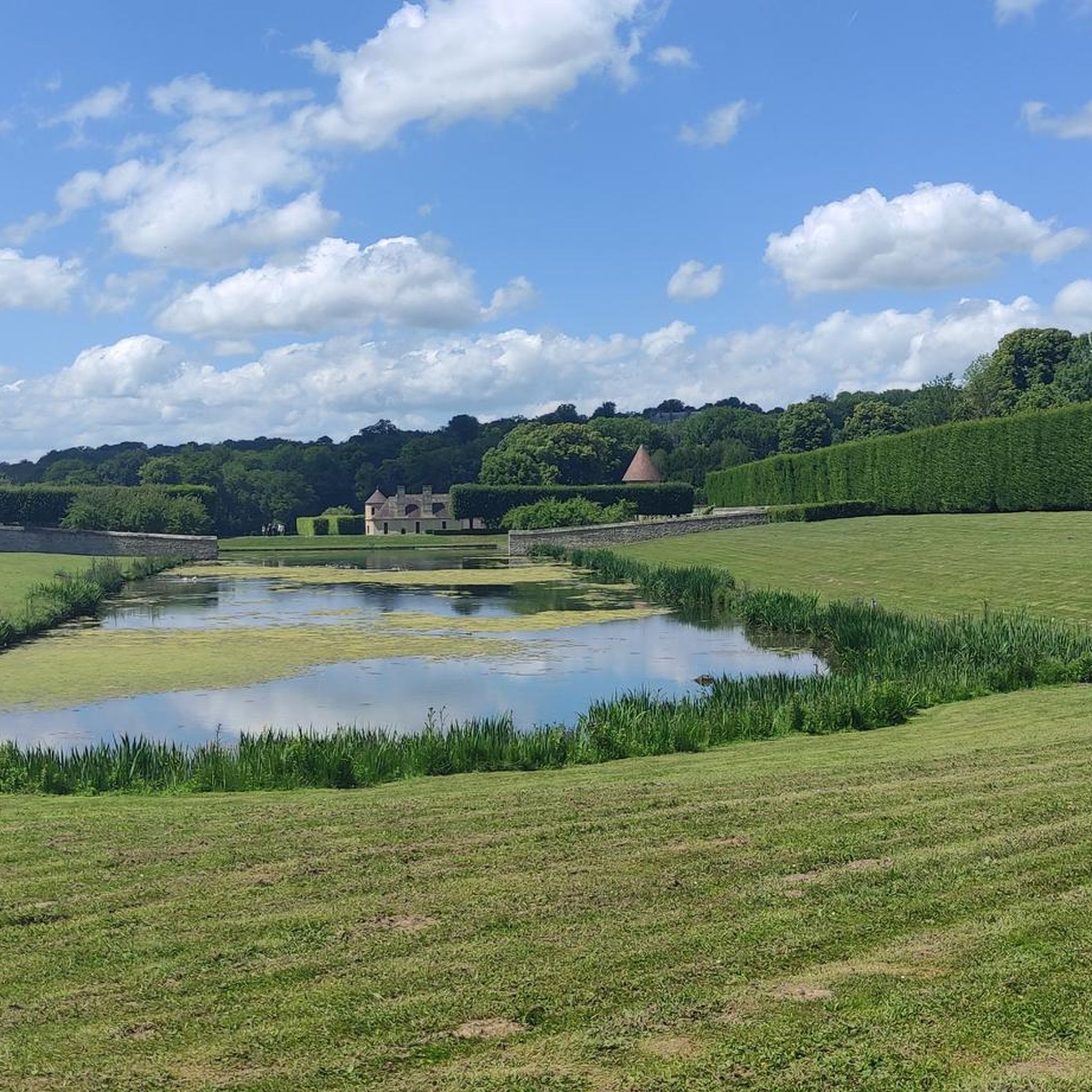
The Moulin de Fourges is a magical place built at the end of the 18th century, with architecture inspired by Queen Marie-Antoinette's hamlet at the Palace of Versailles. At the gates of the Vexin park, this listed site offers a truly bucolic setting with its country garden on the banks of the Epte river.
0
1

For information, following the collapses that occurred last summer, the dovecote peak is no longer accessible to the public for safety reasons.
0
0

The Potager-Verger du Château de la Roche Guyon is a French-style vegetable and fruit garden that is open to the public and allows you to stroll through this wonderful place. The garden faces the Château de la Roche-Guyon, a medieval castle built on a limestone cliff overlooking the Seine. The garden was created in the 17th century by Madeleine Le Tellier de Louvois, wife of François VIII de La Rochefoucauld, first Duke of La Roche-Guyon. The garden has 675 fruit trees, including pear, apple, peach and plum trees, as well as vegetables and aromatic plants. The garden was restored in 2004, after being abandoned for nearly a century. It has received the Remarkable Garden label from the Ministry of Culture.
2
0
Le Moulin de Fourges is located in the Epicurean Gardens, near Giverny, the famous village of the painter Claude Monet. It is located in a magnificent park including several historic buildings dating from 1865: the Château Napoléon III, the Villa Florentine and the Vieilles Écuries. This is a historic watermill that was built in 1791 and is now a restaurant. The mill has a wooden structure resembling a Norman house, with a thatched roof and a Ferris wheel. The mill was used to produce flour until 1914, then became a tourist attraction after the Second World War. It has also been the subject of several films, including "The Longest Day".
2
1
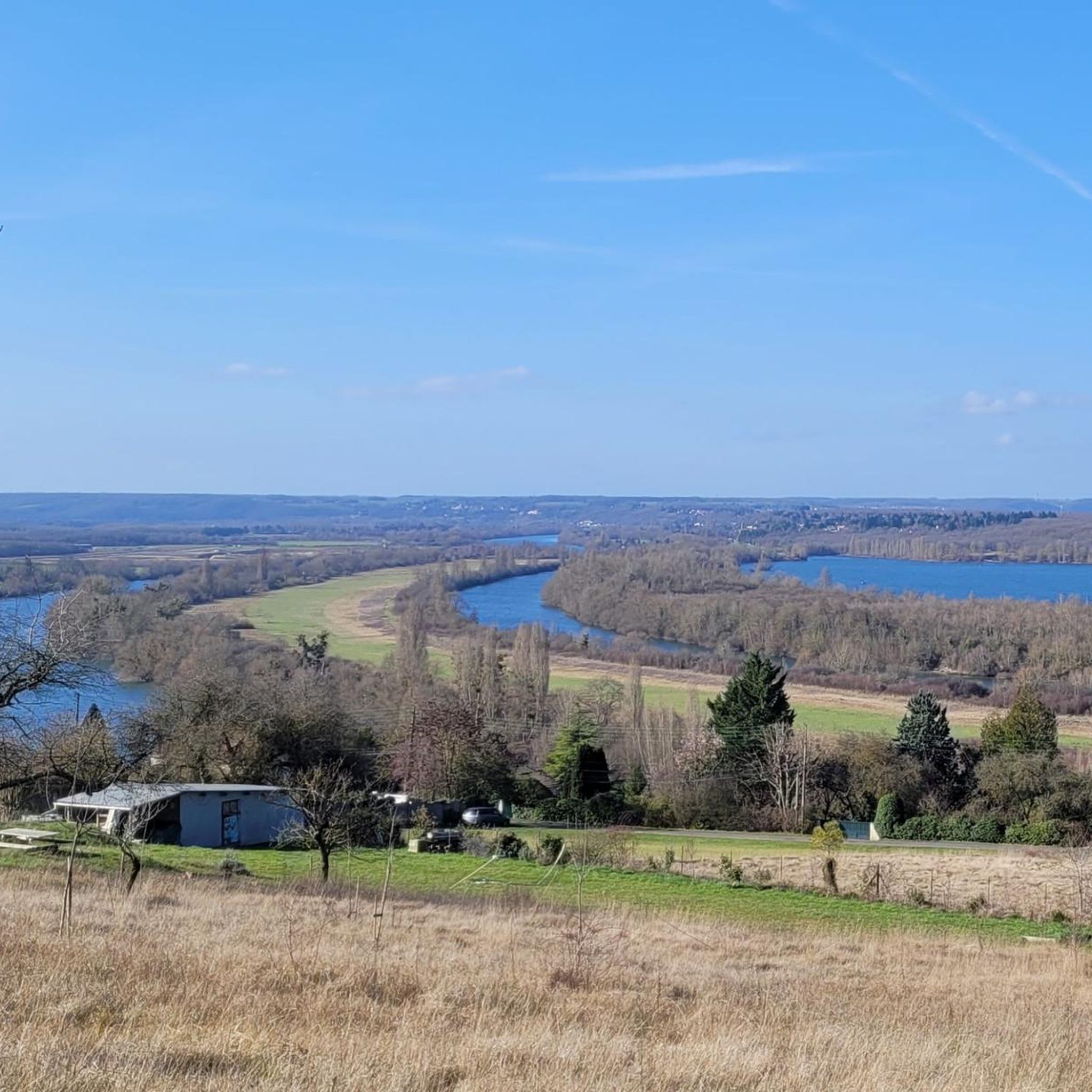
On the other side of the river, a breathtaking view and something to eat
0
0
Frequently Asked Questions
What types of historical sites can I explore near Maudétour-En-Vexin?
The region around Maudétour-En-Vexin is rich in history, featuring several notable châteaux and religious buildings. You can visit the impressive La Roche-Guyon Castle, a medieval fortress built into a chalk cliff with over 1000 years of history. Another significant site is the Château de Théméricourt, known for its 15th-century architecture and beautiful park. For religious heritage, the Notre-Dame Church in Vétheuil stands out with its primitive Gothic apse and Renaissance portals.
Are there opportunities for outdoor activities like hiking or cycling in the Vexin Français Regional Natural Park?
Yes, the Vexin Français Regional Natural Park, where Maudétour-En-Vexin is located, is ideal for outdoor enthusiasts. You'll find numerous trails for hiking and cycling. For specific routes, you can explore options like the 'Bois de Morlu – Bois de la Moinerie loop from Genainville' for running, or 'From Maudétour-en-Vexin to Chaussy — loop in the Parc naturel régional du Vexin français' for cycling. You can find more detailed routes and guides for running, cycling, and road cycling in the area.
What natural features can I discover near Maudétour-En-Vexin?
The Vexin Français Regional Natural Park offers a diverse landscape of verdant hills, flower-filled fields, and picturesque waterways. A notable natural feature is the Falaises de La Roche-Guyon, impressive limestone cliffs that provide breathtaking views over the Seine valley and are considered a geological gem in the Île-de-France region.
Are there any family-friendly attractions or activities in the area?
Yes, the region offers family-friendly options. The Château de Théméricourt is a great choice, featuring a park with a pond that's ideal for a break or a picnic. Exploring the Vexin Français Regional Natural Park itself provides ample opportunities for family walks and enjoying nature.
What is the significance of the Château de Maudétour-en-Vexin?
The Château de Maudétour-en-Vexin is an 18th-century classical architectural marvel, inscribed as a historical monument in 1947. Built on the site of the former manor of Rubentel, it features a distinctive appearance due to an uncompleted wing. Today, it often functions as a guesthouse and hosts events, standing at the center of the village. You can learn more about its history on Wikipedia.
Can I visit Claude Monet's house and gardens from Maudétour-En-Vexin?
Yes, the famous village of Giverny, home to Claude Monet's house and gardens, is a short distance from the Vexin area, approximately 30 minutes drive. It's a renowned destination where you can explore Monet's former residence, the Impressionist Museum, and the charming village streets.
What do visitors particularly enjoy about the attractions near Maudétour-En-Vexin?
Visitors frequently appreciate the blend of historical depth and natural beauty. For instance, the La Roche-Guyon Castle is admired for its unique integration with the chalk cliff, creating a 'dialogue between the building and its environment.' The peaceful parks of châteaux like Château de Théméricourt are also popular for relaxation and picnics.
Are there any unique or unusual historical sites to see?
Beyond the traditional châteaux, you might find the Distillerie de Fremainville interesting. This old distillery, built in the 1920s, has a fascinating history, having produced beet alcohol, served as a military battery site during WWII, and even been used as a film set before being renovated into a reception area.
What is the best time of year to visit Maudétour-En-Vexin and the surrounding Vexin Français Regional Natural Park?
The Vexin Français Regional Natural Park is beautiful throughout the warmer months, typically from spring to early autumn (April to October), when the fields are verdant and flowers are in bloom, making it ideal for outdoor activities like hiking and cycling. The châteaux and villages are generally accessible year-round, but specific opening hours for attractions may vary seasonally.
Can I find other castles besides La Roche-Guyon and Théméricourt?
Yes, the region is dotted with various historical estates. You can also discover Moussy Castle, a small village castle known for its strong entrance framed by two round towers and magnificent architecture. Additionally, the broader Vexin area includes sites like Château Conti, which has undergone renovation.
What kind of views can I expect in the Vexin Français Regional Natural Park?
The Vexin Français Regional Natural Park offers exceptional panoramas. You can expect views of verdant hills, expansive flower-filled fields, and picturesque villages. The Falaises de La Roche-Guyon, for example, provide stunning vistas over the Seine valley.
Most popular routes around Maudétour-En-Vexin
Most popular attractions around Maudétour-En-Vexin

Get inspired with the komoot mobile app


Explore more
Still not found the Highlight you’re looking for? See guides of the top attractions in other regions:
