Attractions and Places To See around Cluny - Top 20
Best attractions and places to see around Cluny include a rich array of historical landmarks and cultural sites in the Burgundy region of France. The area is primarily known for its medieval heritage, particularly the legacy of its influential abbey. Visitors can explore a mix of historical sites, cultural points of interest, and picturesque natural features within a rolling countryside setting. The town itself offers a concentration of Romanesque architecture and green spaces.
Best attractions and places to see around Cluny
- The most popular attractions is Cormatin Castle, a castle that features well-preserved Louis XIII apartments and extensive gardens. This 17th-century chateau is surrounded by wide moats and includes a monumental stone staircase.
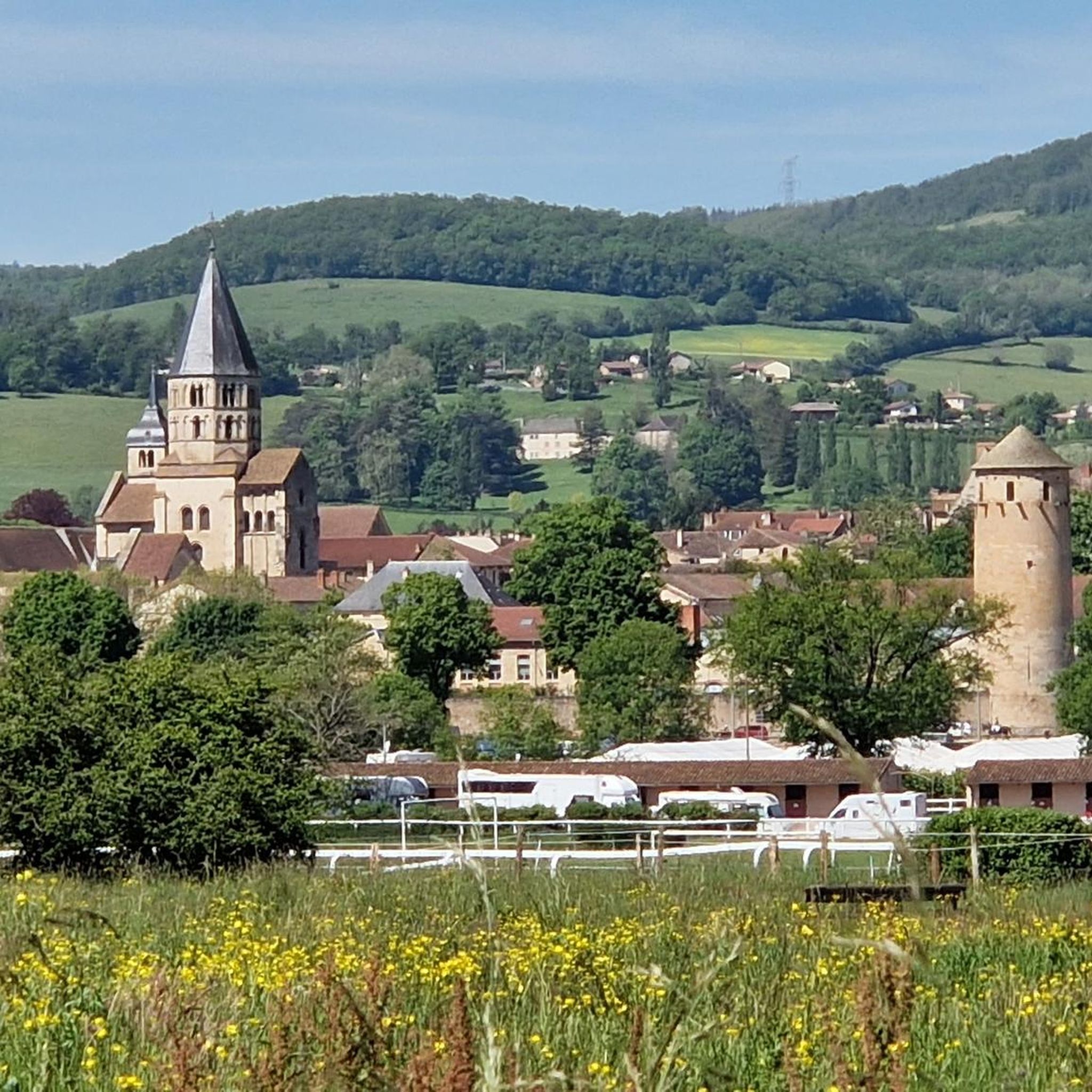
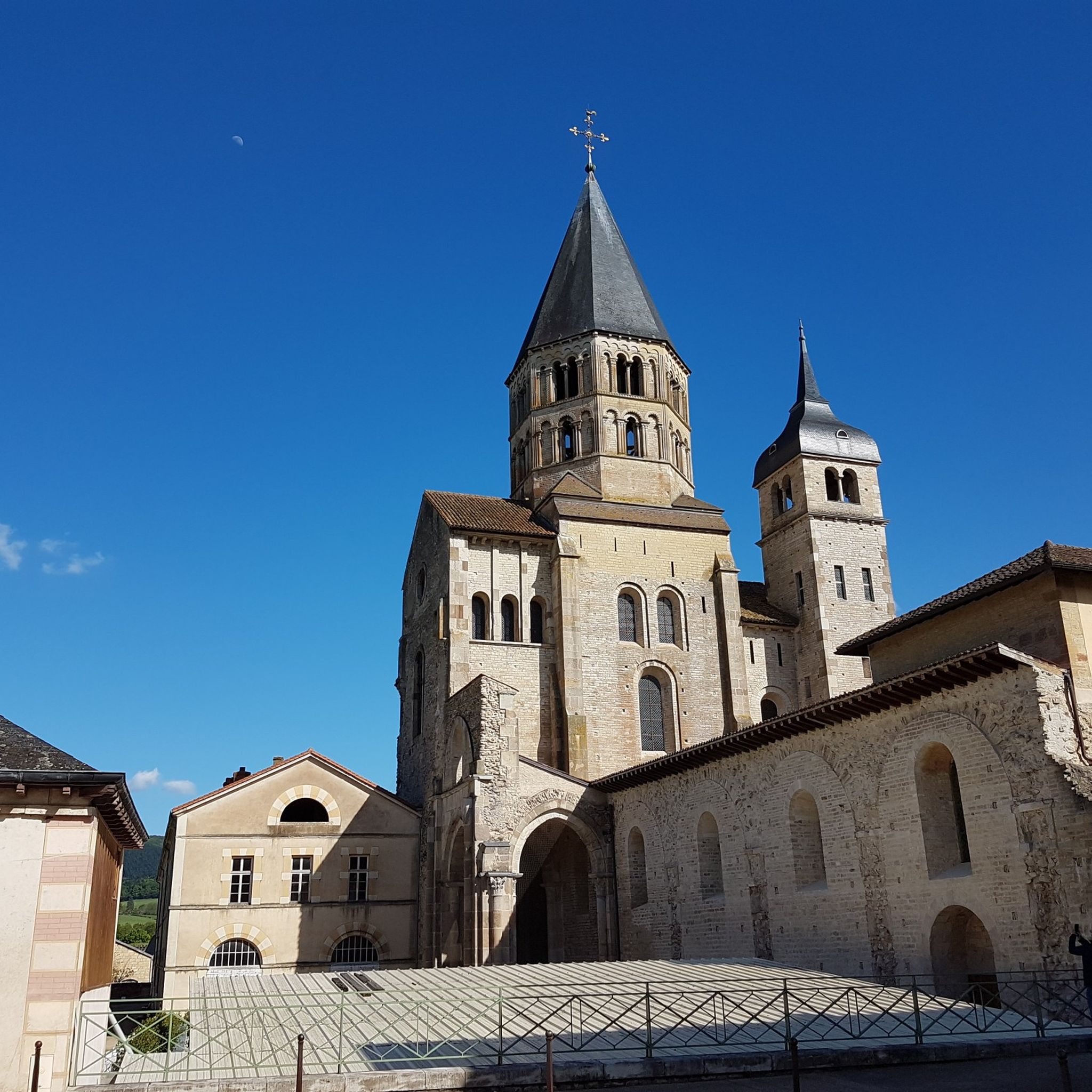
- Another must-see spot is Cluny, a settlement that was the center of the Cluniac reform and home to the world's largest Romanesque basilica. Although largely destroyed, the remaining relics of the abbey are notable and offer insight into its past grandeur.
- Visitors also love Sainte-Marie-Madeleine Church, a small and simple village church in Taizé. This site is significant as the founding place and final resting spot of Frere Roger, founder of the Taizé community.
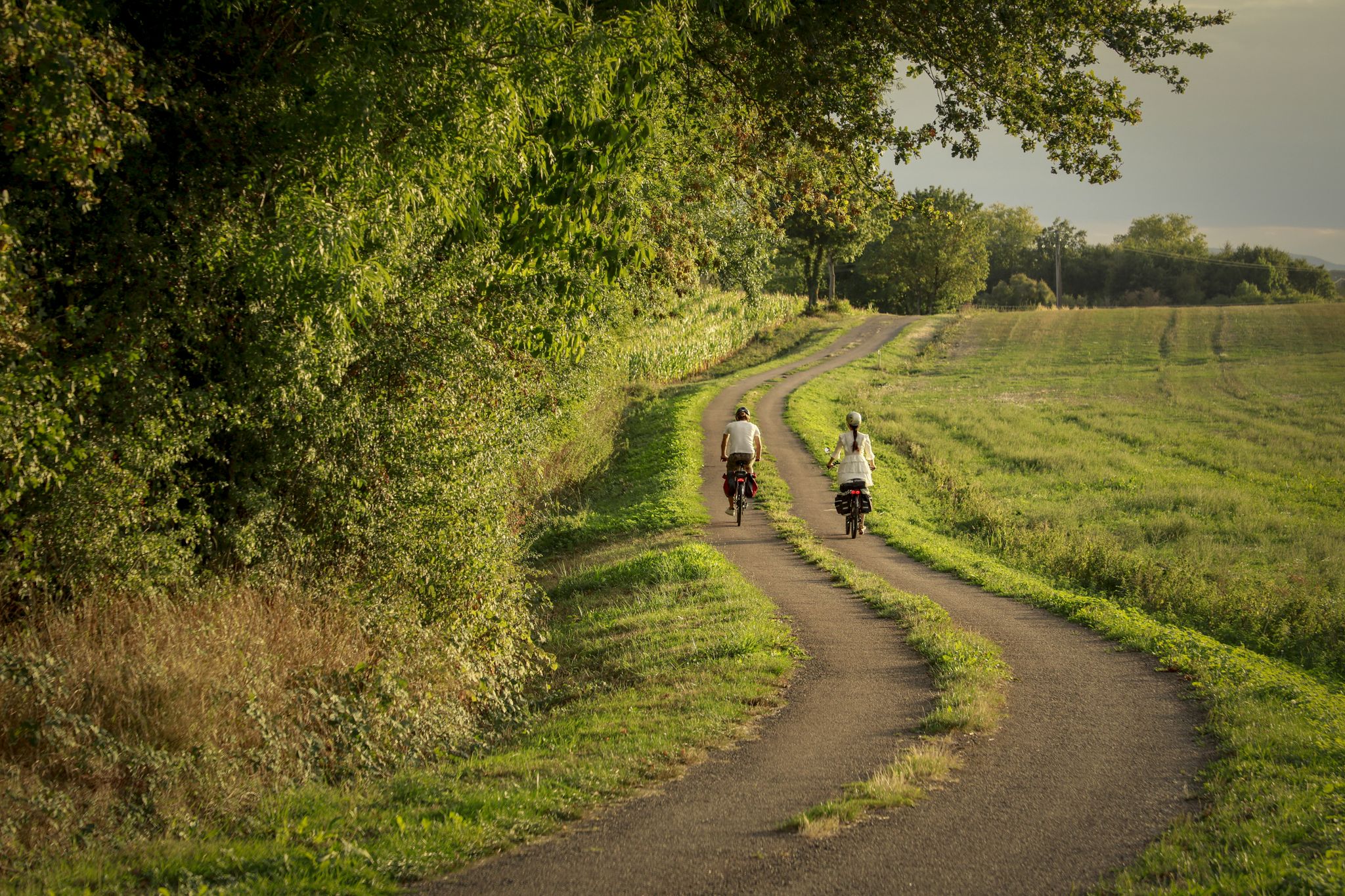
- Cluny is known for its historical sites, religious buildings, and natural features like cycling paths. The region offers a variety of attractions to see and explore, from medieval architecture to green spaces and scenic routes.
- The attractions around Cluny are appreciated by the komoot community, with more than 220 upvotes and 71 photos shared by visitors.
Last updated: September 26, 2026
Cluny
Highlight • Settlement
The last abbey church (Cluniac 3) was the world's largest Romanesque basilica and, until the construction of today's St. Peter's Basilica in Rome, the largest church in Christendom. The church had seven towers.
Although large parts of the building were destroyed, the remaining relics are absolutely remarkable and make a visit to Cluny an unforgettable experience!
Translated by Google •
Tip by

Cormatin Castle
Highlight • Castle
Translated by Google •
Tip by

Sign up now to discover places like this
Get recommendations on the best single tracks, peaks, & plenty of other exciting outdoor places.
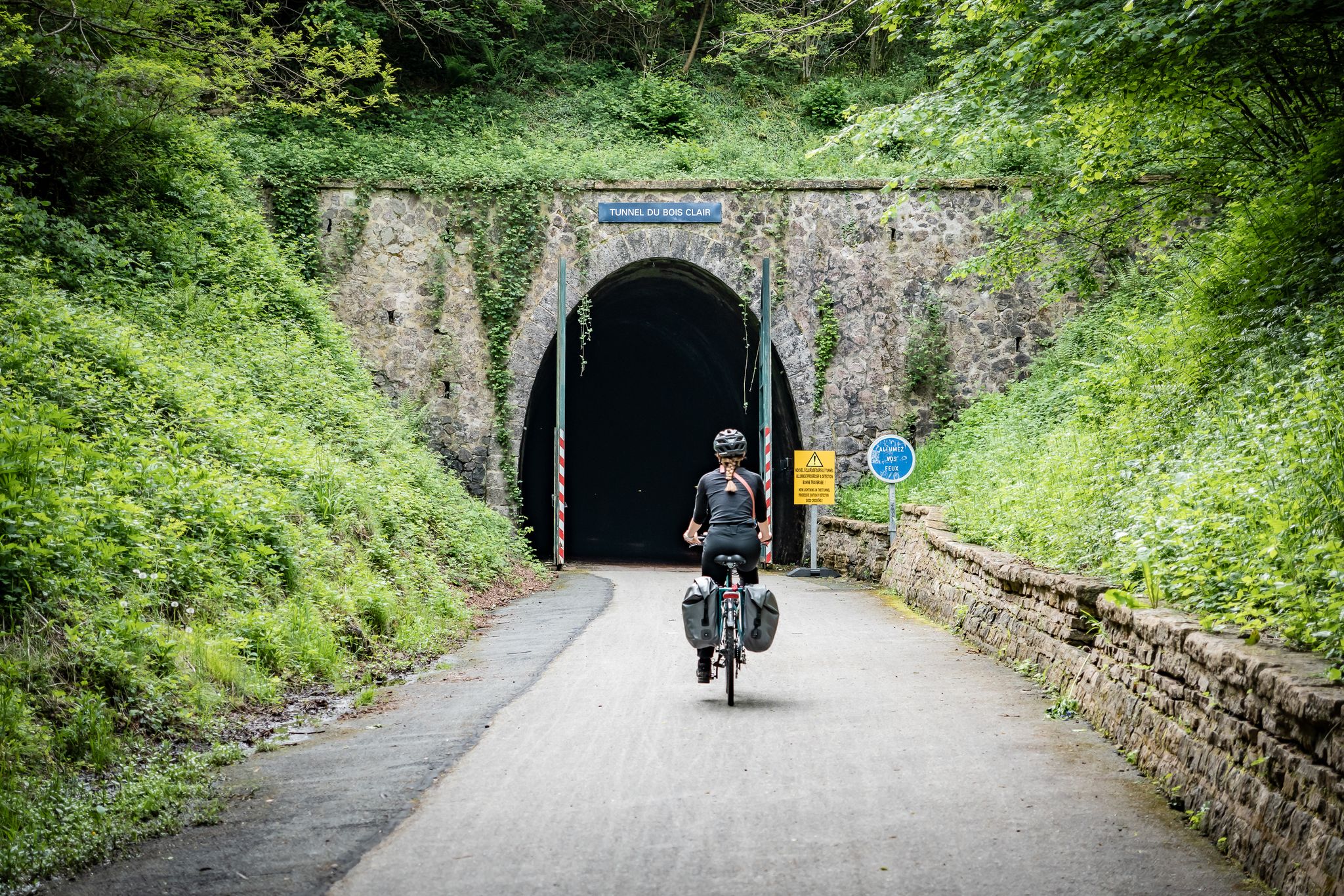
Tunnel du bois clair
Highlight • Other
Translated by Google •
Tip by

Cluny
Highlight • Other
Translated by Google •
Tip by

Medieval fortress of Berzé-le-Châtel
Highlight • Castle
Superbly preserved, you can enjoy the three enclosures, a catering service and a picnic area.
Translated by Google •
Tip by
Sign up for free to discover even more attractions around Cluny.
Already have an account?
Start today with a free account
Your next adventure awaits.
Popular around Cluny



Tips from the Community

The temperature is very pleasant in the tunnel, summer and winter.
0
0

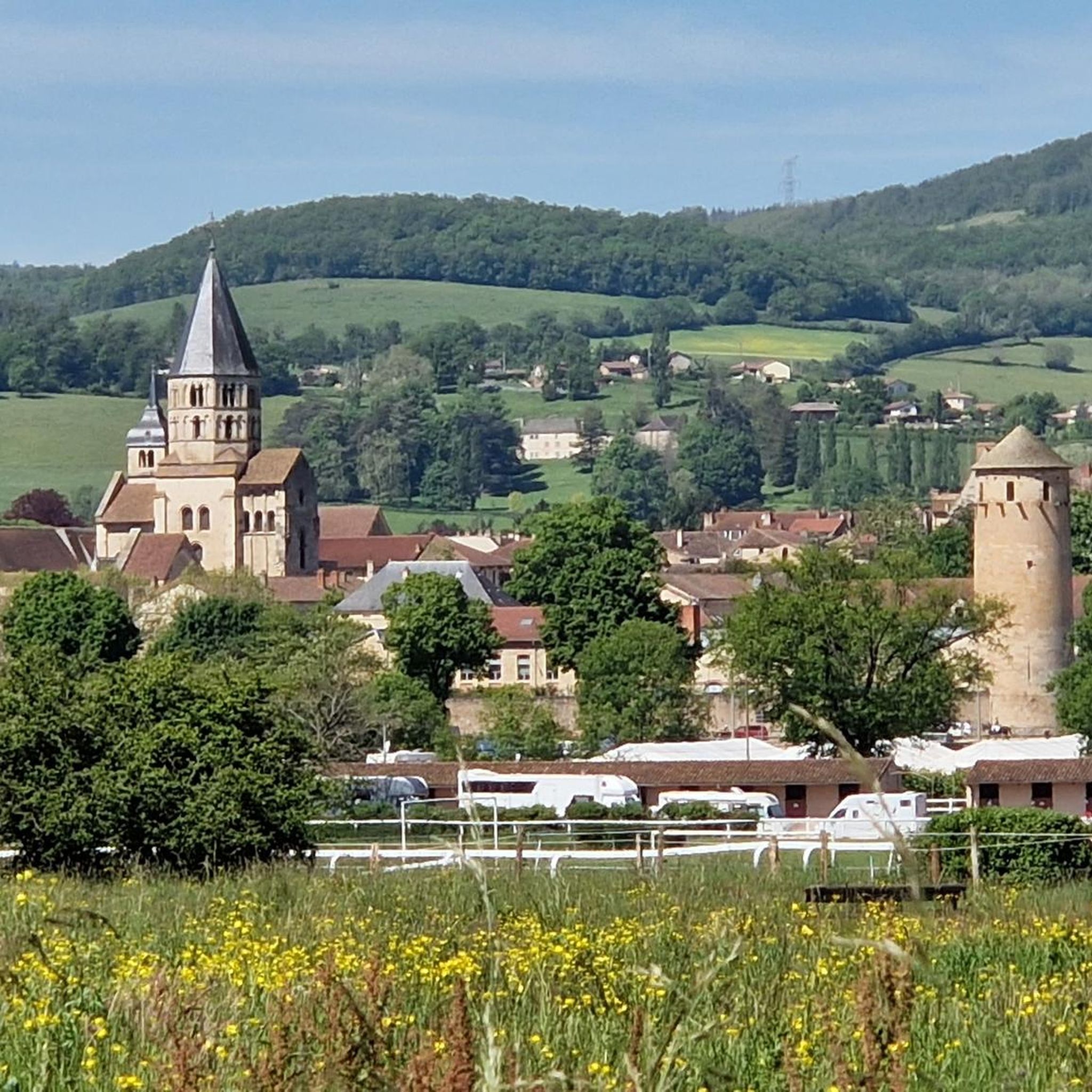
The historic town of Cluny, located in the Bourgogne-Franche-Comté region, can best be admired from the viewing platform of the famous Cheese Tower (Tour des Fromages), from which you can enjoy a striking 360-degree view over the historic rooftops and the gentle, green hills of Southern Burgundy. Cluny is world-renowned for its Benedictine abbey, founded in 910 AD. In the High Middle Ages, the abbey was the starting point of the pioneering Cluniac reform movement and developed into the head of a Europe-wide monastic order with over 1,200 monasteries.
0
0
The Château de Cormatin is a magnificent early 17th-century water castle. The castle was built between 1606 and 1625 by the Marquises d'Huxelles. It houses the best-preserved state rooms from the time of Louis XIII in all of France. Famous are the "Gilded Rooms" (Salles Dorées) with lavish paintings, sculptures, and gold leaf ceilings. The extensive grounds, covering approximately 12 hectares, are among the most beautiful gardens in France. Highlights in the outdoor area include a large boxwood maze, an open-air baroque theatre, water features, and a historic vegetable garden.
3
0
The Château de Berzé-le-Châtel (also known as Forteresse de Berzé) is the largest and best-preserved medieval castle in southern Burgundy. The site dates back to a 10th-century castrum and was strategically built on a rocky outcrop to protect the nearby powerful Abbey of Cluny. The fortress consists of three concentric walls and features 13 towers (including two keeps/donjons) as well as an imposing gatehouse. The heart inside is a remarkable Carolingian chapel.
1
0

Very beautiful castle. Feel free to visit the monks' chapel of Berzé la ville, with very beautiful paintings from the abbey of Cluny
1
0
In the Middle Ages, the abbey was one of the most influential spiritual and cultural centers in Europe. Cluny was the mother house of the Cluniac Reform and headed a federation of over 1,200 monasteries. The third abbey church (Cluny was the largest church in the Christian world until the construction of St. Peter's Basilica in Rome). Of the once-mighty complex, only parts of the southern transept remain today, as the abbey was largely used as a quarry and demolished after the French Revolution.
1
0

The town of Cluny was based on the Benedictine monastery (Cluniac Abbey), founded in 910. The abbey was the starting point and center of the Cluniac reform at the beginning of the 10th century. Cluny reached its peak membership at the beginning of the 12th century with approximately 400 monks. The last abbey church (Cluniac 3) was the world's largest Romanesque basilica and, until the construction of today's St. Peter's Basilica in Rome, the largest church in Christendom. The church had seven towers. Although large parts of the building were destroyed, the remaining relics are absolutely remarkable and make a visit to Cluny an unforgettable experience!
2
0
Frequently Asked Questions
What historical sites can I explore in and around Cluny?
Cluny is rich in history, primarily known for its medieval heritage. You can visit the impressive Cluny Abbey, once the world's largest Romanesque basilica, where remaining vestiges offer a glimpse into its past grandeur. Other notable historical sites include the Cormatin Castle, a 17th-century chateau with well-preserved Louis XIII apartments and extensive gardens, and the Sainte-Marie-Madeleine Church in Taizé, significant as the founding place of the Taizé community. Don't miss the Church of the Assumption of Ameugny, a beautiful 12th-century Romanesque parish church.
Are there any family-friendly attractions in the Cluny area?
Yes, several attractions are suitable for families. Cormatin Castle offers a delightful experience with its monumental stone staircase, well-preserved apartments, and extensive gardens including a large boxwood labyrinth that children often enjoy. The Haras National de Cluny (National Stud Farm) is also a great option, offering shows with performing horses and opportunities to see beautiful stallions, making it both engaging and educational.
What kind of outdoor activities can I do near Cluny?
The Cluny area offers a variety of outdoor activities, especially for those who enjoy walking, running, and cycling. You can explore numerous hiking and walking routes through the surrounding rolling countryside. For cyclists, the Voie Verte (Greenway) provides a scenic path through vineyards and wooded landscapes. Komoot users have also mapped out several routes for different sports:
- Running: Discover trails like the 'View of Cluny loop' or 'Hôtel-Dieu – Cluny loop'. Find more options in the Running Trails around Cluny guide.
- Road Cycling: Explore routes such as 'Col des Enceints — loop from Cluny' or 'Col du Bois Clair – Bois Clair tunnel loop'. More details are available in the Road Cycling Routes around Cluny guide.
- Mountain Biking: Tackle trails like 'Cluny – Cluny loop from Cluny' or 'Château de Berzé-le-Châtel – Fontaine des croix loop'. See the MTB Trails around Cluny guide for more.
Are there specific natural features or scenic viewpoints to visit around Cluny?
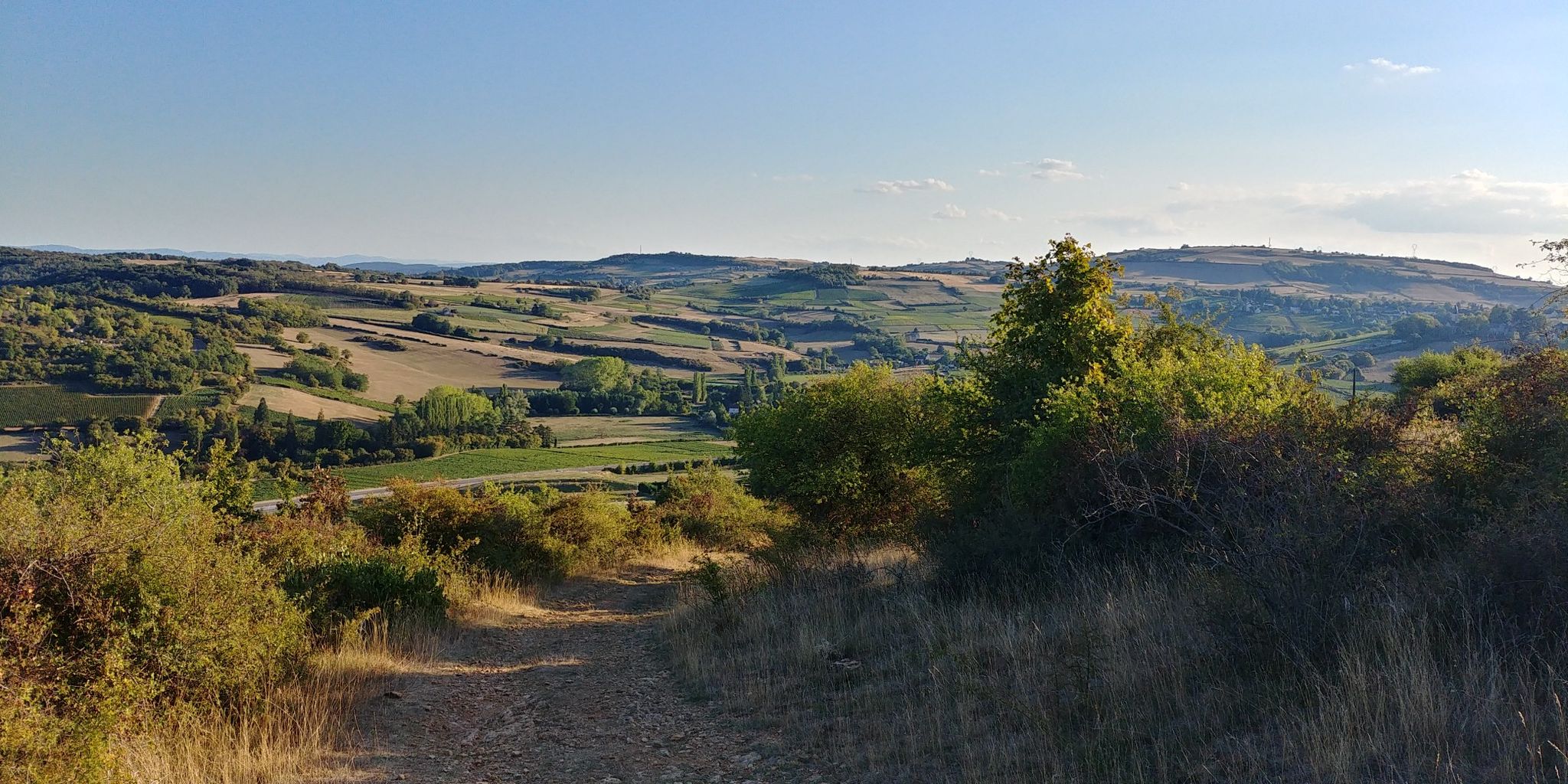
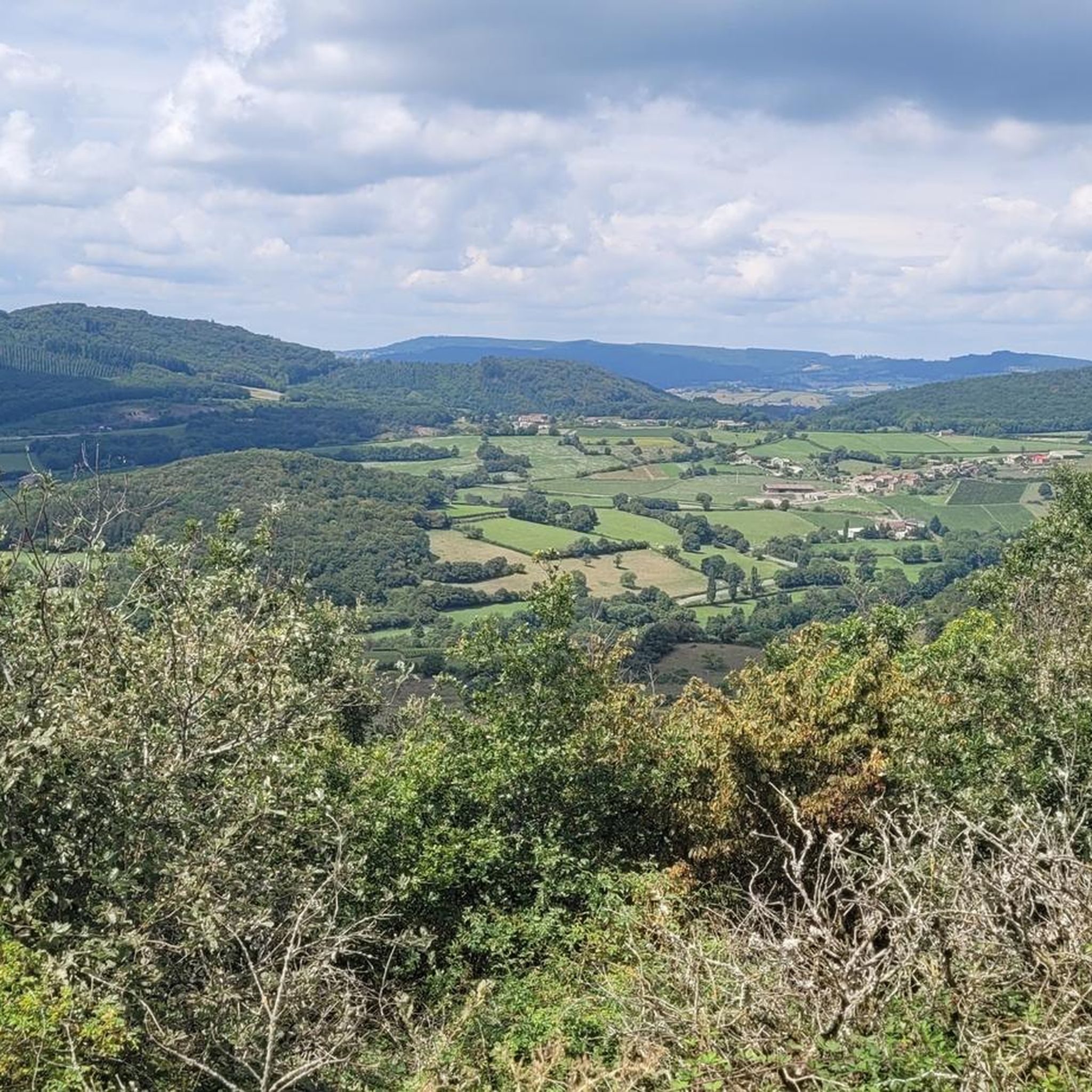
Cluny is nestled within a picturesque rolling countryside, offering scenic views and a tranquil atmosphere. For panoramic views of Cluny, the abbey, and the surrounding landscape, climb the 120 steps of the Tour des Fromages (Cheese Tower). The area also features several green spaces for relaxation, including Le Parc Abbatial, Le Jardin de Simples, and La Roseraie de Cluny. The Voie Verte cycling path provides opportunities to enjoy the natural beauty of the Maconnais and Chalonnais regions.
What is the significance of Cluny Abbey?
The Cluny Abbey was a pivotal center of monastic life and spiritual influence in medieval Europe. Once the largest church in the world until the construction of St. Peter's in Rome, it was the starting point and center of the Cluniac reform. Although largely destroyed during the French Revolution, the remaining vestiges, including parts of the transepts and a bell tower, are spectacular and offer a profound glimpse into its past grandeur. Digital devices and augmented reality tours help visitors visualize the abbey in its prime.
Can I explore the medieval town center of Cluny?
Absolutely. Cluny itself is a charming medieval town with a rich concentration of Romanesque architecture. Strolling through its picturesque, winding cobbled streets allows you to admire numerous Romanesque houses with elegant facades. Bronze nails on the ground mark discovery itineraries provided by the tourist office, guiding you through the town's historical highlights.
What is the Tunnel du bois clair and where is it located?
The Tunnel du bois clair is notable as the longest bicycle tunnel in Europe, stretching 1600 meters. It's a unique feature for cyclists exploring the region. It is typically open from April 14th to June 30th, so check local information for exact seasonal opening times.
What is the best time to visit Cluny for sightseeing and outdoor activities?
Cluny can be enjoyed throughout the year, but the best time often depends on your preferred activities. For outdoor activities like hiking and cycling, spring (April-June) and autumn (September-October) offer pleasant temperatures and beautiful scenery. Summer (July-August) is ideal for enjoying the town's green spaces and cultural events like the classical music festival 'Les Grandes Heures de Cluny'. Always check local weather forecasts before your visit.
Are there any museums or cultural institutions in Cluny?
Yes, Cluny hosts the Musée d'Art et d'Archéologie (Museum of Art and Archaeology). Housed in the elegant 15th-century Palais Jean de Bourbon, this museum showcases numerous remnants and artifacts from the glorious Cluniac era, including Romanesque sculptures and a reconstruction of the Grand Portal of Cluny III. Additionally, the Hôtel-Dieu de Cluny, dating back to 1703, features a monumental chapel, a sick room, and a pharmacy with collections of pharmaceutical majolica and pewter.
What do visitors enjoy most about the attractions around Cluny?
Visitors frequently praise the rich historical atmosphere and the well-preserved heritage. The grandeur of the Cluny Abbey ruins and the beauty of Cormatin Castle, with its stunning gardens and interiors, are often highlighted. Many appreciate the opportunity to explore the medieval town center and the peaceful, scenic countryside, making it a destination that combines cultural immersion with outdoor enjoyment.
Is there a place to see horses in Cluny?
Yes, Cluny is known as the 'town of the horse' and is home to the Haras National de Cluny (National Stud Farm). Established over 200 years ago under Napoleon, it offers a unique experience where visitors can see beautiful stallions and often enjoy shows with performing horses, making it a fascinating visit for horse enthusiasts.
Are there any spiritual or religious sites of interest near Cluny?
Beyond the historic Cluny Abbey, the region has other significant religious sites. The Sainte-Marie-Madeleine Church in Taizé is the original village church where Frere Roger founded the renowned Taizé community. It also serves as his final resting place. Additionally, the Church of the Assumption of Ameugny is a beautiful 12th-century Romanesque parish church with restored 16th-century murals.
Most popular attractions around Cluny

Get inspired with the komoot mobile app


Explore more
Still not found the Highlight you’re looking for? See guides of the top attractions in other regions:
