Attractions and Places To See around Saint-Symphorien - Top 20
Best attractions and places to see around Saint-Symphorien include a variety of natural landscapes and historical sites, primarily located in the Normandy region. This area features wetlands, river valleys, and traditional architecture. Visitors can explore a mix of settlements, viewpoints, and cultural landmarks. The region offers opportunities to experience both natural beauty and historical significance.
Best attractions and places to see around Saint-Symphorien
- The most popular attractions is Pont-Audemer, a settlement that is drained by the Risle, a tributary…
Last updated: May 11, 2026
Pont-Audemer
Highlight • Settlement
Translated by Google •
Tip by

Marais Vernier Viewpoint
Highlight • Viewpoint
Translated by Google •
Tip by

Sign up now to discover places like this
Get recommendations on the best single tracks, peaks, & plenty of other exciting outdoor places.
Sign up for free
La route des Chaumières
Highlight (Segment) • Other
Translated by Google •
Tip by

Saint-Nicolas Chapel and Departmental Museum of the Resistance and Deportation
Highlight • Religious Site
Translated by Google •
Tip by

Les Ponts Gras
Highlight • Other
Translated by Google •
Tip by

Sign up for free to discover even more attractions around Saint-Symphorien.
Sign up for free
Already have an account?
Start today with a free account
Your next adventure awaits.
Login or Signup



Tips from the Community

A new observatory has been open at the Grand'Mare de Sainte-Opportune since April 2025. (The old one was damaged during a storm.) A must-see for bird lovers and those who love nature. The cottage route is very pleasant, and you can enjoy an unforgettable 30-km tour.
0
0

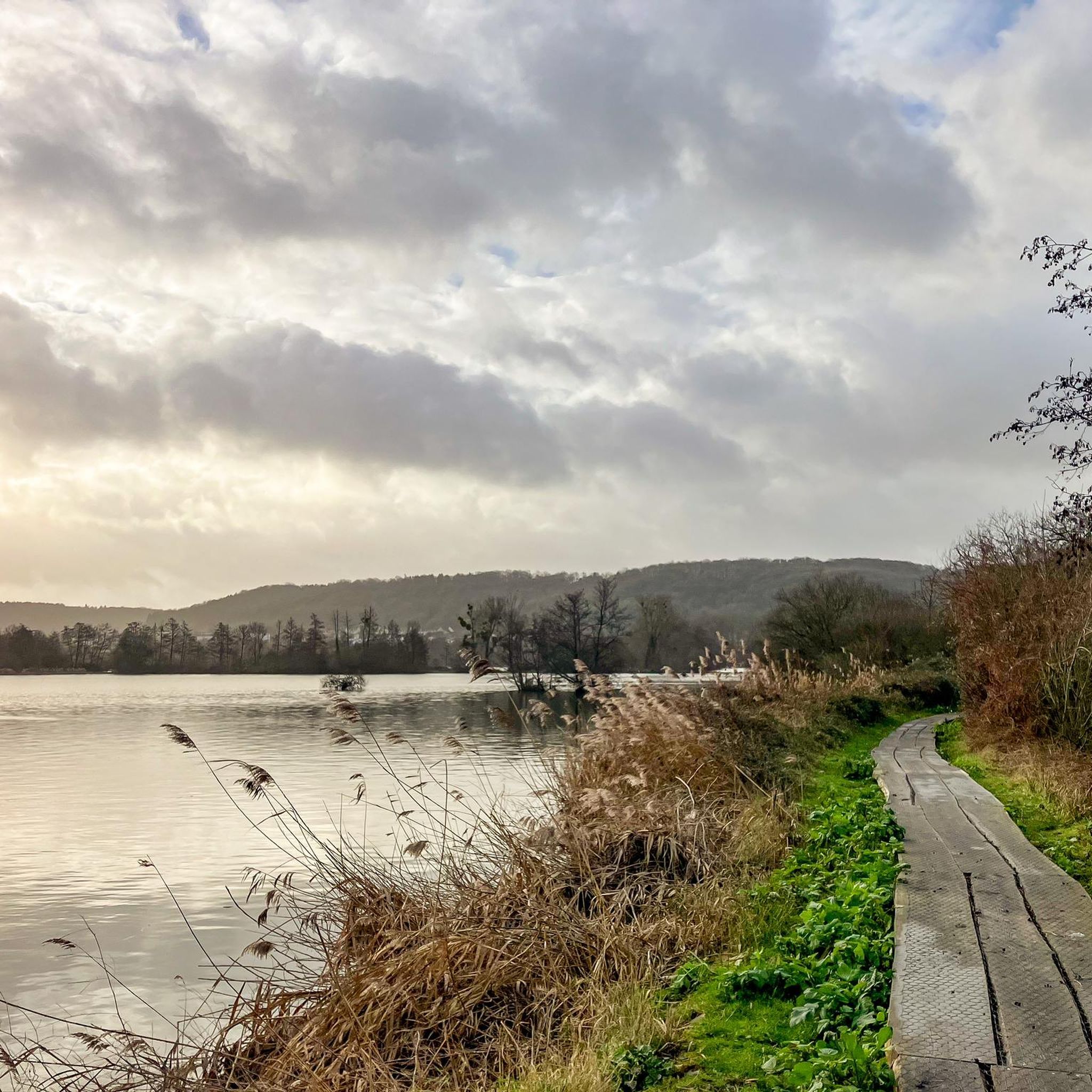
wetland where egrets and storks often land
0
0

Discover the Departmental Museum of Resistance and Deportation located in the magnificent Saint-Nicolas chapel (17th century). This museum was inaugurated in 1979 to perpetuate the memory of our liberators. Objects and documents that bear witness to a dark period in our history are brought to light. This collection bears witness to the courage of men and women who fought for freedom. The Maquis Surcouf, founded by Robert Leblanc, was the most active Resistance network in Normandy.
0
0

There is a very nice little street between rue de la République and rue Sadi Carnot, it is rue Paul Clémencin. To have
1
0
Beautiful view of the Marais Vernier natural site. I had, when I was 18, the honor and the pleasure of working there in the company of several biologists. It is an exceptional site due to the richness of its fauna. On site live Camargue horses, Hyland cattle, Scottish sheep, gray herons and many other species. A few group visits are regularly organised. To participate, you must register in advance on the Marais Vernier nature reserve website.
1
0

The Marais-Vernier Orientation Table is a viewpoint overlooking the Marais Vernier, a vast wetland area home to a very diverse fauna and flora. The orientation table allows you to appreciate the panoramic view of the marsh and its unique agricultural plots, called courtils, by helping you to identify landmarks. You may be able to spot rare birds like osprey, heron, falcon or stork. The Marais Vernier is a natural wonder that offers a variety of landscapes and terrains for runners.
2
0

The city was built around the Risle.
1
0
Frequently Asked Questions
What natural features can I explore around Saint-Symphorien?
The region around Saint-Symphorien, primarily in Normandy, is rich in natural landscapes. You can explore extensive wetlands, such as the Marais Vernier, a large wetland in the Eure department known for its rich biodiversity. The Risle river valley, with its flat and marshy areas, is also a prominent natural feature, especially around Pont-Audemer.
Are there any unique historical or cultural sites to visit?
Yes, the area offers several historical and cultural sites. The Saint-Nicolas Chapel houses the Departmental Museum of the Resistance and Deportation, offering insights into a significant period of history. Additionally, the town of Pont-Audemer itself, often called the 'Norman Venice,' has a rich history reflected in its architecture and canals.
What kind of outdoor activities can I do near Saint-Symphorien?
The region is well-suited for various outdoor activities. You can enjoy hiking, running, and cycling. For hiking, consider routes like the 'Charming Half-Timbered Cottage loop' or the 'Picnic Area by the River loop'. Cyclists can explore routes such as the 'Pont-Audemer – Cycle Path Along the Risle loop'. You can find more details on these activities in the hiking guide, running guide, and cycling guide for Saint-Symphorien.
Can I find family-friendly attractions in the area?
Absolutely! The Marais Vernier Viewpoint is a family-friendly natural monument where you can observe rich biodiversity. The Saint-Nicolas Chapel and Departmental Museum of the Resistance and Deportation is also listed as family-friendly, offering an educational experience.
Where can I see traditional Norman architecture?
To experience traditional Norman architecture, you should visit La route des Chaumières. This route, located on the edge of the Marais-Vernier, features dozens of charming thatched cottages, providing a picturesque glimpse into the region's heritage. It's particularly pleasant to explore by bike.
What makes Pont-Audemer a special place to visit?
Pont-Audemer is often referred to as the 'Norman Venice' because it is drained by the Risle, a tributary of the Seine, and features numerous canals. This gives the settlement a unique charm, with its waterways and traditional architecture.
Is there a good spot for panoramic views of the wetlands?
Yes, the Marais Vernier Viewpoint offers a spectacular panoramic view of the Marais Vernier, a vast 4,500-hectare wetland. From here, you can observe the rich biodiversity of birds, plants, and animals, as well as the unique shape of the 'courtyards' formed by old meanders of the Seine.
What do visitors particularly enjoy about the attractions around Saint-Symphorien?
Visitors appreciate the blend of natural beauty and historical significance. The komoot community has shared over 60 photos and given more than 90 upvotes to the attractions. Highlights like Pont-Audemer are loved for their unique canals, while the Marais Vernier Viewpoint is praised for its stunning natural vistas and rich biodiversity.
Are there opportunities for hiking around Saint-Symphorien?
Yes, there are several hiking opportunities. You can find easy to moderate trails such as the 'Charming Half-Timbered Cottage loop' from Fort-Moville (6.4 km, easy) or the 'Bassin du ruisseau Barbotte – Crossing the Barbotte stream loop' (10.8 km, moderate). For more options, refer to the hiking guide for Saint-Symphorien.
What is the Marais Vernier, and why is it significant?
The Marais Vernier is a significant natural region in the Eure department of Normandy. It's a semi-circular depression formed from a former meander of the Seine, comprising wet meadows, marshes, reed beds, and peat bogs. It's home to a remarkable natural heritage, including diverse flora and fauna, and boasts the largest peat bog in France by volume.
What are Les Ponts Gras?
Les Ponts Gras refers to a flat and marshy valley within the Risle valley, characterized by ponds dug in the 20th century alternating with wet meadows. It's a wetland area where you can often spot egrets and storks, showcasing the region's diverse birdlife.
Are there any museums related to the region's history?
Yes, the Departmental Museum of the Resistance and Deportation is located in the magnificent Saint-Nicolas Chapel. It was inaugurated in 1979 to preserve the memory of the Resistance, particularly highlighting the courage of individuals like those in the Maquis Surcouf, the most active Resistance network in Normandy.
Most popular routes around Saint-Symphorien

Get inspired with the komoot mobile app


Explore more
Still not found the Highlight you’re looking for? See guides of the top attractions in other regions:
