Attractions and Places To See around Le Conquet - Top 20
Best attractions and places to see around Le Conquet include a variety of natural features, historical landmarks, and coastal experiences. Located at the westernmost tip of Brittany, the area is characterized by its rugged coastline and maritime heritage. Visitors can explore protected natural sites, significant lighthouses, and historical ruins. The region offers diverse landscapes, from sandy beaches to estuaries, making it a destination connected to both land and sea.
Best attractions and places to see around Le Conquet
- The most…
Last updated: September 26, 2026
Croaë Footbridge
Highlight • Bridge
Translated by Google •
Tip by

Saint-Mathieu Lighthouse
Highlight • Historical Site
Translated by Google •
Tip by

Sign up now to discover places like this
Get recommendations on the best single tracks, peaks, & plenty of other exciting outdoor places.
Kermovan Lighthouse
Highlight • Structure
The Lighthouse was built in 1849 and had a height of 20m.
Translated by Google •
Tip by

Ruins of Saint-Mathieu Abbey
Highlight • Historical Site
Translated by Google •
Tip by

Ruins of Saint-Mathieu Abbey and Lighthouse
Highlight • Historical Site
Translated by Google •
Tip by

Sign up for free to discover even more attractions around Le Conquet.
Already have an account?
Start today with a free account
Your next adventure awaits.

Other adventures around Le Conquet

Tips from the Community

Phare de Saint-Mathieu is the name of a lighthouse in the village of Saint-Mathieu on the Saint-Mathieu Point in Plougonvelin in the Finistère department. It was built on the site of the former Saint-Mathieu Abbey. Its theoretical range is 29 nautical miles, which is approximately 55 kilometers. Together with the Kermorvan lighthouse, it indicates the Passage du Four (Chenal du Four), an important north-south passage from or to the Iroise Sea, which runs between the mainland and the island of Ouessant, thus saving about two days of travel time. In conjunction with the Portzic lighthouse, it illuminates the entrance to the Bay of Brest. The lighthouse has been listed as a French Historic Monument since May 23, 2011. It is open to the public. Just west of the lighthouse is the Sémaphore de la Pointe Saint-Mathieu.
1
0
A sign says: everyone travels at the same speed here. So cycling is allowed, but at walking pace.
1
0

practical footbridge over the harbor allowing you to reach Le Conquet
0
0

The Saint-Mathieu lighthouse is classified as a historic monument. It was the first fire in Finistère. It peaks at 37 meters high. Tours are organized, if you are not afraid to climb the 163 steps that lead to its summit.
0
0

In the far west of Finistère, Pointe Saint-Mathieu illuminates the dark waters of the Atlantic. On a rocky promontory which endures the most heated anger, a lighthouse erected over the ruins of an abbey dating from the 6th century guides sailors coming from the ocean. Between nature and history, the charm operates.
0
0

Pointe Saint-Mathieu, an emblematic coastal site of Brittany, reveals majestic cliffs and the charm of its historic lighthouse. A preserved place, offering exceptional panoramic views of the ocean.
1
0

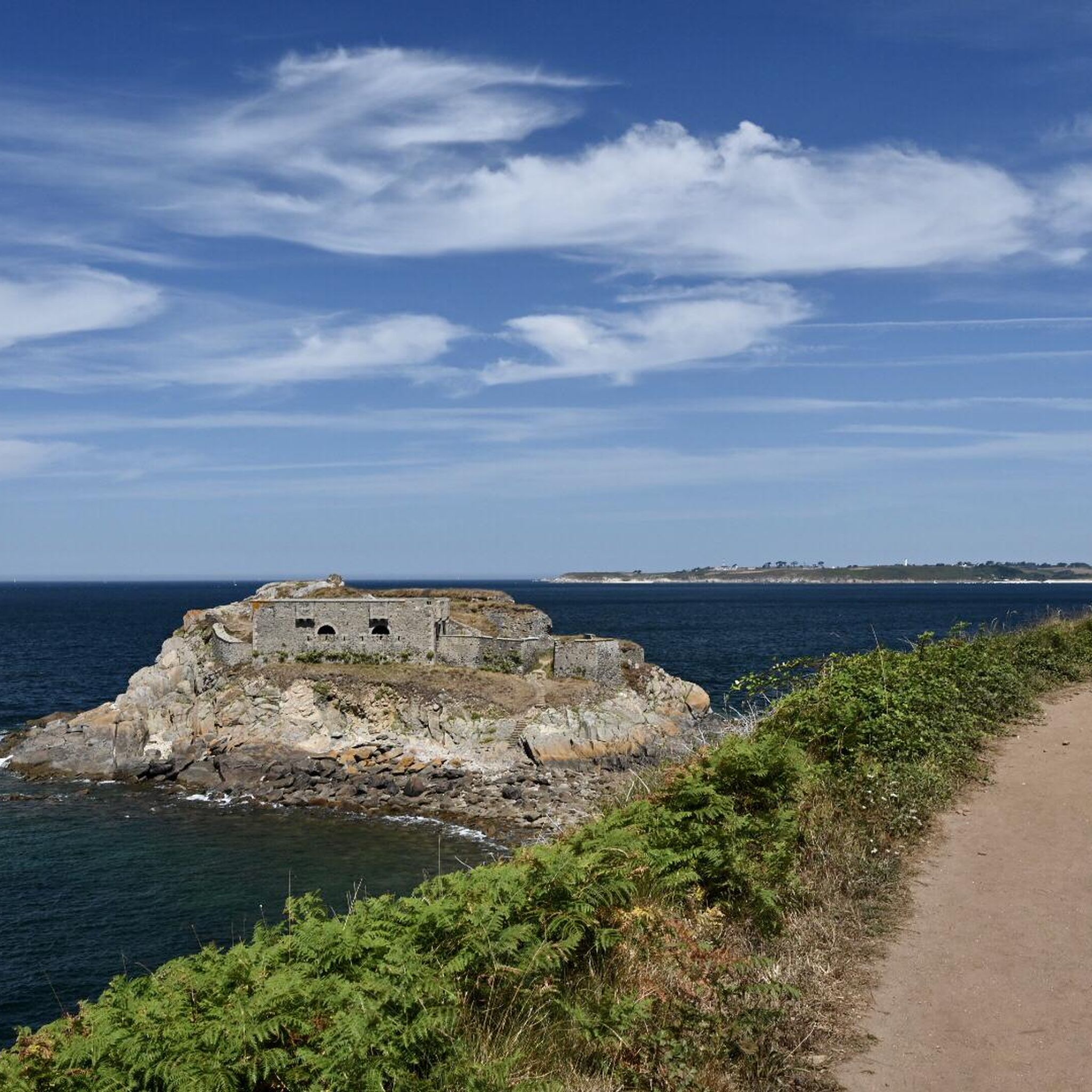
Welcome to Le Conquet, where the echoes of the past meet the majestic waves of the present. Here, on the nature-protected Kermorvan Peninsula, the Phare de Kermorvan stands proudly - the westernmost land-based lighthouse in France. Built in 1849 under the watchful supervision of Louis Plantier, this 20 meter high tower is an impressive architectural masterpiece. With a square floor plan, it stands firmly on a rock and the sturdy granite bridging provides safe access for all who want to Looking for adventure. The lighthouse's eventful history can be felt in every corner. A fog bell installed in 1874 commemorates days when visibility was cloudy and ships sought their way in the fog. A fortress, once built to defend against enemy fleets, was later converted into a comfortable home for the lighthouse keeper and his family. Amazingly, the lighthouse remained untouched during the turmoil of 1944, a testament to the times that tells stories of bravery and hope. Although the Phare de Kermorvan is now automated and remotely controlled, its presence along the Four-Passage (Chenal du Four) remains essential. This important sea route, which connects the mainland with the Molène archipelago, is made safer by the light of this tower. For those looking for a unique experience, the lighthouse offers guided tours during the summer months. A small donation of €5 gives you the opportunity to climb the tower and enjoy breathtaking views of the Brittany coast.
1
0
A majestic lighthouse that sits proudly on the cliffs of Saint-Mathieu Peak and tells of a rich history. This lighthouse is not just a guide for ships, but a witness to time. It immediately catches the eye with its magnificent architecture, consisting of smooth granite masonry from Aber Ildut and partly from Kersanton. Its white and red horizontal stripes that wrap around the tapered tower make it a real eye-catcher. The impressive ensemble of the lighthouse, the neighboring church ruins and the chapel is not only historically significant, but also offers an incomparable view. The Phare de Saint-Mathieu was built on the remains of the old Saint-Mathieu Abbey and houses a smaller tower next to it, the Semaphore. This was once used to monitor communications along the coast. The position of the lighthouse was not chosen by chance. It offers a magnificent panorama that extends from the Pointe du Raz to the Ile d'Ouessant and includes the Molène archipelago and the Chaussée des Pierres Noires. With an impressive range of around 55 kilometers, the lighthouse is not only an important landmark for sailors, but also marks the Four Passage. This important north-south route between the mainland and the island of Ouessant saves ships a valuable two days on their journey. The historical and cultural heritage of the Phare de Saint-Mathieu is so important that it has been listed as a French historical monument since 2011. It is open to all visitors to experience the fascinating history and impressive views.
1
0
Frequently Asked Questions
What historical landmarks can I explore in Le Conquet?
Le Conquet is rich in history. You can visit the impressive Saint-Mathieu Lighthouse, classified as a historic monument, and the adjacent Ruins of Saint-Mathieu Abbey, dating back to the 6th century. Other notable sites include the Fortress of Bertheaume, the Maison des Seigneurs, and the Sainte-Croix Church. The village center also features handsome sandstone houses from the 16th and 17th centuries, including the Maison des Anglais.
Are there any natural protected areas or unique natural features to see?
Yes, Le Conquet boasts several significant natural sites. The Kermorvan Peninsula is a protected natural area with diverse environments like moors, dunes, and coastal rocks. The Le Conquet Estuary is classified as Natura 2000, making it a haven for birdwatchers and botanists. The region is also bordered by the Iroise Sea, home to France's first marine natural park, the Parc Naturel Marin d'Iroise.
What kind of outdoor activities are available around Le Conquet?
The rugged coastline and diverse landscapes around Le Conquet are perfect for outdoor enthusiasts. You can explore numerous coastal paths for scenic walks. For cycling, there are various routes, including easy options like the Kermorvan Peninsula – Croaë Footbridge loop. Mountain biking trails are also available, such as the Trégana Beach – Saint-Mathieu Lighthouse loop. For a comprehensive overview of routes, check out the guides for MTB Trails, Cycling, and Road Cycling Routes around Le Conquet.
Which beaches are best for water sports or relaxation?
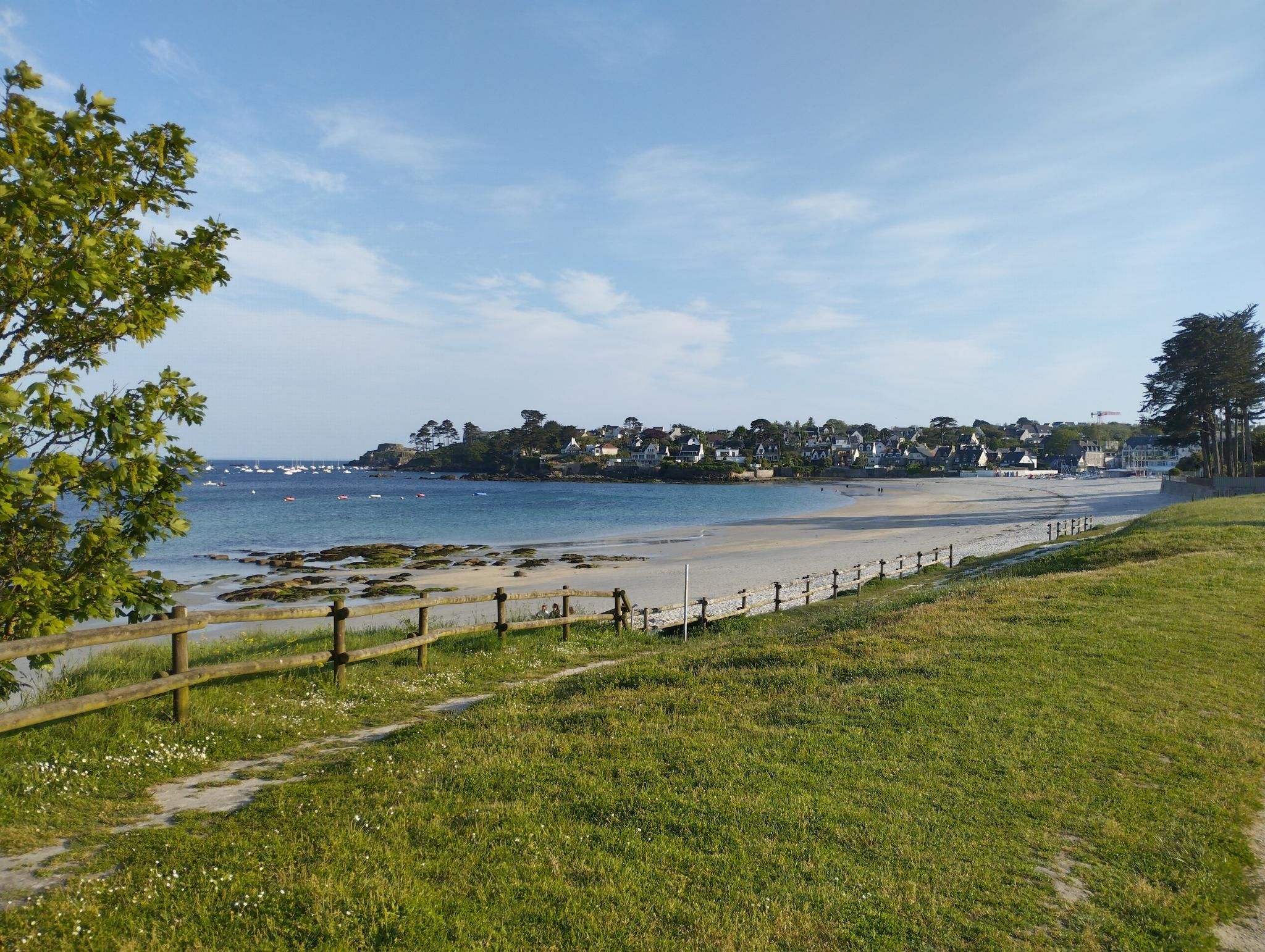
The largest beach in the area is Plage des Blancs-Sablons, stretching 2.5 kilometers. It's a popular spot for surfing, windsurfing, and kite-surfing. Beyond Blancs-Sablons, you can also find other beautiful beaches for relaxation, such as Plage de Pors Liogan, Plage de Portez, Plage du Croaë, Plage du Bilou, and Plage de la Grève Bleue.
Can I visit any lighthouses in the area?
Absolutely. The Kermovan Lighthouse, built in 1849, is the westernmost land-based lighthouse in France and offers stunning panoramic views from its surrounding coastal path. The iconic Saint-Mathieu Lighthouse, a historic monument, is 37 meters high and offers tours to its summit, requiring a climb of 163 steps.
Are there any family-friendly attractions or activities in Le Conquet?
Le Conquet offers several family-friendly options. The Croaë Footbridge is a pedestrian bridge offering unique views of the estuary, suitable for a leisurely stroll. Exploring the various beaches like Plage des Blancs-Sablons provides space for children to play. The village center itself, with its old port and narrow streets, is pleasant for family walks. Additionally, local experiences like crêpe-making workshops can be fun for all ages.
What is the best way to experience the local maritime culture?
To immerse yourself in Le Conquet's maritime culture, take a stroll through the bustling Fishing Port, which is nationally recognized, especially for its crab fishery. The Old Port is also ideal for leisurely walks and offers a glimpse into centuries of fishing traditions. You can also visit the Rescue Station SNSM, which highlights the town's long history of maritime rescue.
What is the Croaë Footbridge and what does it offer?
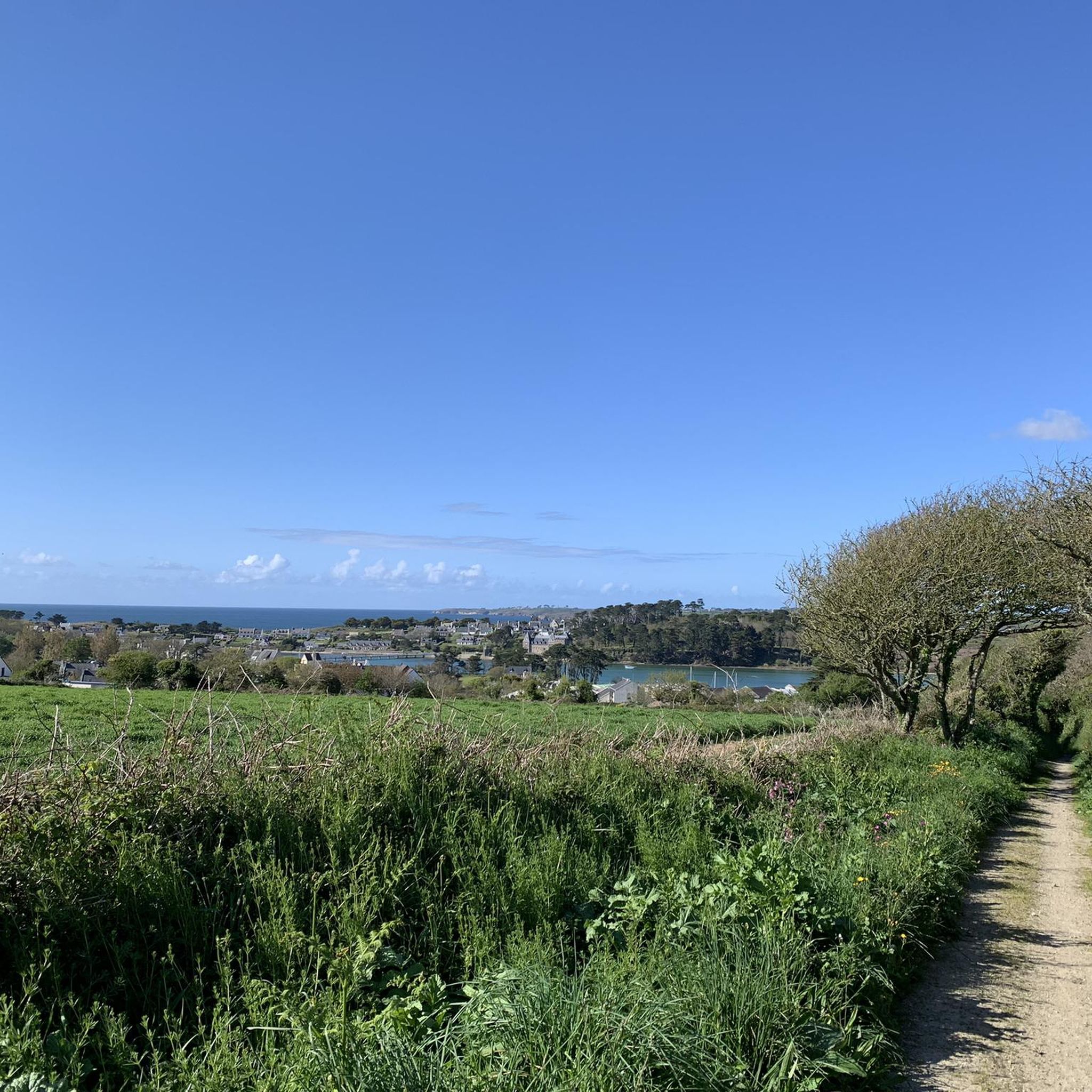
The Croaë Footbridge is an iconic pedestrian bridge, approximately 200 meters long, that spans the estuary and connects Le Conquet with Cosquies. It offers prime viewing spots for the interplay of sea, salt marshes, and pine forests, providing an original perspective of the Conquet estuary. Cycling is allowed on the bridge, but at a walking pace.
Can I visit the nearby islands from Le Conquet?
Yes, Le Conquet serves as a departure point for ferries to the Islands of Molène and Ushant (Ouessant). These islands offer remote and fascinating landscapes and are part of a listed World Biosphere Reserve, providing a unique day trip opportunity.
What kind of cultural events or local experiences can I find?
Le Conquet hosts a variety of cultural events throughout the year, including dramatised tours, brass bands, nature outings, and musical Wednesdays. You can also engage in local experiences such as crêpe-making workshops to learn about authentic Breton customs or join guided coastal walks to hear tales of the town's seafaring past. The village also has art galleries and restaurants serving fresh local seafood.
What makes the Pointe Saint-Mathieu area significant?
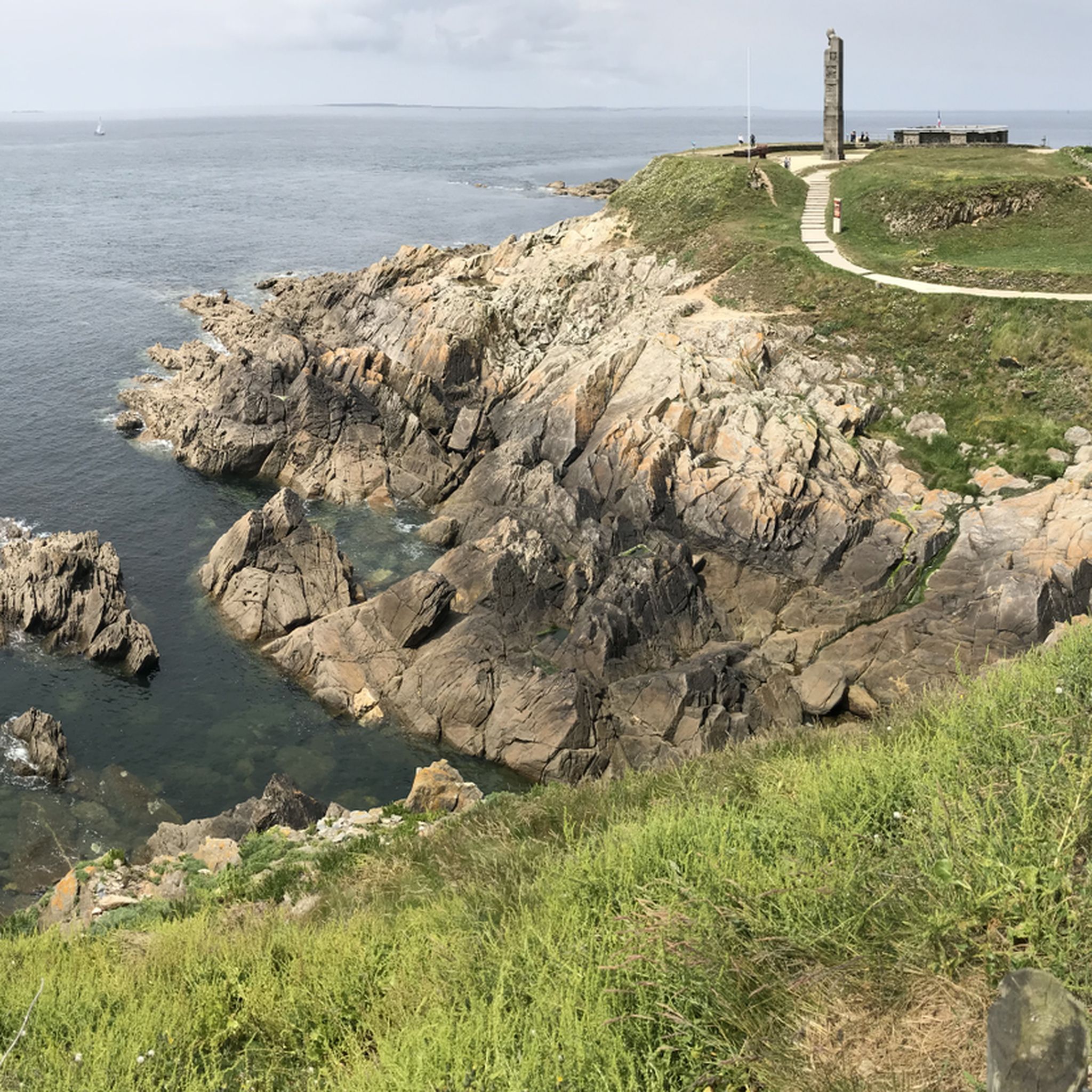
Pointe Saint-Mathieu is a highly significant site, marking the westernmost tip of mainland France. It features the iconic Saint-Mathieu Lighthouse and the impressive Ruins of Saint-Mathieu Abbey. This area offers a poignant blend of history and dramatic coastal scenery, and the GR® 34 hiking trail passes directly through it, providing stunning views.
Most popular routes around Le Conquet
Most popular attractions around Le Conquet

Get inspired with the komoot mobile app


Explore more
Still not found the Highlight you’re looking for? See guides of the top attractions in other regions:
