The best road cycling routes around Locmaria-Plouzané
3.8
(147)
3,901
riders
30
rides
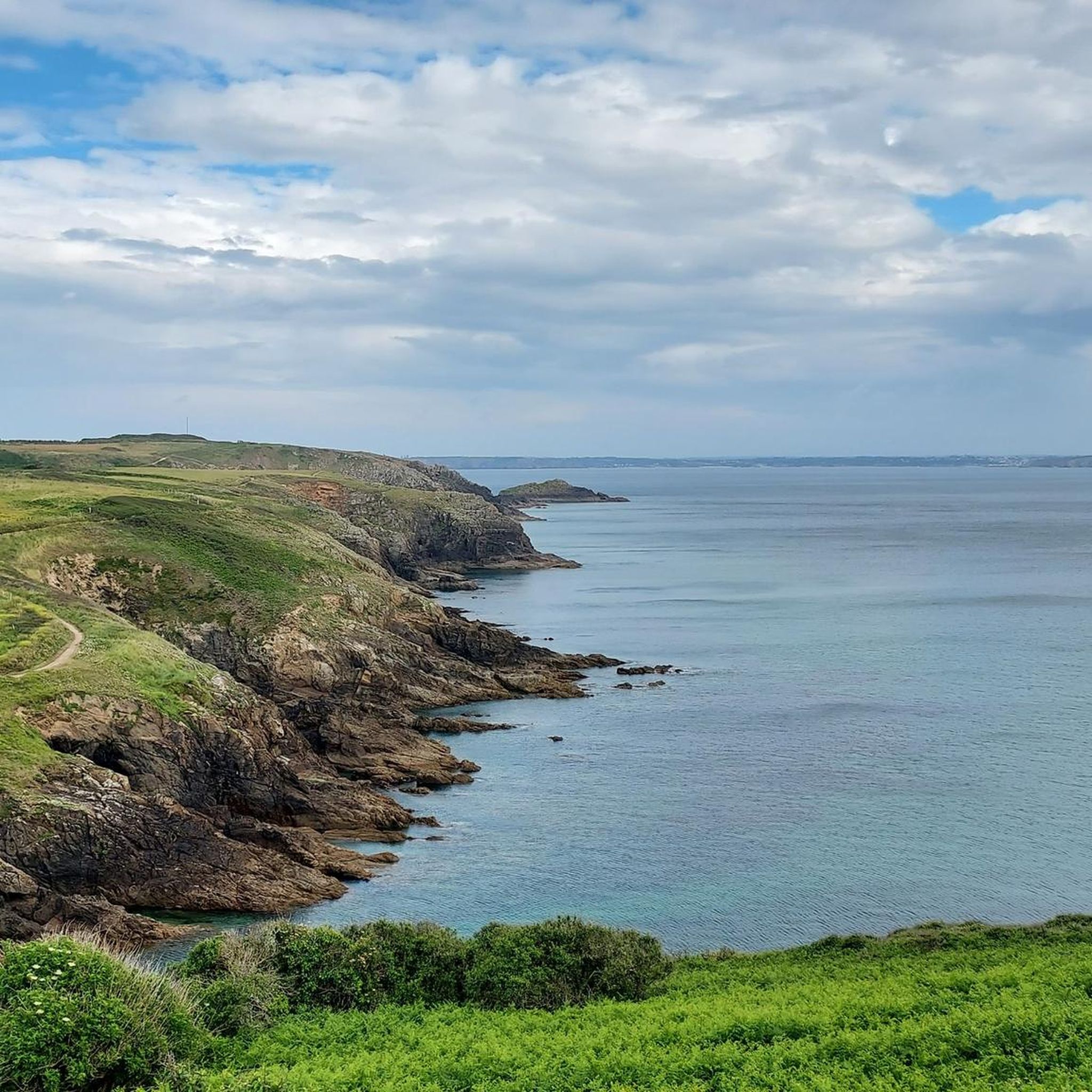
Road cycling routes around Locmaria-Plouzané traverse the varied landscapes of coastal Brittany, characterized by its rugged shorelines and rolling inland terrain. The region offers a mix of coastal roads with views of the Atlantic and routes winding through the countryside. Road cyclists can expect a landscape shaped by historical landmarks and natural features, providing diverse riding experiences.
Best road cycling routes around Locmaria-Plouzané
- The most popular road cycling route is Saint-Mathieu Lighthouse – View of the Rocky Coast loop from…
Last updated: May 14, 2026
4.0
(1)
91
riders
37.0km
01:37
330m
330m
Moderate road ride. Good fitness required. Some segments of this route may be unpaved and difficult to ride.
57
riders
Moderate road ride. Good fitness required. Mostly well-paved surfaces and easy to ride.

Sign up for free
21
riders
71.6km
03:06
570m
570m
Moderate road ride. Good fitness required. Mostly well-paved surfaces and easy to ride.
19
riders
57.5km
02:39
370m
370m
Moderate road ride. Good fitness required. Some segments of this route may be unpaved and difficult to ride.
12
riders
33.0km
01:27
280m
280m
Easy road ride. Great for any fitness level. Mostly well-paved surfaces and easy to ride.
Get access to more routes and recommendations from other explorers.
Sign up for free
Already have an account?
Our route recommendations are based on thousands of hikes, rides, and runs completed by other people on komoot.
Start today with a free account
Your next adventure awaits.
Login or Signup
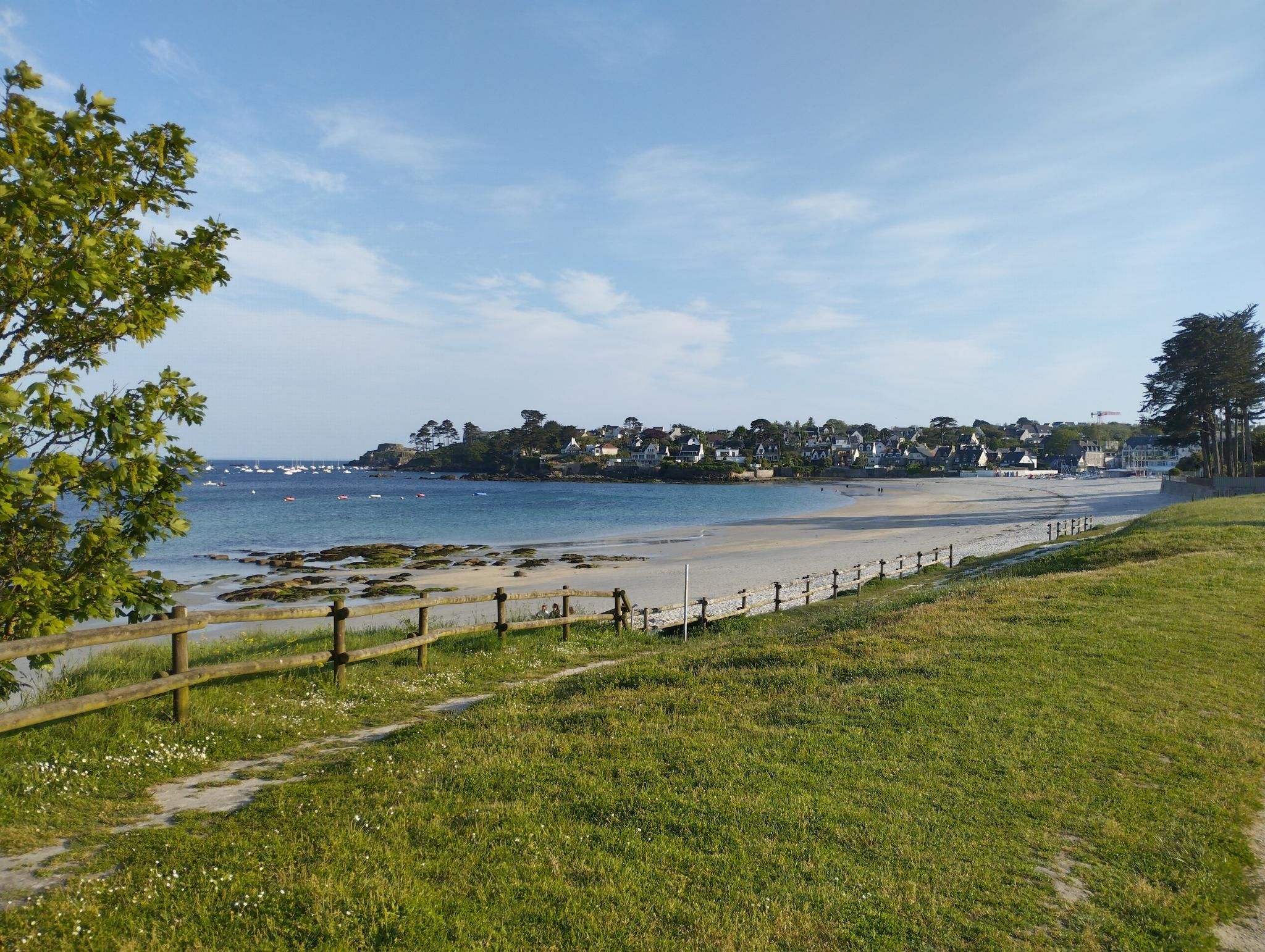
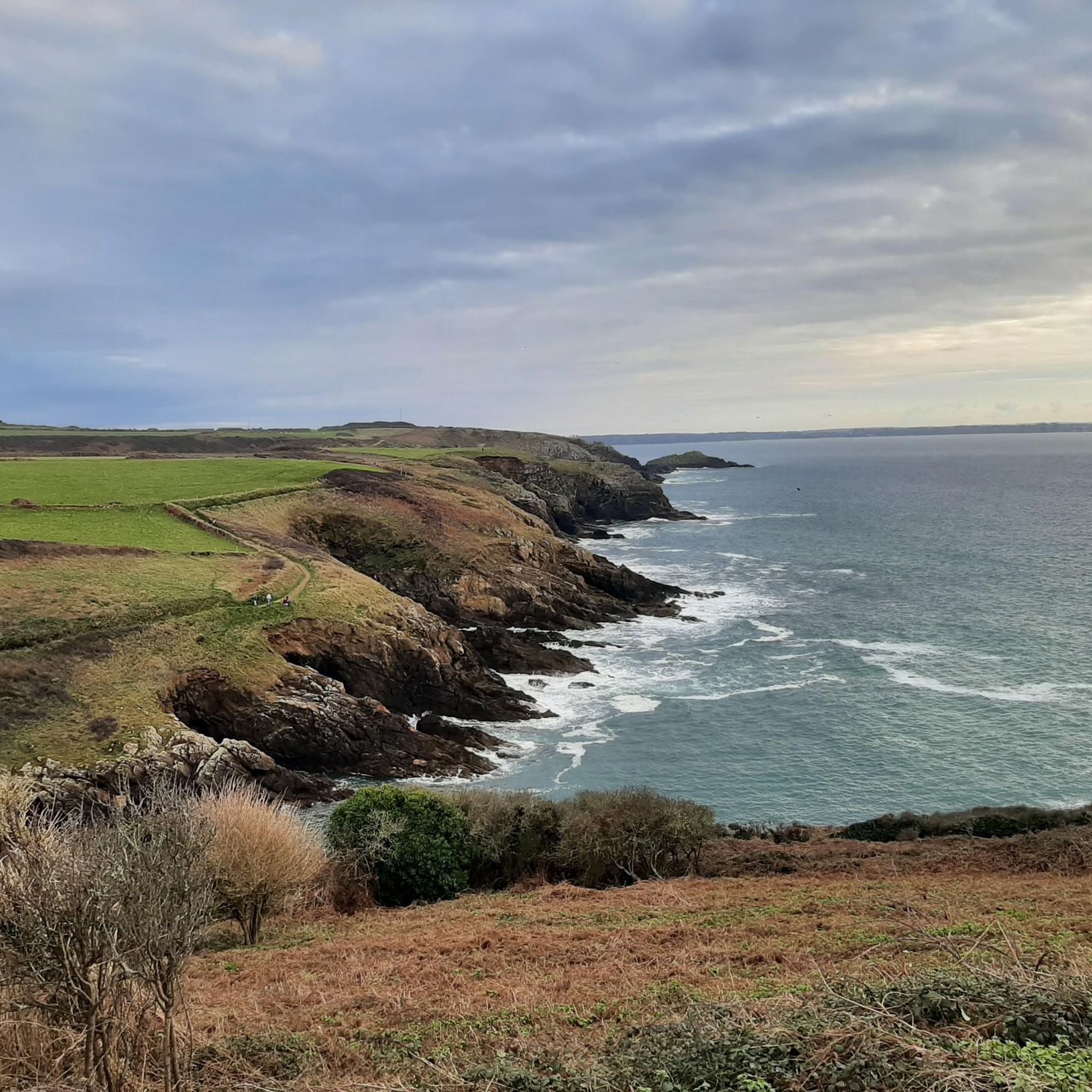
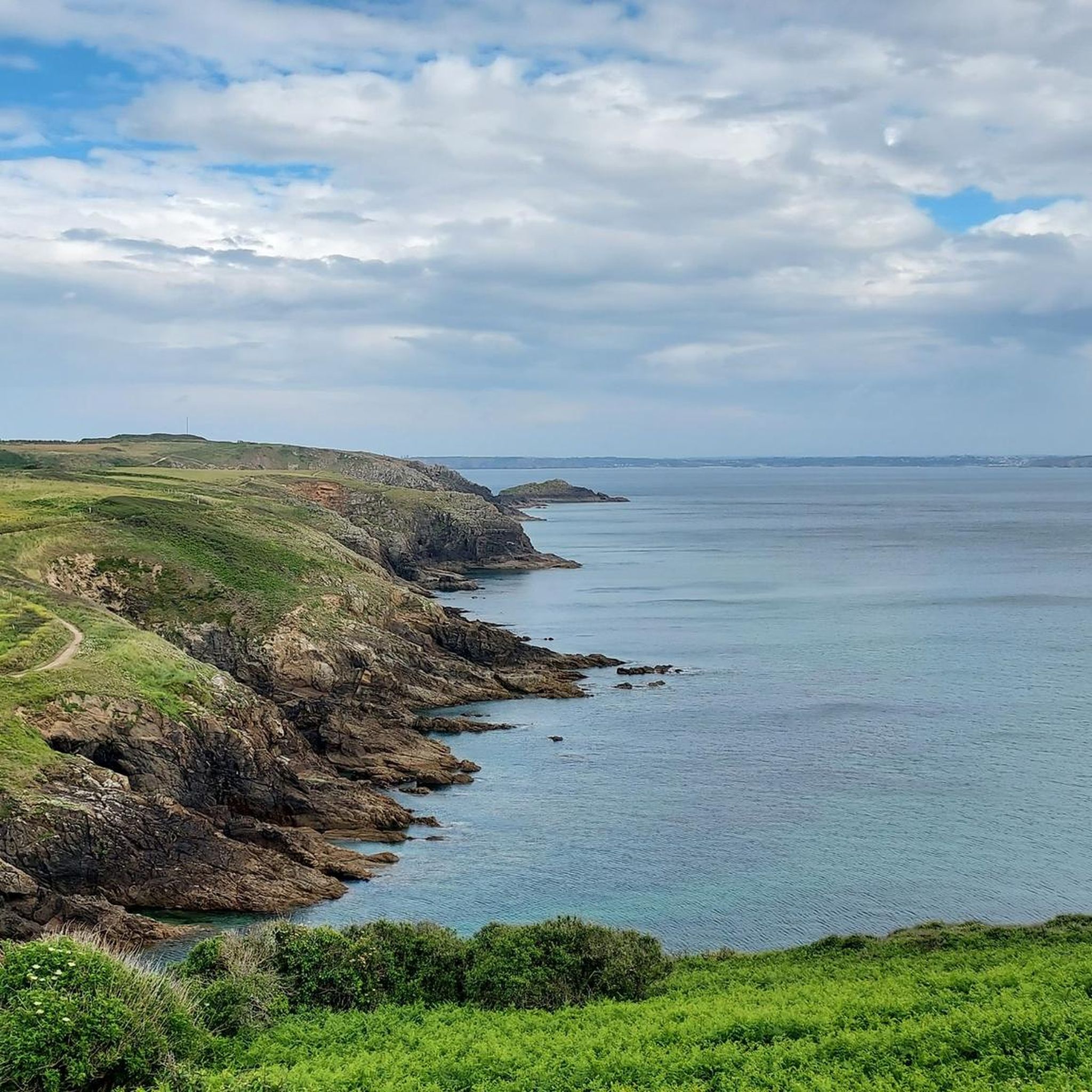
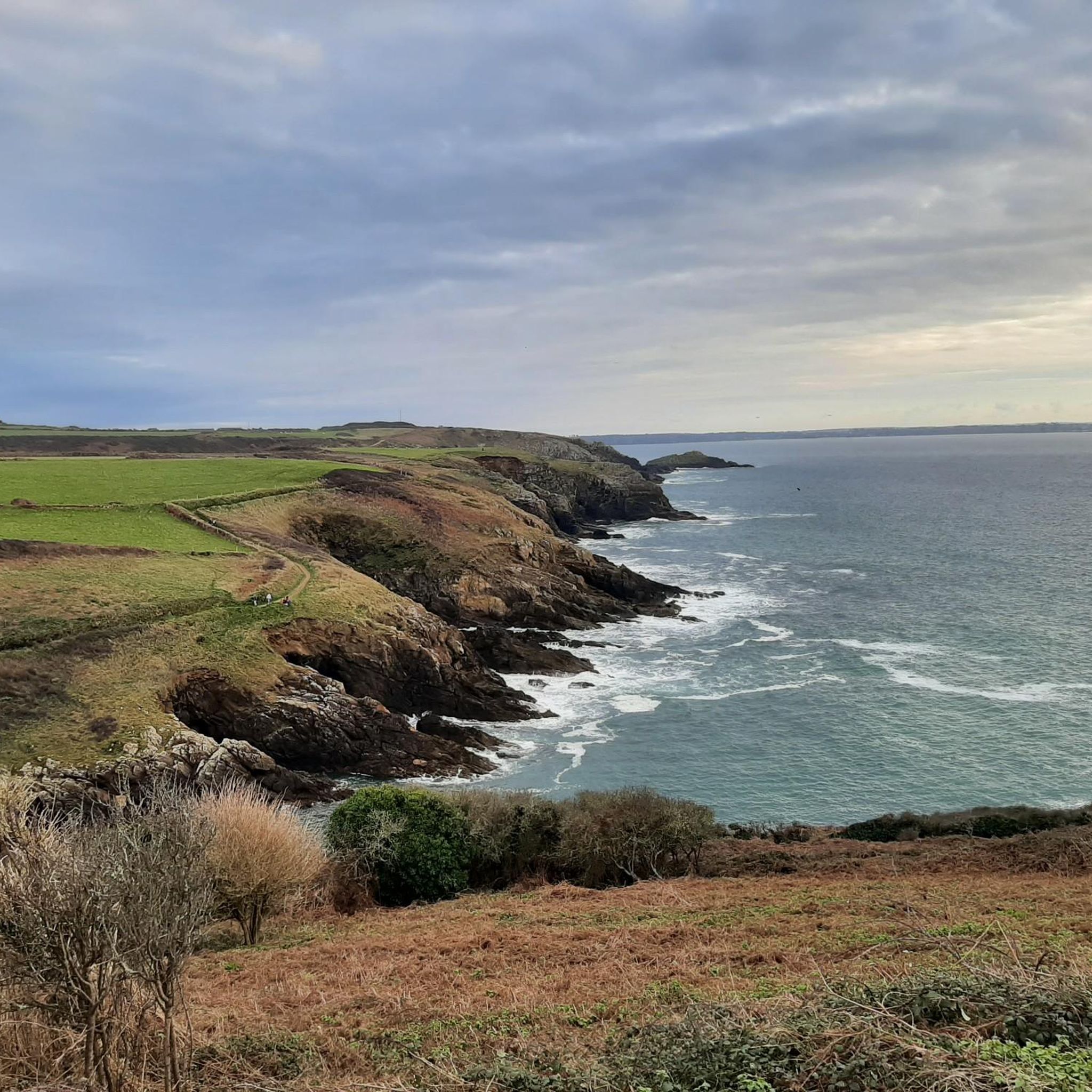

Other adventures around Locmaria-Plouzané

Tips from the Community

Phare de Saint-Mathieu is the name of a lighthouse in the village of Saint-Mathieu on the Saint-Mathieu Point in Plougonvelin in the Finistère department. It was built on the site of the former Saint-Mathieu Abbey. Its theoretical range is 29 nautical miles, which is approximately 55 kilometers. Together with the Kermorvan lighthouse, it indicates the Passage du Four (Chenal du Four), an important north-south passage from or to the Iroise Sea, which runs between the mainland and the island of Ouessant, thus saving about two days of travel time. In conjunction with the Portzic lighthouse, it illuminates the entrance to the Bay of Brest. The lighthouse has been listed as a French Historic Monument since May 23, 2011. It is open to the public. Just west of the lighthouse is the Sémaphore de la Pointe Saint-Mathieu.
1
0
Unfortunately, there's no restaurant. But the Breton cakes and biscuits are divine.
1
0

a sign never again to wage war against friends and occupy a country
0
0

beautiful view for a short stop, bench facing the sea. otherwise restaurant bar with terrace facing the port
0
0

After the collapse of the Locmaria church in 1749, new construction was necessary. It began in 1759 and was completed in 1769, the date on the bell tower. Some additional work was carried out in 1773-1774. It was renovated between 1994 and 1996; following a storm, the roof was redone at that time. To the left of the high altar stands the old statue of Our Lady of Lanvénec, the beautiful Virgin Mother, crushing the serpent beneath her feet. The three statues of Ecce Homo, Saint Michael, and Saint Margaret trampling the dragon are also of ancient design. The baptismal font, dating from 1530, and the Virgin Mary outside are listed as Historic Monuments. Saint-Sané Locmaria-Plouzané comes from the Breton "Loc Maria" (place dedicated to Mary) and "Plou" (parish) from "Saint-Sané." Like its neighbor Plouzané, it was founded by Saint-Sané, who emigrated from Ireland in the 5th century, in a stone trough. He landed with his disciples on the Perzell beach, near Bertheaume, in the commune of Plougonvelin. They advanced inland and stopped in the thick Lucos forest on the site of a pagan temple. Saint-Sané, after converting the population, transformed it into an oratory and dedicated it to the Virgin Mary. The wood then took the name "Coat ar C'hras" (the wood of grace). The menhirs in the region were Christianized during this time. This is why they are topped with crosses. Legend has it that Saint-Sané, after having evangelized the region, returned to die in Ireland around 480
0
0
The church of Plouzané is dedicated to Saint Sané, who can be identified with Senan, a bishop who came from Ireland in the 6th century to evangelize the Breton peninsula. Built on the probable site of an ancient temple, nothing remains of the earlier edifice. The current church, the work of Pierre Besnard, a civil engineer, dates from 1781 and was restored after damage in 1944. The overall plan exudes a severe nobility. The nave, with three aisles and four bays, widens into the transepts and choir, which end in semicircles. The space is divided by eighteen square piers supporting semicircular arches. The pavement is composed of numerous reused tombstones. The west portal is a monumental construction with Doric columns with a triangular pediment and, above, a circular floor with a balustrade, square tower and pyramidal spire framed by pinnacles.
1
0

A cozy place for a sugar break... when you're out of fuel. The only place open on Sundays. The owner Nelly, very friendly, is used to seeing cyclists. Thanks to her for her hospitality
0
0

Quality road, very pleasant to ride
0
0
Frequently Asked Questions
How many road cycling routes are available around Locmaria-Plouzané?
There are over 30 road cycling routes in the Locmaria-Plouzané area, catering to various skill levels from easy to challenging.
Are there easy road cycling routes suitable for beginners?
Yes, Locmaria-Plouzané offers several easy road cycling routes. For instance, the Müller-Keller-Haus – Chapelle de Bodonou loop from Locmaria-Plouzané is an easy 20.5-mile (33.0 km) route. Another beginner-friendly option is the Church of Notre Dame de Lanvénec – Saint-Sauveur Church of Brest loop from Locmaria-Plouzané, which is 16.6 miles (26.7 km) long.
What kind of scenery can I expect on road cycling routes in Locmaria-Plouzané?
Road cycling routes in Locmaria-Plouzané offer a diverse landscape, from rugged shorelines with Atlantic views to winding paths through the countryside. You'll encounter historical landmarks and natural features, providing a varied riding experience.
Are there challenging road cycling routes for experienced riders?
Yes, the region includes routes with significant elevation gain for more experienced cyclists. While specific 'difficult' routes are fewer, many moderate routes, such as the View of the Rocky Coast – Crique loop from Trégana, offer extensive distances and elevation changes that can be challenging.
When is the best time of year for road cycling in Locmaria-Plouzané?
The coastal climate of Brittany generally makes spring, summer, and early autumn ideal for road cycling. These seasons typically offer milder weather and longer daylight hours, perfect for enjoying the scenic routes.
What do other road cyclists enjoy most about the routes in Locmaria-Plouzané?
The routes in Locmaria-Plouzané are highly rated by the komoot community, with an average score of 3.9 stars from over 20 reviews. Cyclists often praise the varied terrain, from rocky coastlines to coastal paths, and the well-maintained network of roads.
Are there any long-distance road cycling routes in the area?
Yes, for those seeking longer rides, routes like the View of the Rocky Coast – Crique loop from Trégana cover 51.0 miles (82.0 km), offering extensive coastal scenery. Another substantial option is the Aber-Benoît – Chapelle de Bodonou loop from Locmaria-Plouzané, which is 44.5 miles (71.6 km) long.
Are most road cycling routes in Locmaria-Plouzané circular?
Many of the road cycling routes around Locmaria-Plouzané are designed as loops, allowing you to start and finish at the same point. Examples include the popular Saint-Mathieu Lighthouse – View of the Rocky Coast loop from Locmaria-Plouzané and the Aber-Benoît – Chapelle de Bodonou loop.
What historical sites or landmarks can I see along the road cycling routes?
The region is rich in historical landmarks. You might encounter sites like the Fort des Capucins or the impressive Fort Bertheaume. The Saint-Mathieu Lighthouse loop specifically offers views of this iconic structure.
Are there any notable natural attractions or viewpoints accessible by road bike?
Absolutely. Cyclists can enjoy stunning natural beauty, including the dramatic Pointe de Pen-Hir, the picturesque Anse de Pen Hat beach, and the striking Corréjou cliffs. Many routes offer extensive coastal scenery.
Do any routes pass through towns or villages where I can find cafes or refreshments?
While specific cafe stops aren't detailed for every route, many road cycling paths in Locmaria-Plouzané traverse or pass near local towns and villages. These settlements typically offer opportunities to stop for refreshments and experience local culture.
Most popular routes around Locmaria-Plouzané
Most popular attractions around Locmaria-Plouzané

Get inspired with the komoot mobile app


Explore more
Browse the best Road cycling routes in other regions.
