Attractions and Places To See around Chambon - Top 14
Best attractions and places to see around Chambon include a variety of historical sites, cultural landmarks, and natural features. The region offers a blend of historical significance, particularly in areas like Le Chambon-sur-Lignon known for its wartime resistance, and natural beauty, such as the volcanic landscapes around Chambon-sur-Lac. Visitors can explore ancient castles, significant museums, and picturesque villages. The diverse terrain provides opportunities for various outdoor activities and cultural exploration.
Best attractions and places to see around Chambon
- The most…
Last updated: May 20, 2026
La Roche-Posay
Highlight • Settlement
Translated by Google •
Tip by

Boussay Castle
Highlight • Castle
The …
Translated by Google •
Tip by

Sign up now to discover places like this
Get recommendations on the best single tracks, peaks, & plenty of other exciting outdoor places.
Sign up for free
Grand-Pressigny Prehistory Museum
Highlight • Historical Site
Translated by Google •
Tip by
Notre-Dame Church
Highlight • Religious Site
Translated by Google •
Tip by

Porte Bourbon
Highlight • Historical Site
Translated by Google •
Tip by
Sign up for free to discover even more attractions around Chambon.
Sign up for free
Already have an account?
Start today with a free account
Your next adventure awaits.
Login or Signup


Tips from the Community

The church of La Roche-Posay appears rather austere from the outside, but appearances can be deceiving. Inside, you'll find details you wouldn't immediately expect in such a small spa town: – stained-glass windows that make the entire interior glow in the right light, – Romanesque elements dating back to the 11th and 12th centuries, – and a strikingly massive bell tower that also once served a defensive function. Fun fact: the church has always been the heart of the pilgrimage route, long before La Roche-Posay became known for its thermal springs. Travelers came here to pray before continuing on to the Creuse Valley.
4
0
The Porte Bourbon is one of the medieval gates that once formed part of the city walls of La Roche-Posay. What many people don't know is that this gate served both as a defense and a toll station. Travelers entering the city used to have to stop here to pay taxes on goods. Note the details: the slanted slots at the top (where a portcullis or beams used to be attached) and the thick inner wall where soldiers waited. It feels small and unassuming, but this gate was once literally the city's "check-in."
4
0


The Musée de la Préhistoire du Grand-Pressigny is a must-see site for history and prehistory enthusiasts, located in the village of Grand-Pressigny, in Indre-et-Loire, Centre-Val de Loire region. This museum is housed in a remarkable setting, within the Château du Grand-Pressigny, and offers a fascinating dive into the origins of humanity. Points of Interest: Exceptional Collections: European Prehistory: The museum houses one of the richest and most complete collections in France on Prehistory. It exhibits objects dating from the Paleolithic to the Neolithic, with a particular focus on flint tools produced in the region. The Silex du Grand-Pressigny: The museum is renowned for its exceptional flint pieces. Le Grand-Pressigny is famous for its production of large flint blades, which were traded over vast distances across Europe during the Neolithic. Why visit the Musée de la Préhistoire du Grand-Pressigny? A dive into prehistory: The museum offers a fascinating immersion into the early stages of human history, with remarkable artifacts that tell the story of the lives of the region’s first inhabitants. Exceptional historical setting: Housed in a historic castle, the museum combines archaeological discovery with the exploration of a remarkable architectural heritage. Enriching activities: Interactive workshops and temporary exhibitions enrich the experience, making it accessible and captivating for all ages. In short, the Musée de la Préhistoire du Grand-Pressigny is an enriching destination for anyone interested in prehistory, archaeology, or who simply wants to discover a fascinating aspect of the region’s heritage.
1
0
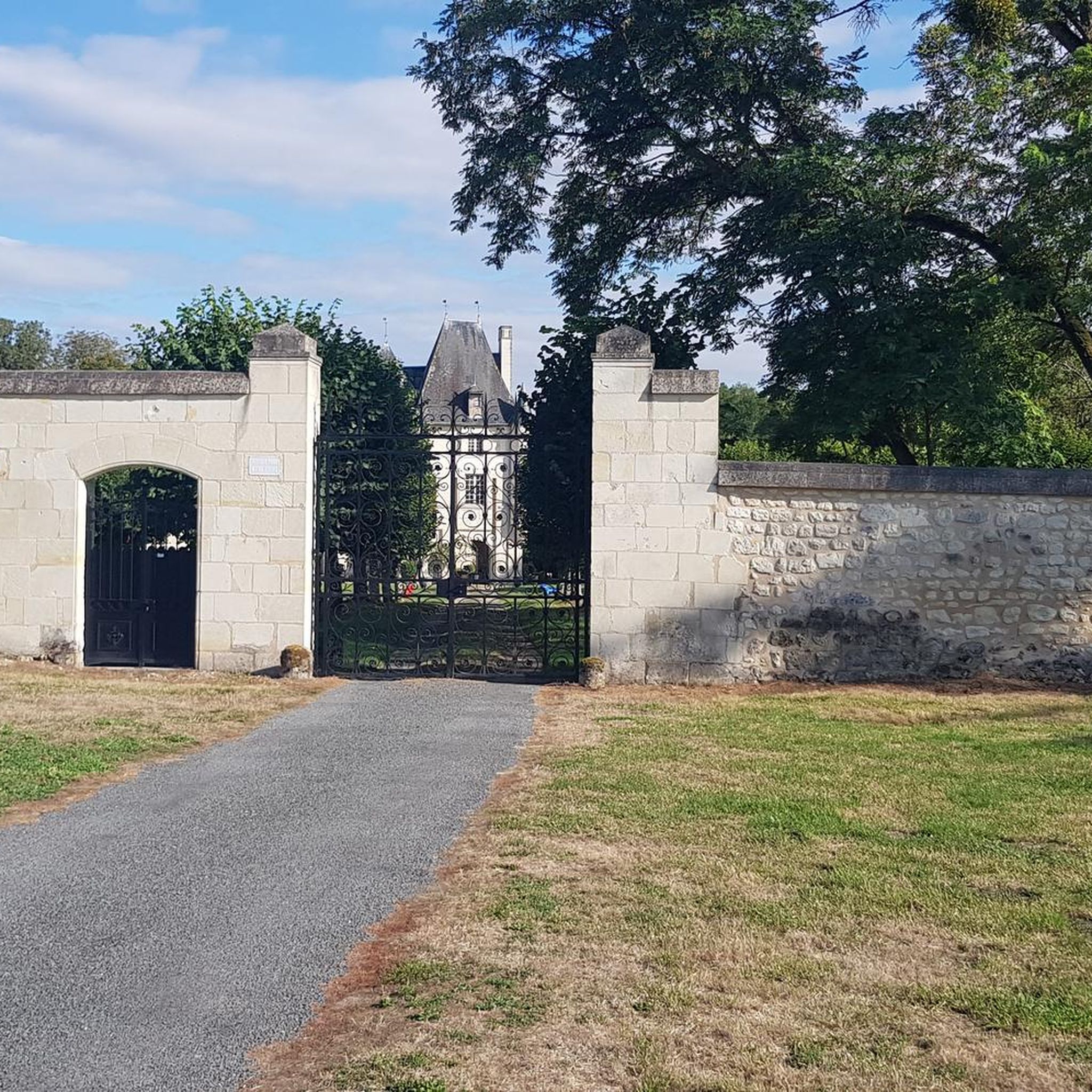
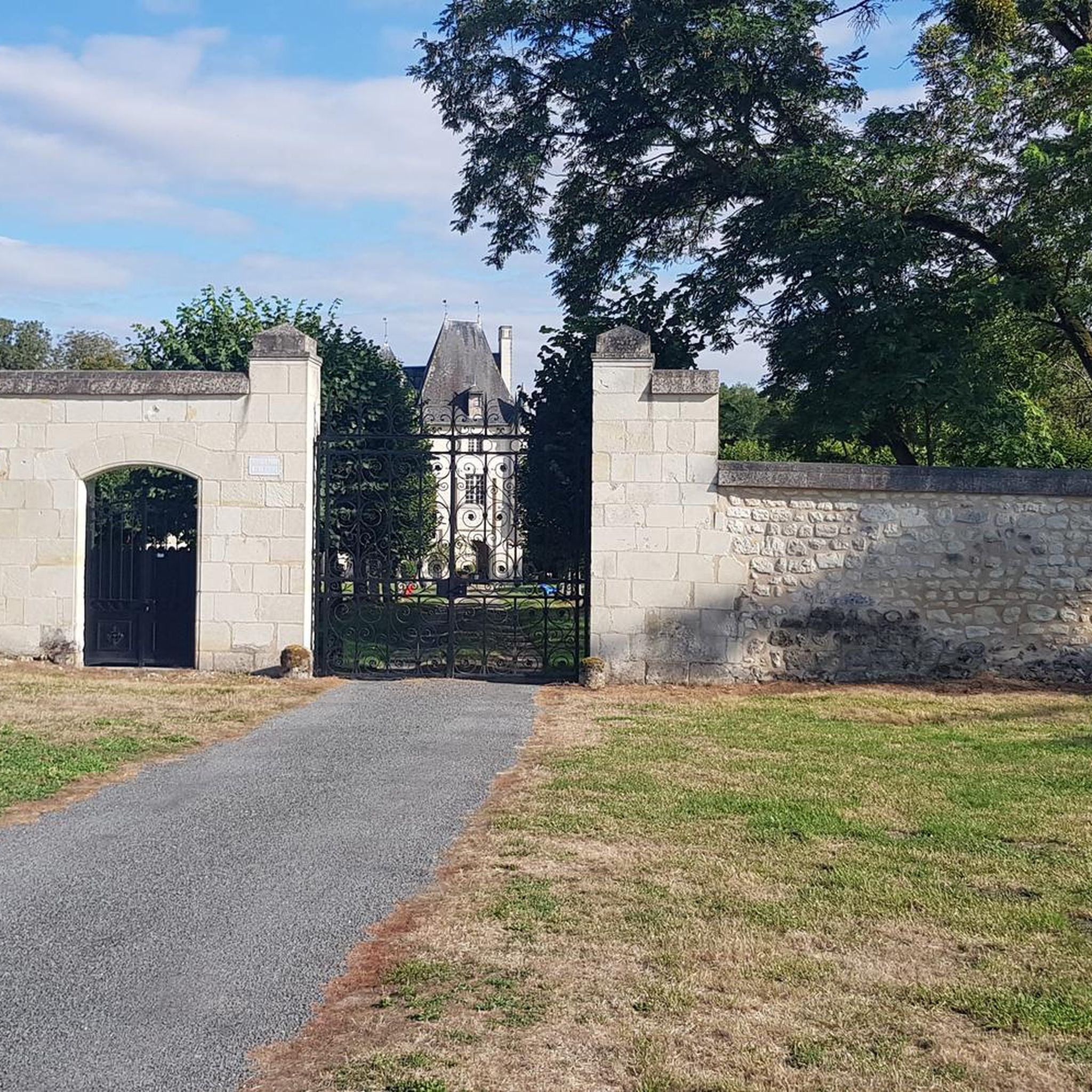
The Château de Boussay is a castle located in the commune of Boussay, in Indre-et-Loire, in the Centre-Val de Loire region, not far from the Vienne. This castle, although less known than the famous castles of the Loire, offers a particular charm with its history, its architecture and its natural environment. Points of Interest: History and Architecture: Medieval Origins: The Château de Boussay dates back to the Middle Ages, with origins that can be traced back to the 12th century. It was modified and enlarged over the centuries, particularly during the Renaissance, which gives it a unique architecture that mixes medieval and classical elements. Architecture: The castle has an architecture typical of the manors of the region with round towers, moats, and an elegant main building. The different periods of construction are reflected in the architectural styles present on the site. Why visit the Château de Boussay? Historical Heritage: The Château de Boussay offers a dive into medieval and Renaissance history, with preserved architecture and a rich history to discover. Natural Setting: The castle is surrounded by a magnificent park that invites you to walk and relax, ideal for an outing with family or as a couple. Cultural Experience: The guided tours and cultural events organized at the castle allow you to discover the heritage from a different angle, enriching the visit with varied activities. In short, the Château de Boussay is an interesting destination for lovers of history, architecture, and nature, offering an authentic and enriching experience in a peaceful and historical setting.
1
0
La Roche-Posay is a charming spa town located in the Vienne, renowned for its waters with dermatological properties. Surrounded by nature, it offers a soothing setting, a historical heritage with its medieval fortifications, and world-renowned thermal treatments, perfect for a wellness and relaxation getaway. Points of Interest: The Thermes de La Roche-Posay: Thermal Waters: La Roche-Posay is renowned for its thermal waters with therapeutic properties, particularly effective for treating dermatological conditions such as eczema, psoriasis, and burns. The town's thermal baths offer specialized treatments based on this unique water, attracting visitors from all over the world. Thermal Cure: The thermal establishments offer a range of treatments, including medical cures, wellness treatments, and relaxation programs, making La Roche-Posay a leading destination for health tourism. Why visit La Roche-Posay? Health and Wellness: La Roche-Posay is a must-see destination for those looking to benefit from the benefits of its renowned thermal waters, in a setting dedicated to care and relaxation. Historical Heritage: The village offers an interesting mix of medieval heritage and rural charm, ideal for a cultural getaway. Various Activities: Between thermal treatments, golf, hiking, and the casino, there is something to satisfy all tastes, whether for rest, sport, or leisure. In short, La Roche-Posay is a destination that combines health, well-being, history, and entertainment, making this small town an attractive place to stay for visitors looking for relaxation and discovery.
1
0

Authentic, cozy village with beautiful medieval buildings.
1
0
Frequently Asked Questions
What historical sites can I explore around Chambon?
The Chambon area offers a rich historical tapestry. You can visit Boussay Castle, a medieval fortress dating back to 1024 with a park open for walks. Explore La Roche-Posay, a settlement with historical significance and a charming town center. Don't miss the Porte Bourbon, a 12th-century medieval gate that was part of La Roche-Posay's city walls, or the Notre-Dame Church, with Romanesque elements from the 11th and 12th centuries.
Are there family-friendly attractions in the Chambon area?
Yes, several attractions are suitable for families. La Roche-Posay offers swimming in the Creuse river, and its town center is pleasant for exploration. The park surrounding Boussay Castle is ideal for family walks. The Grand-Pressigny Prehistory Museum provides an engaging dive into early human history with exceptional collections and interactive elements, housed within a historic castle.
Where can I enjoy nature and outdoor activities near Chambon?
The region provides opportunities for enjoying nature. You can take walks in the park surrounding Boussay Castle. The Creuse river near La Roche-Posay offers a natural setting for swimming. For more structured outdoor activities, there are numerous cycling, running, and mountain biking routes available. For example, you can find various cycling routes in the area, including the 'Gartempe Valley Loop' or 'La Roche-Posay – Parc des Confluences loop', which are detailed in the Cycling around Chambon guide.
What is unique about La Roche-Posay?
La Roche-Posay is renowned as a spa resort specializing in skin diseases, famous for its parapharmaceuticals. Beyond its medical reputation, it's a magnificent village with a charming town center worth exploring. Visitors can also enjoy swimming in the Creuse river below the old town.
Can I visit Boussay Castle?
While Boussay Castle itself is a private luxury hotel and bed and breakfast, its surrounding park is freely accessible to visitors. This allows you to explore the natural setting and appreciate the castle's exterior and historical architecture, which dates back to 1024.
What can I learn at the Grand-Pressigny Prehistory Museum?
The Grand-Pressigny Prehistory Museum offers a fascinating immersion into the early stages of human history, housed within the historic Château du Grand-Pressigny. It features one of France's richest collections on Prehistory, focusing on flint tools produced in the region. You'll discover the significance of the 'Silex du Grand-Pressigny' – exceptional flint pieces traded across Europe during the Neolithic period.
Are there any ancient religious buildings to see?
Yes, the Notre-Dame Church in La Roche-Posay is a significant religious site. Its origins date back to 1099, built at the instigation of Pope Urban II. Inside, you'll find Romanesque elements from the 11th and 12th centuries, beautiful stained-glass windows, and a massive bell tower that once served a defensive function. It was historically a heart of pilgrimage.
What kind of cycling routes are available around Chambon?
The Chambon area offers a variety of cycling routes for different skill levels. You can find easy loops like 'La Roche-Posay loop from La Roche-Posay' (13.6 km) or more moderate options such as the 'Gartempe Valley Loop' (32.2 km). For a comprehensive overview, consult the Cycling around Chambon guide.
Are there running trails near the attractions?
Yes, there are several running trails available. You can find moderate routes like the 'Running loop from La Roche-Posay' (5.8 km) or more challenging, longer trails such as 'La Creuse loop from Lésigny' (45.7 km). For detailed information on these and other options, refer to the Running Trails around Chambon guide.
What about mountain biking opportunities?
Mountain biking enthusiasts will find trails around Chambon. Options range from easy to moderate, such as the 'Medieval castle loop from Yzeures-sur-Creuse' (30 km) or the 'La Roche-Posay loop from Yzeures-sur-Creuse' (34.6 km). More routes and details can be found in the MTB Trails around Chambon guide.
What do visitors particularly enjoy about the attractions around Chambon?
Visitors appreciate the blend of historical depth and natural beauty. Many enjoy the charming town center of La Roche-Posay and the opportunity to swim in the Creuse river. The historical significance of sites like Boussay Castle and the educational experience at the Grand-Pressigny Prehistory Museum are also highly valued. The architectural details of the Notre-Dame Church and the historical context of the Porte Bourbon also receive positive feedback.
Is there anywhere to swim near Chambon's attractions?
Yes, you can enjoy swimming in the Creuse river, which flows near La Roche-Posay. This offers a refreshing natural spot to cool off, especially during warmer months.
What is the significance of Porte Bourbon?
The Porte Bourbon is a medieval gate from the 12th century that was an integral part of La Roche-Posay's city walls. It served a dual purpose: both as a defensive structure and as a toll station where travelers paid taxes on goods entering the city. Its design features, such as slanted slots for a portcullis and thick inner walls, reveal its historical function.
Are there any historical sites related to World War II in the broader Chambon region?
While the immediate attractions listed in this guide are not directly related to WWII, the broader region of Chambon includes areas with significant WWII history. For instance, Le Chambon-sur-Lignon (in Haute-Loire) is renowned for its role in sheltering Jewish people and other refugees during the war, commemorated at the Lieu de Mémoire (Place of Remembrance).

Get inspired with the komoot mobile app


Explore more
Still not found the Highlight you’re looking for? See guides of the top attractions in other regions:
