Attractions and Places To See around Chemellier - Top 20
Best attractions and places to see around Chemellier include a mix of historical sites, natural landscapes, and cultural insights. This charming village is situated in the Maine-et-Loire department of France, bordering the Milly forest massif and traversed by the River Aubance. Chemellier is also part of the expansive Loire-Anjou-Touraine Regional Natural Park, offering diverse exploration opportunities. The area provides a glimpse into traditional architecture, ancient history, and the region's natural beauty.
Best attractions and places to see around Chemellier
- The…
Last updated: May 26, 2026
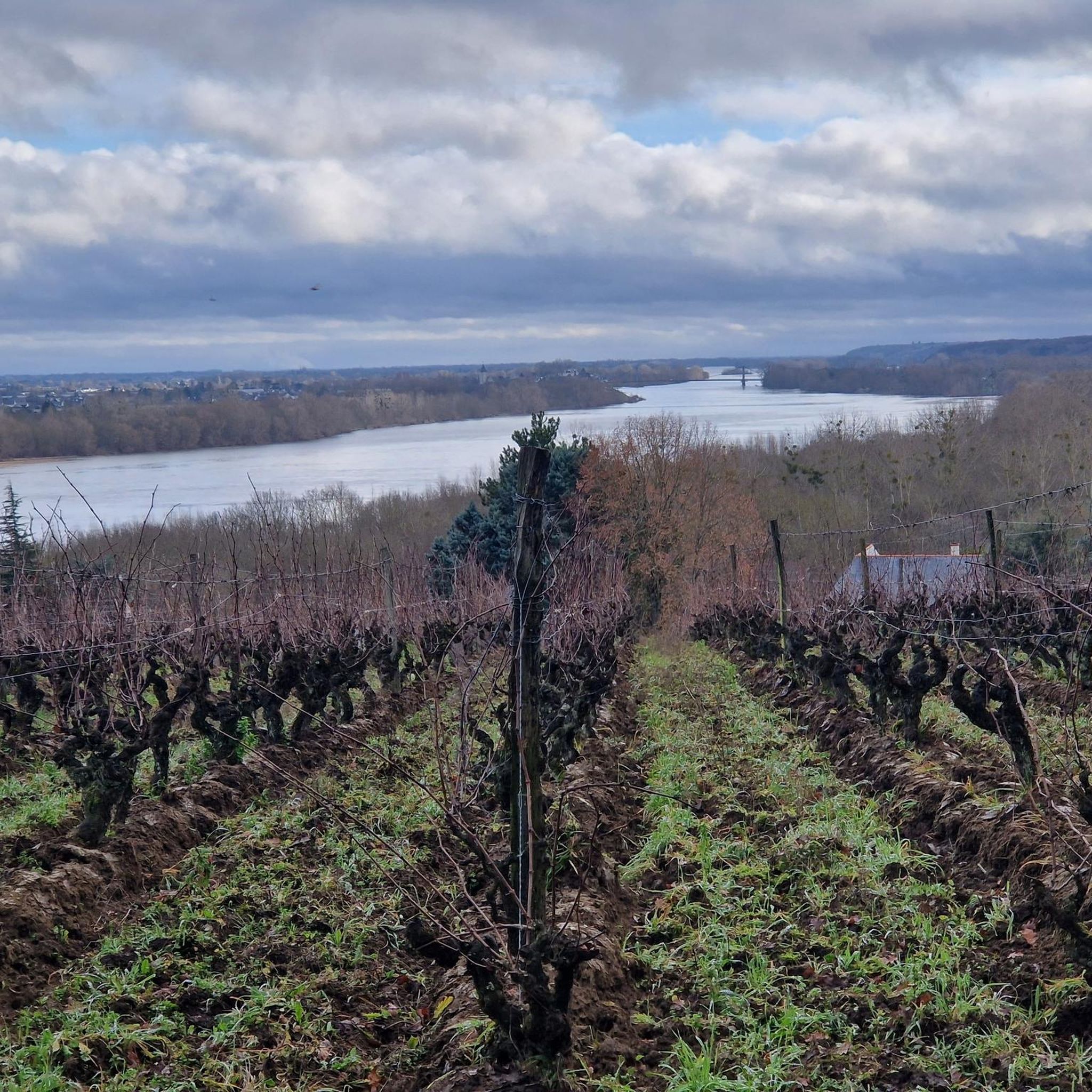
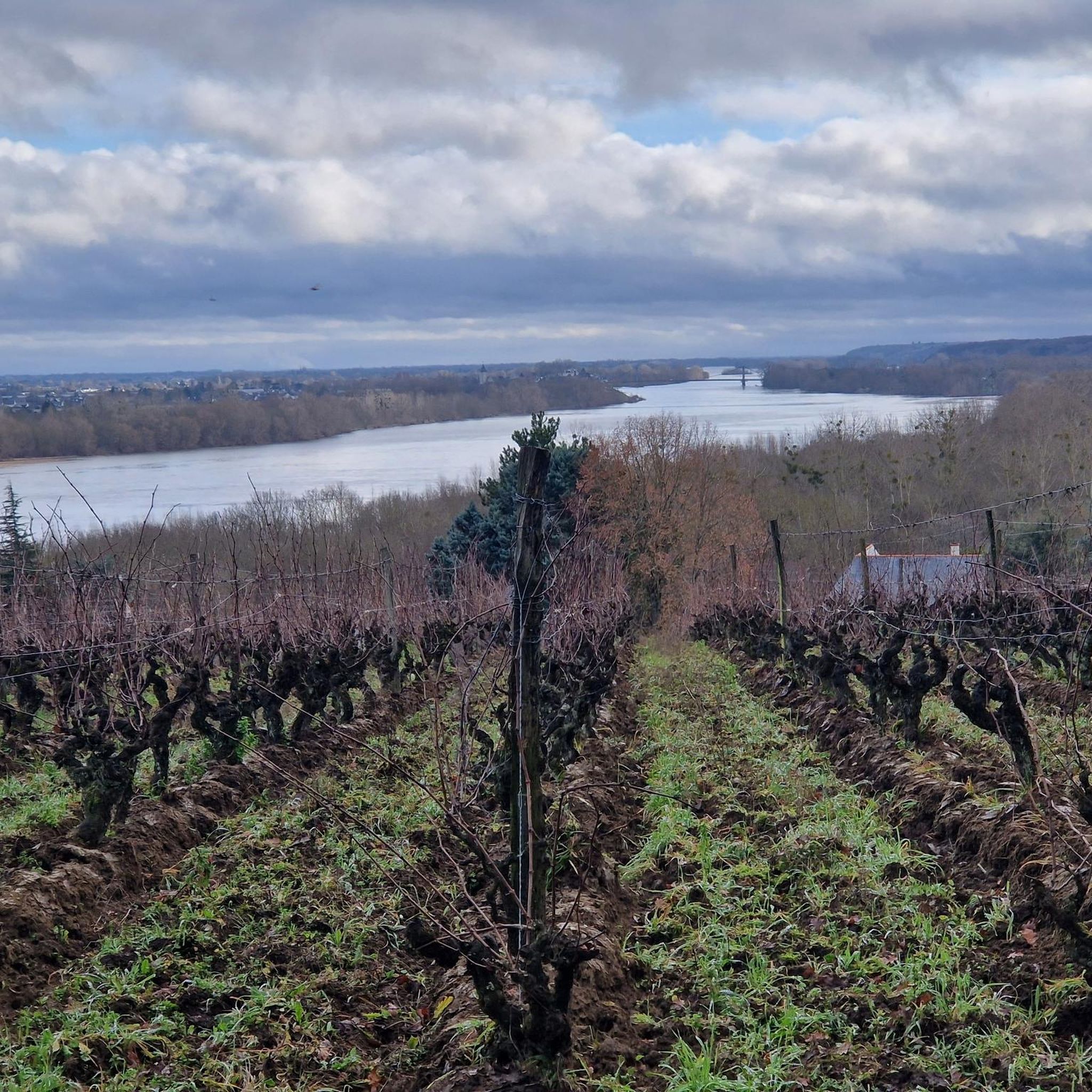
View of the Loire from Le Thoureil
Highlight • Other
Le Thoureil also has megalithic sites on its territory, including dolmens and menhirs.
Translated by Google •
Tip by

Brissac Castle
Highlight • Castle
Translated by Google •
Tip by

Sign up now to discover places like this
Get recommendations on the best single tracks, peaks, & plenty of other exciting outdoor places.
Sign up for free
Étang de Joreau
Highlight • Lake
Translated by Google •
Tip by

Saint-Rémy-la-Varenne Priory
Highlight • Religious Site
Translated by Google •
Tip by

Saint-Maur
Highlight • Monument
According to legend, in the 6th century, Saint Benedict sent a disciple named Maurus , a monk from Monte …
Translated by Google •
Tip by
Sign up for free to discover even more attractions around Chemellier.
Sign up for free
Already have an account?
Start today with a free account
Your next adventure awaits.
Login or Signup


Tips from the Community

The church, located in the village of Saint-Rémy-la-Varenne, dates from the first half of the 11th century and was then dependent on the Abbey of Saint-Aubin d'Angers; its rich past is reflected in its architecture. We enter the vaulted chapel (added to the original building in the 19th century) with the baptismal font. We discover the nave, which is connected to a bay whose 13th century vault rests on older walls. We then enter the choir, the only part of the building with a 12th century vault, where we can admire the ceiling with a pointed barrel vault. Outside the church, we see the Benedictine priory of Saint-Rémy-la-Varenne, a picturesque building founded in 929 that was formerly dependent on the Abbey of Saint-Aubin d'Angers. This church, open from Easter to All Saints' Day, is part of the network of "Reception churches in Anjou" open to the public. Source: https://www.anjou-tourisme.com/fr/diffusio/visites/eglise-de-saint-remy-la-varenne-brissac-loire-aubance
3
0
The Fête du Thoureil, a festival of Loire barges, is an Angevin tradition that takes place every year in spring on the banks of the Loire at Thoureil, in Maine-et-Loire, between Saumur and Angers. The programme includes barges and old Loire sailing ships, and Loire festivities. It is considered the first festival of Loire barges between Nantes and Tours.
5
0
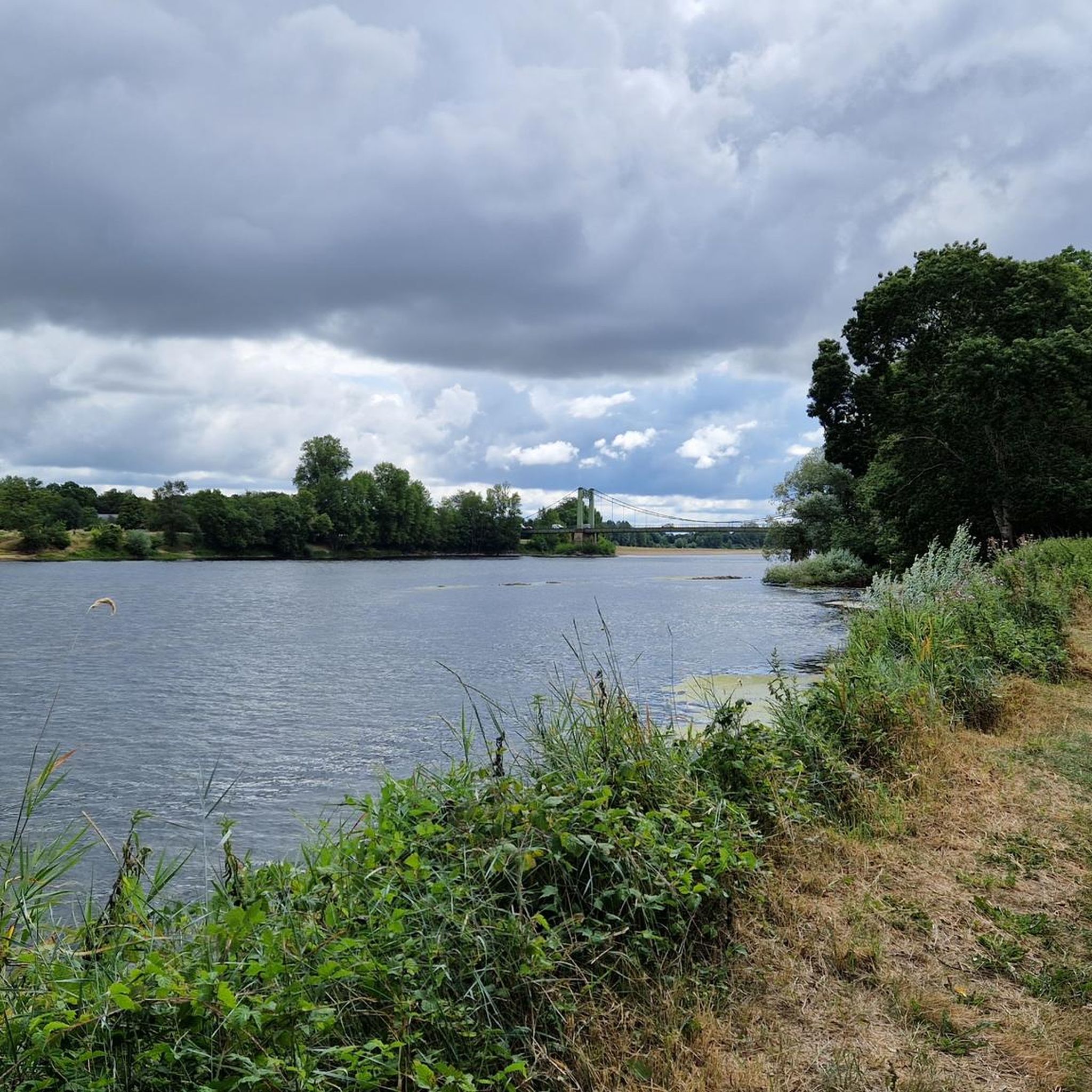
A large wide beach is waiting for you here. Enjoy the golden yellow vast sandbank and the wonderfully fresh water.
3
0
The Abbey of Saint-Maur de Glanfeuil is an abbey in Thoureil. According to legend, in the 6th century, Saint Benedict sent a disciple named Maurus , a monk from Monte Cassino , to Gaul . There he founded the Abbey of Glanfeuil, the first Benedictine abbey in Anjou , which he governed for almost forty years. The Abbey of Saint-Maur, which was destroyed by Norman invasions around the middle of the ninth century and rebuilt in the same century under the reign of Louis the Stammerer , was built and fortified as a war zone, according to the custom of the time. During the reign of Charles V , the English , driven out of Maine by Bertrand Du Guesclin , had withdrawn from Pontvallain to the Abbey of Saint-Maur. Until the 1980s, the abbey was owned by the Assumptionists ; it was a reception centre. They sold it to the Apprentis d'Auteuil, who, because they had no right to build workshops, sold it in turn to the Maine-et-Loire departmental council. The building was classified as a historical monument in 1958, classified in 1979 and registered in 1996. Today, the Abbey of Saint-Maur is managed by the OVAL association. It has converted this place into an activity centre where discovery lessons are given during school terms, but also camps during the holidays. Source Wikipedia
3
0


A castle to visit if you have the opportunity! Otherwise, it remains very visible from the road!
0
0

This ancient castle of the county of Anjou is located on the edge of the D 55. You will not be able to miss it if you pass through Brissac during your outing.
0
0

Frequently Asked Questions
What historical sites can I explore in and around Chemellier?
Chemellier and its surroundings are rich in history. Within the village, you can discover the unique Lavoir à impluvium (washhouse) from 1836, the Église Saint Aubin with its sculpted Way of the Cross, and the prehistoric Dolmen de La Pierre couverte. The area also features traditional Troglodyte Dwellings and Tufa Houses, and the stately home of Seigneury of Sazé / Grand Sazé. Nearby, visit the picturesque Saint-Rémy-la-Varenne Priory, a Benedictine priory founded in 929, or the grand Brissac Castle, known as the "giant of the Loire".
Are there any natural attractions or outdoor spaces to visit near Chemellier?
Yes, Chemellier is nestled in a beautiful natural setting. It borders the Milly Forest Massif and is traversed by the River Aubance. The village is also part of the expansive Loire-Anjou-Touraine Regional Natural Park. A popular spot for walks and wildlife observation is Étang de Joreau, a lake created in the 18th century for fish farming, now offering picnic areas and a health course. You can also enjoy scenic views of the Loire River from Le Thoureil.
What kind of outdoor activities can I do around Chemellier?
The region around Chemellier offers various outdoor activities, especially cycling and hiking. You can find numerous routes for touring bicycles, road cycling, and hiking. For example, explore moderate hiking trails like the "La Lussière Mill – Bajoulière Dolmen loop" or the "Tracas Mill. loop". Cyclists can enjoy routes such as the "View of the Loire – Le Thoureil Village loop". For more detailed options, you can explore guides for Cycling around Chemellier, Road Cycling Routes around Chemellier, and Hiking around Chemellier.
Are there family-friendly attractions in the Chemellier area?
Absolutely. Many attractions around Chemellier are suitable for families. Étang de Joreau is ideal for family outings with picnic areas, easy walks, and opportunities for observing wildlife. Brissac Castle, with its impressive size and historical significance, can also be an engaging visit for older children. The Saint-Rémy-la-Varenne Priory also welcomes families.
What cultural insights can I gain from visiting Chemellier?
Chemellier offers unique cultural insights into traditional French village life and heritage. You can learn about historical water management at the Lavoir à impluvium, appreciate local art at the Église Saint Aubin, and explore the ancient history through the Dolmen de La Pierre couverte. The region is also known for its traditional shallot cultivation, celebrated annually with a festival on the third Sunday of July. Additionally, discovering the Troglodyte Dwellings and Tufa Houses provides a glimpse into traditional regional architecture.
What is the best time to visit Chemellier for outdoor activities?
While specific seasonal recommendations are not provided, the presence of the Milly Forest Massif and the River Aubance suggests that spring and autumn would be ideal for comfortable hiking and cycling, with pleasant temperatures and vibrant natural scenery. Summer would also be suitable, especially for activities around Étang de Joreau, but be prepared for warmer weather. The annual shallot festival in July offers a cultural highlight during summer.
Where can I see views of the Loire River near Chemellier?
For stunning views of the Loire River, head to Le Thoureil. This scenic viewpoint offers picturesque vistas of the river and is also home to a small port with traditional wooden sailing boats. Le Thoureil is also known for its megalithic sites, adding to the historical charm of the location.
Are there any unique architectural features to see in Chemellier?
Yes, Chemellier is notable for its distinctive architecture. You can find traditional Troglodyte Dwellings and Tufa Houses, which are homes built into or from the local tufa limestone. The Lavoir à impluvium, an 1836 washhouse with an inclined roof system for collecting rainwater, is another unique architectural and historical feature.
What is the 'giant of the Loire' and where can I find it?
The 'giant of the Loire' refers to Brissac Castle, located approximately 11 km from Chemellier. It earned this nickname because it is the tallest castle in France, boasting seven floors and 204 rooms. It's a significant historical site and a must-see for those interested in grand châteaux.
Can I visit any wineries near Chemellier?
Yes, the region around Chemellier is well-known for its vineyards and wineries. You can find notable wineries within a short drive, such as Château de Fesles (6 km away in Thouarcé) and Domaine de Bois Mozé (12 km away in Coutures), offering opportunities for wine tasting and tours.
What is the significance of the Saint-Rémy-la-Varenne Priory?
The Saint-Rémy-la-Varenne Priory is a picturesque Benedictine priory founded in 929. Its church, dating from the 11th century, features a remarkable 12th-century vaulted choir. It reflects a rich past and is part of the network of "Reception churches in Anjou," open to the public from Easter to All Saints' Day.
What do visitors enjoy most about the attractions around Chemellier?
Visitors frequently appreciate the blend of historical depth and natural beauty. The scenic views from Le Thoureil, the tranquil atmosphere and walking opportunities at Étang de Joreau, and the impressive architecture of Brissac Castle are highly rated. Many also enjoy the opportunity to explore ancient sites and traditional village life.
Most popular routes around Chemellier
Most popular attractions around Chemellier

Get inspired with the komoot mobile app


Explore more
Still not found the Highlight you’re looking for? See guides of the top attractions in other regions:
