Attractions and Places To See around Bain-De-Bretagne - Top 20
Best attractions and places to see around Bain-De-Bretagne include a variety of historical landmarks, natural features, and cultural sites. This town in Brittany is characterized by its rich history and picturesque natural settings, notably along the Semnon River and the Vilaine. Visitors can explore ancient mills, historical churches, and scenic river loops, reflecting the region's heritage and natural beauty. The area offers opportunities for outdoor activities and cultural experiences.
Best attractions and places to see around Bain-De-Bretagne
- The most popular…
Last updated: July 20, 2026
Uzel Rock
Highlight • Other
Translated by Google •
Tip by

Moulin de la Bouëxière
Highlight • Monument
Translated by Google •
Tip by

Sign up now to discover places like this
Get recommendations on the best single tracks, peaks, & plenty of other exciting outdoor places.
Sign up for free
Guipry-Messac Mill
Highlight • Restaurant
Translated by Google •
Tip by

Vilaine Loop
Highlight (Segment) • Other
Translated by Google •
Tip by

Saint-Senoux Church
Highlight • Religious Site
Translated by Google •
Tip by
Sign up for free to discover even more attractions around Bain-De-Bretagne.
Sign up for free
Already have an account?
Start today with a free account
Your next adventure awaits.
Login or Signup


Tips from the Community

This former watermill, documented as early as 1089, was initially used as a fulling mill before being converted into a flour mill in the 19th century. Its operation ceased on December 31, 1974. Since then, the building has stood as a significant heritage landmark, marking the industrial and riverine history of the Vilaine Valley.
0
0
The church of Saint-Senoux, rebuilt in 1896 in a Romanesque-Byzantine style, is distinguished by its onion-domed bell tower and vaulted nave. It reuses elements from the old church and retains the original altars, baptistery and confessionals.
1
0

Very beautiful passage in the forest
0
0

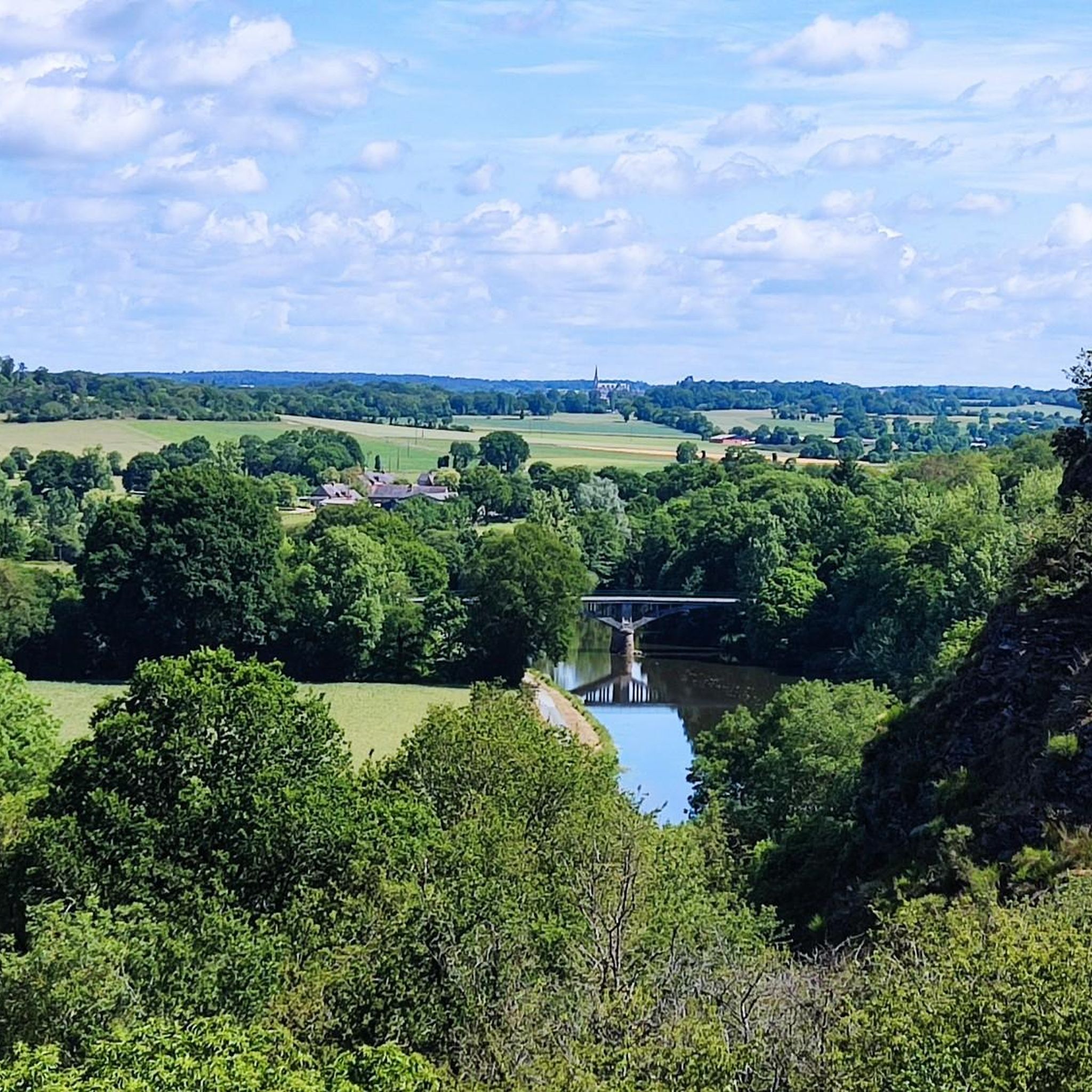
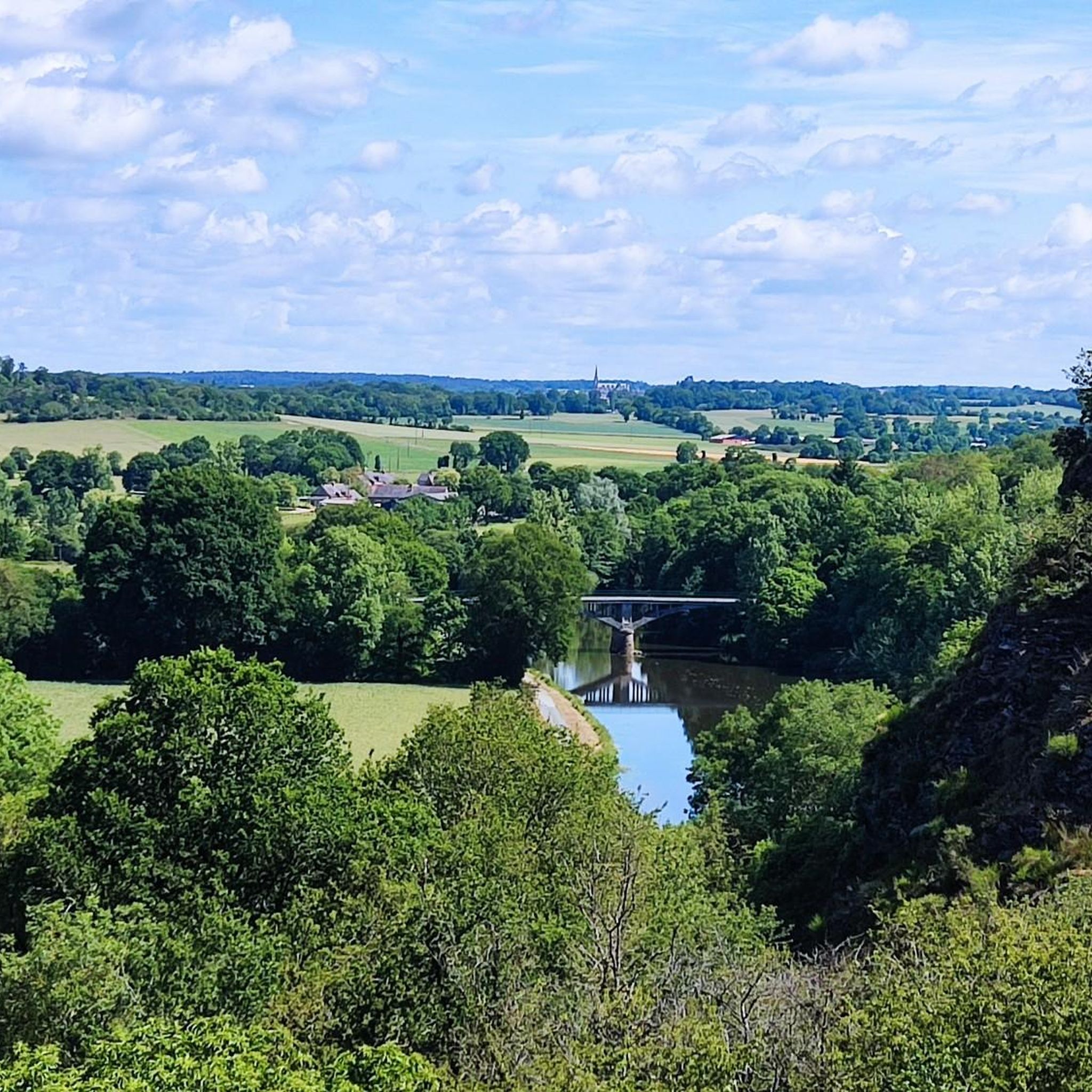
The cycle path along the Vilaine is truly a MUST! It runs directly along the river and has many locks. At each of the locks, there are beautifully maintained guardhouses, some of which are even kitsch. The cycle path doesn't stray more than 10 meters from the river and has a very well-maintained surface. I had the pleasure of following it for over 40 kilometers.
0
0

Romanesque-Byzantine style, a style very popular at the end of the 19th century.
0
0

Well done to Alain who is renovating this mill
0
0


Many centuries ago, our ancestors discovered the possibility of harnessing the power of the elements - which on the one hand could be helpful and useful, but on the other hand could also be a threat as untamed forces of nature - for various purposes and thus be able to do without human or animal muscle power. Mills like these are a good example of the human engineering skills of earlier generations: the heavy millstones used to grind grain into corn or press oil, for example, could be powered by the wind or - as here - water.
0
0
Frequently Asked Questions
What natural features can I explore around Bain-De-Bretagne?
The region is rich in natural beauty. You can discover the scenic Vilaine Loop, a particularly pretty and wooded section of the Vilaine river with a cycling path accessible to all. The Pond of Bain (Bornière Pond) is a central natural attraction, offering water sports and fishing. The Semnon River also drains the commune, providing picturesque landscapes.
Are there historical sites to visit in Bain-De-Bretagne?
Yes, Bain-De-Bretagne boasts several historical sites. The Guipry-Messac Mill, documented as early as 1089, is a significant heritage landmark showcasing the industrial and riverine history of the Vilaine Valley. You can also visit the Moulin de la Bouëxière, an 18th-century mill, and the Saint-Senoux Church, rebuilt in 1896 in a Romanesque-Byzantine style. Other notable landmarks include the Church of St. Martin, Coudray Chapel, and the Castle of La Robinais.
What outdoor activities are available near these attractions?
The area is ideal for outdoor enthusiasts. You can enjoy extensive hiking trails ranging from 5 to 16 km. For cycling, the Vilaine Loop offers a well-maintained cycle path. The Voie Verte (greenway) provides paths for walking, mountain biking, and horseback riding, connecting Guer to Châteaubriant. The Pond of Bain is perfect for sailing, windsurfing, and kayaking.
Are there any unique or hidden gems to discover?
Absolutely. The Uzel Rock is a significant natural and historical site featuring natural caves with engravings, located at the foot of the Pléchâtel-Lohéac station. While some areas may be difficult to access now, its historical significance and views of the Vilaine make it a unique spot. The Mill of Bertaud, an 18th-century mill still producing organic flour, also offers visits on specific Sundays.
What kind of hiking trails can I find around Bain-De-Bretagne?
You'll find a variety of hiking trails around Bain-De-Bretagne, suitable for different skill levels. Many routes offer scenic views of the countryside and river landscapes. For more detailed information on specific routes and their difficulty, you can explore the Running Trails around Bain-De-Bretagne guide, which includes routes like the 'Railway station loop' and 'View of Bain-de-Bretagne loop'.
Are there cycling routes suitable for different types of bikes?
Yes, the region caters to various cycling preferences. The Vilaine Loop offers a pleasant cycling path accessible to all. For road cyclists, there are routes like the 'Uzel Rock – Lavoir loop' mentioned in the Road Cycling Routes around Bain-De-Bretagne guide. Gravel biking enthusiasts can explore routes such as the 'Voie Verte Gravel Path – Bain-Châteaubriant greenway loop' found in the Gravel biking around Bain-De-Bretagne guide.
What do visitors enjoy most about the attractions in Bain-De-Bretagne?
Visitors particularly appreciate the natural beauty and tranquility of the area, especially along the Vilaine river. The Vilaine Loop is often highlighted for its beautiful towpath and numerous locks. The historical significance of sites like the Guipry-Messac Mill and the unique architecture of the Saint-Senoux Church also receive positive feedback.
Are there any family-friendly attractions or activities?
Many of the natural and historical sites can be enjoyed by families. The cycling path along the Vilaine Loop is accessible to all, making it suitable for family bike rides or walks. The Pond of Bain offers water sports that can be fun for older children. Exploring the historical mills like Guipry-Messac Mill can also be an educational experience for kids.
What is the best time of year to visit Bain-De-Bretagne?
The region is enjoyable throughout much of the year, but spring, summer, and early autumn are particularly pleasant for outdoor activities. These seasons offer ideal weather for hiking, cycling, and water sports on the Pond of Bain. Local festivals, such as the Schmoul festival in late January, Bain de Blues in mid-April, and the Month of Documentary in November, also provide cultural experiences during different times of the year.
Can I find any cultural events or local markets in Bain-De-Bretagne?
Bain-De-Bretagne hosts several cultural events, including the Schmoul festival for rock and world music, the Bain de Blues festival, and the Month of Documentary festival. You can also experience the local flavor at the weekly market held on Mondays in Bain-De-Bretagne, offering a chance to discover regional products and crafts.
Are there any historical washhouses to see?
Yes, reflecting the region's hydrographic richness, Bain-De-Bretagne has a recently restored old public washhouse adorned with shale slabs. There's also a newer covered laundry built in 1875, which was designed for better comfort and provides insight into local history.
Most popular routes around Bain-De-Bretagne

Get inspired with the komoot mobile app


Explore more
Still not found the Highlight you’re looking for? See guides of the top attractions in other regions:
