Attractions and Places To See around Vitry-Lès-Cluny - Top 20
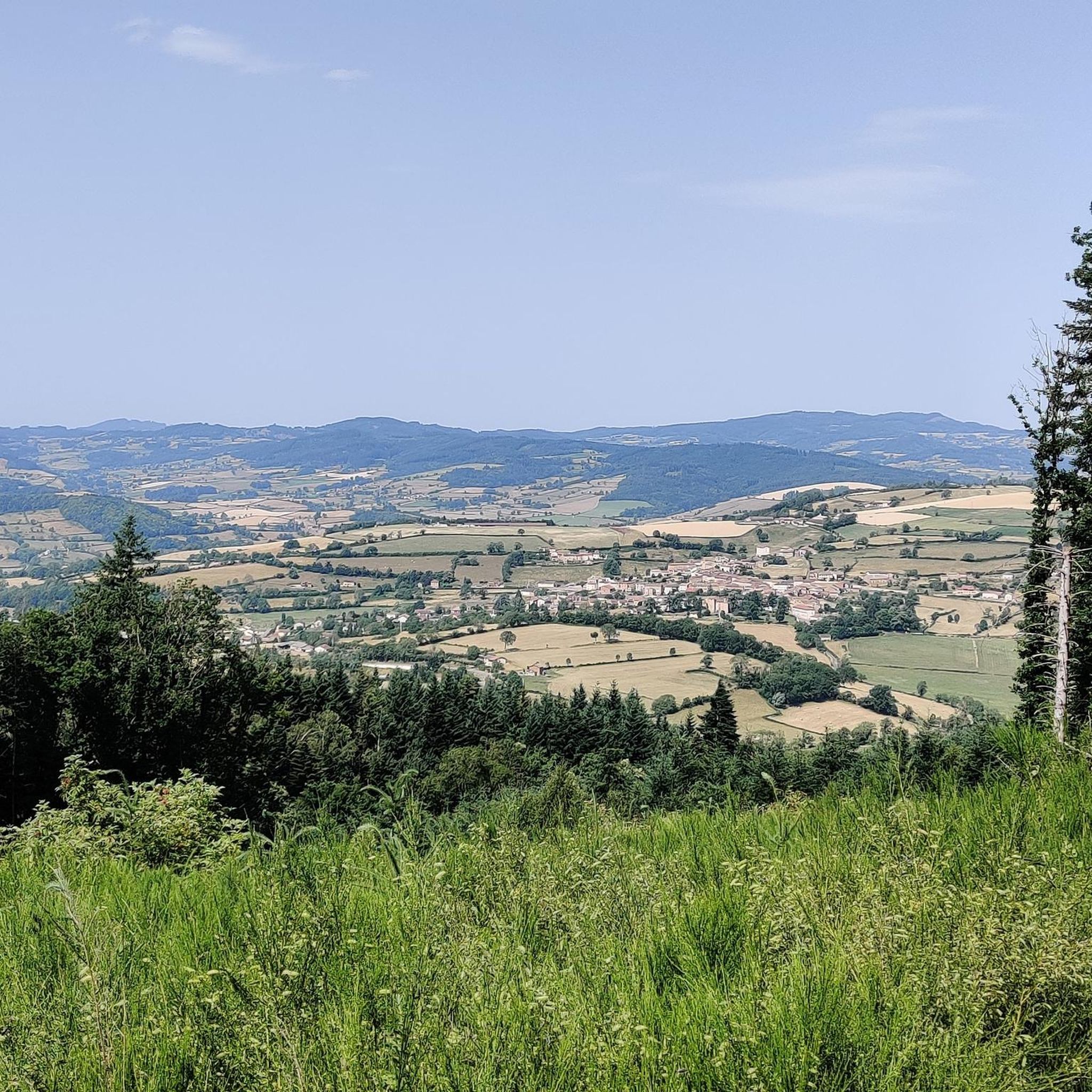
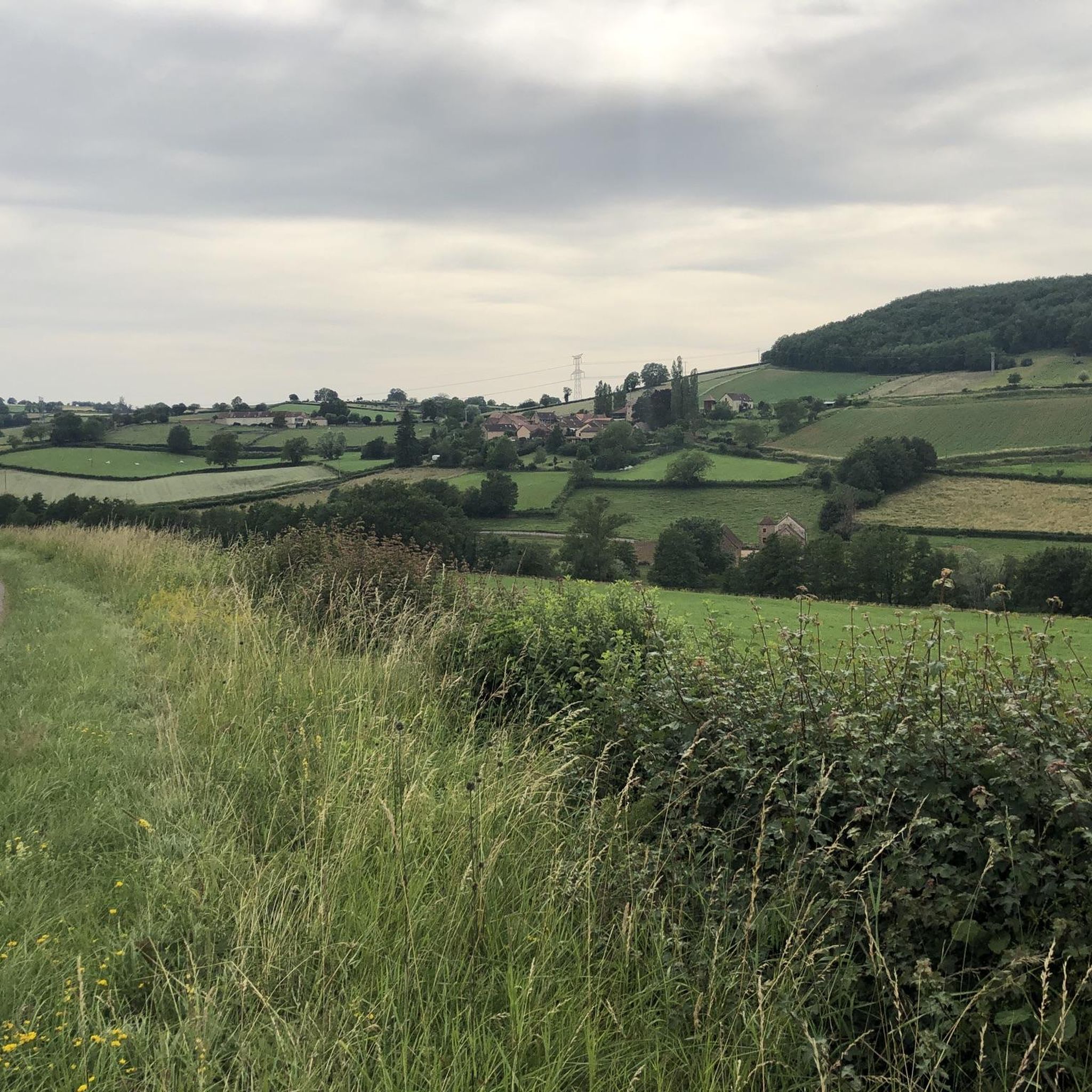
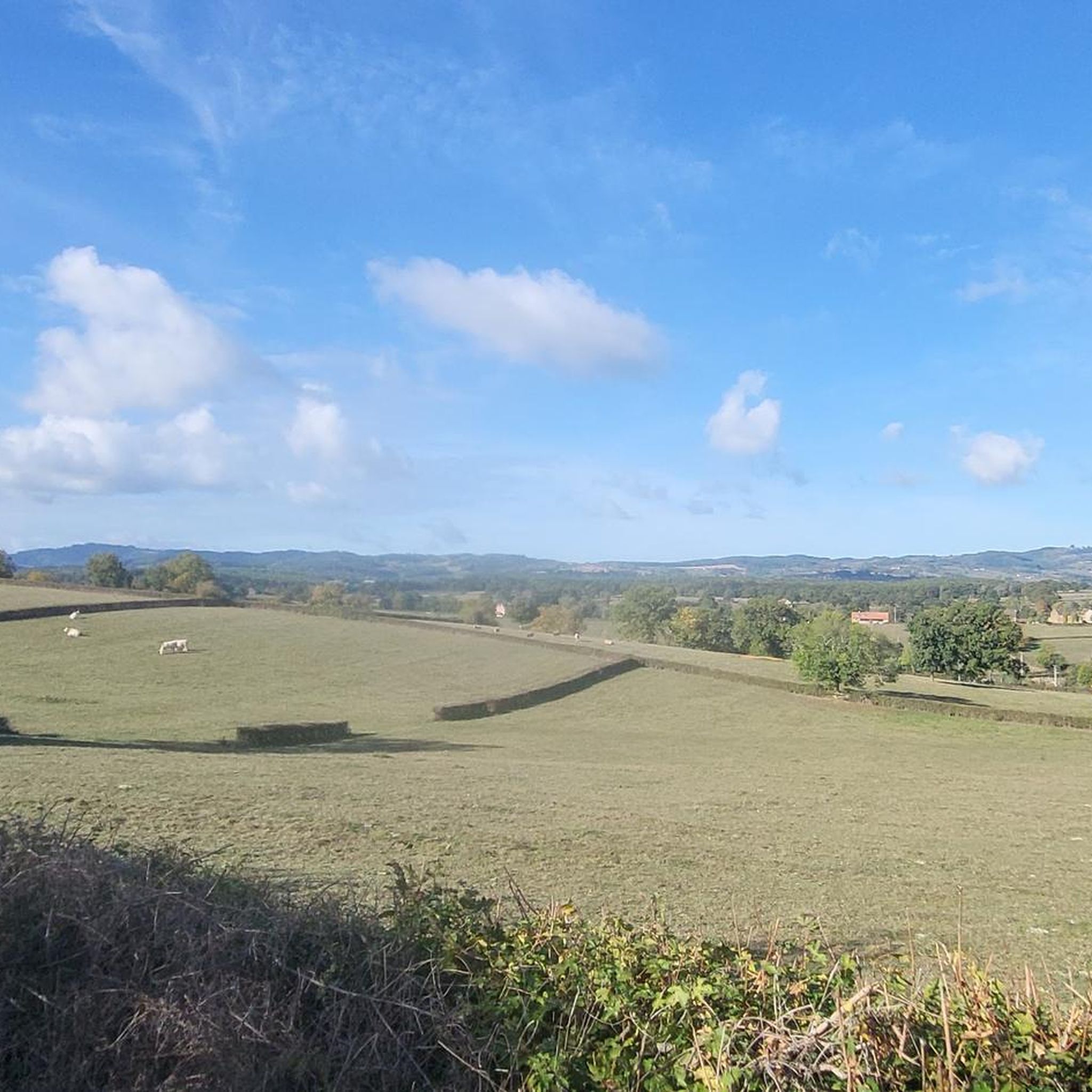
Attractions and places to see around Vitry-Lès-Cluny include a blend of historical sites and natural landscapes in the Saône-et-Loire department of France. The region is characterized by diverse terrain, featuring meadows, forests, and wooded areas. It offers numerous hiking trails that traverse protected zones, providing opportunities to experience local biodiversity. Archaeological discoveries indicate a long history of human presence in the area.
Best attractions and places to see around Vitry-Lès-Cluny
- The most popular attractions is Cormatin Castle, a castle…
Last updated: October 9, 2026
Cluny
Highlight • Settlement
Translated by Google •
Tip by

Cormatin Castle
Highlight • Castle
Translated by Google •
Tip by

Sign up now to discover places like this
Get recommendations on the best single tracks, peaks, & plenty of other exciting outdoor places.
Cluny
Highlight • Other
Translated by Google •
Tip by

Sainte-Marie-Madeleine Church
Highlight • Other
Translated by Google •
Tip by

Taizé Community
Highlight • Religious Site
Translated by Google •
Tip by

Sign up for free to discover even more attractions around Vitry-Lès-Cluny.
Already have an account?
Start today with a free account
Your next adventure awaits.


Tips from the Community


This place and its atmosphere have been a magnet for millions of people for decades. I was there for the first time in 1974 and am always fascinated by the surrounding landscape. I was particularly taken with the small Romanesque churches in the villages of the region and places like Cluny and Brançion.
1
0

The historic town of Cluny, located in the Bourgogne-Franche-Comté region, can best be admired from the viewing platform of the famous Cheese Tower (Tour des Fromages), from which you can enjoy a striking 360-degree view over the historic rooftops and the gentle, green hills of Southern Burgundy. Cluny is world-renowned for its Benedictine abbey, founded in 910 AD. In the High Middle Ages, the abbey was the starting point of the pioneering Cluniac reform movement and developed into the head of a Europe-wide monastic order with over 1,200 monasteries.
0
0
The Château de Cormatin is a magnificent early 17th-century water castle. The castle was built between 1606 and 1625 by the Marquises d'Huxelles. It houses the best-preserved state rooms from the time of Louis XIII in all of France. Famous are the "Gilded Rooms" (Salles Dorées) with lavish paintings, sculptures, and gold leaf ceilings. The extensive grounds, covering approximately 12 hectares, are among the most beautiful gardens in France. Highlights in the outdoor area include a large boxwood maze, an open-air baroque theatre, water features, and a historic vegetable garden.
3
0
This is a simple, Romanesque village church from the 12th century. It was already mentioned in the documents of the famous Cluny Abbey in the year 1156. The building has been a listed "monument historique" since 1913. In the small cemetery directly in front of the church is, among other things, the grave of Frère Roger, the founder of the well-known ecumenical community of Taizé. The church is used by many young people and pilgrims as a place of silence and personal prayer.
4
0
The Community of Taizé is an international ecumenical monastic order for men in the small village of Taizé, founded in 1940 by Brother Roger. It is considered one of the most important symbols of the ecumenical movement worldwide and a spiritual center of attraction for young people. The brotherhood consists of around 80 to 100 brothers from about 30 countries. They belong to various Christian denominations, including Catholics, Anglicans, and Protestants. The brothers do not accept donations or inheritances. They finance their livelihood exclusively through their own work, such as producing pottery and handicrafts, as well as selling books and music recordings.
2
0
In the Middle Ages, the abbey was one of the most influential spiritual and cultural centers in Europe. Cluny was the mother house of the Cluniac Reform and headed a federation of over 1,200 monasteries. The third abbey church (Cluny was the largest church in the Christian world until the construction of St. Peter's Basilica in Rome). Of the once-mighty complex, only parts of the southern transept remain today, as the abbey was largely used as a quarry and demolished after the French Revolution.
1
0

very beautiful hike Very shaded and very pleasant
2
0
Frequently Asked Questions
What historical sites are worth visiting near Vitry-Lès-Cluny?
The region around Vitry-Lès-Cluny is rich in history. You can explore the impressive Cormatin Castle, a 17th-century château known for its well-preserved interiors and extensive gardens, including a large boxwood labyrinth. Another significant site is Cluny, historically centered around the Benedictine monastery, which was once home to the world's largest Romanesque basilica. The village of Vitry-lès-Cluny itself also features a 15th-16th century castle and the historic Saint-Blaise church.
Are there any religious or spiritual sites to visit in the area?
Yes, the area is home to several notable religious sites. The Sainte-Marie-Madeleine Church in Taizé is a small, simple church where the founder of the Taizé Community, Frere Roger, established his brotherhood and is buried. Nearby, you can also visit the larger Church of Reconciliation, built by the community. Additionally, the Church of the Assumption of Ameugny is an impressive old Romanesque church from the 12th century.
What natural attractions can I explore around Vitry-Lès-Cluny?
The region offers diverse natural landscapes, including meadows, forests, and wooded areas. For underground exploration, consider visiting the Azé Caves (Grottes d'Azé) or the Grottes de Blanot, both located within a short drive. The area is also characterized by living hedges, dry stone walls, and sunken paths, providing picturesque scenery for outdoor activities.
Are there family-friendly activities or attractions near Vitry-Lès-Cluny?
Absolutely. Cormatin Castle is particularly family-friendly, with its impressive gardens, including a large boxwood labyrinth that delights both children and adults. The castle's interior also offers an engaging glimpse into 17th-century life. Many of the hiking and cycling routes in the area are also suitable for families, with varying difficulty levels.
What kind of outdoor activities, like hiking or cycling, are available?
The diverse landscapes around Vitry-Lès-Cluny are ideal for outdoor activities. You'll find numerous hiking trails traversing protected zones, offering opportunities to experience local biodiversity. For cycling, there are routes like the 'Greenway of Southern Burgundy – Voie verte' loop. You can find detailed routes for hiking, cycling, and running around Vitry-Lès-Cluny.
What are some easy hiking trails around Vitry-Lès-Cluny?
For easier walks, consider routes like the 'View over the Vallée de la Guy loop from Salornay-sur-Guye' which is about 5.8 km, or the 'Matray loop from La Vineuse' at approximately 5 km. These trails offer a chance to enjoy the scenic countryside without challenging terrain. You can find more options in the hiking guide.
What do visitors enjoy most about the attractions near Vitry-Lès-Cluny?
Visitors frequently praise the historical depth and natural beauty of the region. For instance, the gardens and interiors of Cormatin Castle are highly appreciated for their beauty and historical preservation. The spiritual atmosphere and international community at Taizé, particularly around the Sainte-Marie-Madeleine Church and Church of Reconciliation, are also deeply valued. The overall tranquility and opportunities for outdoor exploration in the diverse landscapes are also a big draw.
Are there any archaeological points of interest in Vitry-Lès-Cluny?
Yes, archaeological discoveries in Vitry-lès-Cluny, including tools from the Mousterian and Aurignacian periods, indicate a long history of human presence in the area, dating back to the Lower Paleolithic era. While specific sites may not be open to public excavation, this rich history underpins the region's ancient heritage.
What is the best time of year to visit Vitry-Lès-Cluny for outdoor activities?
The region's diverse landscapes are enjoyable across seasons. Spring and autumn offer pleasant temperatures for hiking and cycling, with vibrant foliage or blooming flowers. Summer is also popular, especially for exploring the gardens of places like Cormatin Castle. Always check local weather forecasts before your visit.
Can I find information about the Taizé Community near Vitry-Lès-Cluny?
Yes, the Taizé Community is located approximately 7.7 km from Vitry-Lès-Cluny. It is an ecumenical monastic order renowned for its unique style of worship and international gatherings, particularly of young people. You can visit the Sainte-Marie-Madeleine Church, the original village church, and the larger Church of Reconciliation where the community gathers.
Are there other castles besides Cormatin Castle in the vicinity?
Beyond Cormatin Castle, the region boasts several other historic castles. These include Berzé Castle (Château de Berzé), located about 14.3 km away, and Brancion Castle (Château de Brancion), approximately 17.6 km from Vitry-Lès-Cluny. Vitry-lès-Cluny itself has a 15th-16th century castle, though it is a private property.
Most popular routes around Vitry-Lès-Cluny

Get inspired with the komoot mobile app


Explore more
Still not found the Highlight you’re looking for? See guides of the top attractions in other regions:
