Attractions and Places To See around La Chapelle-Du-Mont-De-France - Top 20
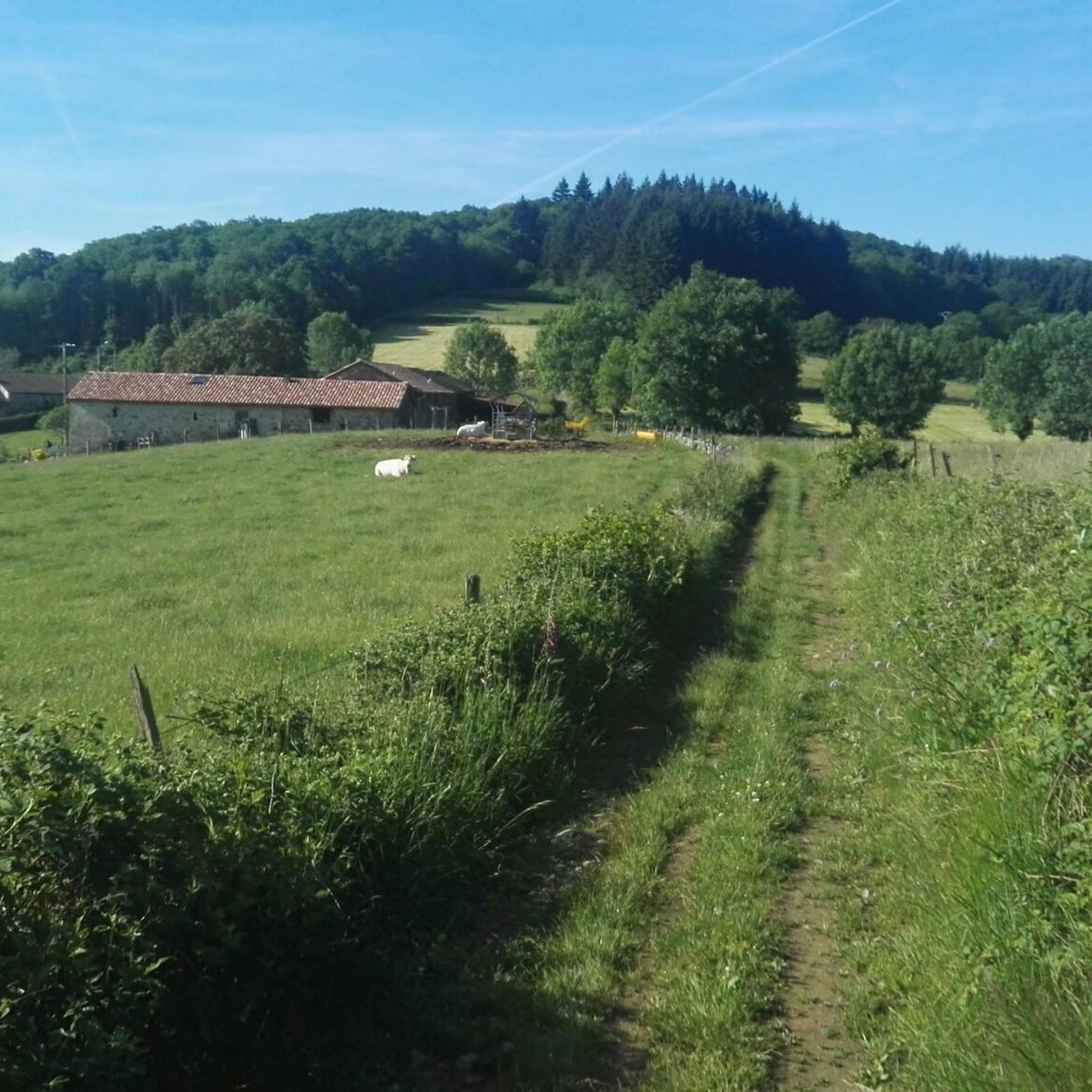
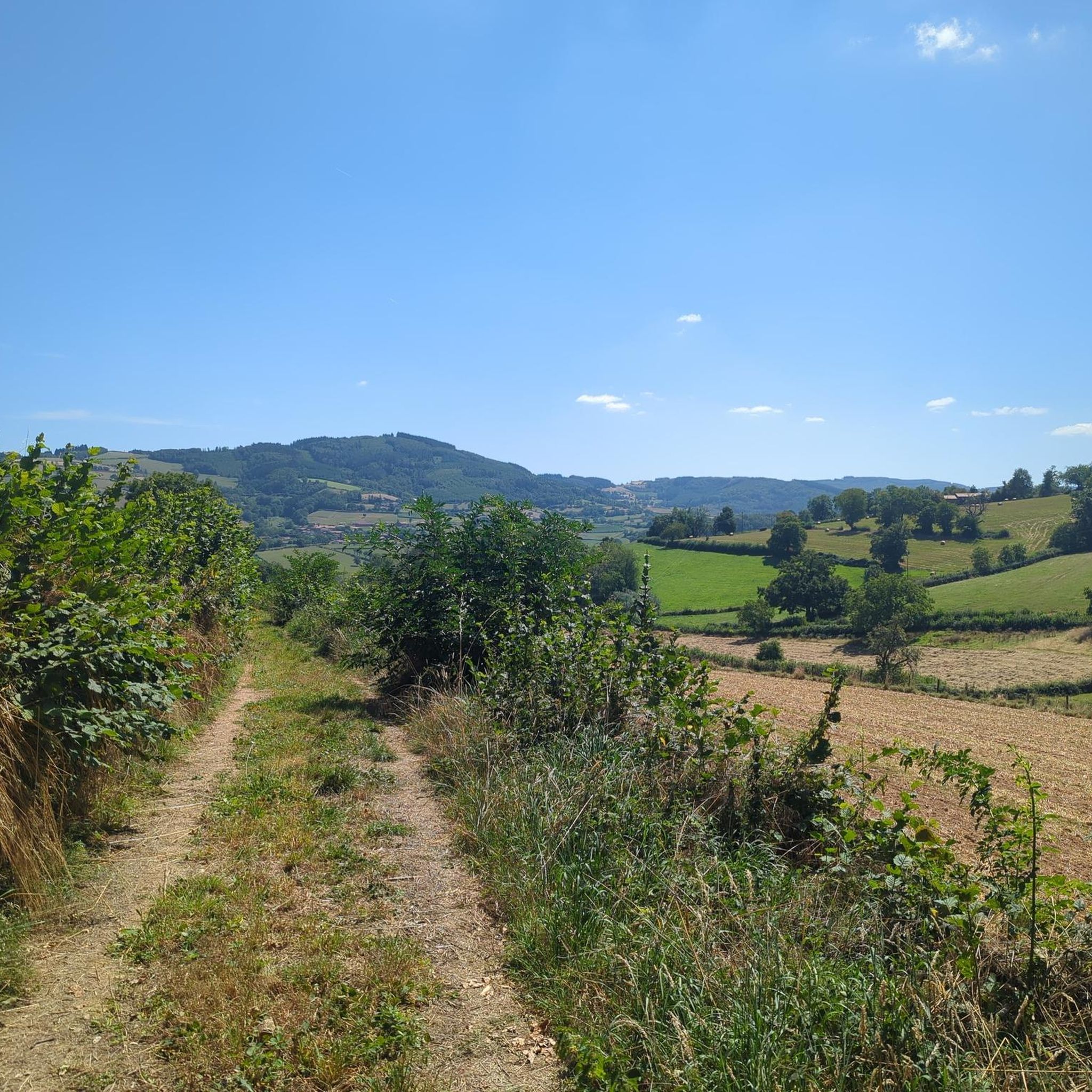
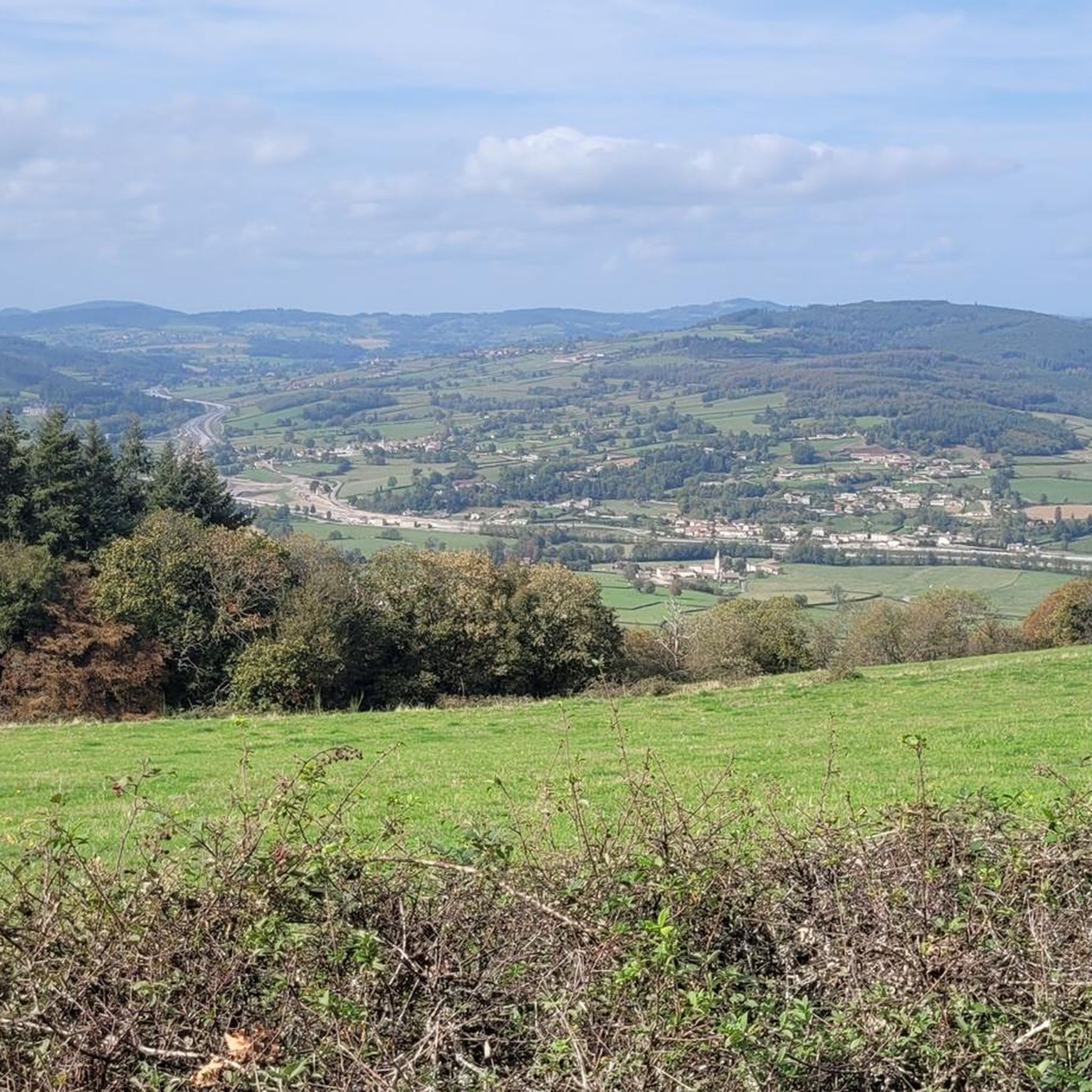
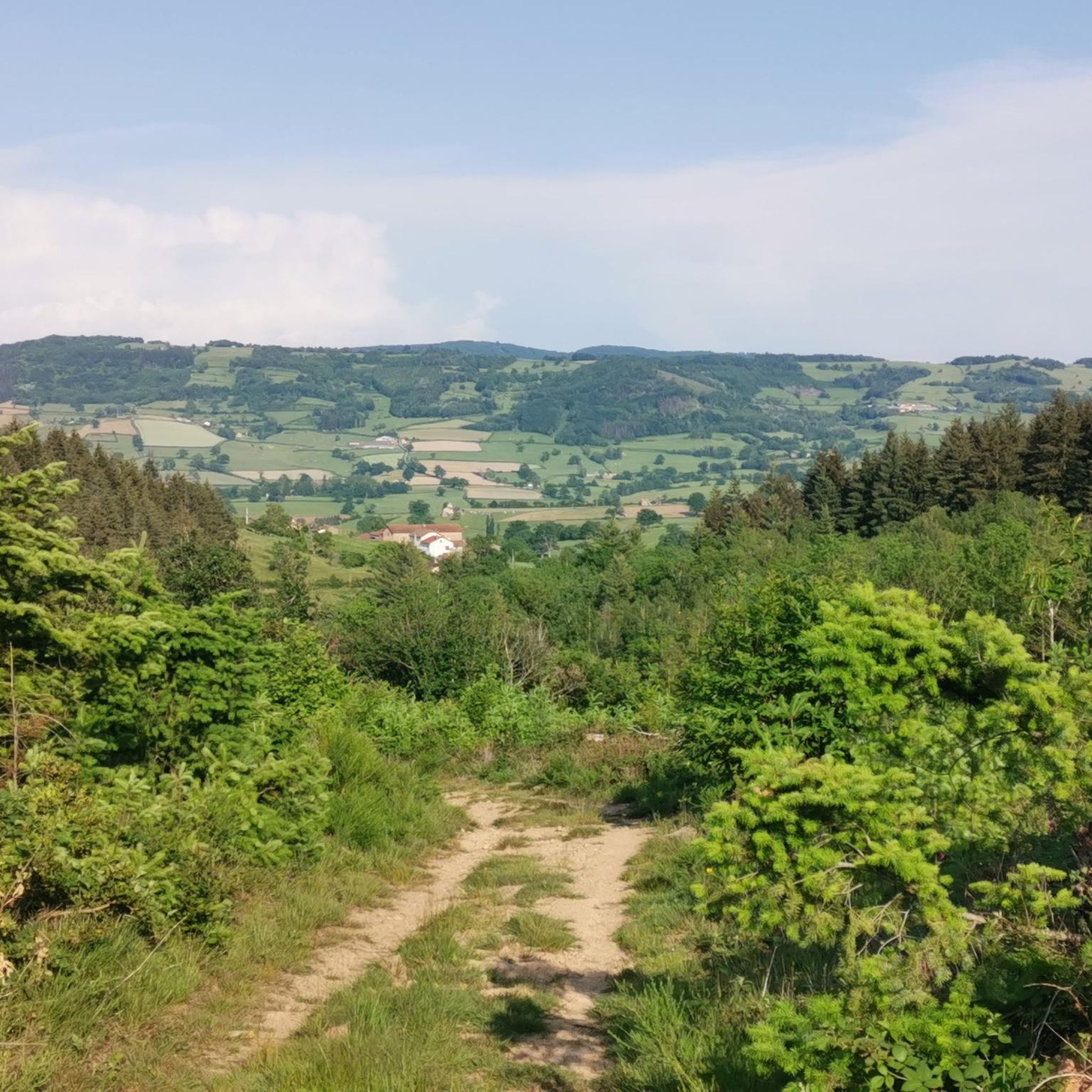
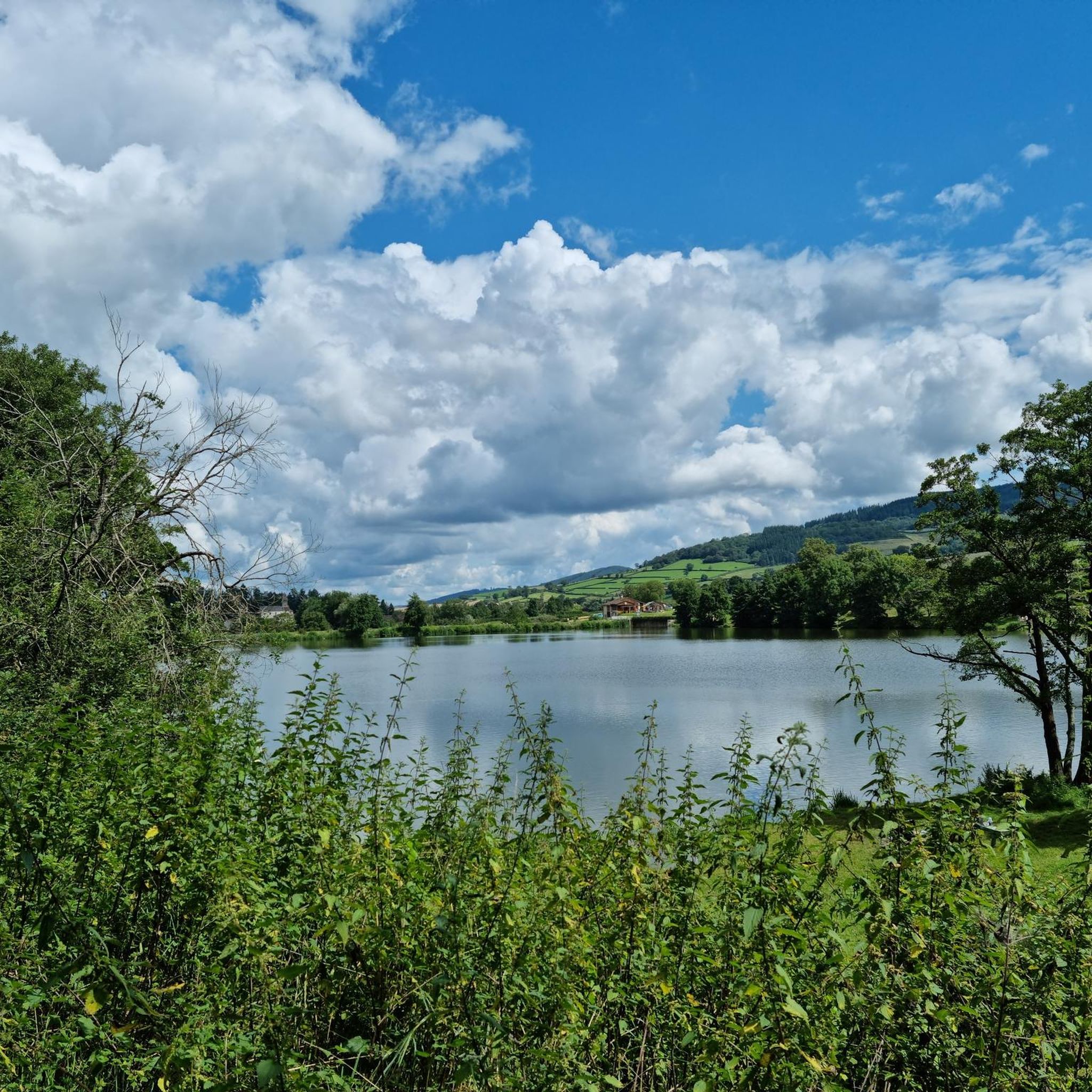
Best attractions and places to see around La Chapelle-Du-Mont-De-France, a rural village in Saône-et-Loire, include rolling hills reaching up to 550 meters and the small river La Noue. The area features Gallo-Roman remains, indicating ancient settlements. Its location provides access to historical sites and natural landscapes in the wider Burgundy-Franche-Comté region. Visitors can explore hiking trails directly from the village square, offering views of the Haut Beaujolais and Charolais regions.
Best attractions and places to see around La Chapelle-Du-Mont-De-France
- The…
Last updated: November 6, 2026
Cluny
Highlight • Settlement
Translated by Google •
Tip by

Tunnel du bois clair
Highlight • Other
Translated by Google •
Tip by

Sign up now to discover places like this
Get recommendations on the best single tracks, peaks, & plenty of other exciting outdoor places.
Cluny
Highlight • Other
Translated by Google •
Tip by

Medieval fortress of Berzé-le-Châtel
Highlight • Castle
Translated by Google •
Tip by

Château de Berzé
Highlight • Other
Translated by Google •
Tip by

Sign up for free to discover even more attractions around La Chapelle-Du-Mont-De-France.
Already have an account?
Start today with a free account
Your next adventure awaits.
Popular around La Chapelle-Du-Mont-De-France
Tips from the Community

The temperature is very pleasant in the tunnel, summer and winter.
0
0

The historic town of Cluny, located in the Bourgogne-Franche-Comté region, can best be admired from the viewing platform of the famous Cheese Tower (Tour des Fromages), from which you can enjoy a striking 360-degree view over the historic rooftops and the gentle, green hills of Southern Burgundy. Cluny is world-renowned for its Benedictine abbey, founded in 910 AD. In the High Middle Ages, the abbey was the starting point of the pioneering Cluniac reform movement and developed into the head of a Europe-wide monastic order with over 1,200 monasteries.
0
0
The Château de Berzé-le-Châtel (also known as Forteresse de Berzé) is the largest and best-preserved medieval castle in southern Burgundy. The site dates back to a 10th-century castrum and was strategically built on a rocky outcrop to protect the nearby powerful Abbey of Cluny. The fortress consists of three concentric walls and features 13 towers (including two keeps/donjons) as well as an imposing gatehouse. The heart inside is a remarkable Carolingian chapel.
1
0
The Château de Berzé-le-Châtel (also Forteresse de Berzé) is the largest and best-preserved medieval castle in Southern Burgundy. The complex dates back to a 10th-century castrum and was strategically built on a rocky outcrop to protect the nearby powerful Abbey of Cluny. The fortress consists of three ring walls and has 13 towers (including two keeps/donjons) as well as an imposing gatehouse. The centerpiece inside is a remarkable Carolingian chapel.
0
0

Very beautiful castle. Feel free to visit the monks' chapel of Berzé la ville, with very beautiful paintings from the abbey of Cluny
1
0
In the Middle Ages, the abbey was one of the most influential spiritual and cultural centers in Europe. Cluny was the mother house of the Cluniac Reform and headed a federation of over 1,200 monasteries. The third abbey church (Cluny was the largest church in the Christian world until the construction of St. Peter's Basilica in Rome). Of the once-mighty complex, only parts of the southern transept remain today, as the abbey was largely used as a quarry and demolished after the French Revolution.
1
0

The town of Cluny was based on the Benedictine monastery (Cluniac Abbey), founded in 910. The abbey was the starting point and center of the Cluniac reform at the beginning of the 10th century. Cluny reached its peak membership at the beginning of the 12th century with approximately 400 monks. The last abbey church (Cluniac 3) was the world's largest Romanesque basilica and, until the construction of today's St. Peter's Basilica in Rome, the largest church in Christendom. The church had seven towers. Although large parts of the building were destroyed, the remaining relics are absolutely remarkable and make a visit to Cluny an unforgettable experience!
2
0
Frequently Asked Questions
What historical sites can I explore near La Chapelle-du-Mont-de-France?
The region is rich in history. You can visit Cluny, a settlement that grew around the Benedictine monastery, which was once the largest in the world. The impressive ruins of Cluny Abbey are a must-see, along with its art and archaeology museum. Additionally, the village of La Chapelle-du-Mont-de-France itself holds significant Gallo-Roman vestiges, with discoveries of foundations, Roman medals, and a sarcophagus found at sites like "La Ville d'Allery" and "Vers le Pont". Further afield, the 13th-century Berzé Castle, the largest and best-preserved fortress in Burgundy, is also within reach.
Are there any family-friendly attractions or activities in the area?
Yes, there are several options for families. The Tramayes settlement, with its castle and village church, offers a charming visit. For a unique experience, consider cycling through the Tunnel du bois clair, which is the longest bicycle tunnel in Europe. The Haras National stud farm at Cluny, dedicated to horses, can also be an engaging visit for all ages.
What natural landscapes and viewpoints can I discover around La Chapelle-du-Mont-de-France?
The village is surrounded by rolling hills reaching up to 550 meters, particularly around the Bois de Cluise, and is bathed by the small river La Noue. You can enjoy picturesque views of the Haut Beaujolais and Charolais regions from hiking trails starting directly from the village square. A prominent natural landmark nearby is the Rock of Solutré, offering spectacular panoramic views over the Mâconnais vineyards.
What outdoor activities are available near La Chapelle-du-Mont-de-France?
The area is ideal for outdoor enthusiasts. You can enjoy hiking, mountain biking, and horseback riding on trails that start directly from the village square. The Noue river also provides opportunities for fishing. For more structured routes, explore the diverse options for hiking, mountain biking, and road cycling in the surrounding region.
Are there specific hiking trails starting from the village?
Yes, two dedicated hiking trails begin directly from the village square of La Chapelle-du-Mont-de-France. These trails offer scenic views of the village, its hamlets, and the wider Haut Beaujolais and Charolais regions. For more extensive hiking options, you can consult the hiking guide for the area, which includes routes like the 'Vernée-Dompierre Pond loop' and 'Étang de Pézanin loop'.
What is the longest bicycle tunnel in Europe, and where is it located?
The longest bicycle tunnel in Europe is the Tunnel du bois clair, measuring 1600 meters. It's an old railway tunnel transformed into a green bicycle route and is open seasonally, typically from April 14th to June 30th.
Where can I learn about the life and works of Alphonse de Lamartine?
You can visit the Château de Saint-Point - Maison d'Alphonse de Lamartine, located about 10 kilometers from La Chapelle-du-Mont-de-France. This historic monument was the residence of the famous poet and politician, and it includes his tomb and a Romanesque church. Guided tours and a poetic trail in the castle park offer insights into his life.
Are there any lakes or water activities nearby?
Yes, the Lac de Saint-Point Lamartine, located near the Château de Saint-Point, is appreciated for its natural scenery. It offers opportunities for water sports and relaxation, making it a pleasant spot for a day out.
What kind of services are available in nearby settlements?
The settlement of Tramayes, for instance, offers various services in its town center, including a bar, a pharmacy, and a bank. While La Chapelle-du-Mont-de-France is a rural village, these nearby towns provide essential amenities for visitors.
What is the significance of the Rock of Solutré?
The Rock of Solutré is an iconic limestone escarpment that rises to 493 meters, offering spectacular panoramic views over the Mâconnais vineyards. It also holds significant archaeological importance, having been occupied for at least 55,000 years, with a prehistory museum at its base explaining its rich past.
Can I find mountain biking trails in the region?
Absolutely. The rolling hills and natural landscapes around La Chapelle-du-Mont-de-France are suitable for mountain biking. You can find a variety of routes in the dedicated MTB Trails guide, which includes options like the 'Vergezicht loop' and the 'Mount Mandé – Tour of the Bois du Mont de Mandé loop'.
What is the best time to visit La Chapelle-du-Mont-de-France for outdoor activities?
The region's outdoor activities, such as hiking, mountain biking, and horseback riding, are best enjoyed during the milder months. Spring and autumn offer pleasant temperatures and beautiful scenery, while summer is also suitable, though it can be warmer. The Tunnel du bois clair for cyclists is typically open from April to June.
Most popular routes around La Chapelle-Du-Mont-De-France

Get inspired with the komoot mobile app


Explore more
Still not found the Highlight you’re looking for? See guides of the top attractions in other regions:
