Attractions and Places To See around Bannoncourt - Top 20
Attractions and places to see around Bannoncourt are found in the Meuse department of France's Grand Est region, situated along the Meuse River. The area features historical landmarks, natural landscapes, and cultural points of interest. Bannoncourt is part of a Natura 2000 site, recognized for its rich fish population and as a refuge for birds, with significant plant species and rare dragonflies. The region also holds archaeological evidence of early settlements and a rich medieval history.
Best attractions and places…
Last updated: May 20, 2026
Saint-Mihiel Abbey Church
Highlight • Religious Site
It is one of the jewels of this small town.
Translated by Google •
Tip by

Saint-Mihiel
Highlight • Settlement
Translated by Google •
Tip by

Sign up now to discover places like this
Get recommendations on the best single tracks, peaks, & plenty of other exciting outdoor places.
Sign up for free
The Roman Camp.
Highlight • Monument
Translated by Google •
Tip by

By mistake
Highlight • Other
Translated by Google •
Tip by

Saphira
Highlight • Other
Translated by Google •
Tip by
Sign up for free to discover even more attractions around Bannoncourt.
Sign up for free
Already have an account?
Start today with a free account
Your next adventure awaits.
Login or Signup

Tips from the Community

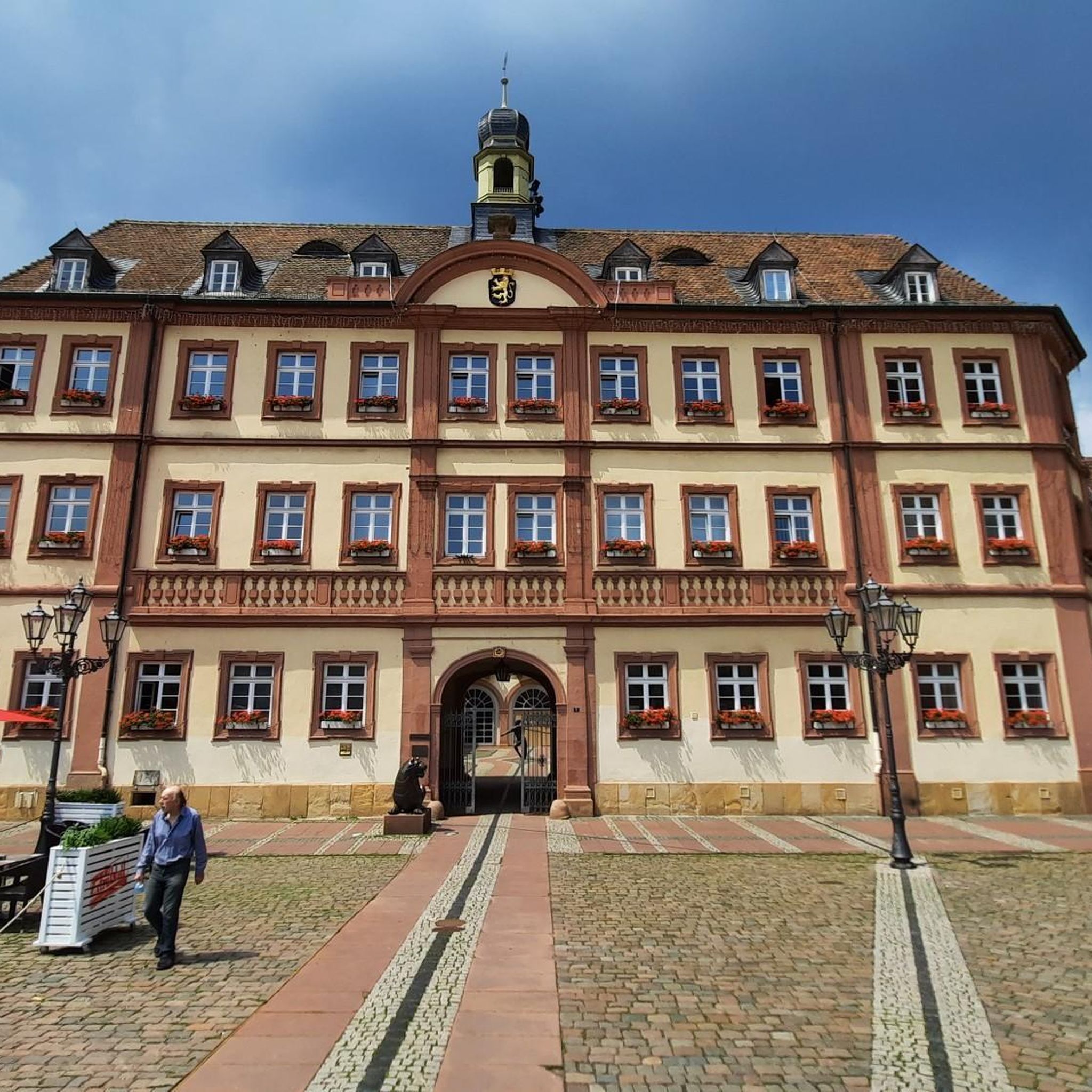
Founded around 708 by Count Wulfoalde, this Benedictine abbey became an important religious and cultural centre in Lorraine. The abbey was under the protection of Charlemagne and flourished under Abbot Smaragdus in the 9th century. Today, you can still visit the abbey church of Saint-Michel, home to the masterpiece La Pâmoison de la Vierge by Ligier Richier. The 18th-century monastery library houses thousands of ancient works and is one of the most beautiful in the region.
7
0
This former abbey church forms the historic heart of Saint-Mihiel. Originally built in the 9th century, it took on its current form during major renovations in the 17th and 18th centuries. Inside, you can admire a magnificent baroque organ (1679–1681), colourful stained glass windows and the masterpiece La Pâmoison de la Vierge by sculptor Ligier Richier. A place where art, history and spirituality come together.
5
0
Saint-Mihiel is picturesquely situated on the Meuse, on the edge of the Lorraine Regional Nature Park. The town grew around a Benedictine abbey, founded in the 8th century, and flourished during the Renaissance. Visit the abbey with its impressive library, the Museum of Sacred Art, and the Saint-Michel church. Wander the charming streets, admire the sculptures of Ligier Richier, and taste local specialities such as the “croquets” and “rochers de Saint-Mihiel”. A town full of history, culture and character.
7
2

Saint-Mihiel is one of those towns in the Meuse with a unique charm. You'll discover beautiful Renaissance facades there. Don't miss a detour to the Saint-Étienne church to see its superb Entombment, as well as the former Benedictine abbey, which reveals an impressive 18th-century library.
2
1

Good trace, but little interest on the camp of the Romans which is of the Military domain, therefore forbidden to enter the enclosure of the fort of the camp of the Romans, because it is in pitiful state following the war of 14 and its state of abandonment
2
0

Entry is prohibited (see red sign)!
0
1

One of the highlights of the Louvent circuit is the Belladonna-Phoenix artwork by Amandine Guruceaga1. It is a copper, steel and brass sculpture that resembles a phoenix rising from the ashes. The metal flames are flexible and sensitive to wind, creating a sound that reverberates through the forest. The sculpture is located between a cherry tree and a beech tree, and reflects the sunlight with this brilliant plane.
3
0
Frequently Asked Questions
What historical sites can I explore around Bannoncourt?
The region around Bannoncourt is rich in history. You can visit the Saint-Mihiel Abbey Church, a significant religious and cultural center with a magnificent baroque organ and the masterpiece 'La Pâmoison de la Vierge' by Ligier Richier. The town of Saint-Mihiel itself, with its Renaissance facades and impressive 18th-century library, is a must-see. Further historical points of interest include Castle Thillombois, Butte de Montsec, and Château des Monthairons, all within a short distance.
Are there any notable natural attractions near Bannoncourt?
Bannoncourt is situated along the Meuse River, which is a central natural feature. The area is part of a Natura 2000 site, recognized for its rich fish population and as a refuge for birds. You can also find Lac de Madine approximately 16 km away, offering a large water body for recreation. The Bois de Bannoncourt and the Forest of Marcaulieu provide natural forested areas for exploration.
What kind of outdoor activities can I do in the Bannoncourt area?
The Bannoncourt area offers various outdoor activities, including hiking, running, and road cycling. You can find numerous routes that allow you to explore the natural landscapes and historical sites. For detailed routes, you can check out the hiking guide, running trails guide, and road cycling routes guide for the region.
Are there specific hiking trails recommended near Bannoncourt?
Yes, there are several hiking trails available. Popular options include the 'Art trail – By mistake loop from 36A' (7.4 km, moderate), the 'Vent des Forêts Art Trail loop from 36A' (10.2 km, moderate), and a 'Hiking loop from Lacroix-sur-Meuse' (8.9 km, moderate). These trails often combine natural beauty with unique art installations. More options can be found in the hiking guide around Bannoncourt.
What unique art installations can be found in the region?
The area features distinctive outdoor art installations. You can discover Saphira, a giant red iron sculpture by Claudia Comte, which evokes a mythical dragon. Another notable piece is By mistake, referring to the Belladonna-Phoenix artwork by Amandine Guruceaga, a copper, steel, and brass sculpture resembling a phoenix with flexible metal flames that create sound in the wind.
Are there family-friendly attractions or activities around Bannoncourt?
Families can enjoy exploring the historical town of Saint-Mihiel, which offers a blend of history and culture. The Saint-Mihiel Abbey Church is also considered family-friendly. Additionally, the Ferme Pedagogique de Woimbey, a pedagogical farm located nearby, provides an engaging experience for children and adults alike.
Where can I experience the local culture or learn about the region's heritage?
To experience local culture and heritage, visit Saint-Mihiel, a town with a rich medieval and Renaissance history, offering museums and local specialities. The Saint-Mihiel Abbey Church is a prime example of the region's historical and artistic legacy. Archaeological findings also indicate early Christian and Gallo-Roman settlements, reflecting a deep historical past.
What is the Meuse River known for in this area?
The Meuse River is central to the region's natural beauty and outdoor activities. It offers opportunities for gentle cycling experiences as part of the EuroVelo 19 route, also known as 'The Meuse by Bike.' The river valley is also part of a Natura 2000 site, highlighting its importance for fish populations, bird refuge, and unique plant and dragonfly species.
Are there cycling opportunities along the Meuse River?
Yes, the Meuse River is part of the EuroVelo 19 route, or 'The Meuse by Bike,' which offers extensive cycling opportunities. The French section of this route spans approximately 443 km, providing scenic and generally gentle paths along the water. You can find various road cycling routes in the area, including those that pass by historical landmarks. Consult the road cycling guide around Bannoncourt for specific routes.
What is the significance of the Natura 2000 site near Bannoncourt?
The Natura 2000 site around Bannoncourt, particularly the Meuse valley, is a protected area due to its ecological importance. It is recognized for its rich fish population and serves as a crucial refuge for various bird species. The site also features complex hydrographic networks and significant plant species like the Great Cow Parsnip in its reed beds, as well as rare dragonfly species, including the protected Mercury Bluet.
Can I find places for running near Bannoncourt's attractions?
Yes, there are several running trails in the vicinity. You can explore routes like the 'Forest winds loop from Dompcevrin' (10.8 km, moderate) or a 'Running loop from Lacroix-sur-Meuse' (9.3 km, moderate). These trails allow you to enjoy the natural surroundings while getting exercise. More options are detailed in the running trails guide around Bannoncourt.
What is the story behind The Roman Camp near Saint-Mihiel?
The Roman Camp, or The Roman Camp., is a site with a complex history. While it may have housed a Roman camp, it later became a military fort that played a significant role during World War I, particularly during the formation of the Saint-Mihiel Salient. Today, the site is known for its challenging mountain bike courses, offering both historical interest and adventurous trails.
What makes Saint-Mihiel a significant town to visit?
Saint-Mihiel is a historically rich town picturesquely located on the Meuse. It grew around an 8th-century Benedictine abbey and flourished during the Renaissance. Visitors can explore its impressive abbey library, the Museum of Sacred Art, and the Saint-Michel church. The town is also known for the sculptures of Ligier Richier and local specialities like “croquets” and “rochers de Saint-Mihiel,” offering a blend of history, culture, and character.
What is the best time of year for outdoor activities around Bannoncourt?
The Grand Est region generally experiences pleasant weather for outdoor activities from spring through autumn. Spring and early summer offer mild temperatures and blooming nature, ideal for hiking and cycling. Autumn provides beautiful foliage and comfortable conditions. While specific data for Bannoncourt is not available, these seasons are typically recommended for exploring the natural and historical sites in the area.
Most popular routes around Bannoncourt

Get inspired with the komoot mobile app


Explore more
Still not found the Highlight you’re looking for? See guides of the top attractions in other regions:
