Attractions and Places To See around Brée - Top 17
Best attractions and places to see around Brée, a municipality in the Mayenne department of France, include historical sites, natural features, and cultural landmarks. The area serves as a base for exploring the rich heritage of the region. Visitors can discover ancient structures, tranquil ponds, and scenic viewpoints. The landscape offers a mix of historical significance and natural beauty.
Best attractions and places to see around Brée
- The most popular attractions is View of Montaigu, a viewpoint that features…
Last updated: August 17, 2026
Catholic Church - Saints Cyr and Julitte of Argentré ⛪️✨🙏🏻
Highlight • Other
Translated by Google •
Tip by

Gué de Selle Pond
Highlight • Lake
Translated by Google •
Tip by
Sign up now to discover places like this
Get recommendations on the best single tracks, peaks, & plenty of other exciting outdoor places.
Sign up for free
View of Montaigu
Highlight • Viewpoint
Translated by Google •
Tip by
Jublains Museum
Highlight • Other
To satisfy his curiosity about …
Translated by Google •
Tip by

Jublains, Gallo-Roman town
Highlight • Other
Translated by Google •
Tip by

Sign up for free to discover even more attractions around Brée.
Sign up for free
Already have an account?
Start today with a free account
Your next adventure awaits.
Login or Signup




Tips from the Community


Nice site, with a brasserie to warm up and eat a good hamburger.
0
0

The Catholic Church - Saints Cyr and Julitte d'Argentré dates from Roman times and is dedicated to Saint Cyr and Saint Julitte, two martyrs of the early Christian church. You can admire the fresco in the vault above the main altar, which features geometric patterns from the 12th century. You can also admire the marble altarpieces from the 17th and 18th centuries, the clock from 1875, the paintings and stained glass windows from the 20th century. The church is open to visitors during Heritage Days which take place every year in September.
2
0
This chapel was built in 1402 and was a stopover for pilgrims en route to Mont-Saint-Michel. Until around 1840, the site housed a shelter, a bread oven and a cellar to facilitate the stopover of pilgrims. Today, one can enjoy the site for its tranquility and its breathtaking view. The perfect place to take a break from your run.
2
0
The Etang du Gué de Selle has been around for a long time, unlike many artificial ponds in France. It is mentioned as early as 1498. As you walk around the pond, you will see abundant flora and fauna. The pond is a migratory stopover for birds and you may be able to observe a nationally protected species, the shoreline of the pond.
2
0
This chapel was built in 1402 and was a stopover for pilgrims on their way to Mont-Saint-Michel. Until around 1840, the site housed a shelter, a bread oven and a cellar to facilitate the stopover of pilgrims. Today, one can enjoy the site for its tranquility and its breathtaking view.
3
0
The Etang du Gué de Selle has been around for a long time, unlike many artificial ponds in France. It is mentioned as early as 1498. As you walk around the pond, you will see abundant flora and fauna. The pond is a migratory stopover for birds and you may be able to observe a nationally protected species, the pond littoral.
2
0

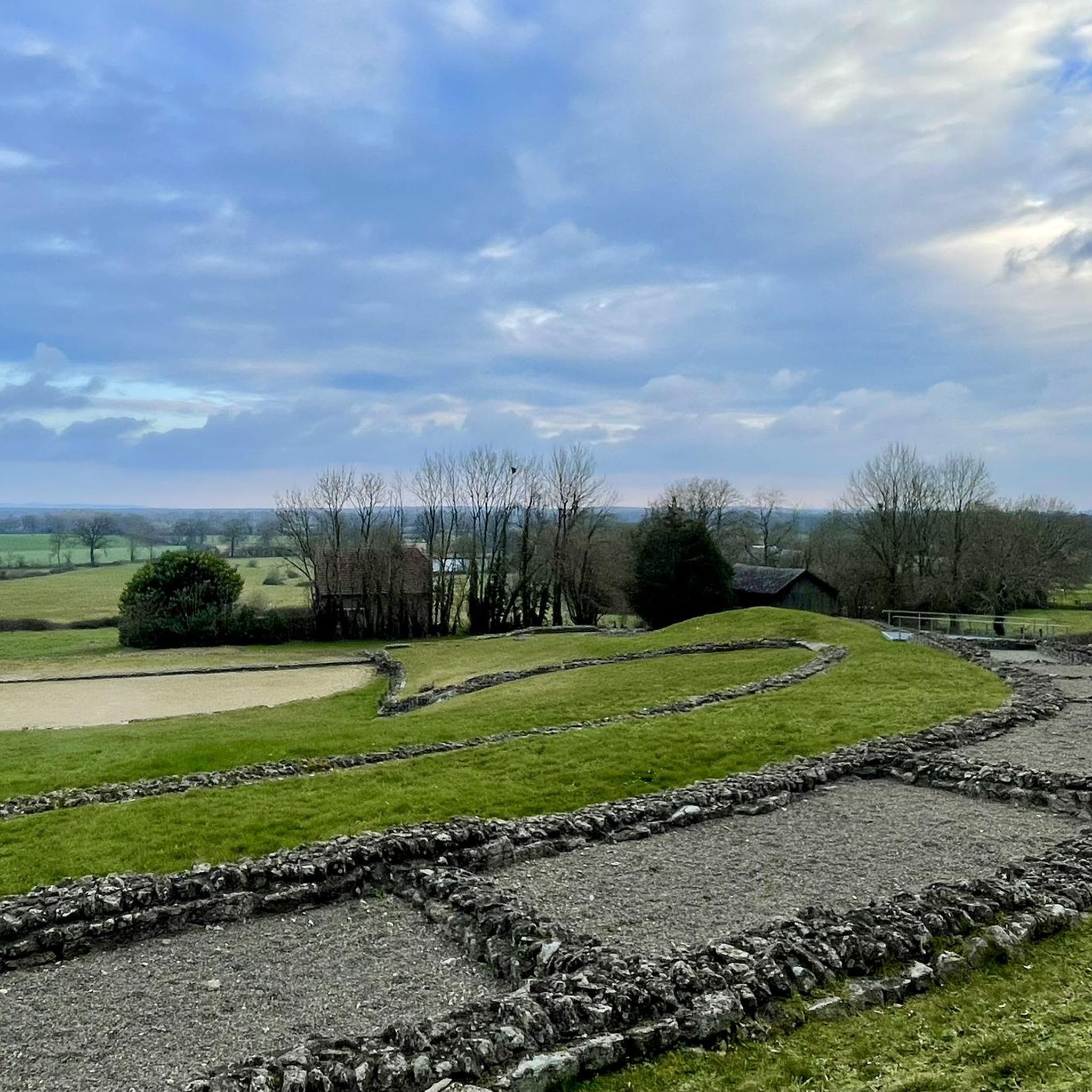
This modest town in Mayenne has the particularity of having been an important Gallo-Roman city, formerly called Noviodunum, and which, according to experts, covered twenty-five hectares in the 1st century AD. Witness the remains of the temple, the thermal baths, the theater and the fortress, scattered in several places in the town. The thermal baths, visible under the current church, the stepped amphitheater, built around 80 AD and the ruins of the temple at the exit of the town, are freely accessible. The fortress stands on the edge of the Departmental Archaeological Museum.
0
0
Frequently Asked Questions
What are the main attractions to visit around Brée?
Around Brée, a municipality in Mayenne, France, you can explore a variety of historical and natural sites. Key attractions include the View of Montaigu, which features a 15th-century chapel and offers expansive views, and the tranquil Gué de Selle Pond, known for its abundant flora and fauna. History enthusiasts will appreciate Jublains, a Gallo-Roman town, with accessible remains of a temple, thermal baths, a theater, and a fortress.
Are there any natural attractions or features to explore near Brée?
Yes, the Gué de Selle Pond is a significant natural feature near Brée. This historic lake, mentioned as early as 1498, is a migratory stopover for birds and home to a nationally protected species. You can walk its 3.2 km perimeter to observe the diverse flora and fauna. Additionally, the Valley of the Caves of Saulges, about 20 km from Brée, offers significant natural and prehistoric attractions.
Where can I find scenic viewpoints around Brée?
For scenic views, head to the View of Montaigu. This site, featuring a 15th-century chapel that was once a pilgrim stopover, provides a tranquil setting and breathtaking panoramic views of the surrounding landscape.
What historical sites can I visit near Brée?
Brée and its surroundings are rich in history. You can visit Jublains, a Gallo-Roman town, which was formerly known as Noviodunum and features remains of a temple, thermal baths, a theater, and a fortress. The Jublains Museum further explores the Gallo-Roman period. Another notable site is the Catholic Church - Saints Cyr and Julitte of Argentré, dating from Roman times with 12th-century frescoes and 17th-18th century marble altarpieces. The Château de Sainte-Suzanne, approximately 14 km away, is also a recommended historic castle.
Are there opportunities for walking or hiking near Brée?
Yes, there are several options for walking and hiking. The 3.2 km perimeter of the Gué de Selle Pond offers an easy walk to enjoy nature. For more extensive routes, you can explore running trails around Brée, such as the 'L'Étang de la Lande au Rouge loop' or the 'Saint-Cénéré Church loop'. You can find more details on these routes in the Running Trails around Brée guide.
Can I go cycling around Brée?
Absolutely. The area around Brée is suitable for cycling, including mountain biking and touring. You can find various routes like the 'Manoir – View of Montaigu loop' for mountain biking or the 'Sainte-Suzanne Castle – Sainte-Suzanne Castle loop' for touring. Detailed routes and their difficulties are available in the MTB Trails around Brée guide and the Cycling around Brée guide.
What family-friendly activities are available near Brée?
Families can enjoy exploring the historical sites like Jublains, Gallo-Roman town, where children can learn about ancient history. The Jublains Museum also offers activities for all ages. A walk around the Gué de Selle Pond is a gentle outdoor activity suitable for families, with opportunities for nature observation. The View of Montaigu is also considered family-friendly.
When is the best time to visit Brée for outdoor activities?
The best time to visit Brée for outdoor activities is generally during the spring (April to June) and early autumn (September to October). During these months, the weather is typically mild and pleasant, ideal for hiking, cycling, and exploring historical sites without the intense heat of summer or the chill of winter. Summer can also be enjoyable, but be prepared for warmer temperatures.
Can I observe wildlife near Brée?
Yes, the Gué de Selle Pond is an excellent spot for wildlife observation. Its perimeter is home to abundant flora and fauna, and it serves as a migratory stopover for various bird species, including a nationally protected one. It's a peaceful location for birdwatching and enjoying nature.
Are there any accessible attractions for visitors with mobility needs?
While specific accessibility details for all attractions are not always available, the remains of Jublains, Gallo-Roman town, including the thermal baths, theater, and temple, are noted as being freely accessible. It is always recommended to check with individual sites for the most up-to-date accessibility information before your visit.
What do visitors enjoy most about the attractions around Brée?
Visitors particularly appreciate the tranquility and expansive views offered by the View of Montaigu. The Gué de Selle Pond is loved for its natural beauty and the opportunity to observe diverse flora and fauna. The historical significance and well-preserved ruins of Jublains, Gallo-Roman town, also receive high praise for offering a glimpse into ancient times.
Are there any unique cultural experiences near Brée?
Beyond the Gallo-Roman sites, the Catholic Church - Saints Cyr and Julitte of Argentré offers a unique cultural experience with its Roman origins, 12th-century frescoes, and 17th-18th century altarpieces. The church is open to visitors during Heritage Days, typically in September, providing a special opportunity to explore its rich history and art.

Get inspired with the komoot mobile app


Explore more
Still not found the Highlight you’re looking for? See guides of the top attractions in other regions:
