Attractions and Places To See around Grandchamp - Top 20
Best attractions and places to see around Grandchamp offer a blend of historical, natural, and cultural experiences in the Morbihan department of Brittany, France. The region features a rich heritage, providing opportunities for green tourism and proximity to coastal areas near the Gulf of Morbihan. Visitors can explore various notable landmarks, natural features, and cultural venues. Grandchamp serves as a convenient base for discovering the wider Morbihan region.
Best attractions and places to see around Grandchamp
- The most popular attractions…
Last updated: May 11, 2026
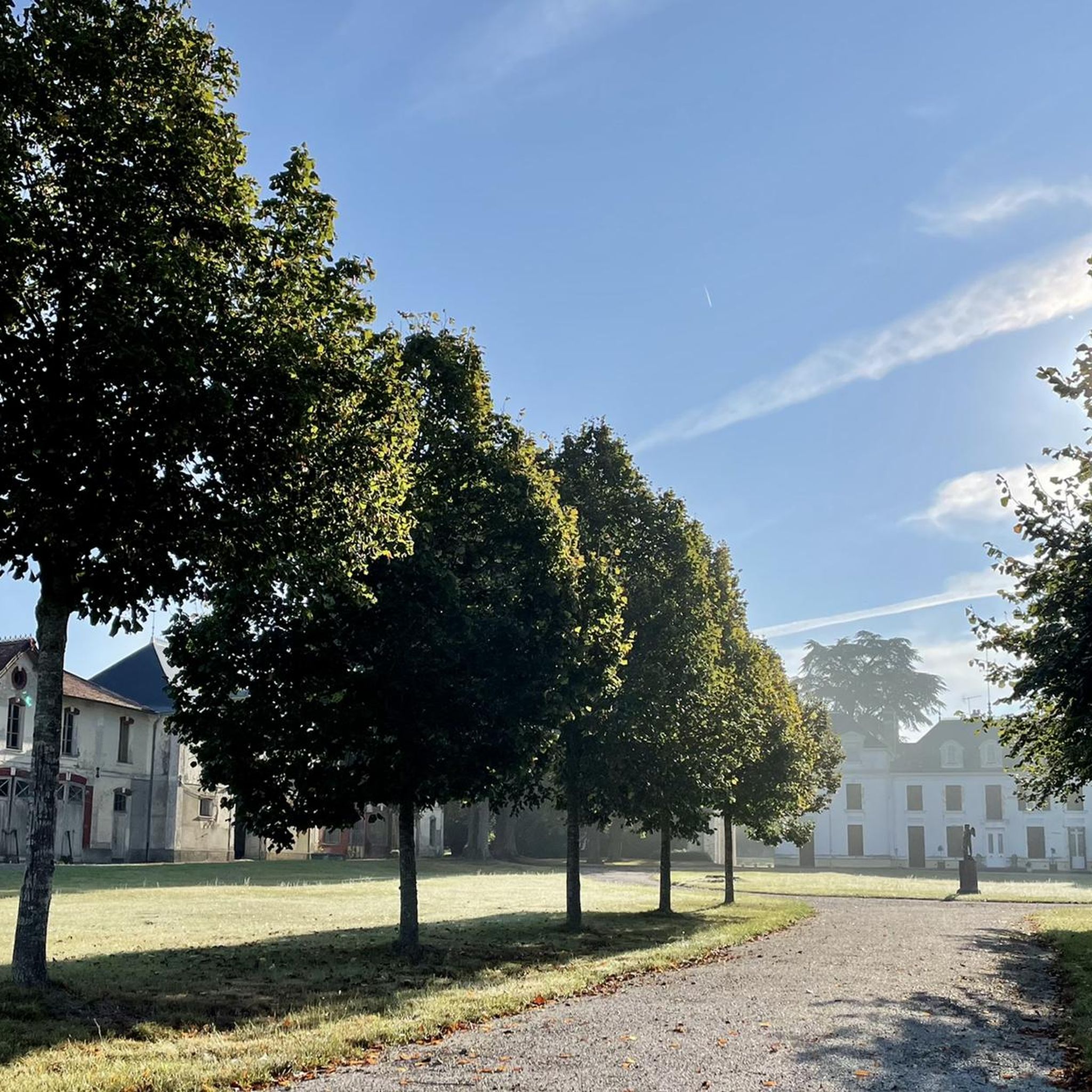
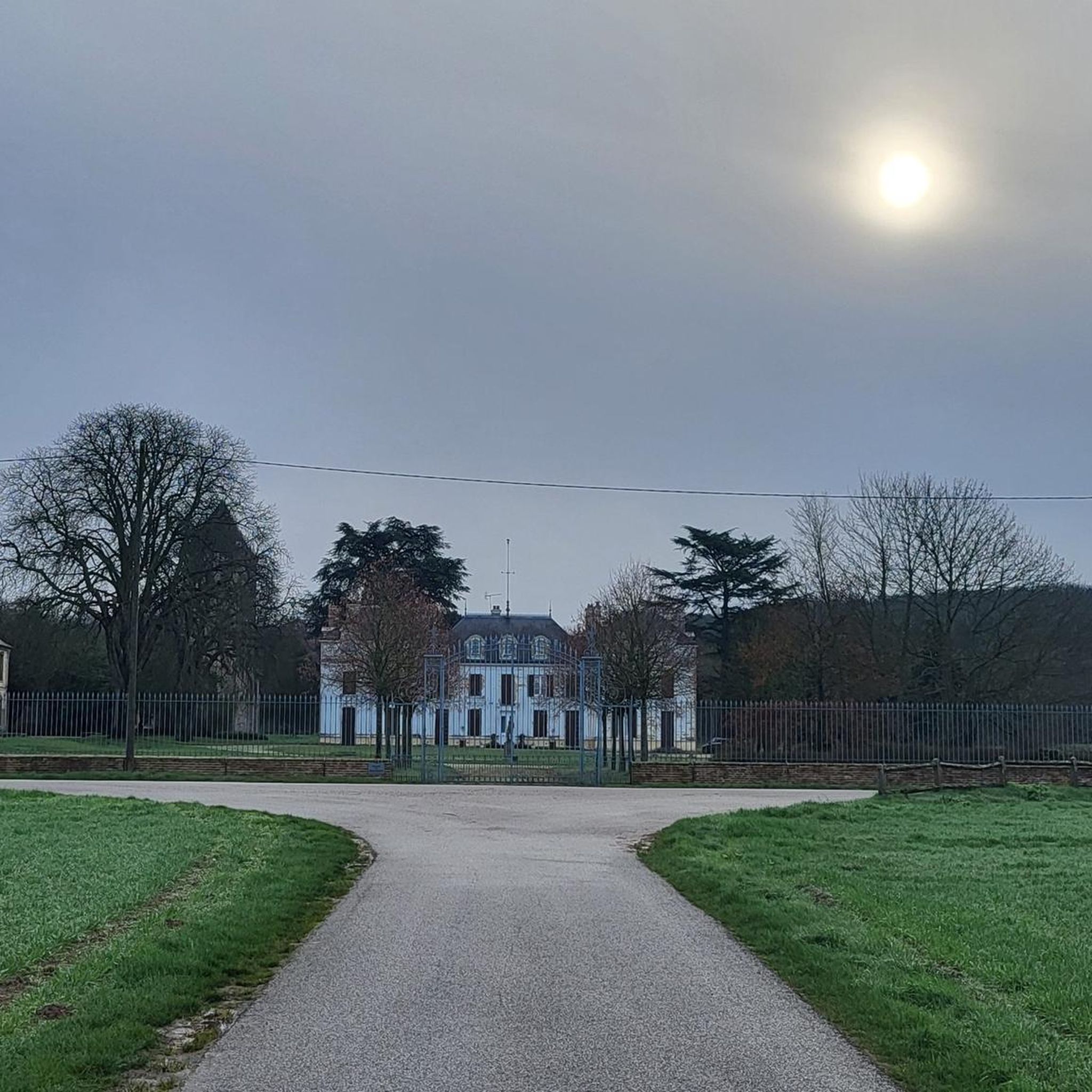
Château de Mormoulins
Highlight • Castle
Translated by Google •
Tip by

Saint-Sulpice Church of Châteaudun
Highlight • Religious Site
Translated by Google •
Tip by
Sign up now to discover places like this
Get recommendations on the best single tracks, peaks, & plenty of other exciting outdoor places.
Sign up for free
Guiperreux Toad Crossing
Highlight • Natural Monument
Each year, during the thaw (roughly from February to April), …
Translated by Google •
Tip by

The Donjon of Houdan
Highlight • Castle
Translated by Google •
Tip by

the beautiful church of Prouais
Highlight • Other
Translated by Google •
Tip by

Sign up for free to discover even more attractions around Grandchamp.
Sign up for free
Already have an account?
Start today with a free account
Your next adventure awaits.
Login or Signup




Tips from the Community

The Moulin de Mormoulins is a watermill located on the Eure River in the hamlet of Mormoulins. This mill dates back to the 18th and 19th centuries and is a listed historical monument. You can admire the old stone building, the wooden wheel, and the canal that diverts water from the river as you pass in front of the mill. The mill is surrounded by green fields and trees, creating a peaceful and relaxing atmosphere.
0
0

Built at the end of the 12th century by the Counts of Montfort and listed as a Historic Monument since 1889, the Houdan Tower was used to watch for enemies and defend the territory. The Keep consists of a 15 m diameter and 21 m high tower, flanked by four turrets of the same height located at the four cardinal points. From the 16th century until the French Revolution, the Keep served as a prison, and executions took place at the foot of the Tower. The first water reservoir was installed in the tower in 1880. The second, built in 1952, is still visible. Tours are available on certain days.
0
0

Church of Saint Peter and Saint Paul The construction of the church is said to have been initiated by Don Roger, abbot of the very powerful Benedictine abbey of Coulombs from 1115 to 1174. At that time, the abbey stood near Nogent-le-Roi, a former fortified town located twelve kilometers away on the banks of the Eure. Spread over more than 80 parishes, it had a considerable influence in the region until the Revolution, whether from a religious, economic or social point of view. The Romanesque style that it had adopted since its original construction was reworked in the 16th century by the opening of tall Gothic windows around the choir. Finally, in the following century, during the Wars of Religion, the church suffered serious damage. When peace returned, the entrance porch was finally rebuilt in the elegant Renaissance style. In 1950, a fire destroyed the church and all its furniture; it was restored at the end of the 20th century.
0
0

With its curiously crowned square tower, this charming church boasts a flamboyant Gothic style. Built between the 15th and 17th centuries, it preserves a remarkable collection of 16th-century stained-glass windows dedicated to Eucharistic miracles.
0
0
The Saint-Sulpice church in Nogent-Le-Roi is an impressive church built in the 15th century and which was part of the defensive wall which protected the entrance to the town. You can admire its beautiful stained glass windows and its wrought iron choir inside, as well as its original tower outside. The church is located in the heart of Nogent-Le-Roi, a charming town with old half-timbered houses and a castle.
2
0
The Church of Saint-Sulpice in Nogent-Le-Roi is an impressive church built in the 15th century and which formed part of the defensive wall that protected the entrance to the town. You can admire its beautiful stained glass windows and its wrought iron choir screen inside, as well as its original tower outside. The church is located in the heart of Nogent-Le-Roi, a charming town with old half-timbered houses and a castle.
2
0

At the edge of this road a pond which forms with the forest which surrounds it a protected natural area. Each year, during the thaw (roughly from February to April), a "toadstool" is installed on the road that runs along the pond. But what is a toaddrome exactly? So, it is not a place where one could indulge in clandestine bets on toad races, but a device intended to prevent these poor beasts from being crushed by cars in crossing the road to breed and lay their eggs in the pond on the other side of the road. Indeed, thousands of common toads, but also frogs and newts, begin their long prenuptial migrations around March each year. They go to the nearest pond or pond to breed. Once their duty is done, they leave the aquatic environment to return to their summering areas where they will spend most of their time feeding. In order to avoid a carnage of amphibians on the road, a tarpaulin is planted 600m on each side of the road to block their passage. In various places a hole has been made in which a bucket is buried. By looking for a passage all along the tarpaulin, the toad will inevitably end up at the bottom of a bucket. Every morning, volunteers come to collect toads and other frogs and drop them off on the other side of the road.
1
0

Very nice windmill, especially in good weather!
0
0
Frequently Asked Questions
What historical landmarks can I explore around Grand-Champ?
Grand-Champ and its surroundings are rich in history. You can visit the impressive Château de Mormoulins, a castle dating back to the 10th century with 18th-century canals. Another significant site is the Saint-Sulpice Church of Châteaudun, a 15th-century religious building known for its beautiful stained glass windows. Don't miss The Donjon of Houdan, a 12th-century monument built for defense, now classified as a Historic Monument. The Parish Church of St. Tugdual in Grand-Champ, built in 1866, also offers a glimpse into regional heritage with its neo-Gothic style and 19th-century statues.
Are there any natural attractions or features to see near Grand-Champ?
Yes, Grand-Champ is close to several natural features. The region is home to rivers and ponds, offering opportunities for fishing. A unique natural monument is the Guiperreux Toad Crossing, a protected natural area with a pond and forest, known for amphibian migrations. Furthermore, Grand-Champ's strategic location provides easy access to the magnificent Gulf of Morbihan, renowned as one of the most beautiful bays globally, and the Golfe du Morbihan Natural Regional Park.
What outdoor activities are available around Grand-Champ?
The area around Grand-Champ is excellent for outdoor enthusiasts. You can find numerous trails for various sports. For mountain biking, explore routes like the 'Remarkable tree - ONF – Vilpert Ponds loop' or the '4-stone bridge – Moulin de Mormoulins loop'. Hikers can enjoy trails such as the 'Unobstructed view – Carrefour du Haut Planet loop' or the 'Remarkable tree - ONF loop'. There are also running trails, including loops around 'Château de la Boissière' and 'Étang de Condé-Sur-Vesgre'. You can find more details on these activities at MTB Trails around Grandchamp, Hiking around Grandchamp, and Running Trails around Grandchamp.
Are there family-friendly attractions or activities in Grand-Champ?
Grand-Champ offers several options for families. The Guiperreux Toad Crossing is a fascinating natural spot where children can learn about amphibian migrations. The town also features an aquatic center with three pools and a well-being area, perfect for swimming and relaxation. For active families, there's a city-stadium and tennis courts available for booking. Exploring the historical built heritage through informative hikes can also be an engaging activity for all ages.
What cultural experiences can I find in Grand-Champ?
Grand-Champ hosts various cultural experiences. The Espace 2000 is a cultural venue that presents a diverse program of shows throughout the year, including concerts and theater performances. Additionally, the Parish Church of St. Tugdual, with its neo-Gothic architecture and historical artifacts, offers a cultural and architectural insight into the region.
Can I find hiking trails with varying difficulty levels around Grand-Champ?
Yes, the hiking trails around Grand-Champ cater to different preferences. Many routes are classified as 'moderate' difficulty, such as the 'Unobstructed view – Carrefour du Haut Planet loop' (10.16 km) or the 'Remarkable tree - ONF loop' (11.16 km). These trails offer a good balance for most hikers. You can explore more options and details on the Hiking around Grandchamp guide page.
What is the best time of year to visit Grand-Champ for outdoor activities?
The spring and summer months are generally ideal for outdoor activities around Grand-Champ. Spring (roughly February to April) is particularly interesting for observing amphibian migrations at the Guiperreux Toad Crossing. Summer offers pleasant weather for hiking, cycling, and enjoying the proximity to the Gulf of Morbihan and its coastal activities.
Are there any unique wildlife viewing opportunities near Grand-Champ?
Yes, the Guiperreux Toad Crossing offers a unique opportunity to observe wildlife. During the thaw, typically from February to April, thousands of common toads, frogs, and newts migrate to the pond to breed. Volunteers even set up special devices to help these amphibians cross the road safely, making it a fascinating and educational experience.
What are some notable nearby towns or coastal areas I can visit from Grand-Champ?
Grand-Champ serves as an excellent base for exploring the wider Morbihan region. You can easily access coastal towns like La Trinité-sur-Mer, known for its traditional harbor, and the oyster-producing town of Locmariaquer. The islands of Ile aux Moines and Ile-d'Arz in the Morbihan Gulf are also within reach. Inland, consider visiting Sainte-Anne d'Auray or the historic city of Vannes, famous for its ramparts and cathedral.
Where can I find local markets near Grand-Champ?
To experience regional life and local products, you can visit the markets in nearby towns. Vannes, Auray, and Locminé are known for their vibrant local markets, offering a chance to discover regional specialties and crafts.
What types of cycling routes are available around Grand-Champ?
For cyclists, particularly mountain bikers, Grand-Champ offers a variety of routes. You can find moderate difficulty trails such as the 'Remarkable tree - ONF – Vilpert Ponds loop' (40.55 km) or the 'Ponts Quentin Stream – Rompu Pond loop' (48.23 km). There are also shorter, easier options like the 'Descent from Chêne to Renard – Étang Neuf loop' (20.79 km). More details are available on the MTB Trails around Grandchamp guide page.
Are there any religious sites of interest around Grand-Champ?
Yes, the region has several significant religious sites. The Saint-Sulpice Church of Châteaudun is a notable 15th-century church with beautiful stained glass. Additionally, the Parish Church of St. Tugdual in Grand-Champ, built in a neo-Gothic style in 1866, stands on older foundations and houses historical statues and carved wooden panels. The beautiful church of Prouais, with its Romanesque origins and Renaissance porch, is also worth discovering.
Most popular routes around Grandchamp
Most popular attractions around Grandchamp

Get inspired with the komoot mobile app


Explore more
Still not found the Highlight you’re looking for? See guides of the top attractions in other regions:
