The best running trails around Mareil-Le-Guyon
4.3
(175)
5,774
runners
312
runs
Jogging around Mareil-Le-Guyon offers a network of routes through the gentle landscapes of the Yvelines department. The terrain typically features woodlands, open fields, and paths alongside small streams, providing varied surfaces for runners. This area is characterized by its modest elevation changes, making it suitable for a range of running abilities.
Best jogging routes around Mareil-Le-Guyon
- The most popular jogging route is La Mauldre Stream loop from Yvelines, a 3.9 miles (6.3 km) trail that takes about 43 minutes…
Last updated: May 8, 2026
20
runners
40.0km
04:38
430m
430m
Hard run. Very good fitness required. Mostly paved surfaces. Suitable for all skill levels.
5.0
(2)
17
runners
6.31km
00:43
60m
60m
Moderate run. Good fitness required. Mostly paved surfaces. Suitable for all skill levels.

Sign up for free
11
runners
6.98km
00:45
50m
50m
Moderate run. Good fitness required. Mostly paved surfaces. Suitable for all skill levels.
11
runners
10.0km
01:04
80m
80m
Moderate run. Good fitness required. Mostly paved surfaces. Suitable for all skill levels.
11
runners
6.46km
00:44
40m
40m
Moderate run. Good fitness required. Mostly paved surfaces. Suitable for all skill levels.
Get access to more routes and recommendations from other explorers.
Sign up for free
Already have an account?
Our route recommendations are based on thousands of hikes, rides, and runs completed by other people on komoot.
Start today with a free account
Your next adventure awaits.
Login or Signup
Tips from the Community

Beautiful little path along the Brûlins stream
0
0

Celtic Gaul left to the northwest of Saint-Léger the largest known dolmen in the Paris region. Measuring approximately six cubic meters and between fifteen and twenty tonnes, it is known as the Ardoue stone or Ardroue and is located in the ancient carnute forest.
0
0

"Joseph-Maurice Ravel (* March 7, 1875 in Ciboure; † December 28, 1937 in Paris) was a French composer and, alongside Claude Debussy, the main representative of impressionism in music. His best-known work is the orchestral piece Boléro, which was originally conceived as ballet music." (Source: Wikipedia) There are numerous films with the Bolero on the video portal YouTube. I have selected a recording by the WDR (West German Radio) Symphony Orchestra as a suggestion for anyone who wants to listen to it. https://www.youtube.com/watch?v=cmNEvSFWftc
0
0

Cemetery set with a magnificent Cloister. There are many famous stars there, Maurice Ravel among others. Diagonally opposite the Cloister, nestled in a corner near a discreet exit is the family vault of the unforgettable Charles Aznavour.
0
0

This dolmen is one of the few megaliths in the region and is indicative of human presence during the prehistoric era.
1
0

Historical documents attest to the construction of the first fortifications from the year 996 on the hill known as "Montfortis". The city then became the stronghold of the Montfort family and Amaury I had the ramparts built, of which some vestiges can still be seen. At the end of the 13th century, the county of Montfort joined the Duchy of Brittany following the marriage of Yolande de Montfort with Arthur II of Brittany for an allegiance that would last two centuries. During the Hundred Years War (1337-1453), the fortified castle was destroyed by the English and all that remains of the latter are the ruins of the keep, now called Tour Anne de Bretagne, because it was built under his reign. It can be seen when arriving in the city, and climbing this road which bypasses it. Once you have reached the top of the hill, you can take the small dirt road which starts from the intersection with the road to St Léger in order to go through the park to the foot of the keep, if the few hundred meters in gravel do not don't scare you. At the foot of the keep, being 183 meters above sea level, you can contemplate the panoramic view of the town and its surroundings. It is therefore easy to understand why this mound was an ideal place to establish a fortified castle. It is a perfect place for a break after climbing.
0
0

This tower was built in the 15th century by Anne de Bretagne, from whom it takes its name. This is the only remnant of the old castle. It offers a beautiful view of Montfort-l'Amaury. The Duchess of Brittany, who was also the Countess of Monfort, chose this location precisely to dominate the village.
0
0

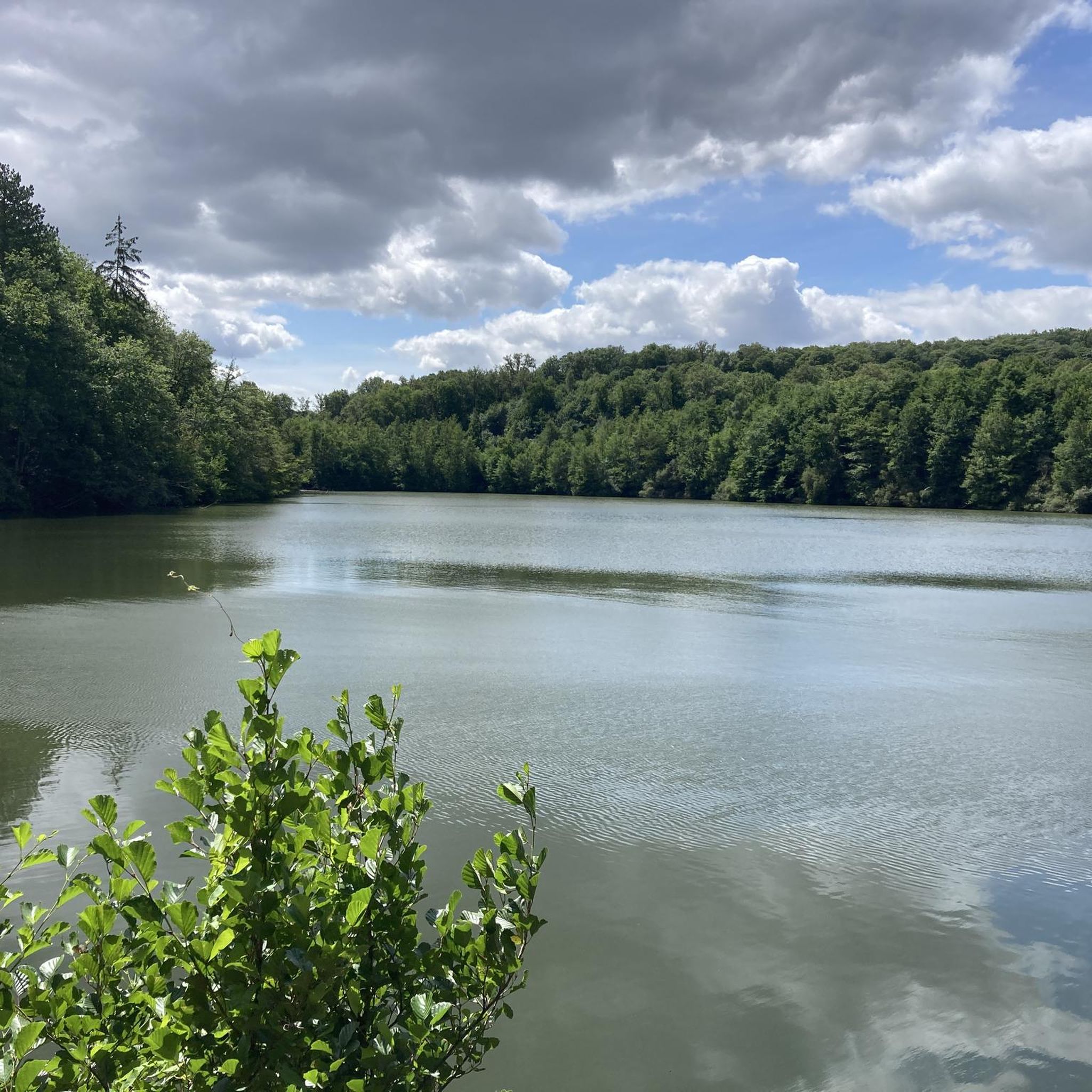
Located at an altitude of 154 meters1, the pond covers an area of 0.8 hectares. The “Ponts-Quentin stream” flows into the Rompu pond — coming from the Holland ponds located about 1 km upstream to the east — and comes out to flow, about ten kilometers further to the west, in the Vesgre, having previously changed its name twice: first under the name of “Etang-Neuf stream” then under that of “Grapelin”. The Ponts-Quentin stream passes under departmental road 138 before flowing into the pond, which justifies the undulation of the road and its bend. The pond is part of the Rambouillet national forest, a private state domain. As such, its management is ensured by the National Forestry Office (ONF). Wikipedia
1
0
Frequently Asked Questions
How many running routes are available around Mareil-Le-Guyon?
There are over 300 running routes documented around Mareil-Le-Guyon on komoot, offering a wide variety of options for all skill levels.
Are there easy running routes suitable for beginners in Mareil-Le-Guyon?
Yes, Mareil-Le-Guyon offers 38 easy running routes, perfect for beginners or those looking for a relaxed jog. These routes typically feature modest elevation changes and well-maintained paths.
What is the typical length of running trails around Mareil-Le-Guyon?
The running trails around Mareil-Le-Guyon vary in length. For example, the popular La Mauldre Stream loop from Yvelines is about 6.3 km (3.9 miles), while the Brûlins Stream loop from Montfort-l'Amaury extends to 10 km (6.2 miles). You'll find options ranging from shorter, quicker runs to longer, more challenging distances.
Can families with children find suitable running routes in Mareil-Le-Guyon?
Many of the easy and moderate routes around Mareil-Le-Guyon are suitable for families. The gentle terrain and scenic woodlands provide a pleasant environment for children to join in. Look for routes with minimal elevation gain and clear paths.
Are dogs allowed on the running trails in Mareil-Le-Guyon?
Generally, dogs are welcome on many of the natural trails and paths in the Mareil-Le-Guyon area, especially in the woodlands and open fields. However, it's always best to keep them on a leash and check local signage for any specific restrictions, particularly in nature reserves or private properties.
When is the best time of year to go running in Mareil-Le-Guyon?
Spring and autumn are often considered the best times for running in Mareil-Le-Guyon, with mild temperatures and beautiful scenery as the foliage changes. Summer mornings and evenings are also pleasant, while winter can offer crisp, quiet runs, though some paths might be muddy or icy.
What kind of scenery can I expect on the running trails around Mareil-Le-Guyon?
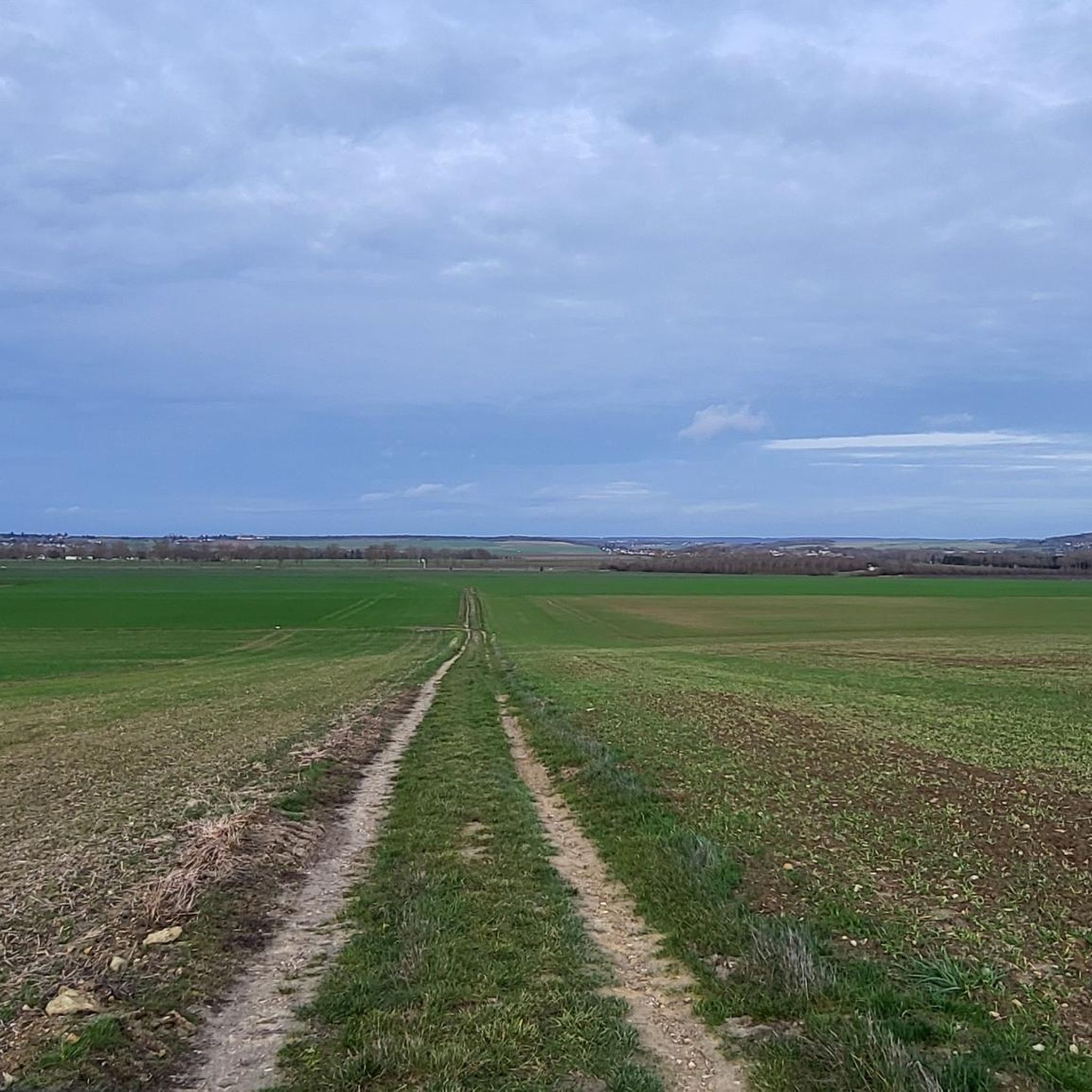
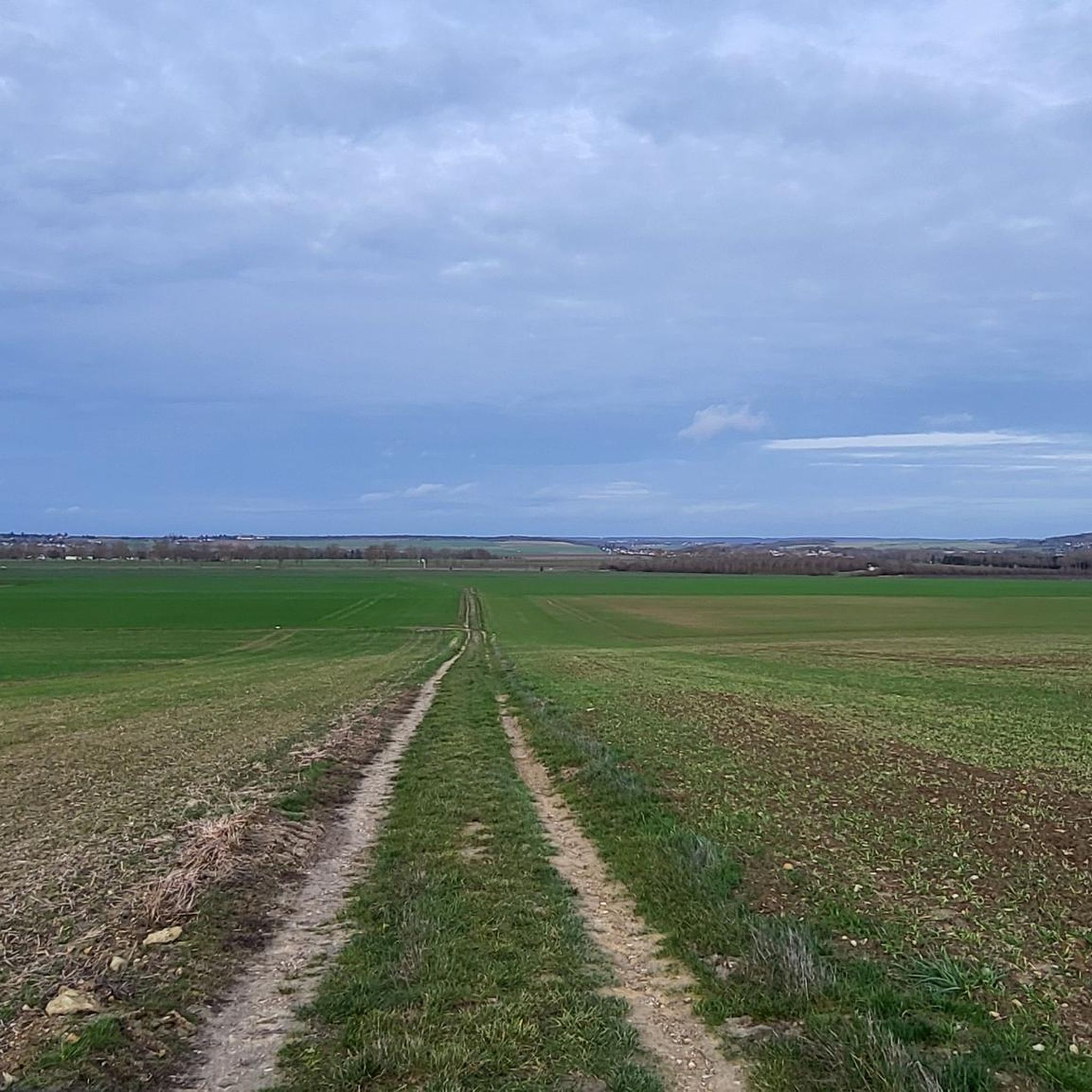
The running trails in Mareil-Le-Guyon traverse the gentle landscapes of the Yvelines department. You can expect a mix of extensive woodlands, open fields, and paths alongside small streams like the Mauldre and Brûlins. The area is characterized by modest elevation changes, offering picturesque views of the French countryside.
Are there circular running routes available in Mareil-Le-Guyon?
Yes, many of the running routes around Mareil-Le-Guyon are circular, allowing you to start and finish at the same point. Examples include the Running loop from Méré and the Mareil-le-Guyon Castle loop from Mareil-le-Guyon, which offer convenient round trips.
What do other runners enjoy most about jogging in Mareil-Le-Guyon?
The running routes in Mareil-Le-Guyon are highly rated by the komoot community, with an average score of 4.2 stars from over 160 reviews. Runners often praise the varied terrain, the peaceful woodlands, and the well-maintained paths that make for an enjoyable outdoor experience.
Are there any interesting landmarks or attractions near the running routes?
Yes, the region around Mareil-Le-Guyon features several points of interest. You might encounter historical sites like the Ruins of the Château de Beynes or the Vaux-de-Cernay Abbey. Natural spots like Rompu Pond also offer scenic views along some routes.
How can I find less crowded running routes in Mareil-Le-Guyon?
To find less crowded routes, consider exploring some of the moderate or difficult trails, as these tend to attract fewer people than the most popular easy loops. Running during off-peak hours, such as early mornings or weekdays, can also help you enjoy a more solitary experience on any trail.
Are there running routes in Mareil-Le-Guyon accessible by public transport?
While many routes around Mareil-Le-Guyon are best accessed by car, some may be reachable via local bus services or train stations in nearby towns like Montfort-l'Amaury. It's advisable to check local public transport schedules and route maps to plan your access to specific trailheads.
Most popular routes around Mareil-Le-Guyon
Most popular attractions around Mareil-Le-Guyon

Get inspired with the komoot mobile app


Explore more
Browse the best Running Trails & Routes in other regions.
