Top 15 Castles around Reinhardsmünster
Castles around Reinhardsmünster offer a rich historical landscape in the Bas-Rhin department of Grand Est, France. This region is characterized by its scenic Vosges mountains and the Rhine Valley, providing strategic locations for medieval fortifications. The area features a variety of castles, from impressive ruins perched on rocky plateaus to well-preserved structures. These sites provide insights into medieval architecture and historical significance within a natural setting.
Best castles around Reinhardsmünster
- The most popular castles is Haut-Barr Castle, a castle…
Last updated: September 26, 2026
Haut-Barr Castle
Highlight • Castle
Translated by Google •
Tip by

Ruins of Nideck Castle
Highlight • Castle
Translated by Google •
Tip by
Sign up now to discover places like this
Get recommendations on the best single tracks, peaks, & plenty of other exciting outdoor places.
Château du Grand Géroldseck
Highlight • Castle
Translated by Google •
Tip by
Rohan Castle
Highlight • Castle
Translated by Google •
Tip by

Wangenbourg Castle
Highlight • Castle
Translated by Google •
Tip by

Sign up for free to discover even more castles around Reinhardsmünster.
Already have an account?
Start today with a free account
Your next adventure awaits.
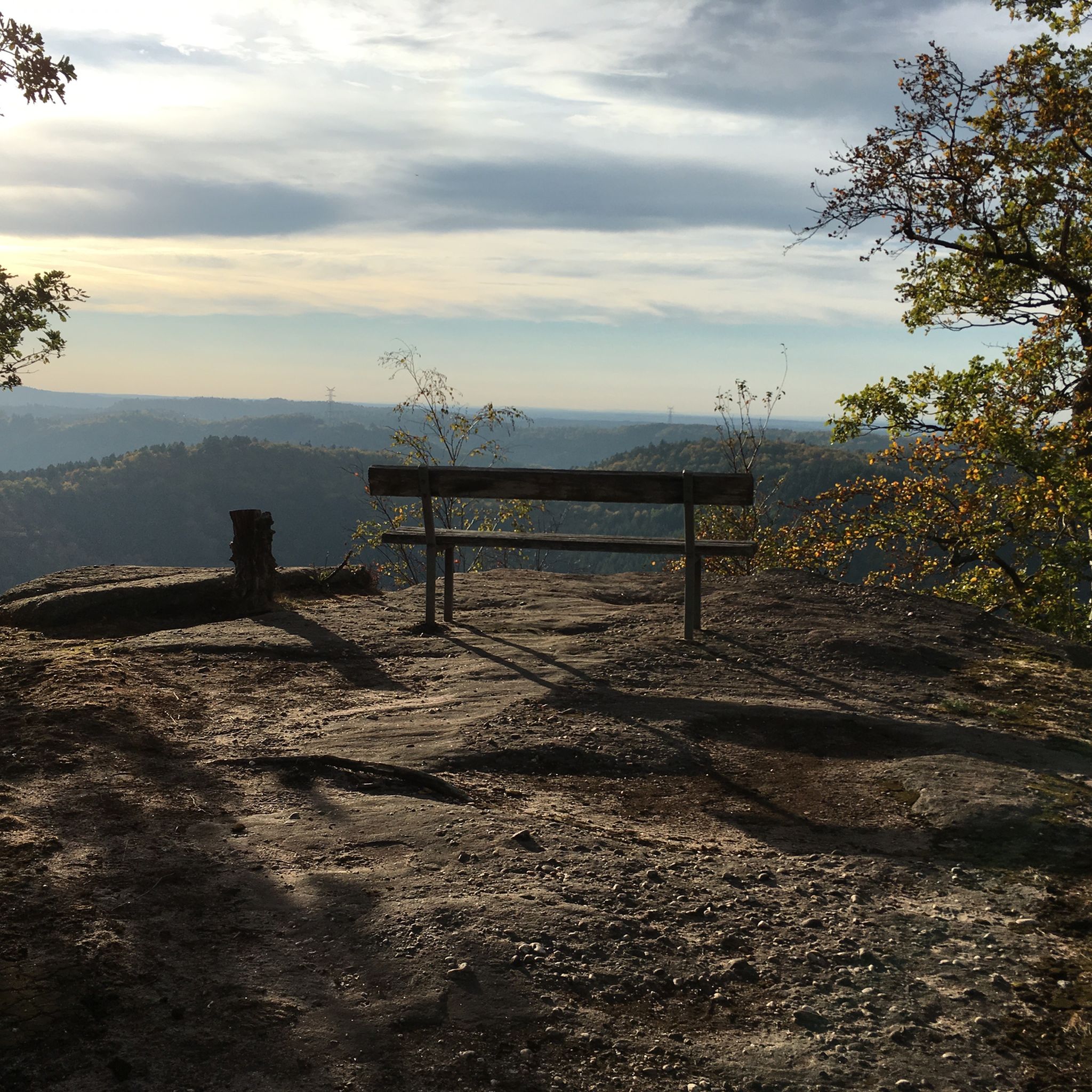
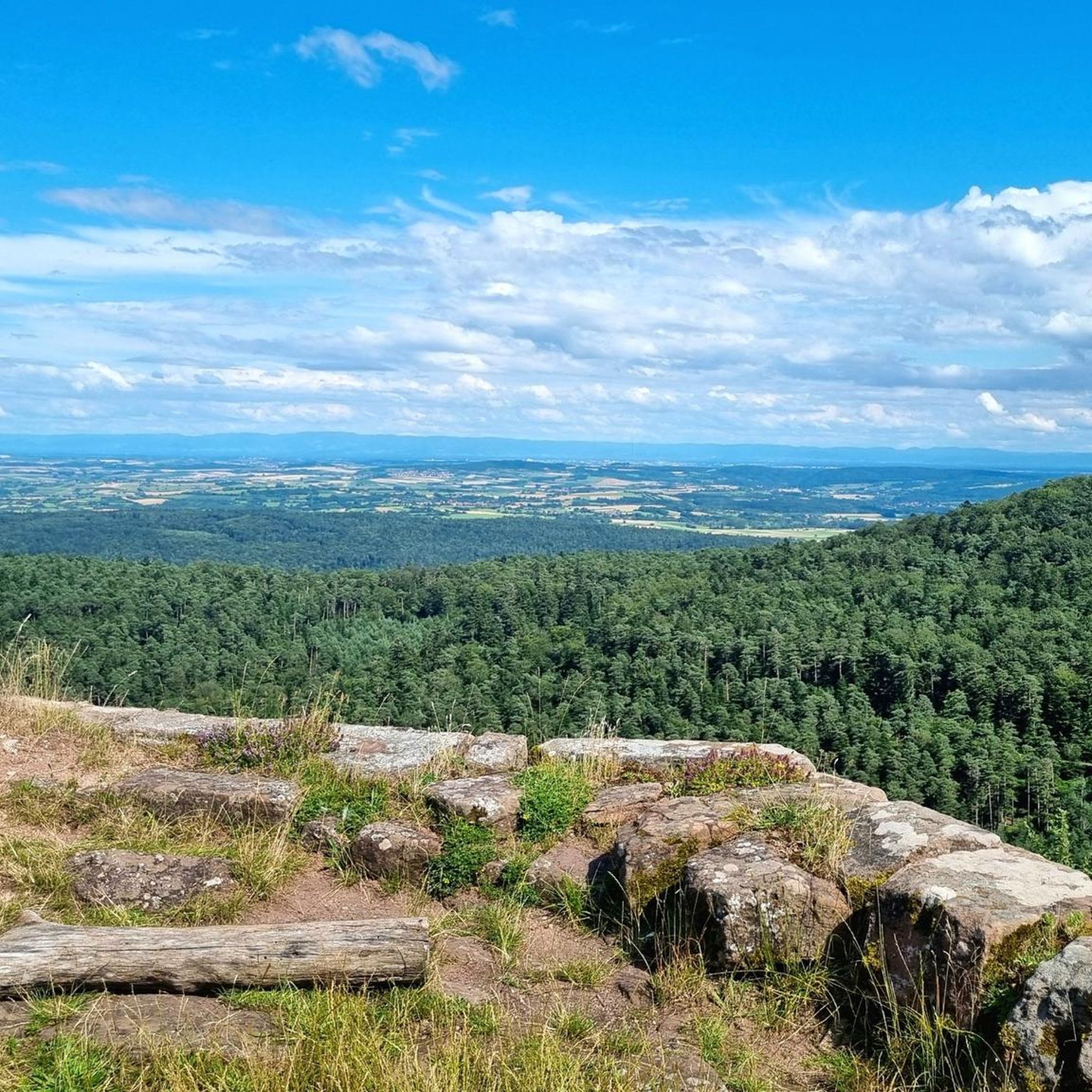
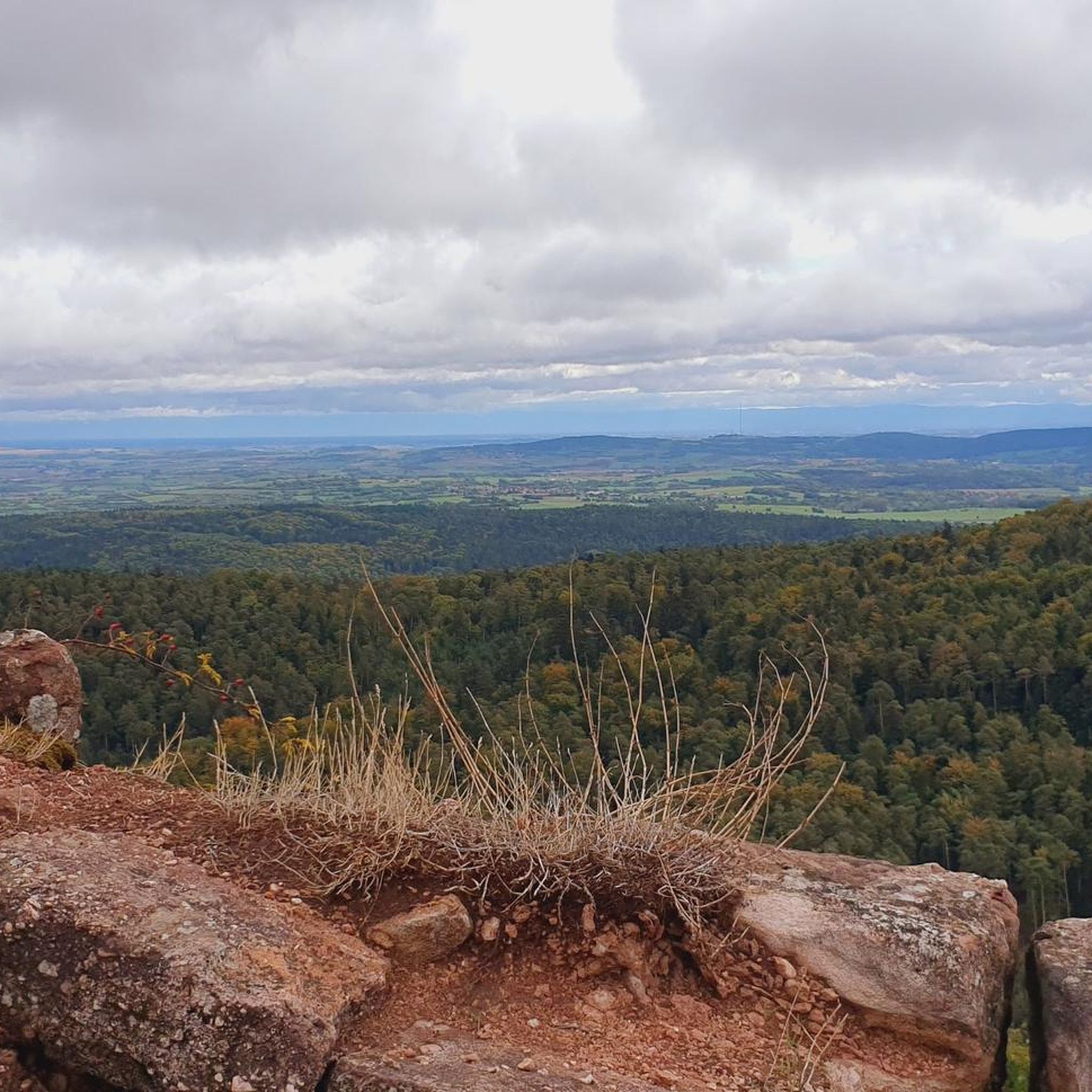

Tips from the Community

The Château des Rohan, formerly called "The Little Alsatian Versailles," is located in the city center of Saverne on the Rhine-Marne Canal. This former bishop's castle, built in the 13th century and restored in the 19th century on the initiative of Napoleon III, now houses a museum, a cultural center, a youth hostel, and a school. The neoclassical façade (park side), made of pink sandstone, is 140 meters long, which is the same horizontal height as Strasbourg Cathedral. The Château des Rohan Museum presents extensive Gallo-Roman and medieval archaeological collections. It consists of three departments: Art and History, Louise Weiss, and Archaeology. The Art and History department encompasses many areas: paintings, prints, and 15th- and 16th-century polychrome wood carvings from the churches of Saverne and the region, as well as a room dedicated to the history of the castle. Louise Weiss Department To honor her Alsatian ties (her family originally came from Petite-Pierre near Saverne), journalist Louise Weiss (1893-1983) donated her collections (ethnographic objects, paintings, drawings, 19th- and 20th-century decorative arts, and personal archives) to the Saverne Museum in 1981 and 1983. Archaeological Department In the vaulted cellars of the castle, the museum houses a rich archaeological collection, including numerous Gallo-Roman funerary and votive steles. Tours of the museum and access to the castle roof are available (upon request). Admission (museum + roof access): €5 (adults) and €4 (students)
0
0

very nice view and a good place to eat
0
0

Elongated rock castle above the Zorn valley, southwest of Saverne. After a varied history, it has been state property for approx. 150 years. Varied structures from different eras in the inner courtyard. Great view over the Rhine valley and the northern Vosges.
3
0
A large neoclassical palace from the late 18th century, especially in relation to the relatively small town. Located at the lower end of the old town, it has a large park at the rear, facing the Rhine-Marne Canal. The palace now belongs to the city and houses two museums, a primary school, a youth hostel, and several theaters and event venues. The varied history of its use is interesting; details can be found online: https://de.m.wikipedia.org/wiki/Rohan-Schloss
5
0

The site is well maintained. Free and accessible to all. The parking lot is a 5-minute walk away
0
0

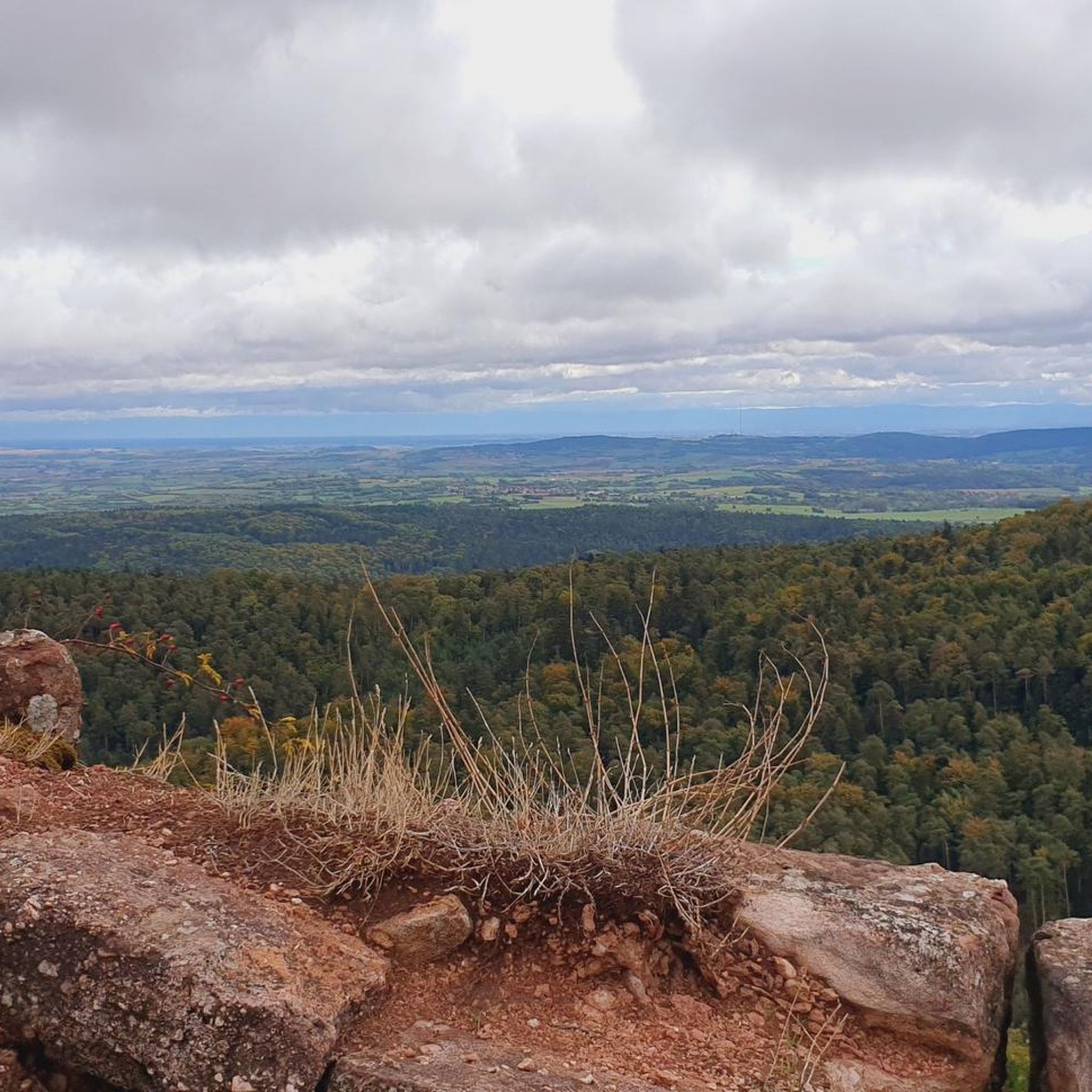
It is worth climbing the steep steps of the ruins to the top of the remains of the tower... From the top you have a wonderful view over the wooded hills of the Vosges...
2
0

The Gross-Geroldseck Castle was built on the rocky plateau that slopes down on all sides. The aim was to protect the Maursmünster Abbey. The castle was once surrounded by a strong ring wall, which can still be visited today. At the entrance to the castle you can admire the large keep, which has been preserved in its full height. In the northwest you will find a few outbuildings. In the south, however, parts of the castle are still buried under the ground and have not yet been explored.
0
0

The castle ruins in the natural area, which have been listed as a historical monument since 1898, are not the remains of one but of two castles. The lower castle (Unternideck) was probably built in the first half of the 13th century. Today, the square keep and a fortified wall that separated the residential building can still be seen. The keep shows a change in the structure that indicates an interruption in construction (formats and unevenness of the stones, structure of the vaults...). The upper castle (Obernideck) was probably built in the 14th century. Its ruins are less well preserved, only a few heavily restored walls can still be seen. A castle on the Nideck was first mentioned in 1264. Sire Burckart lived here at that time. From 1336, the castle was a fief of the Diocese of Strasbourg and was then given to the citizens of Strasbourg. The inhabitants of both castles concluded several truces, especially in 1393 and 1422. These "peace treaties", which bear witness to the history of the place, laid down the rules for coexistence, supplies and armament of the fortress. From the 15th century onwards, the castle changed hands several times in successive attacks. The castle was finally destroyed in 1636 in the Thirty Years' War. Text of the information board
2
0
Frequently Asked Questions
Which castles offer the best panoramic views around Reinhardsmünster?
For breathtaking panoramic views, visit Haut-Barr Castle, known as the 'Eye of Alsace,' offering vistas over the Vosges mountains and the Rhine Valley, with Strasbourg Cathedral visible on clear days. The Ruins of Nideck Castle also provide impressive views over the extensive forests of the upper Bruche Valley, and Wangenbourg Castle offers a beautiful outlook over Wangenbourg-Engenthal from its rock formation.
Are there any castles with unique natural features nearby?
Yes, the Ruins of Nideck Castle are notable for their location on a steep rhyolite rock directly above the 25-meter-high Nidecker waterfall (Cascade du Nideck), adding a stunning natural element to your visit.
Which castles are particularly rich in history and medieval architecture?
Château du Grand Géroldseck is a prime example of an Adelburg castle from the Staufer period, featuring a strong ring wall and a preserved keep. Haut-Barr Castle, built around 1123, also showcases significant medieval architecture with its unique 'Devil's Bridge' connecting rock formations.
Are there family-friendly castles to visit in the Reinhardsmünster area?
Many castles in the region are suitable for families, offering open spaces and historical exploration. Haut-Barr Castle is freely accessible, has a restaurant, and its 'Devil's Bridge' can be an exciting feature for children. The Wangenbourg Castle ruins are also freely accessible and offer plenty to explore.
What kind of outdoor activities can I do near the castles around Reinhardsmünster?
The area offers various outdoor activities. You can find numerous hiking trails, such as the 'Brotsch Tower – Grand Geroldseck Castle loop,' or cycling routes like the 'Marmoutier Abbey Church – Haut-Barr Castle loop.' For more options, explore the hiking, cycling, and running guides for Reinhardsmünster.
Are there hiking trails that connect multiple castles?
Yes, you can find routes that link several historical sites. For instance, the 'Château du Grand Géroldseck – Haut-Barr Castle loop' is a moderate hiking trail that allows you to visit two significant castles. Check the hiking guide for Reinhardsmünster for more multi-castle routes.
Which castle offers amenities like a restaurant or facilities?
Haut-Barr Castle is managed and includes a restaurant on its grounds, making it convenient for visitors looking for refreshments or a meal during their visit. While Château du Grand Géroldseck does not have its own gastronomy, a restaurant is available at the nearby Haut-Barr Castle.
Is there a castle that is more of a palace than a ruin?
Yes, Rohan Castle in Saverne is a magnificent neoclassical palace from the late 18th century, often called the 'Little Alsatian Versailles.' It now houses museums, a youth hostel, and various event venues, offering a different historical experience compared to the medieval ruins.
What is the best season to visit the castles around Reinhardsmünster?
The castles are beautiful year-round. Spring and autumn offer pleasant temperatures for hiking and exploring the ruins, with vibrant foliage. Summer provides longer daylight hours, while winter can offer a unique, serene experience, especially with snow, though some facilities or tower access might be limited (e.g., Wangenbourg Castle's tower is open April to November).
Are there any lesser-known or unique castle ruins worth exploring?
Beyond the more prominent sites, the freely accessible Petit Geroldseck Castle ruin, built to secure an inheritance contract, offers a glimpse into local history. While not as extensively documented as its larger counterparts, it provides a quiet exploration opportunity.
What do visitors enjoy most about the castles in this region?
Visitors frequently praise the combination of historical exploration and stunning natural scenery. The impressive views from castles like Haut-Barr Castle and the unique natural features like the Nidecker waterfall near Ruins of Nideck Castle are often highlighted. The opportunity to discover winding ruins and well-preserved keeps, such as at Château du Grand Géroldseck, also contributes to a memorable experience.
Most popular routes around Reinhardsmünster
Most popular attractions around Reinhardsmünster

Get inspired with the komoot mobile app


Explore more
Looking for the best castles somewhere else? Discover other guides around Reinhardsmünster:
