The best cycling routes around La Queue-Les-Yvelines
4.6
(239)
1,574
riders
23
rides
Touring cycling routes around La Queue-Les-Yvelines traverse a landscape characterized by verdant forests, open fields, and rolling countryside within the Yvelines department of France. The region offers a network of paths suitable for exploring on two wheels, often alternating between rural sections and areas near charming villages. Cyclists can expect varied terrain, including both paved and unpaved sections, with moderate elevation changes across the area. This environment provides a blend of natural beauty and historical interest for touring cyclists.
Best…
Last updated: November 16, 2026
4.3
(4)
15
riders
29.1km
01:54
220m
220m
Moderate bike ride. Good fitness required. Mostly paved surfaces.
5.0
(1)
6
riders
Hard bike ride. Good fitness required. You may need to push your bike for some segments of this route.

7
riders
28.5km
01:45
210m
210m
Moderate bike ride. Good fitness required. Mostly paved surfaces.
8
riders
192km
11:50
1,460m
1,460m
Hard bike ride. Very good fitness required. Mostly paved surfaces.
5.0
(1)
7
riders
7.36km
00:27
60m
60m
Easy bike ride. Mostly paved surfaces.
Get access to more routes and recommendations from other explorers.
Already have an account?
Our route recommendations are based on thousands of hikes, rides, and runs completed by other people on komoot.
Start today with a free account
Your next adventure awaits.
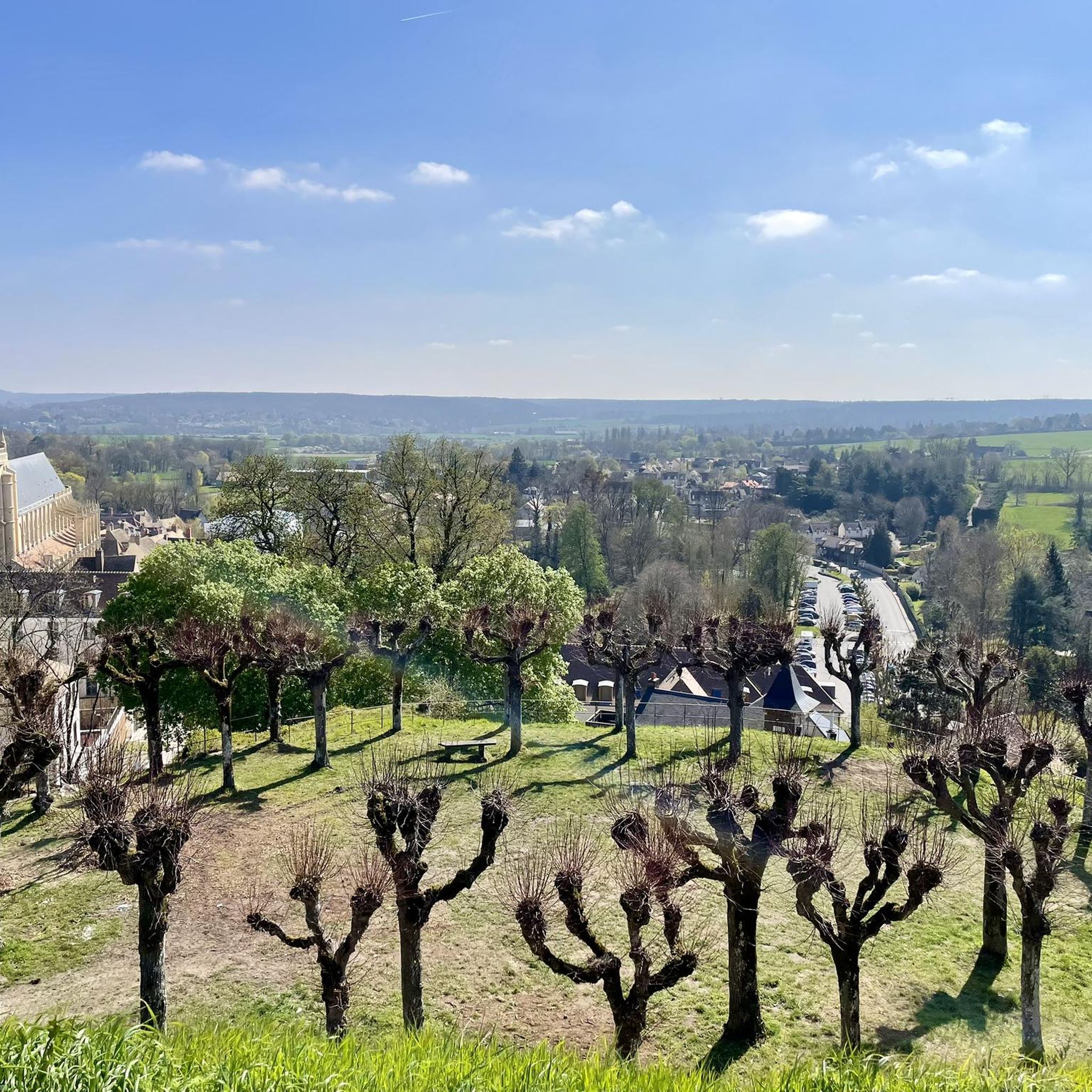


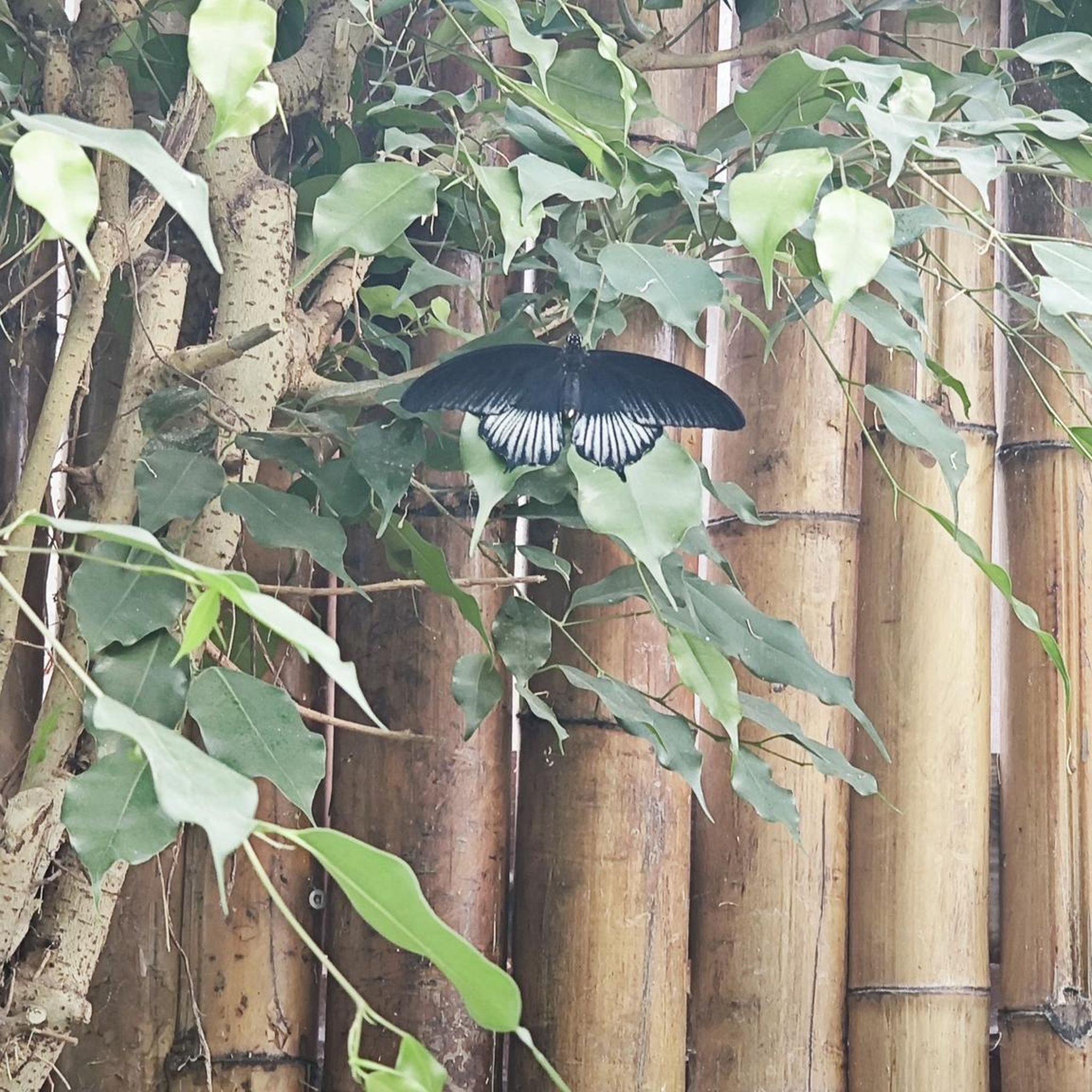
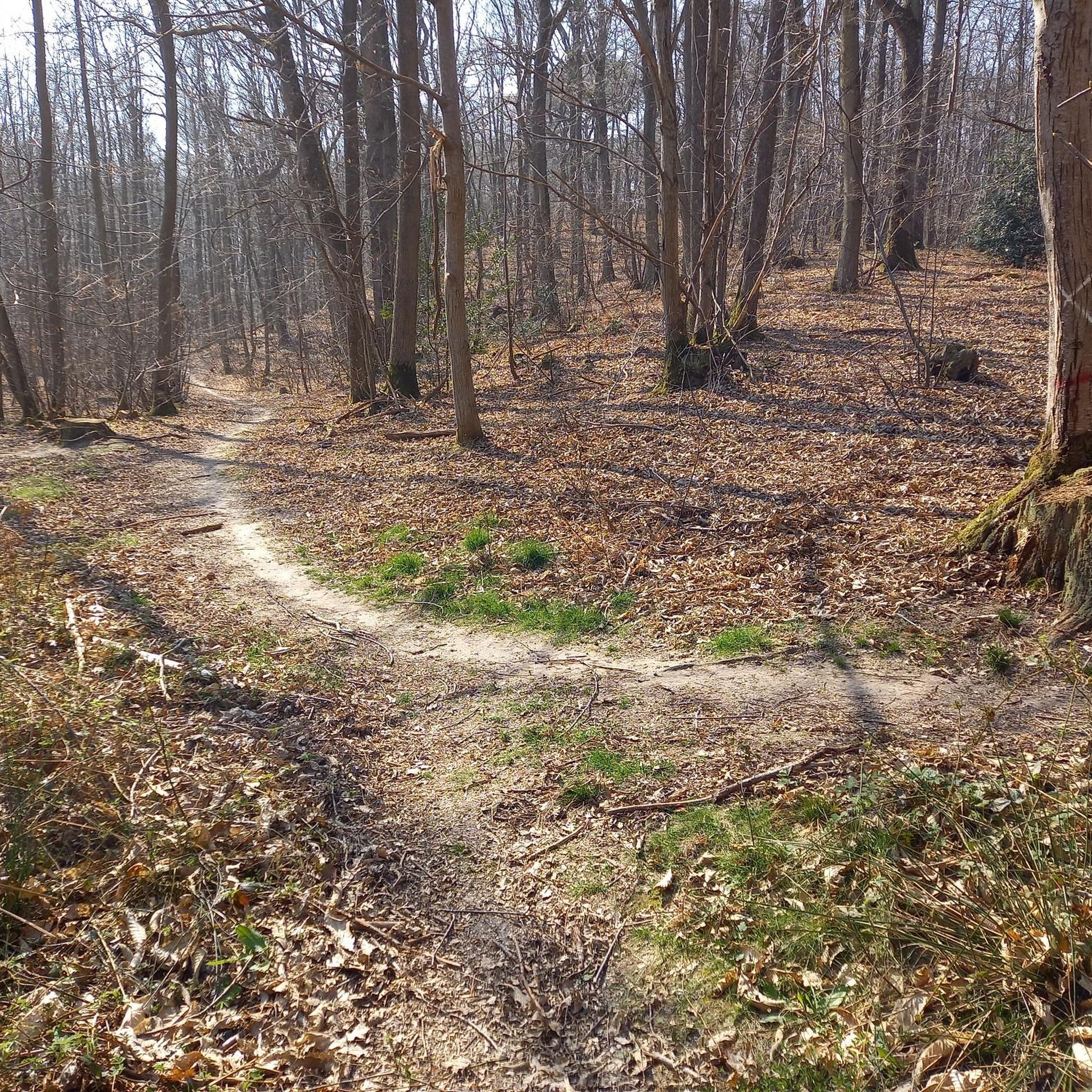
Tips from the Community

a magnificent museum retracing the life of a French composer who lived in this residence
0
0
A remnant of a medieval tower that adds to the charm of Monfort l'Amaury.
0
0


According to tradition, the church choir covers the remains of an older building, possibly dating back to the 6th century, which was built to house the saint's body. According to current knowledge, the commune of Saint-Piat (Sanctus Piatus in Latin) officially appeared in 1087, mentioned in a charter of the Nottonville Priory (Eure-et-Loir), on which it depended. The current building was rebuilt during the time of Francis I, as suggested by the date 1535 engraved on two buttresses of the apse and the date 1542 engraved on a piece of wood from the vault. This is according to a study by the SAEL (Eure-et-Loir Archaeological Society). The three-sided apses, the dripstone towers (horizontal members projecting from a wall), and the sculpted roof structures are a testament to the importance of the reconstructions carried out in the department during the 16th century. The church of Saint-Piat is one of them. While the church has not been officially recognized, it nevertheless contains objects that have attracted attention both for their antiquity and quality, but not always for good reason. Their artistic value, far from attracting only religious or aesthetic interest, has also aroused a covetousness that, unfortunately, remains for some of them. Fortunately, those still in place are carefully cared for and offer the curious a story to discover, a beauty to slowly ponder as they progress toward the choir.
0
0

Beautiful castle with a beautiful forest nearby 😉
0
0


The current remains are those of the 15th-century gate and its barbican or artillery boulevard. The earliest remains on the site date back to the 1st century, with the remains of an ancient domus, a street, and its wooden gutter. The first Guillaume Gate was built around 1185; a wall can still be seen a little further along Rue de la Porte Guillaume. Source: https://journals.openedition.org/cem/14214?lang=en
0
0

You can see bison, Przewalski horses, etc. there.
0
0
Frequently Asked Questions
How many touring cycling routes are available around La Queue-Les-Yvelines?
There are over 200 touring cycling routes in the La Queue-Les-Yvelines area. This includes a diverse selection, with 52 routes considered easy, 118 moderate, and 45 difficult, catering to various skill levels.
What kind of terrain can I expect on touring cycling routes near La Queue-Les-Yvelines?
The terrain around La Queue-Les-Yvelines is quite varied, offering a blend of experiences. You'll cycle through verdant forests, expansive open fields, and rolling countryside. Routes often alternate between urban sections, charming villages, and more rural paths, including both paved and unpaved sections. Some forest paths, like those found on the historic Chemin du Roy, can be rugged or even steep.
Are there touring cycling routes suitable for beginners or those looking for an easier ride?
Yes, the region offers 52 touring cycling routes classified as easy. These routes typically feature less elevation gain and smoother paths, making them ideal for beginners or those seeking a relaxed ride. For example, the La Mormaire Castle – Charming village Gambaiseul loop from Galluis is a moderate route that can be completed in under two hours, offering charming village and rural scenery.
What natural features or landmarks can I see along touring cycling routes?
Many routes will take you through the picturesque landscapes of the Yvelines department, often referred to as the 'green lung of the Ile de France'. You can expect to encounter significant forested areas, tranquil ponds, and open fields. A notable natural feature is the Rompu Pond, nestled within the Rambouillet forest, known for its serene reflections.
Are there any historical sites or castles to explore while cycling?
Yes, the region is rich in history. You might cycle past sites such as the 13th-century Saint Martin's Church, Beynes, the Notre-Dame du Chêne Chapel, or the intriguing Ruins of the Château de Beynes, surrounded by moats. Other castles like Château des Mesnuls and Château de Jouars-Pontchartrain are also within cycling distance.
What do other cyclists say about touring cycling in La Queue-Les-Yvelines?
The touring cycling routes around La Queue-Les-Yvelines are highly regarded by the komoot community, holding an average rating of 4.5 stars from over 180 reviews. More than 1300 touring cyclists have used komoot to explore the varied terrain, often praising the blend of natural beauty, quiet woodlands, and charming rural scenery.
Are there any circular touring cycling routes in the area?
Many of the touring cycling routes around La Queue-Les-Yvelines are designed as loops, allowing you to start and end at the same point. Examples include the Étang Neuf – Charming village Gambaiseul loop from Garancières - La Queue, which takes you through forests and open fields, or the Yew Castle – Étang de la pinardiaire loop from Grosrouvre, featuring rolling terrain and scenic views.
What is the best time of year for touring cycling in La Queue-Les-Yvelines?
The Yvelines region, including La Queue-Les-Yvelines, is enjoyable for cycling throughout much of the year. Spring and autumn offer pleasant temperatures and beautiful scenery with blooming flowers or vibrant fall foliage. Summer can also be great, especially when cycling through the shaded forest sections. Winters are generally milder but can be damp, so check local weather forecasts.
Are the touring cycling routes around La Queue-Les-Yvelines suitable for families?
Yes, with 52 easy routes available, there are many options suitable for families. These routes often feature less challenging terrain and shorter distances. The region's network of cycle paths and greenways, as highlighted by Mappy, also ensures safer rides away from heavy traffic, making it a good choice for family outings.
Can I bring my dog on the touring cycling routes?
While many natural areas in France are dog-friendly, specific rules can vary, especially within protected forests or private estates. It's generally advisable to keep dogs on a leash, especially in forested areas where wildlife is present, and to ensure they are well-behaved around other cyclists and pedestrians. Always check local signage for any specific restrictions.
Are there any more challenging touring cycling routes for experienced riders?
For experienced riders seeking a challenge, La Queue-Les-Yvelines offers 45 routes classified as difficult. These routes typically feature greater elevation gains and more demanding terrain. An example of a more challenging ride is the Charming village Gambaiseul – Château de la Mormaire loop from Garancières - La Queue, which includes significant elevation changes over its nearly 29 km distance.
Where can I find parking for touring cycling routes in La Queue-Les-Yvelines?
Parking is generally available in or near the starting points of many routes, particularly in the villages or close to popular natural attractions. For instance, if you're starting a loop from Garancières - La Queue, you'll typically find local parking options. It's always a good idea to check specific route details on komoot for recommended starting points and parking information.
Are there cafes or places to stop for refreshments along the routes?
Many touring cycling routes pass through or near charming villages where you can find local cafes, bakeries, and small shops to refuel. The region's rural character means that while you might find amenities in villages, stretches through forests and open fields will be more remote, so planning your stops or carrying sufficient supplies is recommended.
Most popular routes around La Queue-Les-Yvelines
Most popular attractions around La Queue-Les-Yvelines

Get inspired with the komoot mobile app


Explore more
Browse the best Cycling routes in other regions.
