The best walks and hikes around Bazoches-Sur-Guyonne
4.6
(682)
3,646
hikers
456
hikes
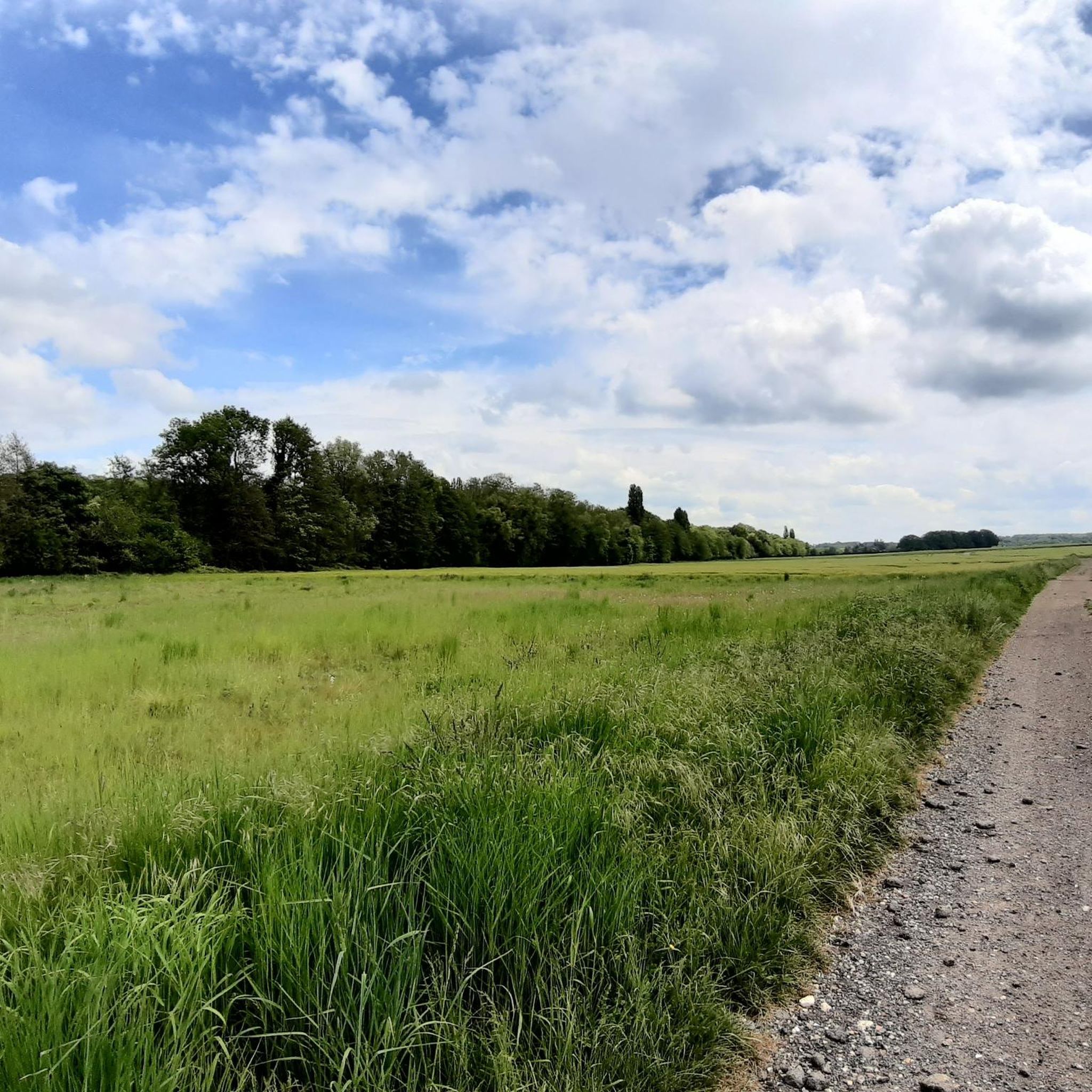
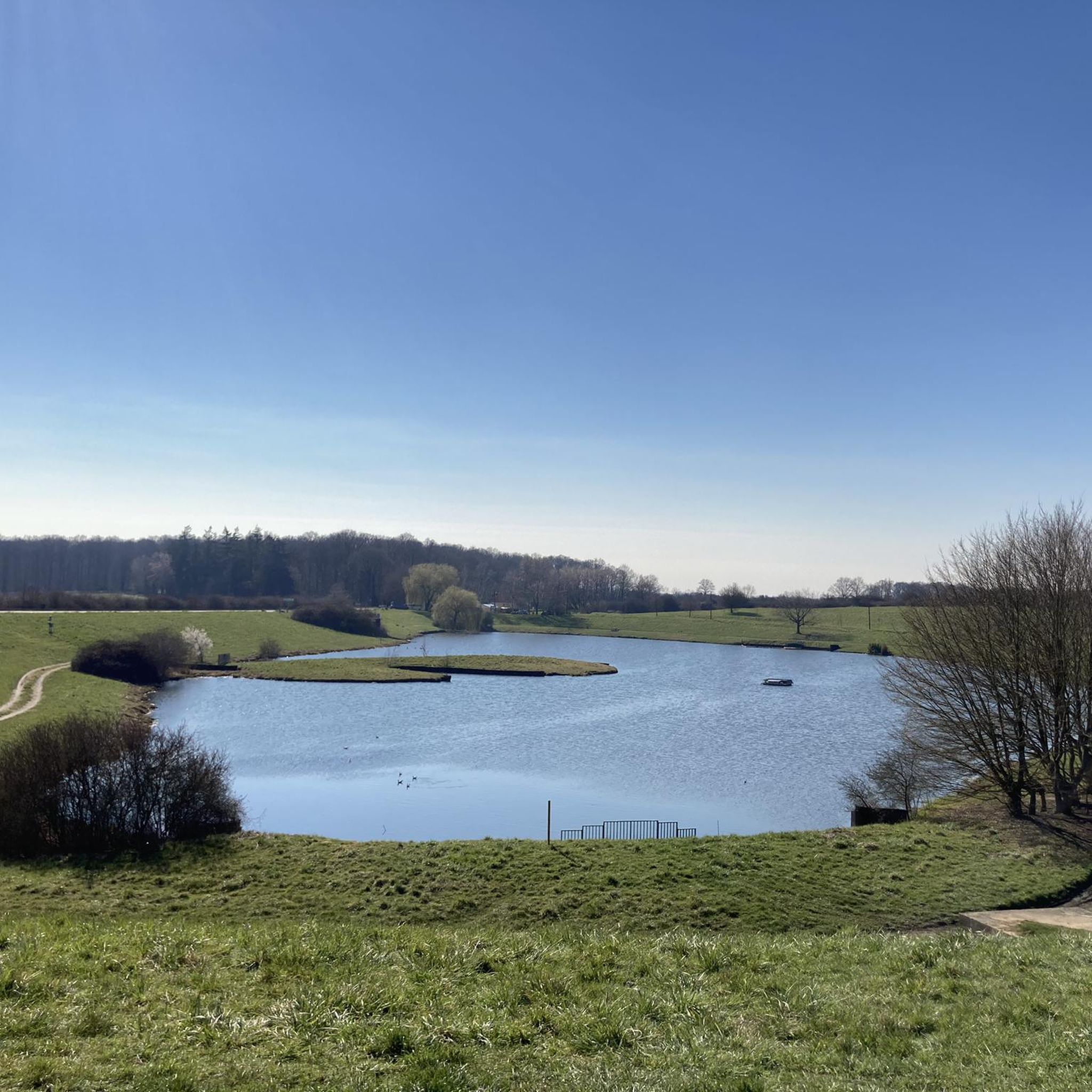
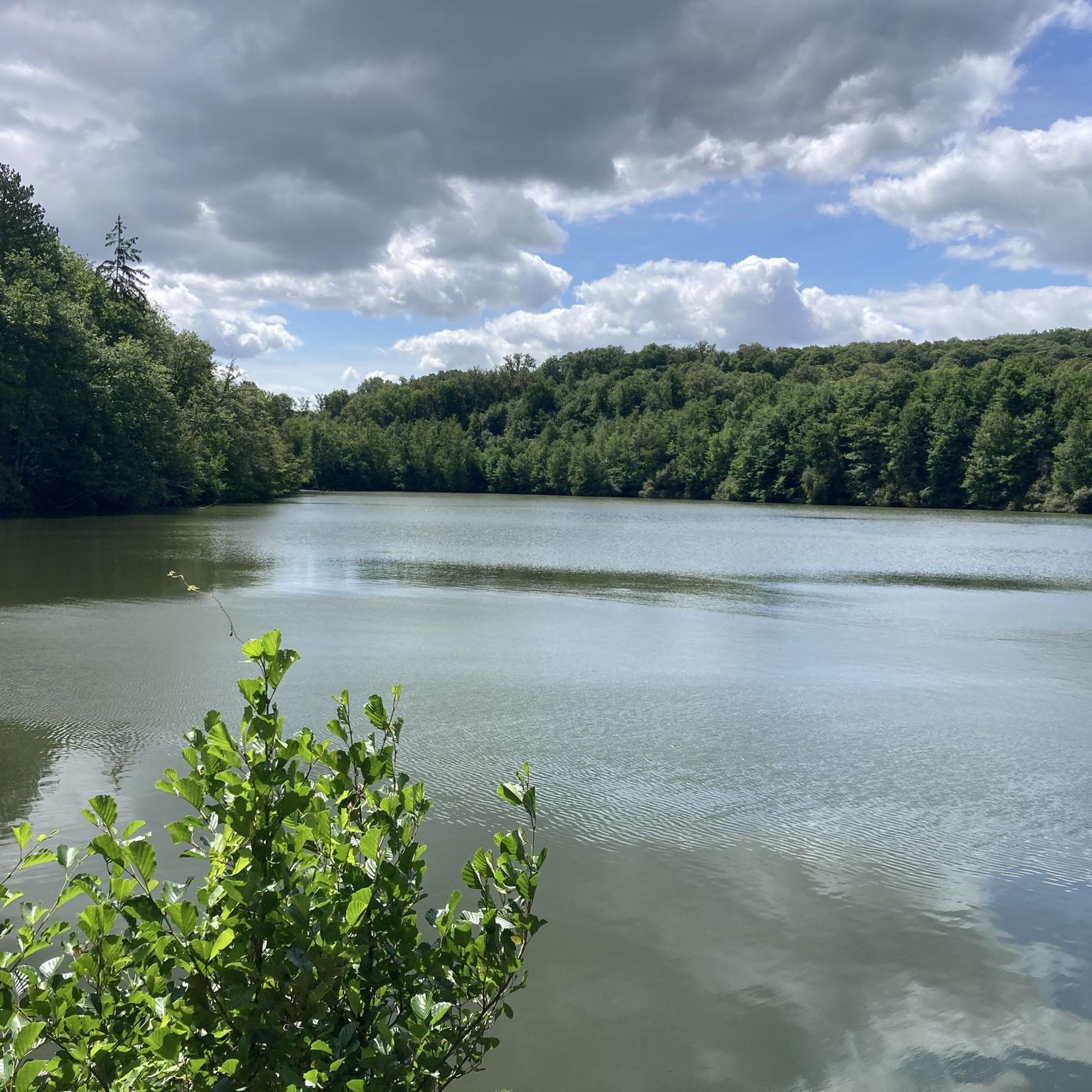
Hiking around Bazoches-Sur-Guyonne offers routes through a rural landscape characterized by natural, agricultural, and wooded areas within the Haute Vallée de Chevreuse Regional Natural Park. The terrain features forests, including proximity to the Rambouillet forest, and incorporates water features like the Guyonne stream and Ruisseau des Brûlins. The village itself is built on varied relief, extending from a hill to a stream, providing diverse topographical elements for hikers.
Best hiking trails around Bazoches-Sur-Guyonne
- The most popular hiking route is Château…
Last updated: May 20, 2026
4.7
(14)
72
hikers
15.8km
04:18
230m
230m
Moderate hike. Good fitness required. Easily-accessible paths. Suitable for all skill levels.
4.8
(9)
11
hikers
6.79km
01:53
130m
130m
Easy hike. Great for any fitness level. Easily-accessible paths. Suitable for all skill levels.

Sign up for free
5.0
(1)
16
hikers
9.55km
02:37
150m
150m
Moderate hike. Good fitness required. Easily-accessible paths. Suitable for all skill levels.
4.5
(2)
10
hikers
27.7km
07:29
370m
370m
Hard hike. Very good fitness required. Easily-accessible paths. Suitable for all skill levels.
5.0
(1)
11
hikers
Hard hike. Very good fitness required. Easily-accessible paths. Suitable for all skill levels.
Get access to more routes and recommendations from other explorers.
Sign up for free
Already have an account?
Our route recommendations are based on thousands of hikes, rides, and runs completed by other people on komoot.
Start today with a free account
Your next adventure awaits.
Login or Signup

Tips from the Community

House built by Finnish architect Alvar Aalto for art dealer Louis Carré.
0
0


"Over fifty years ago, on 26th July 1944, a 49 Squadron Lancaster bomber was returning from a raid on Stuttgart and, according to eye-witnesses, appeared to try to make an emergency landing. The aircraft crashed into a wood near the village of Coignieres in northern France, killing all seven of the crew. The mayor at the time gathered together a seach party and went to the crash site with the aim of retrieving the bodies, and thus preventing the Germans from having access to them. Despite warnings from the Germans that the bodies should be buried where they fell, they were brought back to the village.The mayor, M Godot, requisitioned seven coffins and a burial service took place, conducted by the village priest. A large crowd attended, including many from other villages. Word had got around, despite the fact that the Germans were in occupation. A memorial was erected and the Tricolour flown, again in defiance of German regulations. Immediately after the funeral the Germans called at the mayor's house to demand the location of the crash site. Inside the house were the dignitaries from local villages who had taken part in the funeral ceremony. Whilst the mayor was trying to convince the Germans that nothing unusual was going on, and indicating very approximately the area of the crash on a map, his daughter secretly left the house to remove as many of the wreaths and flags as possible from the graves and the memorial. Fortunately the Germans did not leave by the town square, otherwise they could have seen the remains of the decorations. The villagers took great risks in retrieving the bodies and burying them with honour, and had they been found out would have suffered the consequences. "
0
0


"Joseph-Maurice Ravel (* March 7, 1875 in Ciboure; † December 28, 1937 in Paris) was a French composer and, alongside Claude Debussy, the main representative of impressionism in music. His best-known work is the orchestral piece Boléro, which was originally conceived as ballet music." (Source: Wikipedia) There are numerous films with the Bolero on the video portal YouTube. I have selected a recording by the WDR (West German Radio) Symphony Orchestra as a suggestion for anyone who wants to listen to it. https://www.youtube.com/watch?v=cmNEvSFWftc
0
0
Jean Omer Marie Gabriel Monnet (born November 9, 1888 in Cognac, France, † March 16, 1979 in Bazoches-sur-Guyonne, Yvelines department near Paris) was a French entrepreneur. He is considered the pioneer of European unification efforts without ever having been a politician in the sense of an elected official - he was never a head of government or a minister. Monnet is considered one of the founding fathers of the European Communities and is referred to as the “Father of Europe”. (Source: wikipedia)
1
0
Joseph-Maurice Ravel (born March 7, 1875 in Ciboure; † December 28, 1937 in Paris) was a French composer and, along with Claude Debussy, a main representative of impressionism in music. His best-known work is the orchestral piece Boléro, which was originally conceived as ballet music. (Source: wikipedia)
2
0
Frequently Asked Questions
How many hiking trails are available in Bazoches-Sur-Guyonne?
Bazoches-Sur-Guyonne offers a wide selection of hiking opportunities, with over 440 routes available. These range from easy strolls to more challenging paths, catering to various fitness levels.
What kind of landscapes can I expect to see while hiking in Bazoches-Sur-Guyonne?
The region is characterized by diverse landscapes, including extensive forests and woodlands, such as those near the Rambouillet forest. You'll also encounter picturesque water features like the Guyonne stream and Ruisseau des Brûlins, along with varied terrain that includes hills and agricultural areas.
Are there hiking trails suitable for beginners or families in Bazoches-Sur-Guyonne?
Yes, Bazoches-Sur-Guyonne has a good selection of easier trails. There are nearly 190 easy routes available. An example is the Maison Louis Carré – Jean Monnet House loop from Yvelines, an easy 4.2-mile (6.7 km) path that connects two significant historical residences.
Are there more challenging hikes in the area?
For those seeking a greater challenge, Bazoches-Sur-Guyonne offers 25 difficult routes. A more demanding option is the Chaussée du grand étang – Jean Monnet House loop from Bazoches-sur-Guyonne, which spans 12 miles (19.3 km) and features significant elevation changes.
Are there any historical sites or cultural attractions accessible via hiking trails?
Many trails in Bazoches-Sur-Guyonne integrate historical and cultural points of interest. You can hike past sites like the Château des Mesnuls, the Ruins of the Château de Beynes, or the historic Église Saint-Martin. Some routes also lead to the Maison de Jean Monnet and the unique Maison Louis Carré, designed by Alvar Aalto.
Are there any circular hiking routes in Bazoches-Sur-Guyonne?
Yes, many of the trails in Bazoches-Sur-Guyonne are designed as circular routes. For instance, the Château des Mesnuls – La Plaine Pond loop from Bazoches-sur-Guyonne is a popular 9.7-mile (15.7 km) option that takes you past historical châteaux and natural ponds.
What is the best time of year to go hiking in Bazoches-Sur-Guyonne?
The region is enjoyable for hiking throughout much of the year. Spring and autumn offer pleasant temperatures and beautiful foliage, while summer provides lush green landscapes. The varied terrain and woodlands make it a refreshing destination even on warmer days.
Is there parking available near the hiking trails in Bazoches-Sur-Guyonne?
Given the rural nature of Bazoches-Sur-Guyonne and its surrounding villages, parking is generally available near trailheads and in village centers. It's advisable to check specific starting points for designated parking areas.
Can I reach hiking trails in Bazoches-Sur-Guyonne using public transport?
While Bazoches-Sur-Guyonne maintains a rural character, some access points to trails may be reachable via local public transport options connecting to larger towns. However, for maximum flexibility, driving to trailheads is often preferred.
Are dogs allowed on the hiking trails in Bazoches-Sur-Guyonne?
Generally, dogs are welcome on many hiking trails in the natural areas around Bazoches-Sur-Guyonne, especially in the forests and open countryside. It's always recommended to keep them on a leash, especially in areas with wildlife or near agricultural land, and to respect local signage regarding pet regulations.
What do other hikers enjoy most about the trails in Bazoches-Sur-Guyonne?
The trails in Bazoches-Sur-Guyonne are highly rated by the komoot community, with an average score of 4.6 stars from over 700 reviews. Hikers often praise the extensive forests, picturesque streams, and the blend of natural beauty with historical sites like châteaux and ancient paths.
Most popular routes around Bazoches-Sur-Guyonne
Most popular attractions around Bazoches-Sur-Guyonne

Get inspired with the komoot mobile app


Explore more
Browse the best Hikes in other regions.
