Attractions and Places To See around Saint-Armel - Top 20
Best attractions and places to see around Saint-Armel include a blend of natural beauty and historical sites within the Regional Natural Park of the Gulf of Morbihan. The commune is characterized by diverse and preserved natural areas, such as marshes, wetlands, and coastal stretches. Visitors can explore historical landmarks and enjoy the unique landscape of this region.
Best attractions and places to see around Saint-Armel
- The most popular attractions is Suscinio Castle, a castle that was last expanded in…
Last updated: July 20, 2026
Suscinio Castle
Highlight • Castle
Translated by Google •
Tip by

Port of Vannes
Highlight • Structure
Translated by Google •
Tip by

Sign up now to discover places like this
Get recommendations on the best single tracks, peaks, & plenty of other exciting outdoor places.
Sign up for free
Jardin des Remparts
Highlight • Historical Site
Translated by Google •
Tip by
Saint Peter's Cathedral - Vannes
Highlight • Monument
Cathedral in Vannes.
Translated by Google •
Tip by

Porte Saint-Vincent
Highlight • Other
Translated by Google •
Tip by

Sign up for free to discover even more attractions around Saint-Armel.
Sign up for free
Already have an account?
Start today with a free account
Your next adventure awaits.
Login or Signup

Tips from the Community


The beautiful large cathedral stands in the city.
0
0
Passing through the Porte Saint Vincent from the city center, you can see the harbor and the palm trees...
0
0
The gate that connects the harbor and the city center.
0
0

This Gothic-style Roman Catholic cathedral is the longest in Brittany and was built on the remains of an old Romanesque cathedral. This historic monument, which has housed the relics of Saint Vincent Ferrier since 1419 and is actually a small basilica, is also a place of pilgrimage on the Tro Breizh route (a medieval pilgrimage route connecting the towns of the seven founders of Brittany).
0
0

Pretty marina close to the historic city center.
0
0

Although this cathedral is not as important as the other famous cathedrals in France, it has a pleasant atmosphere and is the burial place of an important Dominican preacher, St. Vincent-Ferrier. https://de.wikipedia.org/wiki/Vinzenz_Ferrer
0
0
Frequently Asked Questions
What natural attractions can I explore around Saint-Armel?
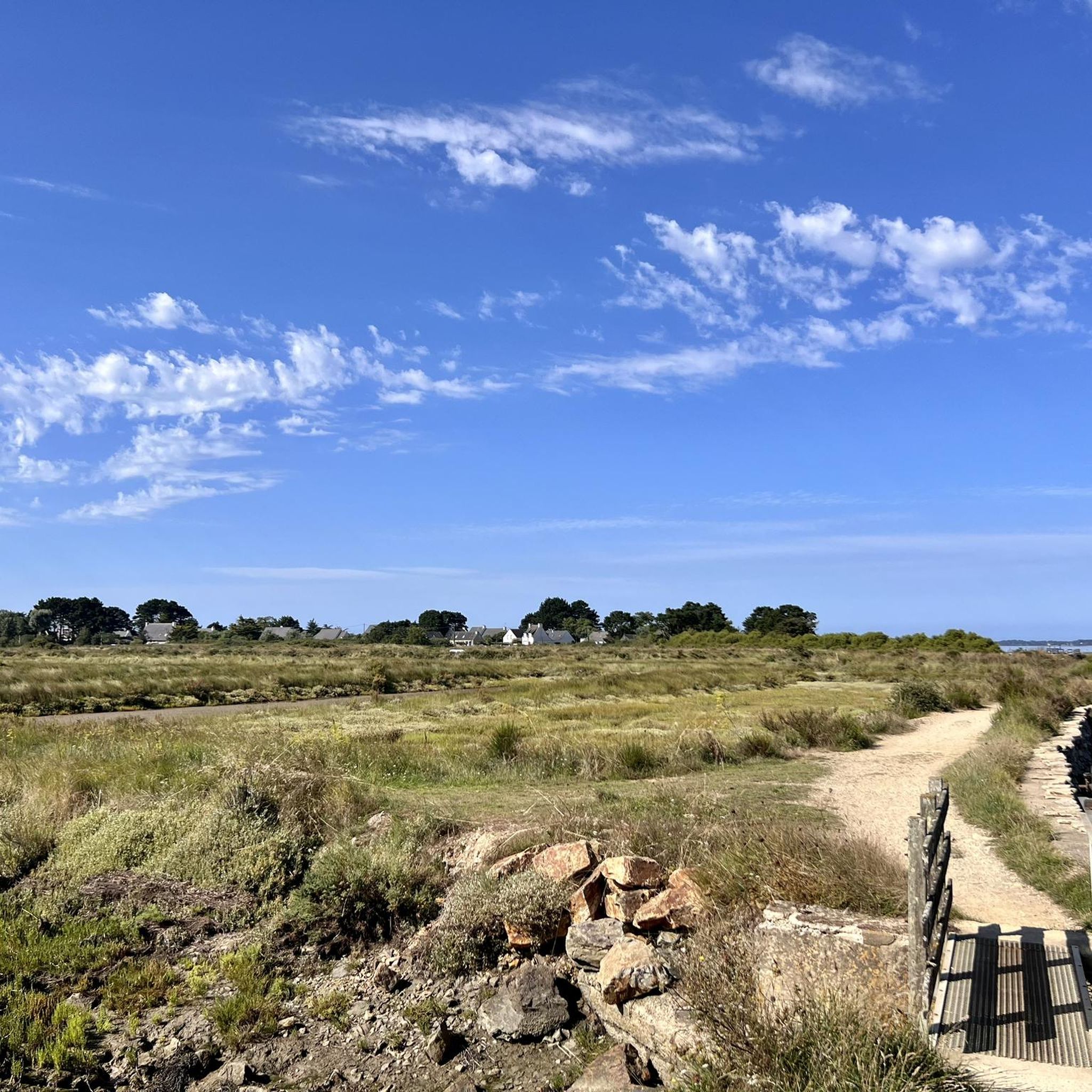
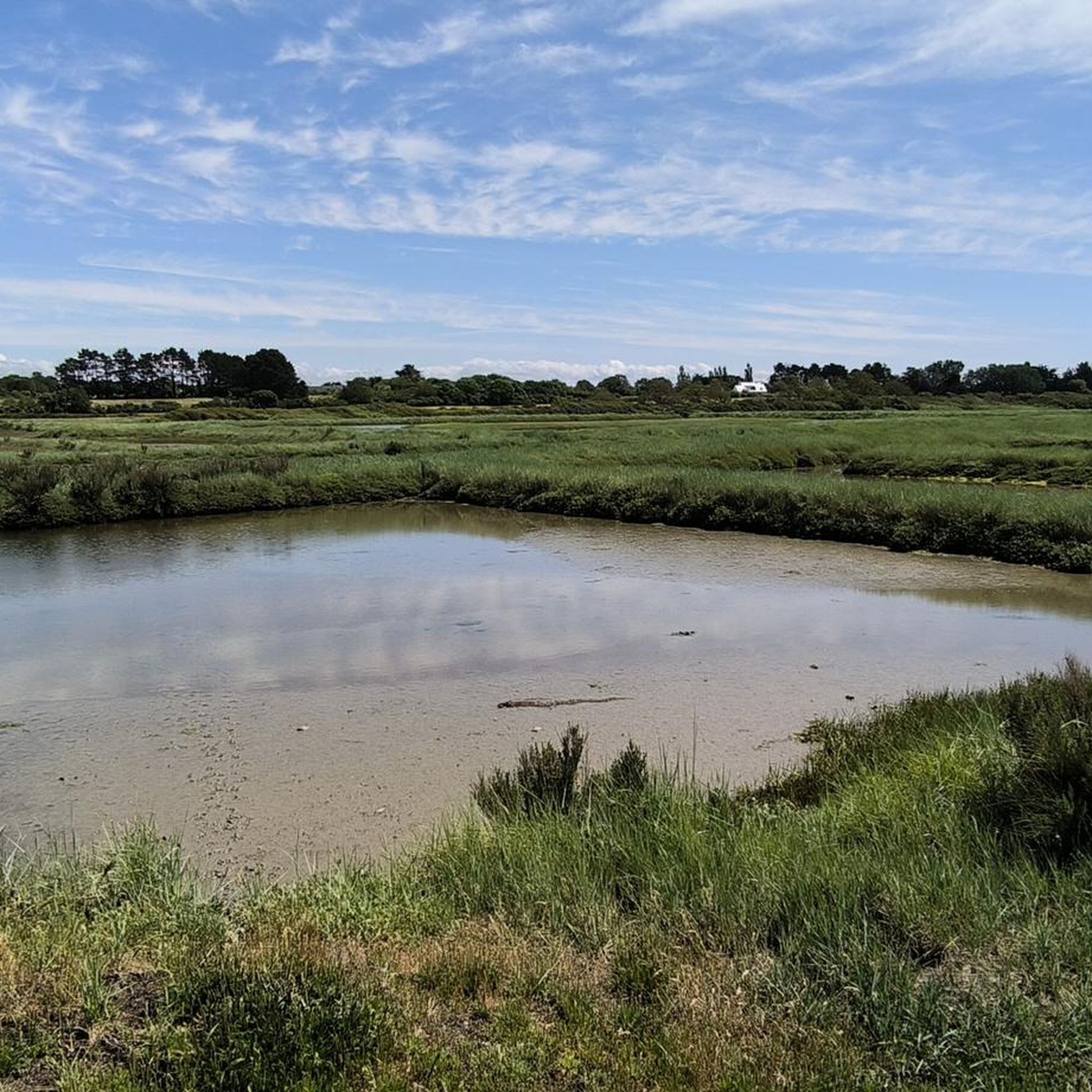
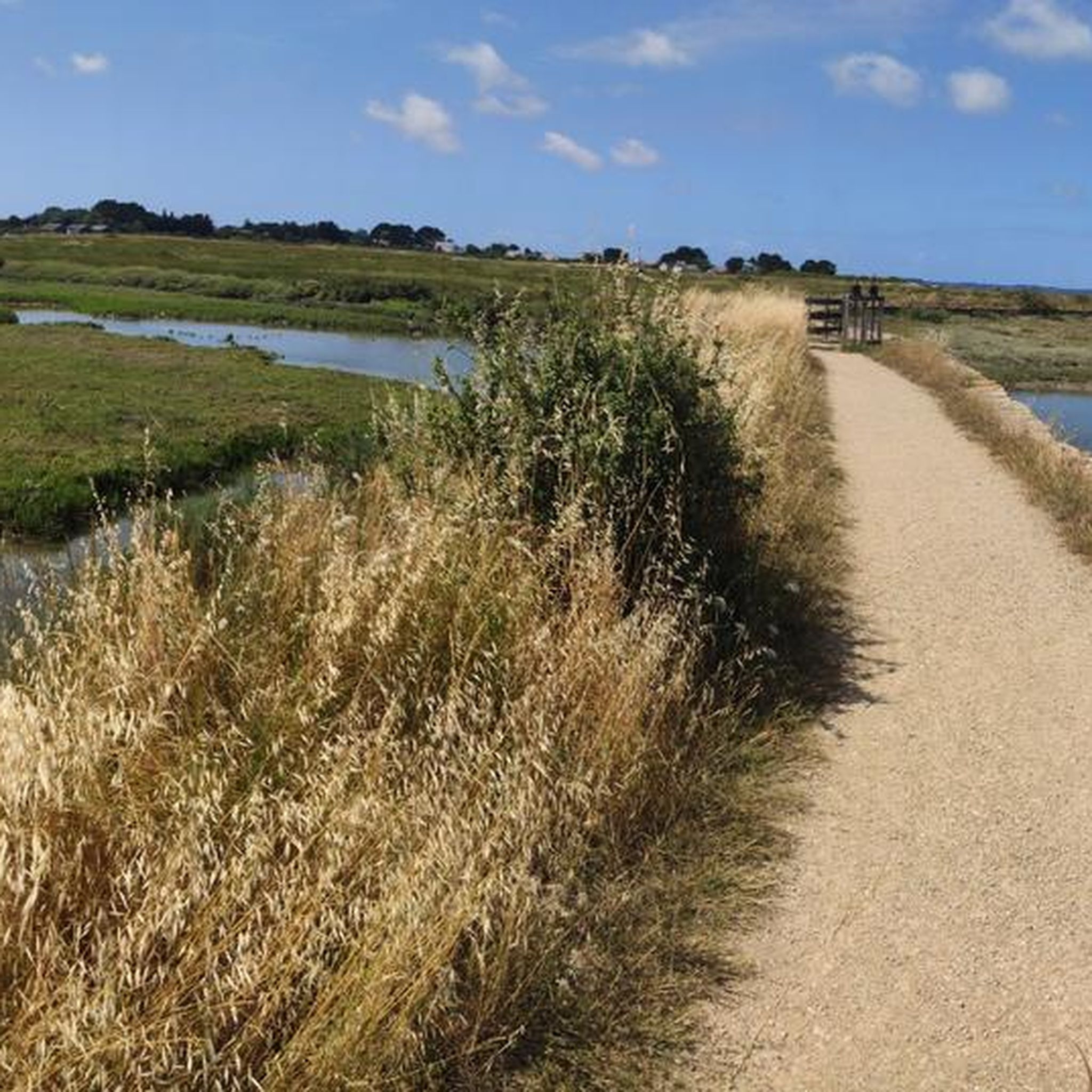
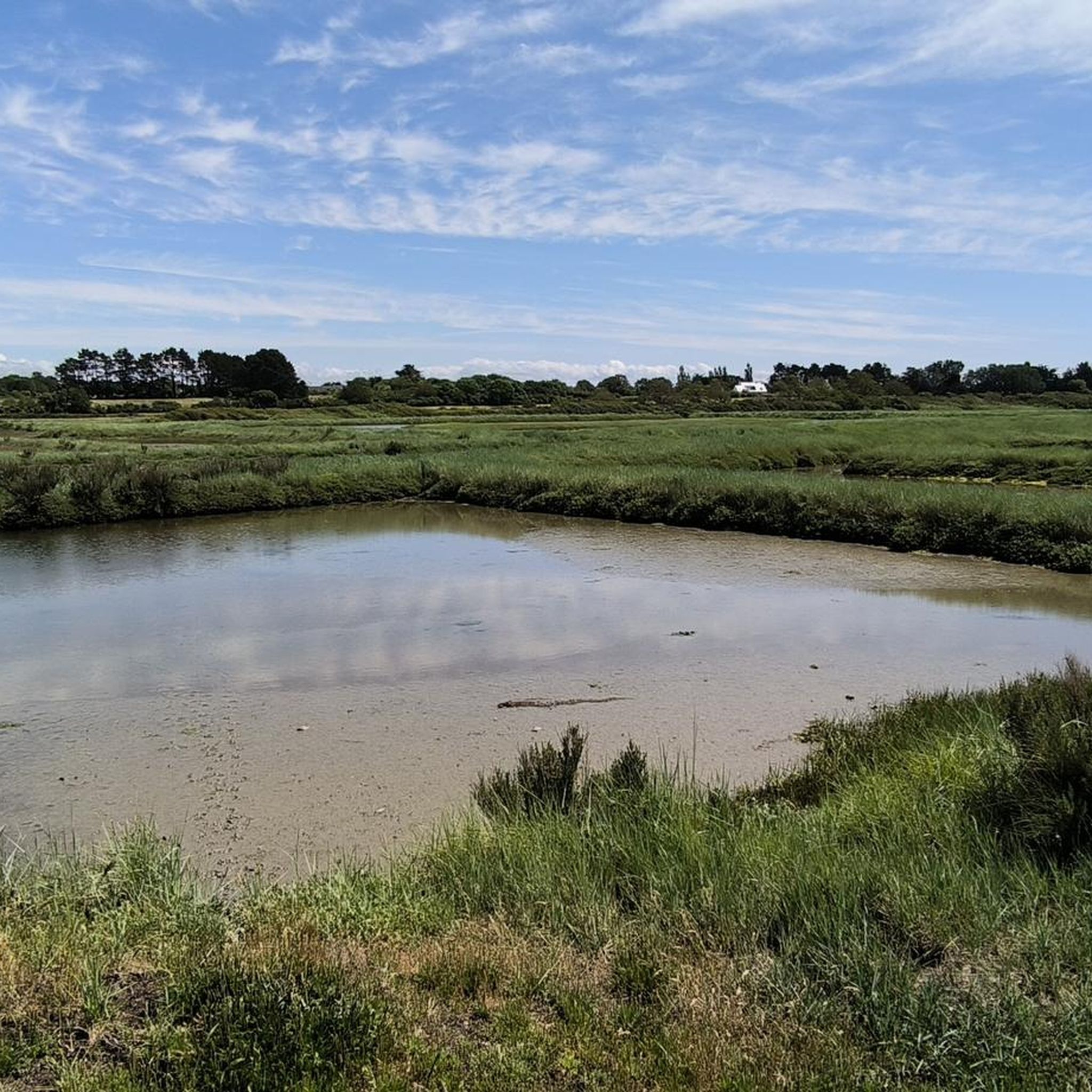
Saint-Armel is rich in natural beauty, particularly its diverse and preserved natural areas. You can explore the Marshes of Lasné and Ludré, which are significant ornithological refuges, especially the Anse de Tascon, hosting thousands of birds in winter. Another unique natural feature is Tascon Island, accessible on foot or by bicycle via a submersible causeway at low tide. The region also offers stunning coastal walks along the GR34 trail, providing opportunities to observe changing landscapes of shallows, islets, and oyster farms within the Gulf of Morbihan.
Are there historical sites to visit near Saint-Armel?
Yes, the area boasts several historical sites. A prominent one is Suscinio Castle, a Breton ducal residence dating from the early 1200s, located on the Rhuys peninsula. You can also visit the Pen Castel Mill, one of France's oldest tidal mills. In nearby Vannes, explore the historic Port of Vannes, which has a documented presence dating back to the 14th century, and the impressive Saint Peter's Cathedral, showcasing architectural styles from the 15th to 19th centuries.
What activities are available for families around Saint-Armel?
Many attractions are family-friendly. Suscinio Castle offers exhibitions and often hosts special events, with children under 10 entering for free. The Port of Vannes is a great spot to view boats and yachts, with green spaces for relaxation. Families will also enjoy the beautiful Jardin des Remparts in Vannes, where flowerbeds change with the seasons. Exploring the Marshes of Lasné and Ludré offers opportunities for nature observation and guided tours, which can be educational for all ages.
Can I go hiking or cycling near Saint-Armel?
Absolutely. Saint-Armel is situated within the Regional Natural Park of the Gulf of Morbihan, offering numerous opportunities for outdoor activities. You can find various hiking trails, including easy loops like the 'Saint-Armel Salt Marsh and Passage Loop' or the 'Tascon Causeway – Lasné Marsh loop'. For cycling, routes like 'Le Café Armelois – View of the Gulf of Morbihan loop' are available. For more detailed routes and options, check out the dedicated guides for Hiking around Saint-Armel and Cycling around Saint-Armel.
Are there any unique cultural experiences or local products to discover?
Yes, Saint-Armel offers unique cultural insights. The historical and ongoing oyster farming in the Lasné and Ludré marshes is a significant part of the local culture and economy. You can also visit the Maison du Cidre du Hézo/Saint-Armel to learn about traditional cider-making and participate in tastings of local beverages. The 'Petit Passeur', a small ferry connecting Saint-Armel to Séné, offers a historical and charming way to cross the Noyalo river, with roots dating back to the Middle Ages.
What is the best time to visit Saint-Armel?
The best time to visit Saint-Armel largely depends on your interests. For birdwatching, especially to see geese, ducks, and waders, the winter months are ideal when the Anse de Tascon hosts over 10,000 birds. For hiking, cycling, and enjoying the coastal paths and outdoor activities, the warmer months from spring to early autumn (May to September) are generally preferred, as the 'Petit Passeur' ferry also operates during this period.
Are there any lesser-known or 'hidden gems' in Saint-Armel?
While not widely publicized, the Manoir du Méné, a 16th and 17th-century manor listed in the general inventory of cultural heritage, offers a glimpse into the commune's history away from the main tourist trails. Additionally, exploring the less-traveled sections of the coastal paths can lead to serene viewpoints and quiet spots for nature observation, especially around the extensive marshlands.
Is Saint-Armel accessible for visitors with mobility needs?
Some attractions offer better accessibility than others. The Port of Vannes is noted as wheelchair accessible and features an esplanade suitable for easy movement. While many natural paths might be challenging, the main areas of towns and some paved sections of coastal walks could be manageable. It's always advisable to check specific site conditions or contact local tourist information for detailed accessibility information on natural sites.
What kind of views can I expect around Saint-Armel?
Saint-Armel offers diverse and picturesque views. You can expect stunning coastal vistas along the Gulf of Morbihan, with ever-changing landscapes of shallows, islets, and traditional oyster farms. The Marshes of Lasné and Ludré provide expansive views of wetlands and a haven for birdlife. From the Jardin des Remparts in Vannes, you'll enjoy beautiful garden views set against the historic city walls. The region's blend of land and sea creates a unique visual experience.
Are there opportunities for running near Saint-Armel's attractions?
Yes, the area around Saint-Armel is well-suited for running. You can find several moderate-difficulty running trails that take you through the scenic landscapes, such as the 'Opposite the golf course – Lasné Marsh loop' or the 'Le Café Armelois – Lasné Marsh loop'. These routes allow you to combine your run with views of the natural marshes and coastal areas. For more running options, consult the Running Trails around Saint-Armel guide.
Can I bring my dog to attractions and trails in Saint-Armel?
While specific dog policies vary by attraction, many of the outdoor areas around Saint-Armel, such as the coastal paths and general hiking trails, are generally dog-friendly, provided dogs are kept on a leash. The Marshes of Lasné and Ludré are natural areas, so responsible pet ownership is crucial to protect wildlife. For indoor attractions like Suscinio Castle or the Saint Peter's Cathedral, it's best to check their specific rules regarding pets beforehand.
What are some notable religious buildings in the area?
The most prominent religious building near Saint-Armel is the Saint Peter's Cathedral in Vannes. This impressive cathedral is one of the largest in Brittany and features a blend of Romanesque, Gothic, Renaissance, and Neo-Gothic architectural styles. Within Saint-Armel itself, the Small Church of Saint-Armel is also mentioned as a noteworthy stop during a stroll through the commune.
Most popular routes around Saint-Armel
Most popular attractions around Saint-Armel

Get inspired with the komoot mobile app


Explore more
Still not found the Highlight you’re looking for? See guides of the top attractions in other regions:
