Attractions and Places To See around La Chapelle-De-Brain - Top 15
Best attractions and places to see around La Chapelle-De-Brain include a blend of historical sites, natural features, and cultural experiences in the Ille-et-Vilaine department of Brittany, France. The region is characterized by its waterways, including the Vilaine River, and its rich megalithic heritage. Visitors can explore ancient monuments, historic towns, and scenic natural areas. The area offers opportunities for both cultural discovery and outdoor activities like cycling and walking along its diverse landscapes.
Best attractions and places to see around…
Last updated: July 16, 2026
Redon
Highlight • Settlement
Translated by Google •
Tip by

Towpath along the Vilaine
Highlight • Other
Translated by Google •
Tip by
Sign up now to discover places like this
Get recommendations on the best single tracks, peaks, & plenty of other exciting outdoor places.
Sign up for free
Vilaine Loop
Highlight (Segment) • Other
Translated by Google •
Tip by

Alignments du Moulin
Highlight • Monument
Translated by Google •
Tip by

Megaliths of Saint-Just
Highlight • Monument
Translated by Google •
Tip by

Sign up for free to discover even more attractions around La Chapelle-De-Brain.
Sign up for free
Already have an account?
Start today with a free account
Your next adventure awaits.
Login or Signup


Tips from the Community

Sacred space, Saint-Just was frequented by Neolithic people for several millennia. Our distant ancestors settled on these dry moors to form a major complex of megalithic monuments, the second most important in Brittany, after Carnac. On a route of about 6km you can discover various alignments bearing strange names often linked to a local legend. The path can be walked, run or even cycled across a moor that offers no shade or shelter. A magical and fascinating place in every respect
0
0

In 832, Conuvoion, a Breton monk, founded the Abbey of Saint-Sauveur in Redon with the support of the Carolingian Emperor Louis the Pious. A small rural community slowly grew up around the abbey. During the Middle Ages, the town benefited from its location on the Vilaine River, as trade goods could be transported upstream to Redon on ocean-going vessels. There, the goods were transshipped and transported further on inland waterway barges towards Rennes, the capital of Brittany. In the 19th century, Redon experienced another period of prosperity with the construction of the Nantes-Brest Canal. Even today, the old shipowners' houses and the large harbor basin bear witness to its history as a trading port.
1
0

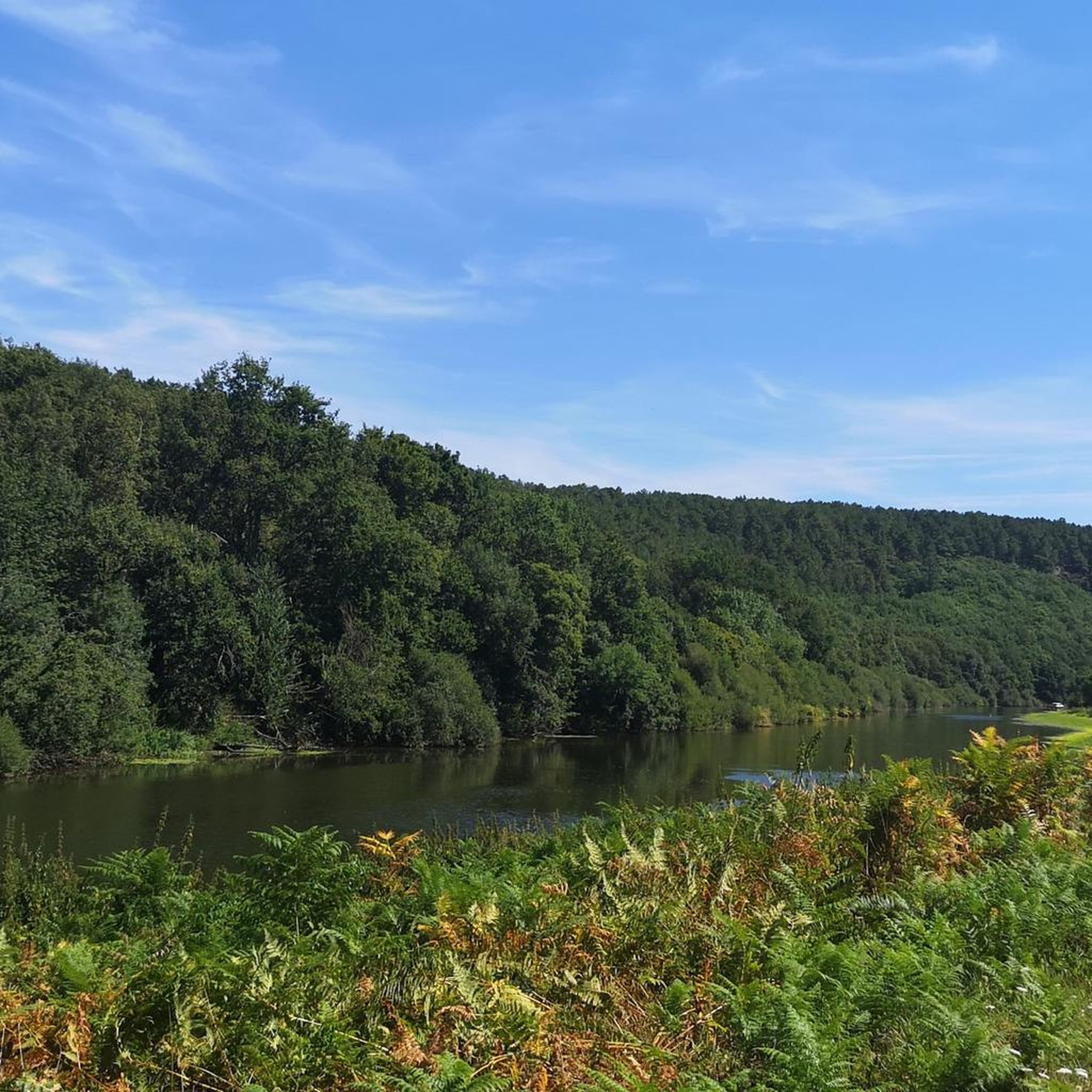
The cycle path along the Vilaine is truly a MUST! It runs directly along the river and has many locks. At each of the locks, there are beautifully maintained guardhouses, some of which are even kitsch. The cycle path doesn't stray more than 10 meters from the river and has a very well-maintained surface. I had the pleasure of following it for over 40 kilometers.
0
0

Redon has managed to retain its quiet, small-town character, despite its intense activity (and traffic). Following the floods of 2024, the campsite is closed. The pedestrian street is pleasant and not overcrowded with shops. Just what you need. A visit to the port is also a pleasant experience.
0
0

A "treidelpfad" (towpath) that runs alongside the river or canal's bed was an essential part of the transport infrastructure in earlier times. Before ships could be powered by motors, horses walked along the bank, pulling the boat against the current. This was called "treideln" (towing), and this is how the towpaths got their name, which has been passed down to this day. Where these paths, located directly along the bank, have been preserved, they are popular with hikers and cyclists.
0
0

Very nice hike. Please note, the indicated parking lot no longer exists, you must park near the football stadium
0
0

About 5000 years old row of stones with good explanation.
0
0

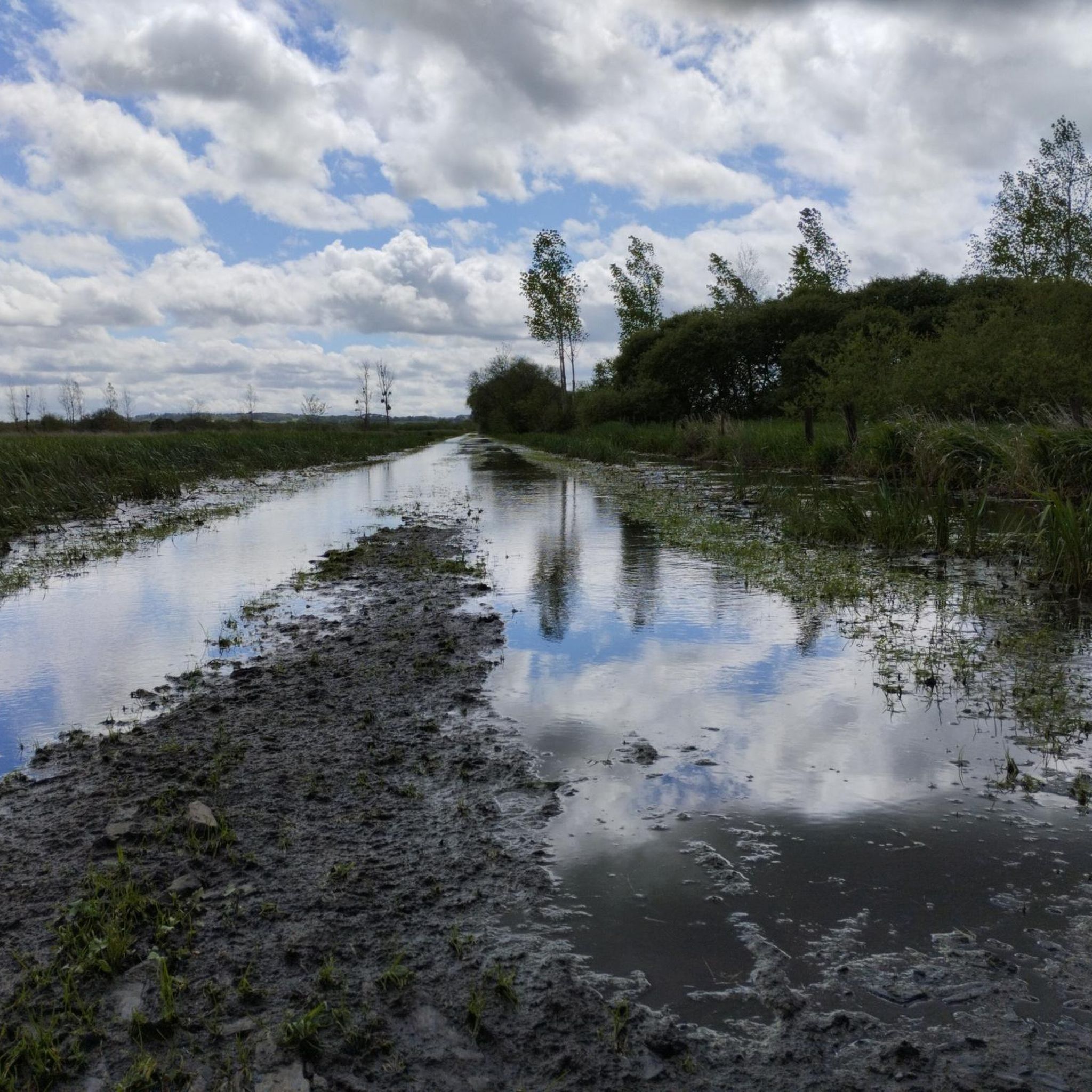
This path which runs along the banks of the Vilaine was built in the 18th century. At the time, it allowed barges to be pulled, most often by horses. It now allows you to cycle or walk in complete peace of mind!
1
0
Frequently Asked Questions
What historical sites can I explore in La Chapelle-de-Brain?
The region is rich in history. You can visit the ancient megalithic site of Alignments du Moulin, which dates back to around 4000 BC, predating the Egyptian pyramids. Another significant prehistoric site is The Fairy Cave of Tréal, a 15-meter-long tomb from between 2500 and 3500 BC. Additionally, the 19th-century Windmill of Tru and the reconstructed Maison Néolithique de La Chapelle de Brain offer glimpses into different historical periods.
Are there opportunities for cycling or walking along the river?
Yes, the Vilaine River forms the southern border of the commune and offers excellent paths. The Towpath along the Vilaine, originally built in the 18th century for barges, is now a popular route for cycling and walking in a peaceful environment. You can also enjoy the Vilaine Loop, a particularly scenic and wooded section of the river, accessible to all.
What natural features can I see around La Chapelle-de-Brain?
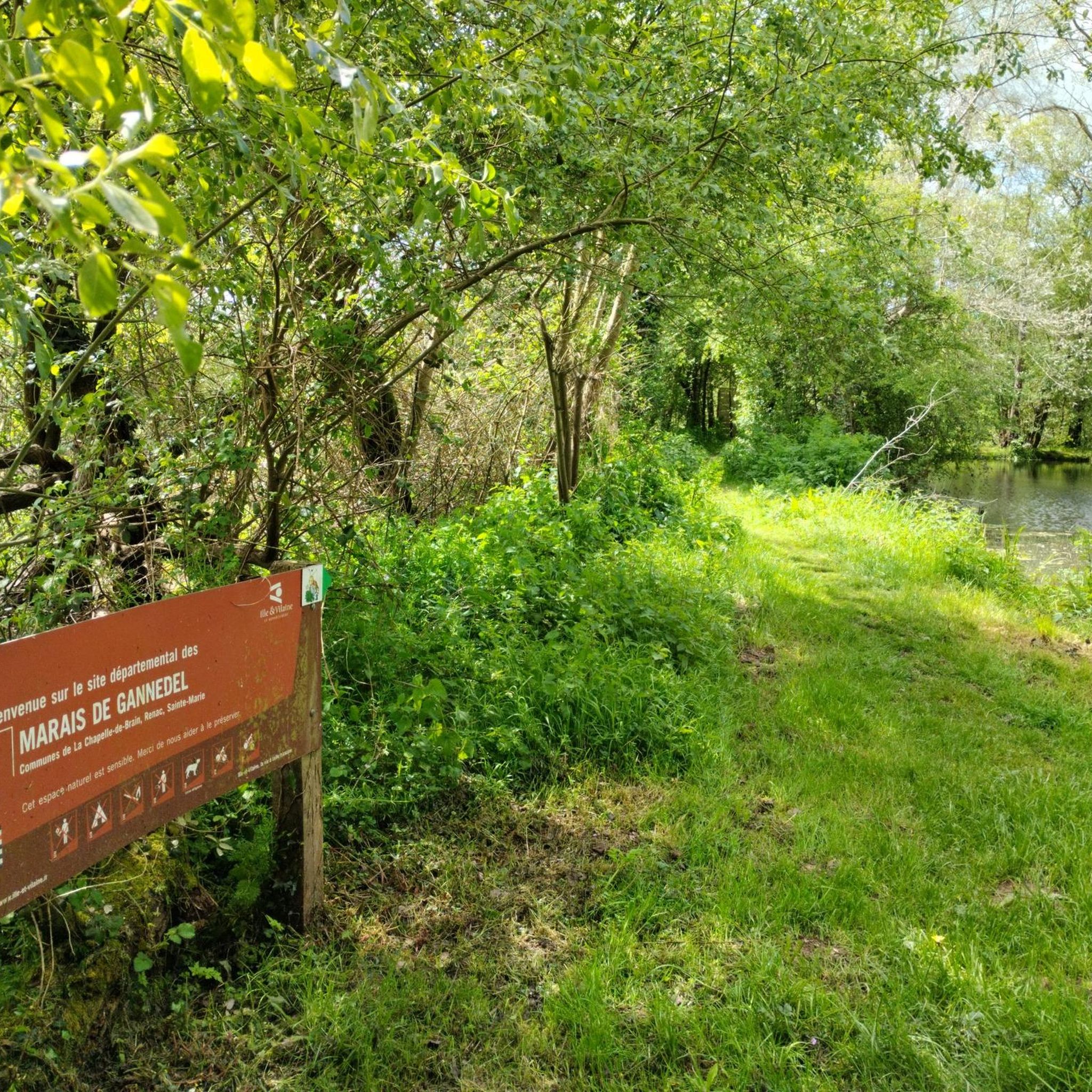
Nature lovers can explore the Gannedel Marsh, a sensitive natural zone spanning approximately 500 hectares, known for its eutrophic wetlands. The Vilaine River itself is a prominent natural feature, with its scenic banks and towpath. To the north, the Groupement Forestier du Tertre offers forested areas for exploration, and the unique Les Bellions de Fouesnard are large, erosion-resistant quartzite blocks suitable for climbing.
Where can I go hiking or running near these attractions?
There are several routes for outdoor activities. For hiking, consider the 'Marais de Gannedel loop from La Chapelle-de-Brain' or an 'easy Hiking loop from La Chapelle-de-Brain'. If you prefer running, the 'Vilaine River loop from La Chapelle-de-Brain' is a popular choice. You can find more details on these and other trails on the respective guide pages for Hiking around La Chapelle-De-Brain and Running Trails around La Chapelle-De-Brain.
Are there any family-friendly activities in La Chapelle-de-Brain?
Families can enjoy exploring the Alignments du Moulin, which is tagged as family-friendly. The reconstructed Maison Néolithique de La Chapelle de Brain offers an educational experience about the historical relationship between humans and nature. Additionally, the local markets and festivals, such as the weekly Sunday market or the
What is the historical significance of Redon?
Redon is a charming historic town located at the crossroads of western waterways. Founded in 832 with the Abbey of Saint-Sauveur, it prospered during the Middle Ages due to its strategic location on the Vilaine River, allowing trade goods to be transported inland. The town's history as a trading port is still evident in its old shipowners' houses and large harbor basin.
When is the best time to visit La Chapelle-de-Brain?
The region offers various attractions throughout the year. For cultural events, the
Are there local markets or festivals in La Chapelle-de-Brain?
Yes, La Chapelle-de-Brain hosts a weekly market every Sunday morning. Additionally, there are markets for local creators and producers on the first Sunday of each month from May to October. The
What are the Les Bellions de Fouesnard?
The Les Bellions de Fouesnard are unique natural formations consisting of large, chaotic arrangements of white quartzite blocks. These formations are resistant to erosion and are known to be suitable for climbing, offering an interesting natural challenge for visitors.
What do visitors enjoy most about the Vilaine River paths?
Visitors particularly enjoy the peaceful environment and the well-maintained surfaces of the paths along the Vilaine River. The Vilaine Loop is praised for being a particularly pretty and wooded section, accessible to all. The Towpath along the Vilaine is appreciated for allowing cycling or walking in complete tranquility, with many locks and beautifully maintained guardhouses along the way.
Are there any easy walking trails suitable for beginners or families?
Yes, for those seeking an easier stroll, there is an 'easy Hiking loop from La Chapelle-de-Brain' which covers a distance of approximately 7.6 kilometers. This trail is suitable for beginners or families looking for a relaxed outdoor experience. More details can be found on the Hiking around La Chapelle-De-Brain guide page.
Most popular routes around La Chapelle-De-Brain

Get inspired with the komoot mobile app


Explore more
Still not found the Highlight you’re looking for? See guides of the top attractions in other regions:
