Attractions and Places To See around Saint-Estèphe - Top 16
Best attractions and places to see around Saint-Estèphe include a blend of viticultural heritage, historical sites, and natural beauty within the Gironde department of Nouvelle-Aquitaine, France. This renowned wine-producing commune is famous for its Médoc appellation and its location along the Gironde Estuary. Visitors can explore over 16 hidden gems, from vast vineyards to historical churches and natural landscapes. The region offers diverse experiences for those interested in wine, history, and outdoor activities.
Best attractions and places to see around…
Last updated: July 16, 2026
Market and Saint-Saturnin Church of Braud-et-Saint-Louis
Highlight • Religious Site
Translated by Google •
Tip by

The Belt – canals and wet meadows
Highlight • Natural
Tip by

Sign up now to discover places like this
Get recommendations on the best single tracks, peaks, & plenty of other exciting outdoor places.
Sign up for free
Nice track on the dikes
Highlight (Segment) • Other
Tip by
Port of Saint-Christoly-Médoc
Highlight • Structure
Translated by Google •
Tip by

Vitrezay Nature Centre
Highlight • Other
Translated by Google •
Tip by
Sign up for free to discover even more attractions around Saint-Estèphe.
Sign up for free
Already have an account?
Start today with a free account
Your next adventure awaits.
Login or Signup

Tips from the Community

There's room for a break with a drink and a snack. Or an ice cream. It sounds commercial, but it can be very useful information in high summer temperatures.
0
0
Opposite the church, you'll find a small supermarket, public restrooms, and drinking water. Always interesting.
0
0

The Saint-Saturnin Church was built in 1898 after the previous church was destroyed during the French Revolution. Near the church stands the Column of the Shipwrecked, an ex-voto erected by Nordic sailors who survived a shipwreck in the early 17th century. Located on the right bank of the Gironde River, Europe's largest estuary, the town owes its wealth of infrastructure and sports facilities to the presence of the Blayais National Park. In the heart of the marshland, its territory boasts typical wetland landscapes, home to exceptional flora and fauna. Discover it on bike rides or by visiting the "Terres d'oiseaux" bird park, next to the port of Callonges. A major producer of asparagus from Blayais, but also a wine-growing commune located in one of the largest vineyards in the world, Bordeaux, Braud-et-Saint-Louis also borders the appellations of cognac and pineau des Charentes.
0
0

Nice track, be careful there is no protection against the wind or the sun ;)
0
0

This church is quite recent (19th century) because it was built following the destruction of the village parish during the Revolution. However, its architecture is worthy of interest when passing through the charming town of Braud-et-Saint-Louis.
1
0

A beautiful cycle path that runs along the river on the dikes. There are lovely views of the surrounding coastline.
1
0

Sanctus Saturninus de Brau is the name found in the 14th century. Braud would be an abbreviation of Beraud, Saintonge form of the Germanic name Beroald, which means Old Lord. Based on the form "Embrand" which formerly would have designated this locality. Several possible etymologies of Braud The name Braud could also come from the Gascon Braou which means Bull, a sign that this form of cattle was raised in the swamps. Commune formed from the union of two former parishes: Braud, from old French "Brai", mud, marshy place and St Louis, parish founded by the Duke of St Simon in 1656 and included in the commune of Braud in 1802. Origin of the name of the municipality of Braud and Saint Louis Braud would come from beraud, Saintonge form of the Germanic name berard, old lord" or from the Gascon braou, "bull", a sign that these cattle were raised in the swamps or even from the old French brai, "mud", "swampy place". The parish of Braud is cited under the name of Sanctus Saturninus (Saint Saturnin) of Braud. The drying out of the marshes, in the 17th century, on the initiative of the Duke Claude de Saint Simon, governor of Blaye, was to make it possible to transform the marshes into "good nature of arable land" and create villages. The draining finished, the plots are allocated, the smallholdings appear. The number of inhabitants encouraged the Duke of Saint Simon to found two parishes: the parish of Saint Louis (all the part of the large marsh located between the Gironde and the ring canal, between the Clonges canal and that of Fréneau), in l honor of the King of France and that of Saint Simon. The church, the presbytery and the cemetery built between 1665 and 1667 were destroyed during the Revolution of 1789. Rebuilt in 1895 in a neo-Gothic style and on a new north-south orientation, it is located north of the town of Braud -and-Saint-Louis. The spire of the bell tower culminates at 37 meters in height. After the Revolution, the parish of Saint Saturnin de Braud and the parish of Saint Louis des Marais were united to form the municipality of Braud and Saint Louis. THE CROSS OF SAINT LOUIS A cross found in the attic of the presbytery of Braud was erected at a place called "La Chapelle", near Fréneau, during a procession in June 1915, thus indicating the location of the disappeared church. This cross is visible from the road leading to the nuclear power plant, on the left, 4 km from the Paillerie roundabout.
1
0
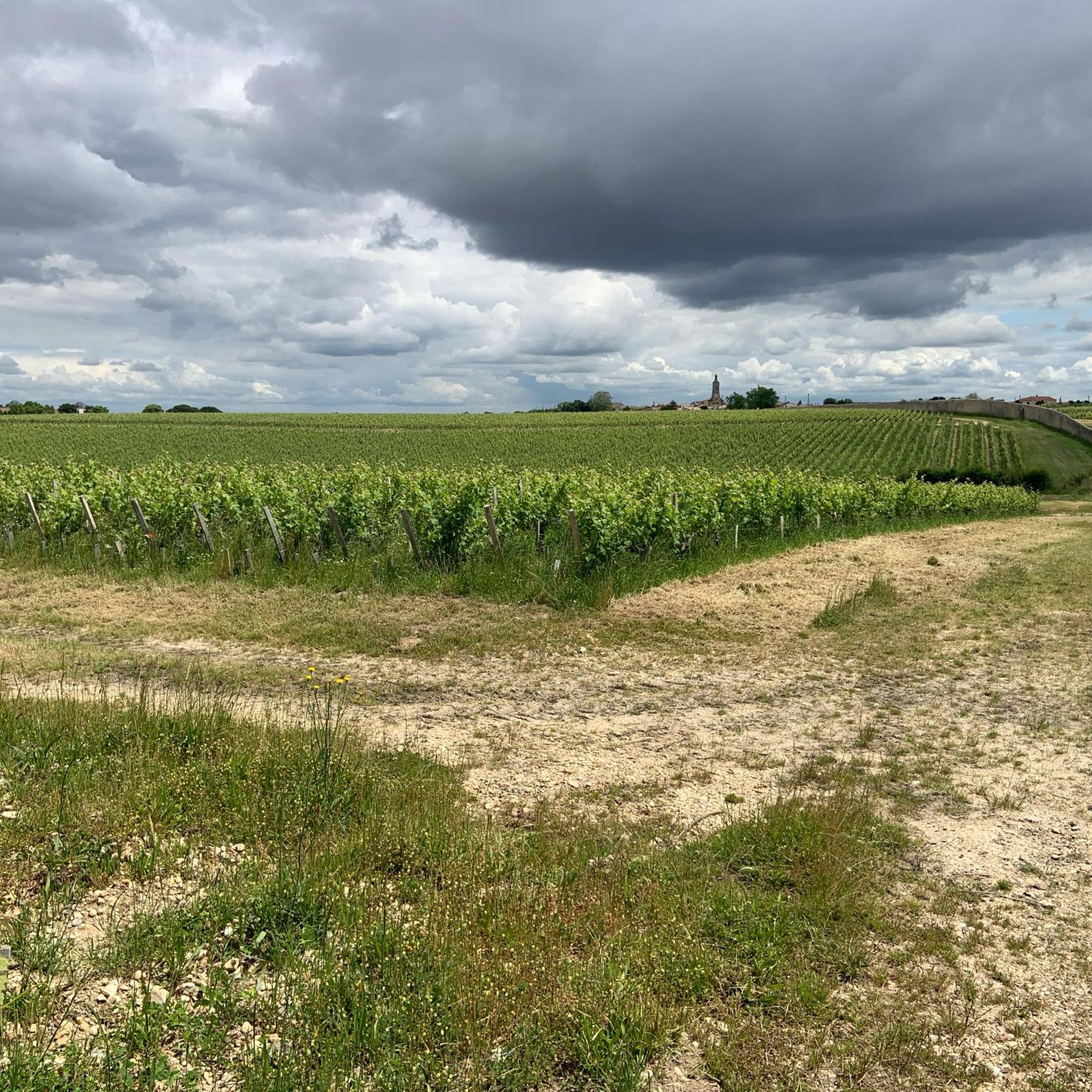
Established on a migration route and in the heart of the wet meadows as well as the drainage canals that run along the Gironde estuary, these areas are frequented by multiple varieties of birds: little egret, crested merganser, purple heron, black kite , kingfisher, shelduck, black scoter, marsh harrier and others come to nest, winter or reproduce there.
1
0
Frequently Asked Questions
What natural attractions can I explore around Saint-Estèphe?
The region offers several natural highlights. You can explore The Belt – canals and wet meadows, which are rich in diverse birdlife, or enjoy the serene views along the Gironde Estuary, known for its marshland landscapes and traditional fishing huts. The vast vineyards themselves are a dominant natural feature, ideal for walking or cycling.
Are there any historical or cultural sites to visit in Saint-Estèphe?
Yes, Saint-Estèphe is rich in history. The Market and Saint-Saturnin Church of Braud-et-Saint-Louis, though rebuilt in the 19th century, offers interesting architecture. The Saint-Estèphe Parish Church, originally 11th-century Romanesque and later rebuilt in Baroque style, houses significant religious art. You can also discover the historical Five Fountains of Saint-Estèphe and ancient vineyard huts.
What kind of outdoor activities can I do near Saint-Estèphe's attractions?
Saint-Estèphe is excellent for outdoor enthusiasts. You can enjoy cycling on the Nice track on the dikes, which offers great views of the coastal scenery. There are also numerous opportunities for hiking and cycling through the vineyards and along the dikes and wetland areas. For more structured routes, you can find various MTB Trails, Running Trails, and Road Cycling Routes in the area.
Are there family-friendly attractions around Saint-Estèphe?
Absolutely. The Pond of Saint-Estèphe (Grand Leisure Center Pond) is a great spot for families, offering a sandy beach, supervised swimming, canoeing, and pedal boating. It also has a fitness trail with fun workshops. The Belt – canals and wet meadows is also family-friendly, providing opportunities to observe diverse wildlife.
Where can I experience the local wine culture?
Saint-Estèphe is world-renowned for its wine. The region is home to numerous prestigious wineries, including Grand Crus like Château Cos d'Estournel, Château Montrose, and Château Calon Ségur. Many châteaux offer guided tours and tastings, providing deep insights into the winemaking process and the region's viticultural heritage. Walking or cycling through the vast vineyards is also a great way to experience the local terroir.
What is the best time to visit Saint-Estèphe for outdoor activities and sightseeing?
The best time to visit Saint-Estèphe for outdoor activities and sightseeing is generally during spring (April to June) and early autumn (September to October). During these periods, the weather is pleasant for exploring vineyards, cycling, and hiking, and you can often witness the beauty of blooming vines or the grape harvest.
Are there any unique viewpoints or scenic spots in the area?
Yes, the Nice track on the dikes offers expansive views of the surrounding coastline and the Gironde Estuary. The 'river road' along the estuary also provides unique serene views and opportunities to see traditional wooden shrimp fishing huts on stilts. The Port of Saint-Christoly-Médoc also offers lovely views of the Gironde.
What are some lesser-known or 'hidden gems' in Saint-Estèphe?
Beyond the famous châteaux, consider visiting the Five Fountains of Saint-Estèphe, which were historically significant social gathering points. You can also seek out the ancient vineyard huts, such as the well-preserved example at Ormes de Pez, which offer a glimpse into the region's past viticultural practices.
Can I observe wildlife in Saint-Estèphe?
Yes, the marshland areas along the Gironde Estuary and places like The Belt – canals and wet meadows are excellent for wildlife observation. These areas are on a migration route and frequented by multiple varieties of birds, including little egrets, purple herons, kingfishers, and marsh harriers.
Are there any nearby attractions worth visiting outside of Saint-Estèphe itself?
A short distance away, you can visit the Vitrezay Nature Centre, which focuses on environmental education and offers trolley excursions. Another excellent option is Terres d'Oiseaux (Bird Park) near the port of Callonges, a great place to observe exceptional flora and fauna in the marshland landscapes.
What do visitors enjoy most about the attractions around Saint-Estèphe?
Visitors particularly appreciate the scenic paths like the Nice track on the dikes for their great views. The natural areas like The Belt – canals and wet meadows are valued for their wildlife. Many also enjoy the charm and dining options at places like the Port of Saint-Christoly-Médoc, often highlighting the unique price/performance ratio of local restaurants.

Get inspired with the komoot mobile app


Explore more
Still not found the Highlight you’re looking for? See guides of the top attractions in other regions:
