The best walks and hikes around Cuves
4.5
(66)
311
hikers
52
hikes
Hiking around Cuves offers a network of trails through rural landscapes, characterized by forest paths and gentle elevations. The region provides opportunities to explore natural features and local villages. Hikers can expect varied terrain suitable for different experience levels, with routes traversing woodlands and open countryside.
Best hiking trails around Cuves
- The most popular hiking route is Hameau Les Nouettes – Montjoie Wood loop from Saint-Pois, a 8.2 miles (13.2 km) trail that takes 3 hours 35 minutes to…
Last updated: May 8, 2026
3.5
(4)
12
hikers
13.1km
03:37
230m
230m
Moderate hike. Good fitness required. Easily-accessible paths. Suitable for all skill levels.
4.0
(1)
4
hikers
28.5km
07:51
470m
470m
Hard hike. Very good fitness required. Easily-accessible paths. Suitable for all skill levels.

Sign up for free
5.0
(1)
9
hikers
8.98km
02:35
220m
220m
Moderate hike. Good fitness required. Easily-accessible paths. Suitable for all skill levels.
5
hikers
7.71km
02:04
90m
90m
Moderate hike. Good fitness required. Easily-accessible paths. Suitable for all skill levels.
4.0
(2)
7
hikers
4.53km
01:20
130m
130m
Easy hike. Great for any fitness level. Easily-accessible paths. Suitable for all skill levels.
Get access to more routes and recommendations from other explorers.
Sign up for free
Already have an account?
Our route recommendations are based on thousands of hikes, rides, and runs completed by other people on komoot.
Start today with a free account
Your next adventure awaits.
Login or Signup


Tips from the Community

To get to know Saint Claire, honored here with a statue, we must, geographically speaking, travel from the Manche region, south over the Alps, to the Italian region of Umbria, and, in chronological terms, return to the 13th century. "Santa Chiara" (usually referred to in German as "Clare of Assisi") from that city is the second great figure in Christianity, alongside "San Francesco." While the men who gathered around Francis proclaimed the Word of God as preachers, Claire and her fellow sisters lived in seclusion in a convent near the Church of San Damiano, outside the gates of the city of Assisi. Clara was born in (or around) the year 1193 and died in 1253. Her general feast day in the calendar of saints is the day of her death, August 11, in all major Christian denominations. There are also regional or order-specific feast days.
0
0
The small church that hikers encounter north of Saint-Michel-de-Montjoie is built of the stone typical of this region. A look inside the chapel reveals that the apse houses not just one statue (often either a cross or the saint chosen as patron), but five. + Centrally located and slightly elevated, we see the Virgin Mary holding her son Jesus in her arms. Both are facing the viewer and wear a crown. + To the left of the viewer, but to the right of the Madonna, and thus in a place of honor, we find her fiancé, Saint Joseph, Jesus' foster father. + Next to him, we encounter the Archangel Michael, who, with his spear, slays a dragon lying at his feet – always the symbol of evil in Christian iconography. + On the other side of Mary stands the Apostle Peter, to whom, according to the Gospel accounts, Christ entrusted the keys of the Kingdom of Heaven. + On the far right from the viewer's perspective is another saint, whose name I unfortunately cannot identify. However, his dark habit identifies him as a member of a religious order.
0
0
The small church that bikers encounter north of Saint-Michel-de-Montjoie is built of the stone typical of this region. A look inside the chapel reveals that the apse houses not just one statue (often either a cross or the saint chosen as patron), but five. + Centrally located and slightly elevated, we see the Virgin Mary holding her son Jesus in her arms. Both are facing the viewer and wear a crown. + To the left of the viewer, but to the right of the Madonna, and thus in a place of honor, we find her fiancé, Saint Joseph, Jesus' foster father. + Next to him, we encounter the Archangel Michael, who, with his spear, slays a dragon lying at his feet – always the symbol of evil in Christian iconography. + + On the other side of Mary stands the Apostle Peter, to whom, according to the Gospel accounts, Christ entrusted the keys of the Kingdom of Heaven. + On the far right from the viewer's perspective is another saint, whose name I unfortunately cannot identify. However, his dark habit identifies him as a member of a religious order.
0
0

Beautiful cemetery with a beautiful church
1
0

The river offers a "paradise" for bird watching, mainly in summer.
1
0
There is a beautifully designed cemetery around the village church.
2
0

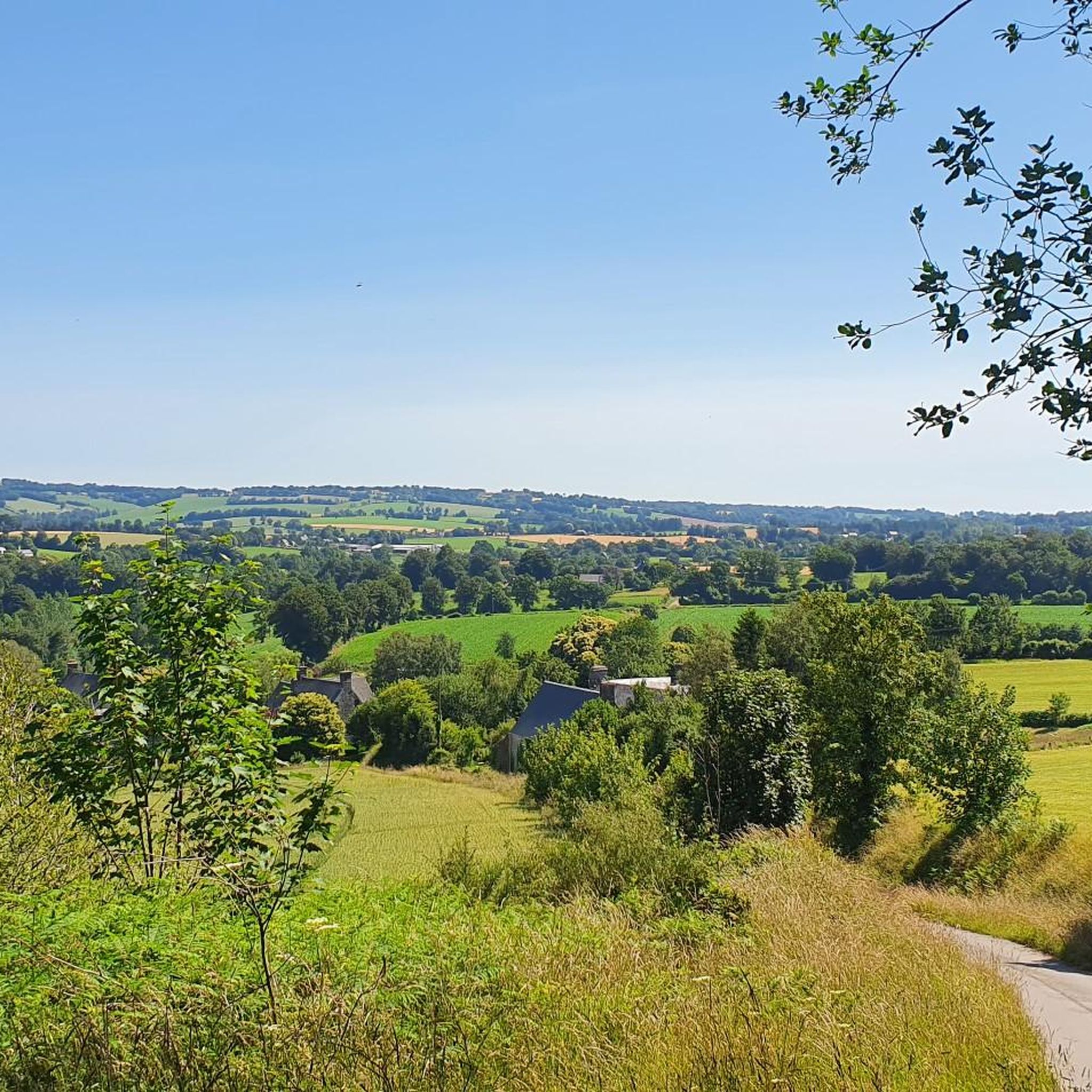
To the north-west of Petit-Celland, this road on the blue rectangle route linking Vire to Genêts offers a lovely view of the Sée valley. The trees that punctuate it provide significant shade for your summer walks.
1
0
Very sparsely populated, this town nevertheless has several attractions, starting with its pretty belvedere from the church. Further north is also the charming little chapel of Nouettes. But the emblematic place of the village is most certainly the park-museum of granite. In the first half of the 20th century, a hundred quarries were exploited on the municipal territory. No wonder Saint-Michel-de-Montjoie was chosen to host this museum which traces the history of the region's granite, Bleu de Vire.
3
0
Frequently Asked Questions
How many hiking trails are available around Cuves?
There are over 50 hiking trails documented around Cuves, offering a wide range of options for different skill levels and preferences. You'll find everything from easy strolls to more challenging, longer routes.
What kind of landscapes can I expect to see while hiking near Cuves?
The area around Cuves, particularly in the Manche region of Normandy, is characterized by diverse landscapes. You can expect to traverse wooded countryside, follow rivers, and wind through rural roads. The broader region is known for its marshland and the scenic Vire valley, offering a rich natural environment for exploration.
Are there any easy hiking trails suitable for beginners or families?
Yes, Cuves offers several easy hiking trails. For example, the Saint-Louis Church – Le Glanon loop from Saint-Pois is an easy 4.5 km route that takes just over an hour, making it ideal for a relaxed outing. In total, there are over 20 easy routes to choose from.
What are some of the longer or more challenging hikes around Cuves?
For those seeking a more challenging experience, the Bois de Reffuveille loop from Les Cresnays is a difficult 28.5 km route with significant elevation gain, typically taking around 7 hours to complete. There are over 30 moderate to difficult routes available for experienced hikers.
Are there any circular walks available near Cuves?
Many of the trails around Cuves are designed as circular routes, allowing you to start and end at the same point. Examples include the Hameau Les Nouettes – Montjoie Wood loop from Saint-Pois and the Le Glanon – Saint-Pois Castle loop from Saint-Pois, both offering convenient round trips through varied scenery.
What natural attractions or landmarks can I see along the hiking trails?
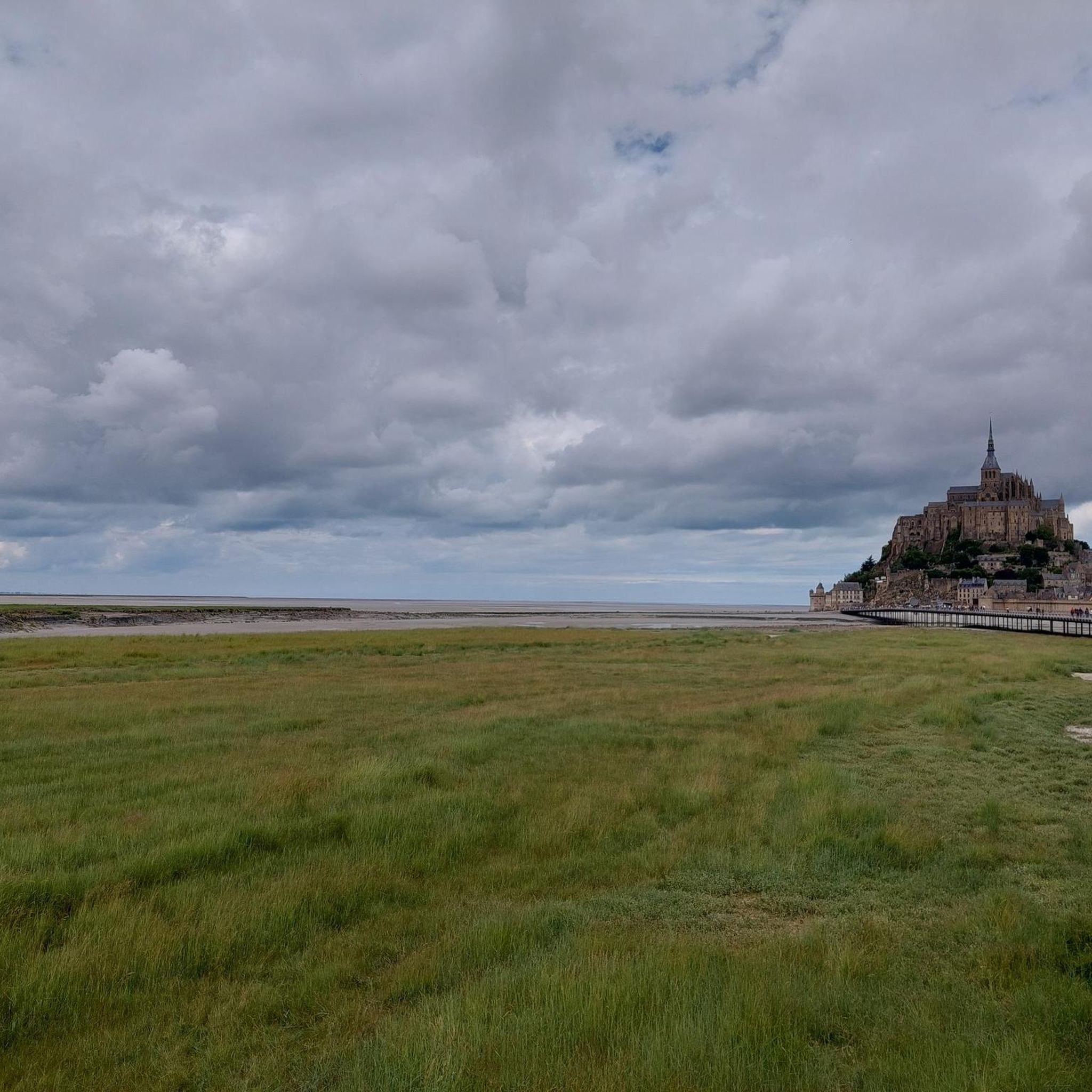
While hiking around Cuves, you can discover several natural and historical points of interest. Notable natural features include Lac du Gast and the Hameau Les Nouettes. The region is also close to the iconic Mont-Saint-Michel, and the broader Normandy area features sites like La Grande Cascade and the Forêt de Saint-Sever, offering diverse natural beauty.
What do other hikers say about the trails around Cuves?
The hiking trails around Cuves are highly regarded by the komoot community, with an average rating of 4.5 out of 5 stars. Hikers often praise the peacefulness of the wooded areas, the well-maintained paths, and the opportunity to explore the charming Norman countryside.
Is Cuves in Normandy the only region with this name that offers hiking?
No, the name 'Cuves' appears in several locations across France, each offering unique hiking experiences. While this guide focuses on Cuves in Manche, Normandy, there's also Saut des Cuves in the Vosges Mountains, famous for its spectacular waterfalls, and Cuves in Haute-Marne, known for its green landscapes and local trails. The characteristics described in this guide pertain specifically to the Cuves area in Normandy.
Are there any specific routes that pass by water features like lakes or rivers?
Yes, the region's landscape includes various water features. The Pisciculture loop from Brécey is an example of a route that incorporates local water elements. Additionally, the broader area features the Sée river and several lakes like Lac du Gast and Étang de Coulanges, which can be explored via nearby trails.
What is the best time of year to go hiking in Cuves?
The diverse landscapes around Cuves make it suitable for hiking throughout much of the year. Spring and autumn offer pleasant temperatures and beautiful scenery, with vibrant foliage or blooming wildflowers. Summer is also popular, especially for trails that pass through forests, providing welcome shade. Winter hikes are possible, though conditions may vary.
Are there any historical sites or cultural points of interest near the hiking routes?
Beyond natural beauty, the region offers cultural insights. For instance, the Chapelle des Nouettes is a notable religious building. The area is also close to Saint-Michel-de-Montjoie, a charming settlement that adds to the historical context of your hike.
Most popular attractions around Cuves

Get inspired with the komoot mobile app


Explore more
Browse the best Hikes in other regions.
