The best road cycling routes around Pieusse
4.6
(66)
2,120
riders
152
rides
Road cycling around Pieusse is characterized by rolling vineyards, quiet country roads, and views extending towards the Pyrenees mountains. The region's strategic location on a knoll provides diverse terrain, including gentle vineyard loops and more challenging climbs into the Pyrenean foothills. Cyclists can explore the Aude River valley and the expansive Razès Valley, offering varied landscapes for road biking. The area features a network of roads with minimal traffic.
Best road cycling routes around Pieusse
- The most popular road cycling…
Last updated: October 7, 2026
4.0
(1)
80
riders
55.1km
02:18
400m
400m
Moderate road ride. Good fitness required. Mostly well-paved surfaces and easy to ride.
4.0
(1)
27
riders
45.8km
01:56
360m
360m
Moderate road ride. Good fitness required. Mostly well-paved surfaces and easy to ride.

15
riders
95.8km
04:29
1,220m
1,220m
Hard road ride. Very good fitness required. Mostly well-paved surfaces and easy to ride.
5.0
(1)
20
riders
Moderate road ride. Good fitness required. Mostly well-paved surfaces and easy to ride.
13
riders
81.4km
04:24
970m
970m
Hard road ride. Very good fitness required. Some segments of this route may be unpaved and difficult to ride.
Get access to more routes and recommendations from other explorers.
Already have an account?
Our route recommendations are based on thousands of hikes, rides, and runs completed by other people on komoot.
Start today with a free account
Your next adventure awaits.



Tips from the Community

The ramparts of Carcassonne were built in several stages over more than a millennium by the Romans (3rd-4th centuries), the viscounts Trencavel (12th century), and then the kings of France (13th century). The ensemble was then extensively restored in the 19th century by the architect Eugène Viollet-le-Duc.
0
0
The ramparts of Carcassonne were built in several stages over more than a millennium by the Romans (3rd-4th centuries), the Trencavel viscounts (12th century), and then the kings of France (13th century). The complex was then largely restored in the 19th century by the architect Eugène Viollet-le-Duc.
0
0
The ramparts of Carcassonne were built in several stages over more than a millennium by the Romans (3rd-4th centuries), the viscounts Trencavel (12th century), and then the kings of France (13th century). The entire complex was then extensively restored in the 19th century by the architect Eugène Viollet-le-Duc.
0
0
The Chemin des Anglais in Carcassonne leads directly to the eastern outskirts of the Cité de Carcassonne, stopping near the drawbridge and the famous Porte Narbonnaise.
0
0

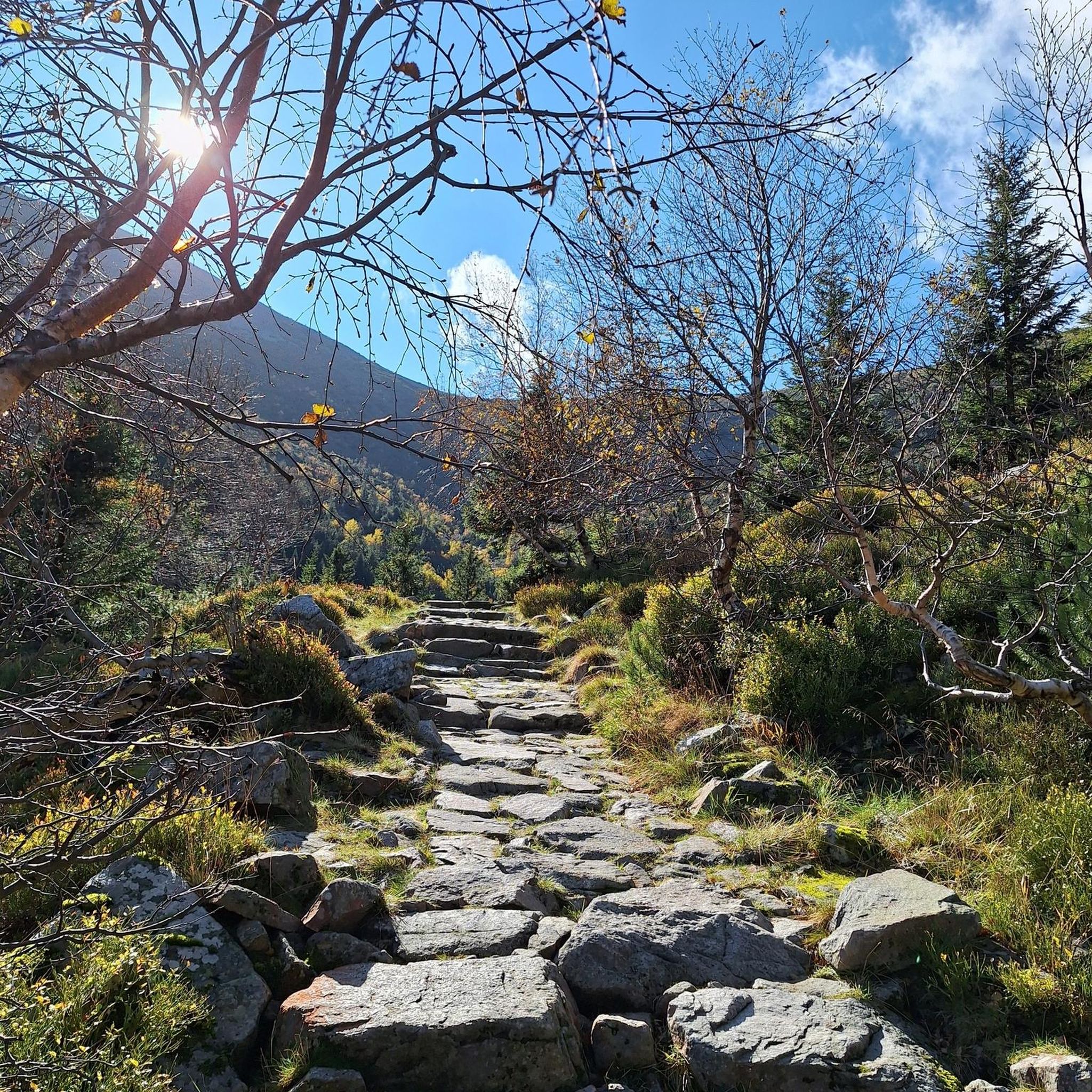
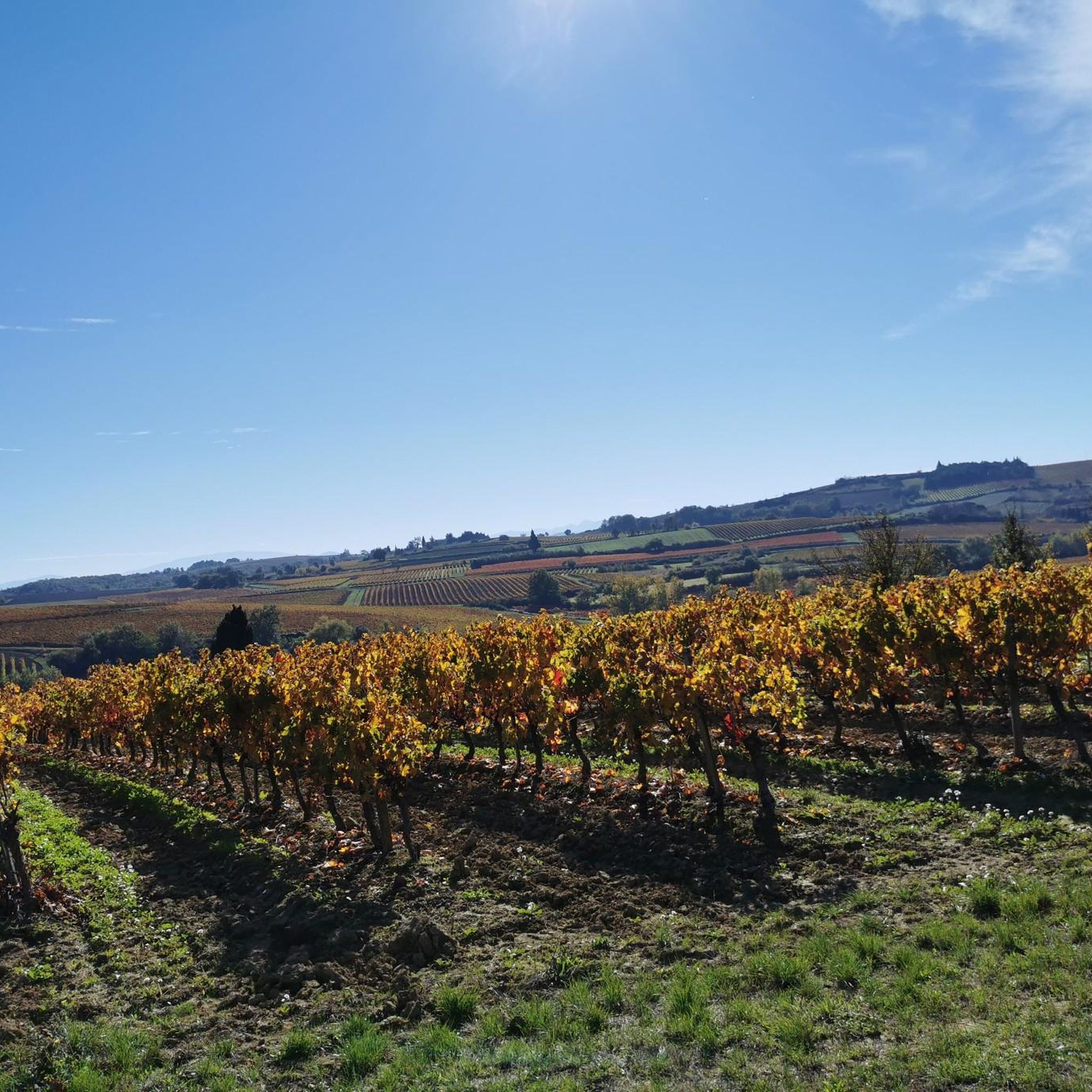
wonderfully beautiful landscape here
0
0

"Carcassonne, located in southern France between Montpellier and Toulouse, was founded in the 6th century BC by Iberian Celts. The Romans transformed the hill into a fort by building a defensive wall. In the 5th century, the Visigoths conquered the city, followed by the Arabs in the 8th century, who were expelled by Pepin the Short in 759. In the 12th century, Count Trencavel built a castle on top of the Roman city wall at the highest point of the hill. Carcassonne became a central element in the defense system on France's border with Aragon. In the mid-13th century, the dilapidated wall was protected by a second, outer city wall." This is how the website for the television series "Treasures of the World – Heritage of Humanity" describes the city, which is a UNESCO World Heritage Site. ... The 15-minute film is available – but only in German – in the ARD media library at the following link => https://www.ardmediathek.de/video/schaetze-der-welt/carcassonne-frankreich-folge-125/swr/Y3JpZDovL3N3ci5kZS83MTc1NzUw
0
0

For years I have been passing by you, you whose age is immeasurable. Some would call you venerable (I will have to look up the dictionary to determine whether or not I am included in this group). What I do know is that you existed long before me, and I hope you will exist long after me.
1
0

House with a special appearance in the heart of the village
0
0
Frequently Asked Questions
How many road cycling routes are available around Pieusse?
There are over 130 road cycling routes available around Pieusse, offering a wide variety of options for different skill levels and preferences. The komoot community has explored these routes extensively, with over 2,000 road cyclists using komoot to discover the area.
What are the typical difficulty levels for road cycling routes in Pieusse?
The routes around Pieusse cater to various abilities. You'll find approximately 20 easy routes, 74 moderate routes, and 43 difficult routes. This range allows cyclists to choose anything from gentle spins through vineyards to challenging climbs into the Pyrenean foothills.
What kind of terrain can I expect on road cycling routes near Pieusse?
Road cycling near Pieusse is characterized by rolling vineyards, quiet country roads, and stunning views that stretch towards the Pyrenees mountains. You'll navigate diverse terrain, including the expansive Razès Valley and the picturesque Aude River valley, with minimal traffic enhancing the cycling experience.
When is the best time of year to go road cycling in Pieusse?
The region around Pieusse generally offers pleasant conditions for road cycling for much of the year. Spring and autumn are often ideal, with milder temperatures and beautiful scenery as the vineyards change color. Summers can be warm, but early mornings or late afternoons are still excellent for rides.
Are there any circular road cycling routes available?
Yes, many of the road cycling routes around Pieusse are designed as loops, allowing you to start and finish in the same location. For example, the challenging Loop of Limoux and the moderate Festes Pass – Tougnets Pass loop from Limoux are popular circular options.
What scenic viewpoints can I discover while cycling near Pieusse?
Cyclists can enjoy numerous scenic viewpoints. Pieusse itself is situated on a knoll, offering commanding views of the Aude River and the Razès Valley. Routes often provide distant vistas of the Pyrenees. For a specific viewpoint, consider visiting Brau Peak, which offers panoramic views.
What natural features can I expect to see along the road cycling routes?
The routes are rich in natural beauty. You'll cycle through extensive rolling vineyards, particularly to the east of Pieusse, which are famous for producing Blanquette de Limoux. The Aude River and Razès Valley provide varied landscapes, and the distant Pyrenees form a dramatic backdrop. While not directly on cycling routes, nearby natural wonders include gorges like Gorges de l'Orbieu and Gorges de Galamus, and caves such as Gouffre de Cabrespine.
Are there any historical or cultural landmarks to explore near the cycling routes?
Absolutely. Pieusse itself has historical charm, including the 14th-century Church of Saint-Genest and a 15th-century Gothic oratory. The village also features the Château de Pieusse. Nearby, you can visit the Our Lady of Marceille, or explore the historic town of Limoux, known for its markets. The medieval fortress-town of Carcassonne is also only 18 km away, offering a significant cultural excursion.
Are there any family-friendly road cycling routes in Pieusse?
While specific 'family-friendly' road cycling routes are not explicitly categorized, the region's quiet country lanes and vineyard loops offer less challenging terrain suitable for families with older children or those seeking a relaxed ride. Look for routes marked as 'easy' or 'moderate' for a more leisurely experience.
Where can I find parking for cyclists in Pieusse?
Pieusse is a small village, and parking is generally available within the village itself, often near the central areas or public spaces. As traffic is minimal, finding a suitable spot to park your vehicle before starting your ride should not be an issue.
What do other road cyclists enjoy the most about road cycling in Pieusse?
The area is highly rated by the komoot community, with an average score of 4.7 stars from over 40 reviews. Reviewers often praise the quiet roads, the stunning views of the vineyards and distant Pyrenees, and the diverse terrain that offers both relaxed rides and challenging climbs.
Are there any cafes or pubs suitable for cyclists in Pieusse or nearby towns?
Pieusse itself is a small village, but you'll find amenities in nearby towns. Limoux, just 3 km away, offers a wider selection of cafes, restaurants, and pubs where cyclists can refuel and relax. Many local wineries, such as Domaine de Fourn, also offer tasting experiences.
Can I reach Pieusse by public transport with my bicycle?
While direct public transport options to Pieusse that accommodate bicycles might be limited, Limoux, a larger town just 3 km away, is better connected. From Limoux, you can cycle to Pieusse. It's advisable to check local bus or train services for their bicycle policies in advance if planning to use public transport.
Most popular attractions around Pieusse

Get inspired with the komoot mobile app


Explore more
Browse the best Road cycling routes in other regions.
