The best road cycling routes around Bourth
4.6
(62)
687
riders
29
rides
Road cycling routes around Bourth present a varied terrain, offering options for different fitness levels. The area is characterized by a mix of landscapes, including verdant countryside, ponds, and rivers such as the Iton. The Bourth cycling terrain features mostly well-paved surfaces, with some routes incorporating varied elevation gains. This allows for both easy rides and more challenging options.
Best road cycling routes around Bourth
- The most popular road cycling route is Conturbie Pond – Saint-Pierre Church loop from Bourth…
Last updated: November 2, 2026
12
riders
77.2km
03:35
490m
490m
Moderate road ride. Good fitness required. Mostly well-paved surfaces and easy to ride.
5.0
(1)
11
riders
53.9km
02:18
220m
220m
Moderate road ride. Good fitness required. Mostly well-paved surfaces and easy to ride.

8
riders
68.2km
02:53
330m
330m
Moderate road ride. Good fitness required. Mostly well-paved surfaces and easy to ride.
4
riders
52.1km
02:10
280m
280m
Moderate road ride. Good fitness required. Mostly well-paved surfaces and easy to ride.
2
riders
33.9km
01:28
190m
190m
Easy road ride. Mostly well-paved surfaces and easy to ride.
Get access to more routes and recommendations from other explorers.
Already have an account?
Our route recommendations are based on thousands of hikes, rides, and runs completed by other people on komoot.
Start today with a free account
Your next adventure awaits.


Tips from the Community


In the center of Randonnai, the 16th-century Saint-Malo church, enlarged in 1836, houses several works classified as Historic Monuments, including a classical altarpiece with paintings of Saint Andrew and Saint Sebastian. Funeral slabs serve as threshold steps. Inside, a plaque commemorates the departure of Pierre Tremblay (whose birthplace is in La Filonnière) in 1647 for New France. He is the ancestor of the Tremblays of Quebec and North America.
0
0
This building was erected towards the end of the 15th century, on the former medieval fiefdom known since 1260 as the "Normandel Farm" and long owned by the Viron family. In the chapel dedicated to him, a beautiful 16th-century statue depicting Saint Firmin as a bishop and the magnificent white stone altarpiece, sculpted and ornamented in the purest Renaissance style, evoke the ardent faith of this evangelizer of Roman Gaul in the 3rd century. The current church, restored at the end of the 19th century in the style of the period after a long period of neglect, retains some traces of the old construction: the masonry of the rear wall overlooking the cemetery, with the remains of a small closed door and two buttresses of large rubble, and on the gable of the transept overlooking the road, a large Flamboyant Gothic window. The church of Normandel preserves other elements of great interest. In the chapel, on the right side, is a beautiful 16th-century polychrome stone Virgin and Child. Below the statue, a second stone altarpiece, finely carved and ornamented in the Renaissance style, shows, on one side, Mary seated near Jesus holding a chalice, and Joseph leaning on his cane, to whom the young John the Baptist appears to be bidding farewell before departing for the desert. In the nave, the large Christ on the cross, surrounded by Mary and Saint John, is moving in its sobriety: the outstretched arms of the crucified bear the full weight of our humanity, raising it to God. In the sacristy, an old fragment of an embroidered banner bears the image of Saint Firmin and the inscription "Charity of Normandel - 1513."
0
0
Since 1823, the commune's territory has united the former parish of La Trinité, which was under the bishopric of Chartres, and that of Beaulieu, under the bishopric of Evreux, located on either side of the Avre River, which marked the separation. The tall brick bell tower-porch was added in the 19th century to the older nave (15th-16th centuries?), rectangular in plan, whose wooden vault rests on an exposed roof frame. This modest rural church houses, as a counterpart to the Curé d'Ars, a 15th-century polychrome stone Virgin of exceptional artistic quality. The two sculpted doors of the sacristy come from La Trinité, as well as the engraved "flat tomb" attached to the nave wall. It dates from the 15th century. and the inscriptions are difficult to decipher: Jean Fillon, wearing a canon's hood and a chasuble, his hands clasped and his feet resting on two small dogs, is depicted in a Gothic setting with two angels, silhouettes of altar boys, and canons. Near the baptismal font decorated with three fleurs-de-lis is a large painting of Saint Gilles the hermit, with the doe lying at his feet. A beautiful series of stained-glass windows from the early 20th century illustrate scenes from the New Testament, and two others show Joan of Arc at the king's coronation in Reims, then taking communion in her prison before being led to the stake.
0
0
12th century building constructed from limestone and flint. The sacristy was added in the 18th century and the porch in the 19th century. When the villages of Chaise-Dieu and Le Theil merged, this building was chosen as the parish church for the commune.
0
0
The church of Chéronvilliers has been listed as a historical monument since April 24, 1953. The protection covers the entire building (interior and exterior). This building contributes to the beauty of the Eure landscapes and the richness of France's heritage. Over the centuries, the buildings, which have been grafted or agglomerated in the surrounding area, have been built within the framework of a social structure: the parish. These buildings constitute references in terms of local architecture, because they are often made with local materials: tiles or slates (from the 19th century), stones (flint, Grison, Seine Valley, sandstone, etc.), bricks or cob, lime plaster and nearby sand or earth. This gives colors that often range from beige to brown or red, and volumes perfectly suited to the Normandy climate (roof slopes, etc.). These churches have been the subject of specific analysis work because their surroundings are not completely urbanized. The empty spaces or breathing spaces located nearby help to preserve their setting. The site of the church is very interesting because, located in a very diffuse urban fabric, it opens onto the agricultural plots and offers beautiful views, particularly from the RD 21 to the south. These spaces must be preserved.
0
0

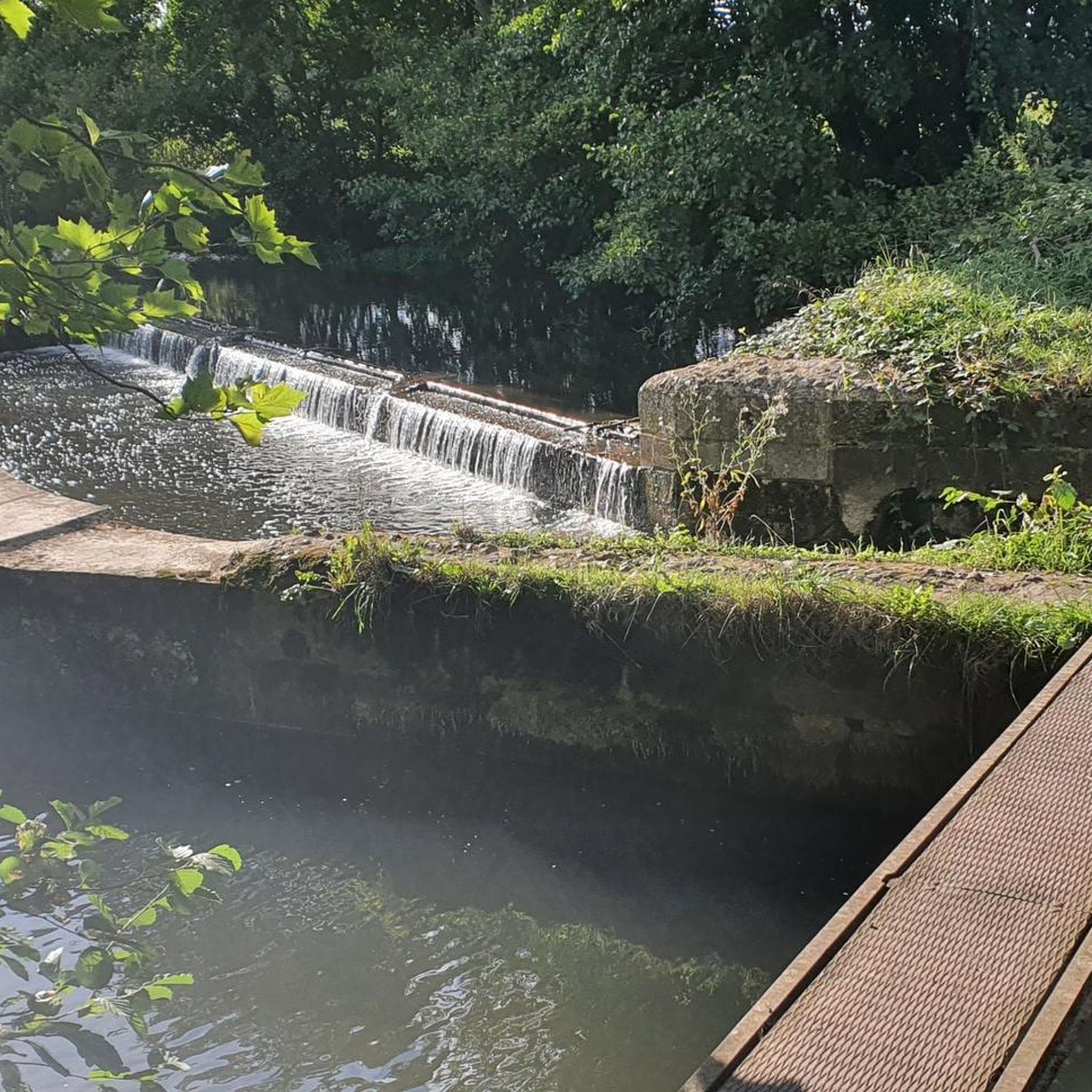
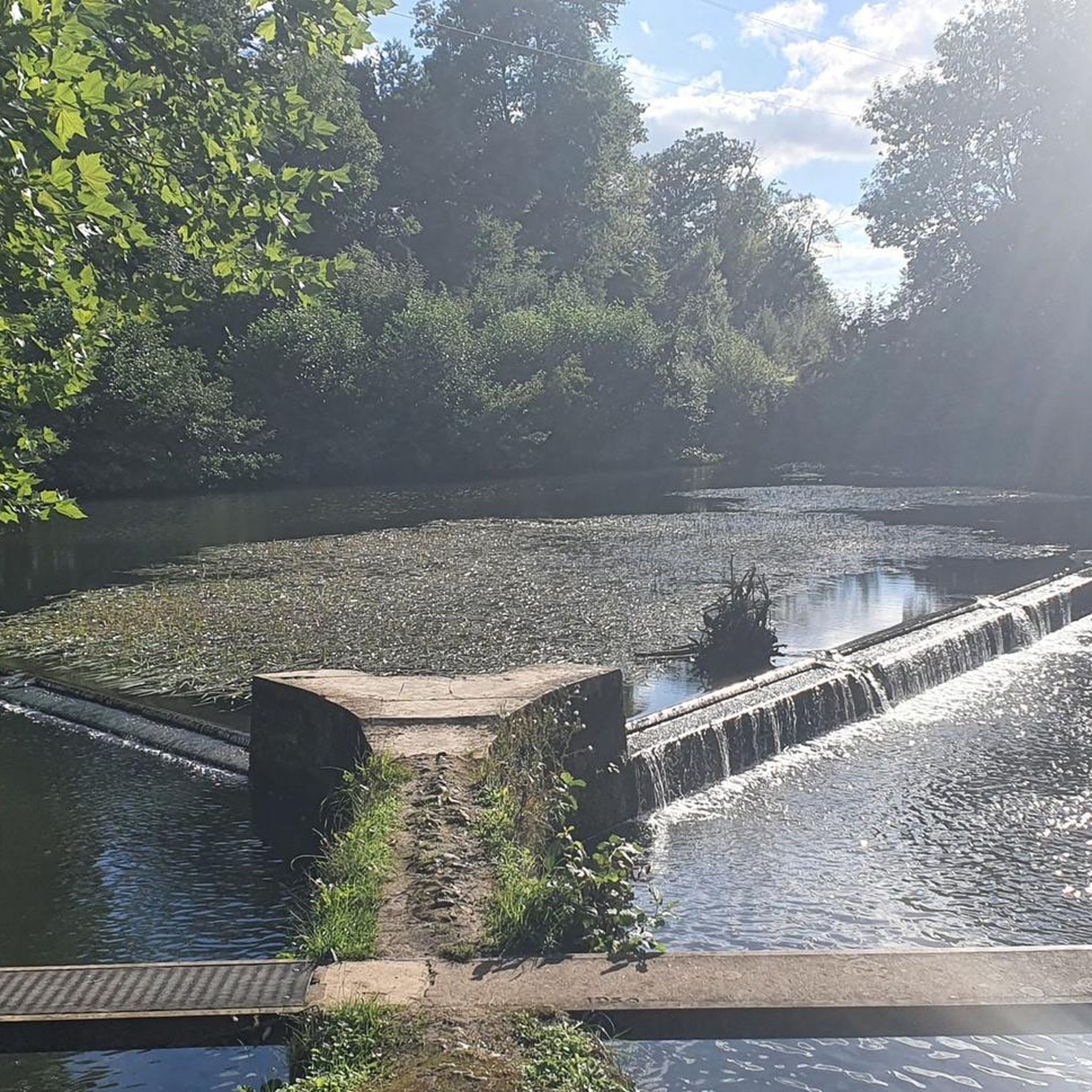
Right next to the town hall, the ideal place for a break
0
0

After seven and a half years of experimentation, malfunctions and a yield well below expectations, this solar road was finally dismantled in the summer of 2024, signaling the failure of a certain technological utopia. The electricity production was never at the level of the hopes raised: in 2022 for example, the figures indicated that the road could only supply electricity to three homes. The idea of powering the village's public lighting, which had been launched at the start of the project, was quickly abandoned. From the first weeks of operation, many problems appeared: subsidence, fouling, noise pollution, etc. Technical problems that led to frequent closures of the road. And the dissatisfaction of locals and users ended up sounding the death knell for this pioneering experiment. In the end, the project turned out to be three times more expensive than conventional solar panels. Despite these setbacks, the manufacturer behind the project insists on the importance of the lessons learned. Recognizing that their photovoltaic panels are not suitable for a conventional road, the company decided to direct its technology towards cycle paths, parking lots or sidewalks, and other passages subject to less damaging traffic constraints. In any case, the idea of covering our roads with photovoltaic panels, where cars, trucks and various agricultural machinery circulate, remains, in the current state of technology, a utopia.
0
0
Frequently Asked Questions
How many road cycling routes are available around Bourth?
There are over 30 road cycling routes around Bourth, offering a diverse range of options for cyclists. These routes are highly rated by the komoot community, with an average score of 4.6 stars.
What are the difficulty levels of road cycling routes in Bourth?
The routes around Bourth cater to various fitness levels. You'll find 5 easy routes, ideal for a relaxed ride, and 28 moderate routes that offer more of a challenge. While most surfaces are well-paved, some longer, more challenging options might include unpaved segments, requiring good to very good fitness.
What kind of terrain can I expect on road cycling routes near Bourth?
The Bourth area features a varied landscape, including verdant countryside, picturesque ponds, and rivers like the Iton. Routes often incorporate varied elevation gains, from relatively flat sections to more undulating terrain, providing a dynamic cycling experience.
Are there any scenic viewpoints or natural features along the routes?
Yes, many routes offer scenic views. For instance, the Conturbie Pond – Saint-Pierre Church loop from Bourth provides beautiful vistas around Conturbie Pond. The Route des Roches – Iton River loop from Bourth follows the scenic Iton River, and the name 'Route des Roches' hints at potentially interesting rocky features in the landscape.
What landmarks or attractions can I explore while cycling around Bourth?
Beyond the natural beauty, you can encounter several points of interest. The Soligny-la-Trappe Abbey – Conturbie Pond loop from Bourth takes you past the historic Soligny-la-Trappe Abbey. Other nearby attractions include the La Madeleine Church in Verneuil-d'Avre-et-d'Iton, Bois Francs Castle, and the medieval town centre of Verneuil-sur-Avre.
How long do road cycling routes around Bourth typically take?
Easy to moderate rides often take under two hours, covering distances up to 40-50 km with around 150-300 meters of elevation gain. More challenging routes can extend up to five hours, potentially covering longer distances and over 400 meters of elevation gain.
Are there any family-friendly road cycling options in Bourth?
Yes, there are 5 easy road cycling routes around Bourth that are suitable for families or those looking for a more relaxed pace. These routes typically feature well-paved surfaces and manageable distances.
What is the best season for road biking in Bourth?
While specific seasonal recommendations are not detailed, the verdant countryside suggests that spring and summer would offer pleasant conditions for cycling, with lush scenery. Autumn could also be beautiful with changing foliage, provided the weather remains mild.
Are there circular road cycling routes available in Bourth?
Yes, many of the road cycling routes around Bourth are designed as loops, allowing you to start and finish at the same point. Examples include the Saint-Just Church – Washhouse on the banks of the Iton loop from Bourth and the Washhouse on the banks of the Iton – Church of Notre-Dame-Outre-l'Eau loop from Bourth.
What do other road cyclists enjoy most about road cycling in Bourth?
The area is highly rated by the komoot community, with an average score of 4.6 stars from over 40 reviews. Cyclists often praise the varied terrain, the mix of landscapes including ponds and rivers, and the well-maintained surfaces that cater to different ability levels.
Are there options for challenging road cycling routes in Bourth?
While there are no routes explicitly graded as 'difficult' in the immediate vicinity, several moderate routes offer significant distances and elevation gains, providing a good challenge. Some longer routes may also include unpaved segments, adding to the difficulty for experienced riders.
Most popular attractions around Bourth

Get inspired with the komoot mobile app


Explore more
Browse the best Road cycling routes in other regions.
