The best road cycling routes around Bâlines
4.6
(56)
480
riders
154
rides
Road cycling routes around Bâlines are situated within the Eure department of Normandy, France, offering diverse landscapes for cyclists. The region features a mix of plains, rolling agricultural land, and extensive forests, including the Forêt de Breteuil. Cyclists can navigate routes along rivers such as the Eure and Seine, which provide scenic views and often utilize traffic-free greenways. The terrain generally consists of mostly paved surfaces with gentle inclines, making it accessible for various fitness levels.
Best road cycling routes…
Last updated: May 21, 2026
4.8
(4)
15
riders
Moderate road ride. Good fitness required. Mostly well-paved surfaces and easy to ride.
4.5
(2)
12
riders
73.7km
03:12
330m
330m
Moderate road ride. Good fitness required. Mostly well-paved surfaces and easy to ride.

Sign up for free
4.0
(2)
12
riders
59.1km
02:23
280m
280m
Moderate road ride. Good fitness required. Some segments of this route may be unpaved and difficult to ride.
17
riders
63.5km
02:50
310m
310m
Moderate road ride. Good fitness required. Mostly well-paved surfaces and easy to ride.
5.0
(1)
9
riders
95.6km
04:16
800m
800m
Moderate road ride. Good fitness required. Mostly well-paved surfaces and easy to ride.
Get access to more routes and recommendations from other explorers.
Sign up for free
Already have an account?
Our route recommendations are based on thousands of hikes, rides, and runs completed by other people on komoot.
Start today with a free account
Your next adventure awaits.
Login or Signup
Tips from the Community

The original Marian shrine "La Salette," which is referred to in this patronal feast, is located in the French Alps (Grenoble district) and is an important Marian shrine, even if it has not achieved the same level of fame as other pilgrimage sites honoring the Mother of God—such as Lourdes in the French Pyrenees or Fatima in Portugal. The hiking highlight "La Salette" can be found on komoot at the following link =>> https://www.komoot.com/de-de/highlight/1861054
0
0

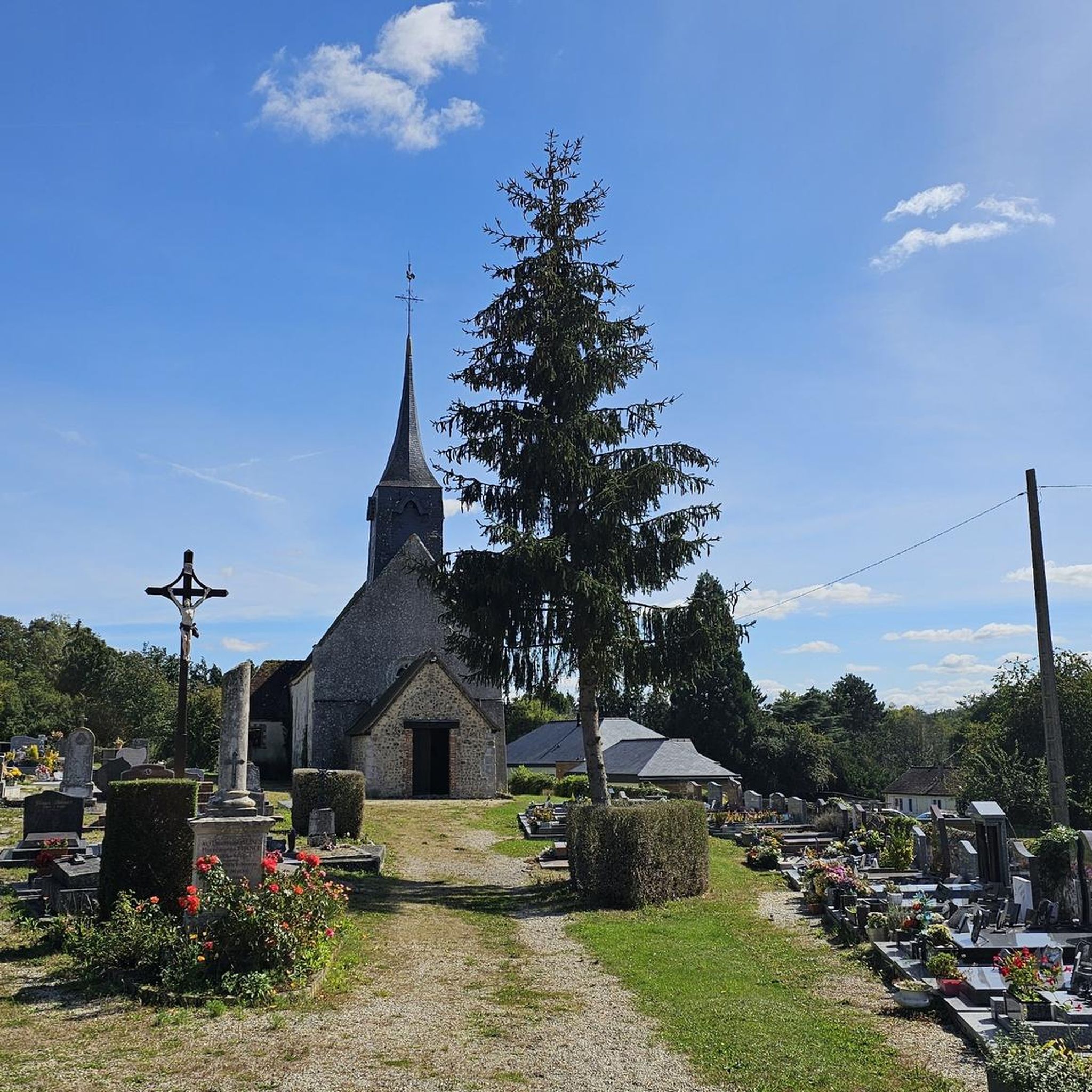
The church was built in 1865 by Father Migorel, who supposedly had three visions of a church to be built on a hilltop at the junction of three roads. It was consecrated in 1867 and opened for worship. The octagonal tower, erected in 1871, is decorated with polychrome bricks and topped with four turrets housing statues of archangels.
0
0

Located in the center of the village, it is dedicated to two twin brothers, Saint Gervais and Saint Protais, who were martyred in the 2nd century in Milan. Its construction dates from the 12th century. At that time, it included the flat-saddle nave and the choir. In the 15th and 16th centuries, it was completed by the south aisle and the ceiling covering. The south aisle was listed in July 1932, and the entire church has been listed since September 2011.
0
0

Église Saint Madeleine is a church where beautiful various statues of Saints, famous and less famous. The reason for so many different statues is that the school of sculpture was established here.
0
0

Possibility of taking a walk in the park adjoining this beautiful ruin.
0
0
Town hall of the small village of Lande sur Eure with its small war memorial
0
0
You absolutely must do this small climb to be able to enjoy a magnificent panorama!
0
0
CHURCH SAINT NICOLAS (17th century) The town of La Ferté-Vidame takes its name from the Latin Firmitas Castrum which means the fortified villa belonging to the vidame'. Its primitive church existed from the 12th century. We find it mentioned in a charter dated 1136 under the name “Ecclesia Sancti Nicolai de Firmitate”. Under the Ancien Régime, the rectory which was at the disposal of the abbot of Saint-Vincent-des-Bois became an annex of the parish of Lamblore. This particular situation of a chief town of a castellany belonging to a rural parish is explained by the detachment of the original parish from the territory around the castle. Successor to the Huguenot heirs, Claude de Rouvroy de Saint-Simon, proclaimed by the grace of Louis XIII duke and peer of France, acquired the La Ferté estate in 1632. In order to erase all traces of Protestantism, of which the church had become over the centuries a very active platform, the Duke of Saint-Simon ordered in 1658 the demolition of the original church to replace it on the same site with the current building. The work was carried out promptly. On November 1, 1659, the Saint-Nicolas church was blessed by Messire Louis Oudard de Germens, canon priest of Chartres. Classic in style with its homogeneous and ordered composition, the church was built according to a plan in the shape of a Latin cross. Its construction was inspired by the drawings of the famous Italian architect, Andrea di Pietro Palladio, whose sketches Duke Saint-Simon had brought back from Spain. The architecture remains faithful to the marriage of stone and brick while giving this alternation a fanciful touch. Very majestic, the facade is built according to the Italian pattern (bossed pilasters, superposition of orders, pediment, volutes), a style also in vogue in France since 1630. The arms of the Saint-Simon family were engraved on a stone at the pediment of the portal and on two others on either side of the portal. They were burned during the Revolution. Today, only the date engraved on the frieze remains: 1659. 16 59 Square in plan, the bell tower, which adjoins the church in the northern part, is topped with a dome surmounted by a lantern. Two bells are housed in the bell tower: one dates from 1762, the second from 1813. The history of the church is closely intertwined with that of the lords of the parish, including the families Saint-Simon, Laborde, Bourbon-Penthievre and Bourbon-Orléans remain the most famous. Grandstands accessible from the outside and opening onto the side chapels recall their presence. In 1743, at the request of Louis de Saint-Simon, a great memoirist, the family vault was built in the Chapel of the Resurrection. A slab on the ground marks the location of the grave. Unfortunately, during the Revolution, the tombs were desecrated, the bones of the benefactors were extracted from the vault and scattered in a common grave dug at the apse of the church. The church was the subject of significant restorations at the end of the 18th century and the beginning of the 19th century, including the interior ornamentation of the building which is a manifestation of the neo-classical style.
2
0
Frequently Asked Questions
How many road cycling routes are available around Bâlines?
There are over 150 road cycling routes available around Bâlines, catering to various skill levels. You'll find a diverse selection, from easy rides to more challenging excursions.
What kind of landscapes can I expect to see while road cycling near Bâlines?
The region around Bâlines, within the Eure department of Normandy, offers a rich tapestry of landscapes. You can expect to cycle through plains, rolling agricultural land, extensive forests like the Forêt de Breteuil, and scenic riverine paths along the Eure and Seine valleys. These routes often pass through picturesque villages and offer tranquil views.
Are there easy or beginner-friendly road cycling routes in the Bâlines area?
Yes, the Bâlines area is well-suited for cyclists of all abilities, including beginners. The region features many routes with mostly paved surfaces and gentle inclines. There are 35 easy routes available, often utilizing traffic-free greenways, which are ideal for a leisurely and safe ride.
What do other road cyclists enjoy most about the routes around Bâlines?
The road cycling routes around Bâlines are highly rated by the komoot community, with an average score of 4.5 stars from over 40 reviews. Cyclists often praise the varied terrain, the scenic views along rivers and through forests, and the accessibility for different ability levels.
Can I find circular road cycling routes around Bâlines?
Yes, many of the road cycling routes around Bâlines are designed as circular loops, allowing you to start and finish in the same location. For example, the Menhir de Gargantua – View of Château de l’Hermite loop from Verneuil-sur-Avre is a popular moderate circular route.
Are there any challenging road cycling routes for experienced riders?
While the majority of routes are easy to moderate, there are 2 routes classified as difficult for those seeking a greater challenge. These routes typically feature longer distances and more significant elevation gains, providing a good workout for experienced road cyclists.
What historical or cultural landmarks can I see along the road cycling routes?
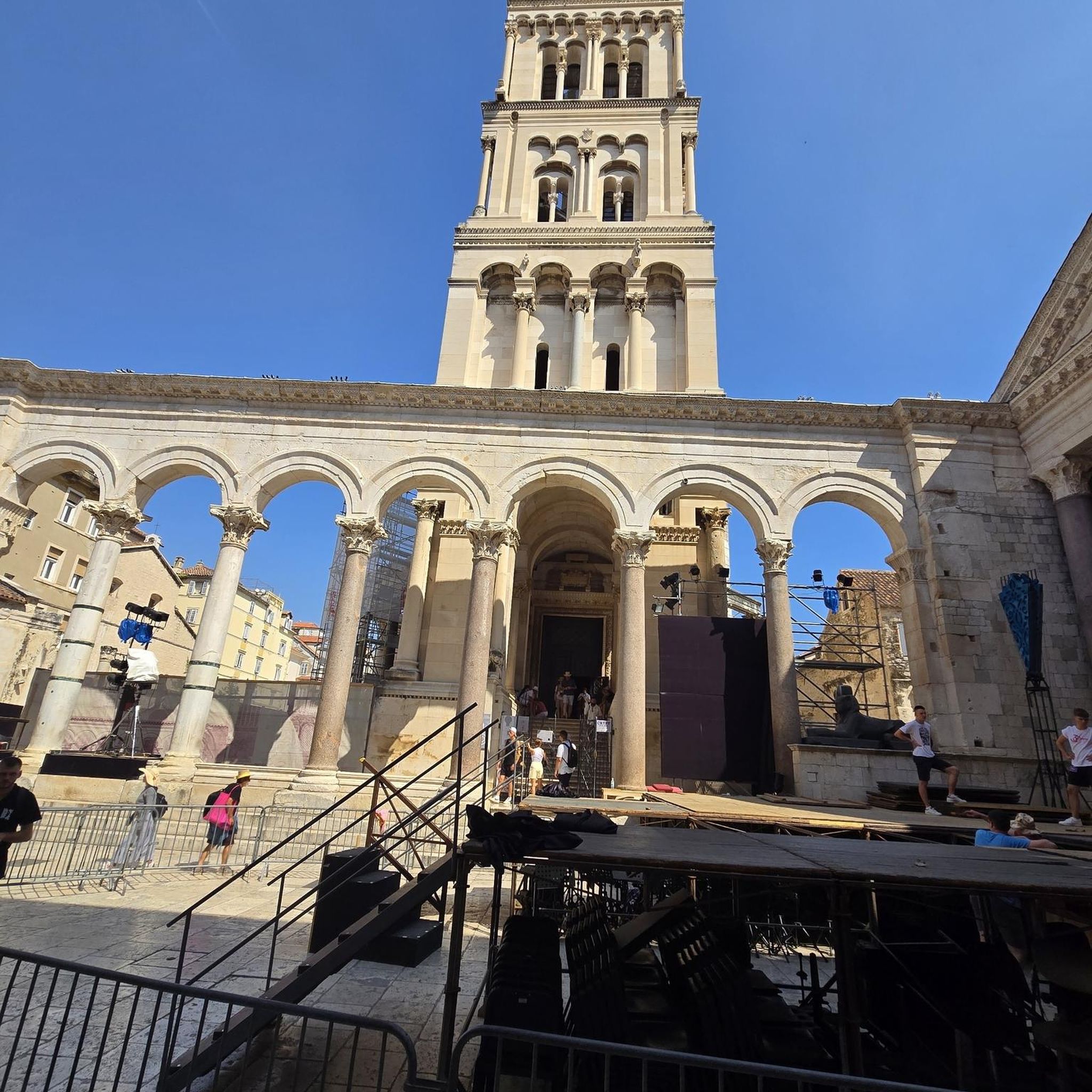
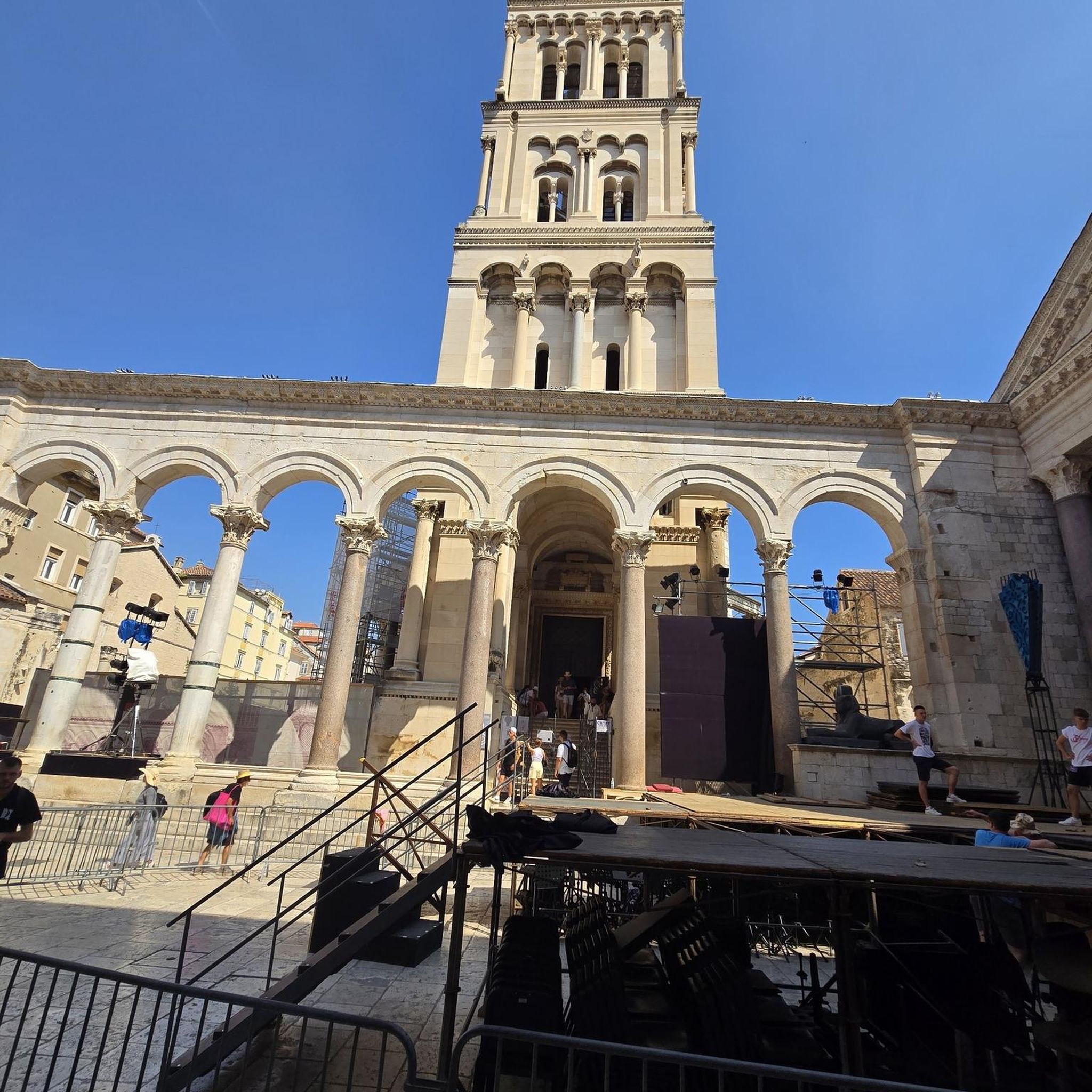
As you cycle through the region, you can discover several historical and cultural landmarks. Notable attractions include the Château de Condé-sur-Iton, the La Madeleine Church in Verneuil-d'Avre-et-d'Iton, and the medieval town centre of Verneuil-sur-Avre. The Iton River – Eglise de la Madeleine loop from Verneuil-sur-Avre is one route that passes by cultural sites.
Are there routes that follow rivers or waterways?
Absolutely. The Eure department is known for its riverine routes. You can find many cycling paths that run alongside the Eure and Seine rivers, offering picturesque views of the waterways and lush countryside. The Seine-Eure region alone boasts over 50 km of greenways and cycle routes along these rivers.
What are some popular starting points for road cycling routes near Bâlines?
Many popular road cycling routes in the area, such as the Menhir de Gargantua – View of Château de l’Hermite loop and the Iton River – Eglise de la Madeleine loop, often start from Verneuil-sur-Avre, a charming town that serves as a convenient base for exploring the surrounding area.
Are there any specific greenways or traffic-free paths for road cycling?
Yes, Normandy, including the area around Bâlines, features an extensive network of cycling routes, with 700 km designated as greenways ('voies vertes'). These are often traffic-free paths, frequently utilizing old railway lines or towpaths, providing a safe and enjoyable cycling experience away from vehicle traffic. You can find more information on the broader Normandy cycling network at France Vélo Tourisme.
Can I find routes that go through forests?
Yes, the region includes extensive forests, such as the Forêt de Breteuil. Many routes will take you through these wooded areas, providing shaded paths and opportunities for serene rides amidst nature, especially pleasant during warmer months. The Ferté-Vidame Castle – Bois Francs Greenway loop from Verneuil-sur-Avre is an example of a route that incorporates forested sections.
Most popular attractions around Bâlines

Get inspired with the komoot mobile app


Explore more
Browse the best Road cycling routes in other regions.
