The best road cycling routes around Lurais
4.3
(4)
149
riders
46
rides
Road cycling routes around Lurais are predominantly flat, offering an accessible terrain for cyclists in the Indre department of France. The region is characterized by its proximity to the Brenne Regional Natural Park, known as the "land of a thousand ponds," featuring extensive wetlands, bocages, and ancient oak forests. The Anglin Valley also contributes to the scenic landscape, providing varied routes with minimal elevation changes. This environment is well-suited for road cycling, with many routes utilizing paved surfaces.
Best road…
Last updated: May 21, 2026
8
riders
49.3km
02:10
370m
360m
Moderate road ride. Good fitness required. Mostly well-paved surfaces and easy to ride.
3.0
(1)
5
riders
35.7km
01:38
180m
180m
Moderate road ride. Great for any fitness level. Some segments of this route may be unpaved and difficult to ride.

Sign up for free
4
riders
55.5km
02:25
330m
330m
Moderate road ride. Good fitness required. Mostly well-paved surfaces and easy to ride.
4
riders
49.8km
02:23
380m
380m
Moderate road ride. Good fitness required. Some segments of this route may be unpaved and difficult to ride.
7
riders
65.6km
03:43
340m
340m
Moderate road ride. Good fitness required. Some segments of this route may be unpaved and difficult to ride.
Get access to more routes and recommendations from other explorers.
Sign up for free
Already have an account?
Our route recommendations are based on thousands of hikes, rides, and runs completed by other people on komoot.
Start today with a free account
Your next adventure awaits.
Login or Signup
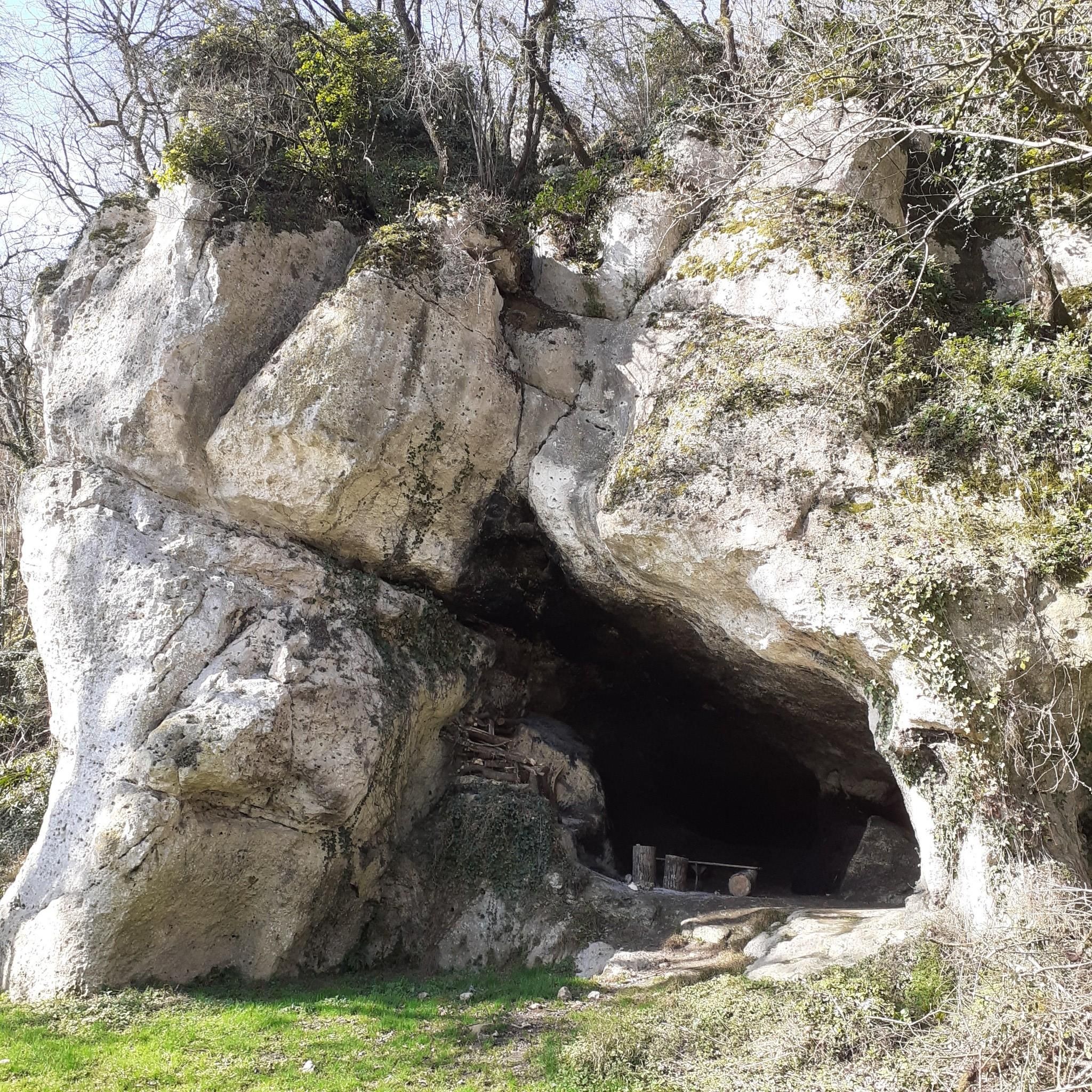
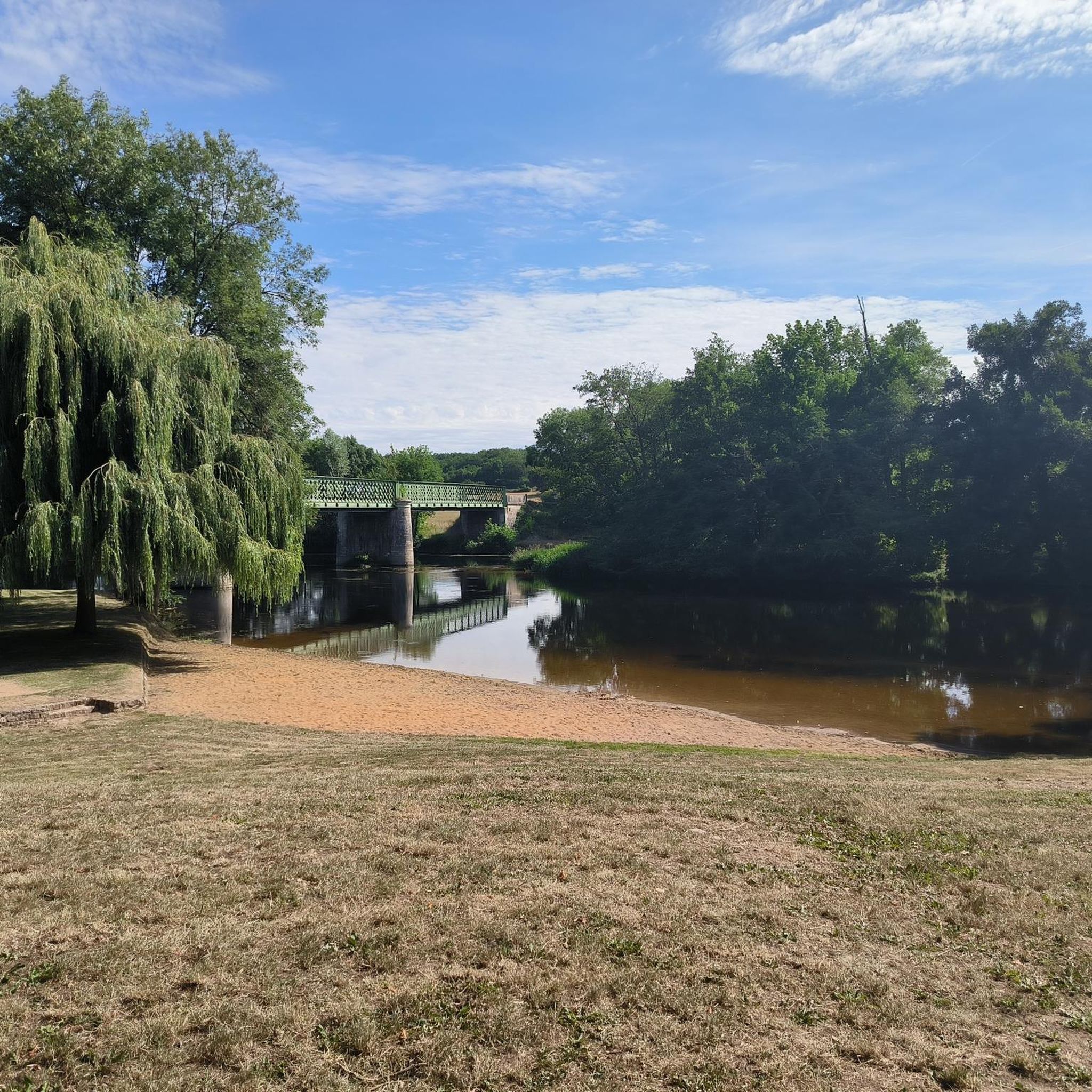

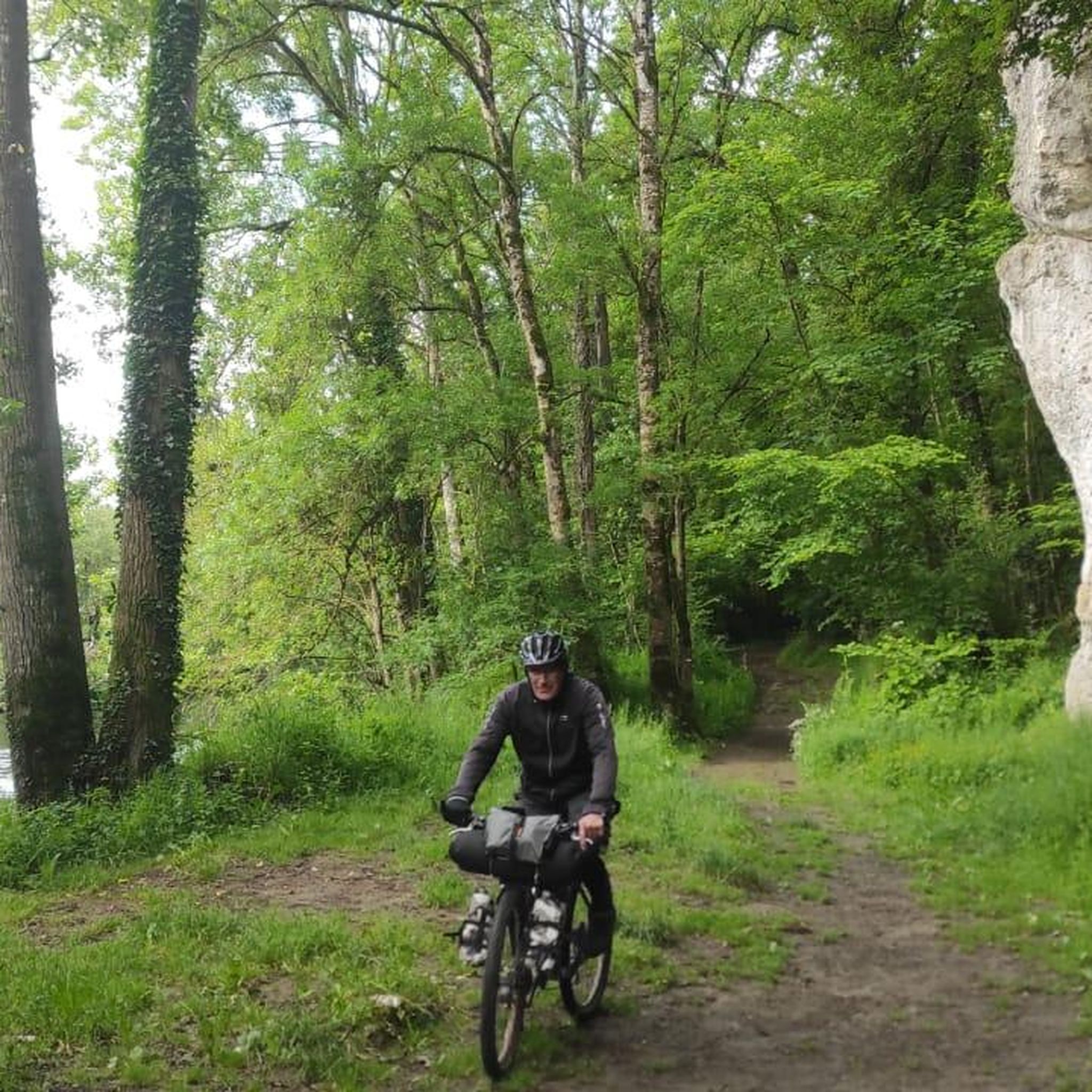

Tips from the Community

Les Loges du Parc is one of those buildings you first pass by and think: "beautiful hotel." Until you hear that it was La Roche-Posay's golden age during the Belle Époque, when wealthy Parisians would come here for months to take a spa treatment, stroll, and stroll. Built around 1905, the hotel already had something striking: — wide balconies for "airing out," as doctors called it, — a facade that resembled a chic townhouse more than a spa, — and a garden that once served as a meeting place for spa guests (read: gossiping, playing cards, and making wedding plans).
4
0
The church of La Roche-Posay appears rather austere from the outside, but appearances can be deceiving. Inside, you'll find details you wouldn't immediately expect in such a small spa town: – stained-glass windows that make the entire interior glow in the right light, – Romanesque elements dating back to the 11th and 12th centuries, – and a strikingly massive bell tower that also once served a defensive function. Fun fact: the church has always been the heart of the pilgrimage route, long before La Roche-Posay became known for its thermal springs. Travelers came here to pray before continuing on to the Creuse Valley.
4
0
Hike up to the old Château-Naillac with its twin 12th-century donjons—towers without buttresses—standing just above the Creuse River. Inside, you'll find remnants of prisoners' graffiti, a hall with a magnificent Romanesque fireplace, and a model showing what the castle once looked like.
2
0


Château d'Ingrandes is a historic castle located in the commune of Ingrandes, in the Vienne department, in Nouvelle-Aquitaine. Nestled in the heart of a rural landscape typical of the region, this castle is a fascinating witness to the architectural and historical heritage of the region. Very close to the Anglin River. Points of Interest: History and Architecture: Medieval Origins: Château d'Ingrandes dates back to the Middle Ages, and although it has undergone many modifications over the centuries, it retains architectural elements that recall its medieval past. The thick walls, watchtowers, and the layout of the castle reflect its original defensive function. Environment and Setting: Located on the Edge of the Anglin: The castle is ideally located near the Anglin River, offering an enchanting natural setting. Visitors can enjoy views of the river and the surrounding landscapes, which add a picturesque dimension to the visit. Why visit the Château d'Ingrandes? Historical Richness: The castle offers a unique window on several centuries of history, from the Middle Ages to the Renaissance, with architectural elements and fascinating stories. In short, the Château d'Ingrandes is a must-see destination for lovers of heritage, history, and nature, offering an enriching experience in a setting that is both majestic and serene.
1
0
The Château de Boussay is a castle located in the commune of Boussay, in Indre-et-Loire, in the Centre-Val de Loire region, not far from the Vienne. This castle, although less known than the famous castles of the Loire, offers a particular charm with its history, its architecture and its natural environment. Points of Interest: History and Architecture: Medieval Origins: The Château de Boussay dates back to the Middle Ages, with origins that can be traced back to the 12th century. It was modified and enlarged over the centuries, particularly during the Renaissance, which gives it a unique architecture that mixes medieval and classical elements. Architecture: The castle has an architecture typical of the manors of the region with round towers, moats, and an elegant main building. The different periods of construction are reflected in the architectural styles present on the site. Why visit the Château de Boussay? Historical Heritage: The Château de Boussay offers a dive into medieval and Renaissance history, with preserved architecture and a rich history to discover. Natural Setting: The castle is surrounded by a magnificent park that invites you to walk and relax, ideal for an outing with family or as a couple. Cultural Experience: The guided tours and cultural events organized at the castle allow you to discover the heritage from a different angle, enriching the visit with varied activities. In short, the Château de Boussay is an interesting destination for lovers of history, architecture, and nature, offering an authentic and enriching experience in a peaceful and historical setting.
1
0
La Roche-Posay is a charming spa town located in the Vienne, renowned for its waters with dermatological properties. Surrounded by nature, it offers a soothing setting, a historical heritage with its medieval fortifications, and world-renowned thermal treatments, perfect for a wellness and relaxation getaway. Points of Interest: The Thermes de La Roche-Posay: Thermal Waters: La Roche-Posay is renowned for its thermal waters with therapeutic properties, particularly effective for treating dermatological conditions such as eczema, psoriasis, and burns. The town's thermal baths offer specialized treatments based on this unique water, attracting visitors from all over the world. Thermal Cure: The thermal establishments offer a range of treatments, including medical cures, wellness treatments, and relaxation programs, making La Roche-Posay a leading destination for health tourism. Why visit La Roche-Posay? Health and Wellness: La Roche-Posay is a must-see destination for those looking to benefit from the benefits of its renowned thermal waters, in a setting dedicated to care and relaxation. Historical Heritage: The village offers an interesting mix of medieval heritage and rural charm, ideal for a cultural getaway. Various Activities: Between thermal treatments, golf, hiking, and the casino, there is something to satisfy all tastes, whether for rest, sport, or leisure. In short, La Roche-Posay is a destination that combines health, well-being, history, and entertainment, making this small town an attractive place to stay for visitors looking for relaxation and discovery.
1
0
Frequently Asked Questions
How many road cycling routes are available around Lurais?
There are over 35 road cycling routes around Lurais, offering a variety of options for different preferences and skill levels. You'll find 14 easy routes and 24 moderate routes to explore.
What is the terrain like for road cycling in the Lurais area?
The terrain around Lurais is predominantly flat, making it ideal for road cycling. It's characterized by the extensive wetlands and ponds of the Brenne Regional Natural Park, often called the "land of a thousand ponds," and the scenic Anglin Valley. You'll encounter quiet country roads and mostly paved surfaces, with minimal elevation changes.
When is the best time of year to go road cycling near Lurais?
The best seasons for road cycling in the Lurais area are spring and autumn. During these times, the weather is milder, and the natural landscapes, especially within the Brenne Regional Natural Park, are particularly vibrant and beautiful, enhancing the cycling experience.
Are there any historical or cultural landmarks to discover on a road cycling route?
Yes, several routes pass by notable historical and cultural sites. For instance, the Naillac Castle – Saint-Cyran Church loop from Angles-sur-l'Anglin takes you past historical sites and through the Anglin Valley. You can also visit the picturesque village of Angles-sur-l'Anglin, recognized as one of France's most beautiful villages, or explore the UNESCO Heritage Site of Saint-Savin-sur-Gartempe, which is within cycling distance.
What natural features can I expect to see while cycling around Lurais?
Road cycling routes around Lurais offer views of diverse natural features. You'll primarily experience the unique landscape of the Brenne Regional Natural Park, with its extensive network of ponds, wetlands, bocages (hedged farmlands), and ancient oak forests. The Anglin Valley also provides scenic lanes and rock formations, such as the Roc de Saint Barthomé.
Are there any family-friendly road cycling routes in the Lurais region?
Yes, the predominantly flat terrain around Lurais and within the Brenne Regional Natural Park is well-suited for family-friendly rides. Many routes feature dedicated bike paths or quiet paved surfaces, allowing for leisurely exploration. While specific family routes aren't detailed, the 14 easy routes available are generally suitable for less experienced cyclists or families.
Can I find circular road cycling routes around Lurais?
Yes, many of the road cycling routes around Lurais are designed as loops. Examples include the popular Angles-sur-l'Anglin loop from Angles-sur-l'Anglin and the Riding along the sunflowers loop from Tournon-Saint-Pierre, which traverses open fields and rural landscapes.
What do other cyclists say about road cycling in Lurais?
The road cycling routes in Lurais are highly rated by the komoot community, with an average score of 4.25 stars from over 4 reviews. Cyclists often praise the accessible, flat terrain and the scenic beauty of the Brenne Regional Natural Park and Anglin Valley, making for enjoyable rides.
Are there routes that showcase the local agricultural landscape, like sunflower fields?
Absolutely. Routes such as the Riding along the sunflowers loop from Tournon-Saint-Pierre are specifically designed to traverse open fields and rural landscapes, offering beautiful views of characteristic local crops, including sunflowers when in season.
Are there any longer road cycling routes for more experienced riders?
While the region is known for its generally flat terrain, there are longer routes available for those seeking more distance. For example, the Château de la Guerche – La Roche-Posay loop from Angles-sur-l'Anglin is a moderate 66.4 km route, offering a substantial ride through the scenic countryside.
What are some notable attractions near Lurais that can be reached by bike?
Beyond the routes themselves, you can cycle to several attractions. The historic village of Angles-sur-l'Anglin, with its castle and the Roc-aux-Sorciers, is just 5 km away. La Roche-Posay, featuring a castle keep and medieval gateway, is about 14 km. You can also explore the Naillac Castle or enjoy the Cycling Path on Former Railway in Parc naturel régional de la Brenne.
Most popular attractions around Lurais

Get inspired with the komoot mobile app


Explore more
Browse the best Road cycling routes in other regions.
