Attractions and Places To See around Urville-Nacqueville - Top 20
Best attractions and places to see around Urville-Nacqueville, located within the commune of La Hague in Normandy, France, offer a blend of historical sites, notable gardens, and natural coastal beauty. The area features a picturesque landscape with a long sandy beach and significant architectural landmarks. Visitors can explore sites reflecting its rich past and diverse natural environment.
Best attractions and places to see around Urville-Nacqueville
- The most popular attractions is Manoir du Dur-Écu, a castle that was rebuilt in the 16th century on older foundations. This imposing manor house includes a main building flanked by two circular corner towers and a dovecote.
- Another must-see spot is Omonville-la-Rogue, a village with a rich history and heritage, known for its natural beauty and port. The village features historical monuments such as the Saint-Martin church and the Omonville-la-Rogue fort.
- Visitors also love Parc Emmanuel Liais, a botanical park classified as a remarkable garden. This park brings together a surprising and exotic plant heritage, including a greenhouse with tropical rainforest and cactus desert environments.
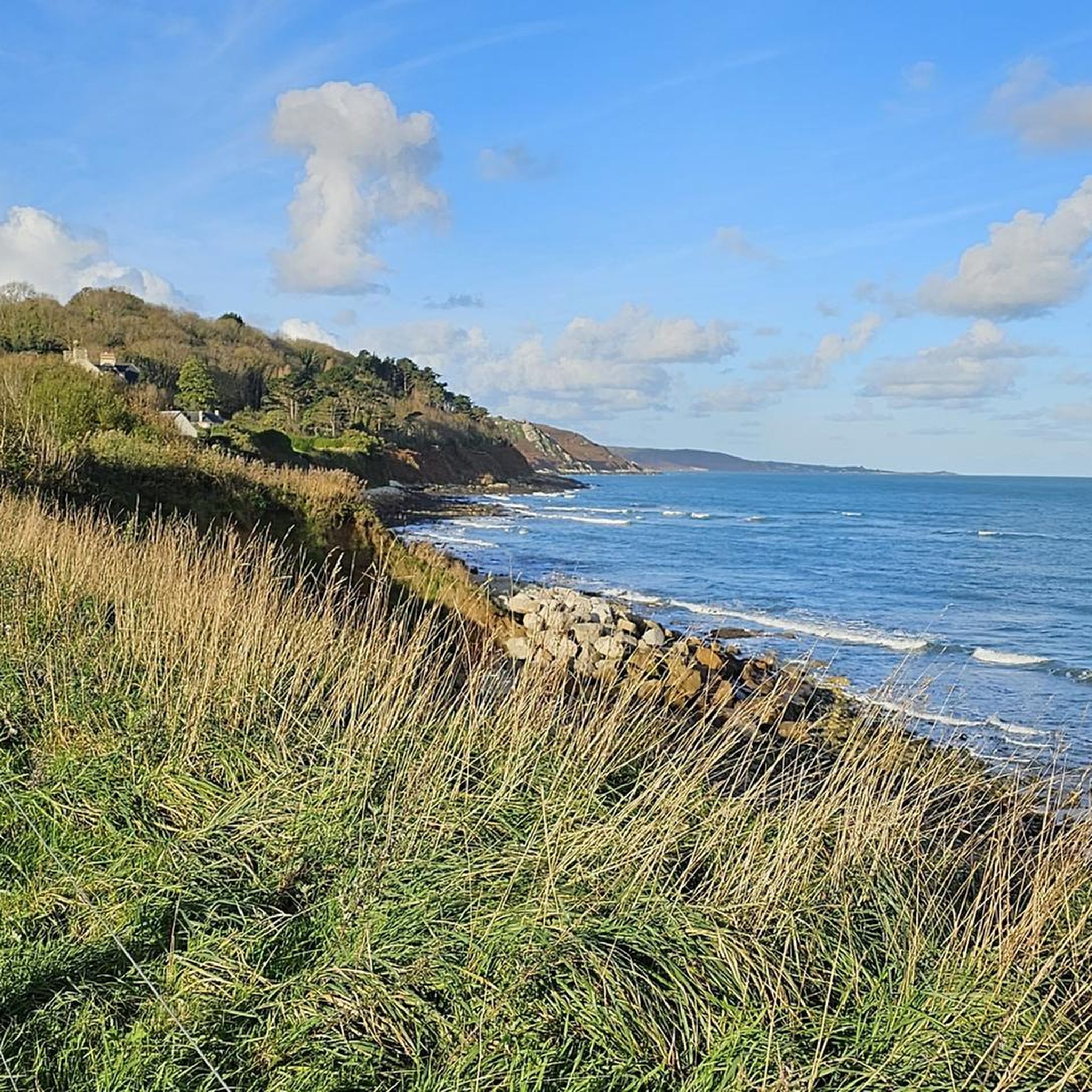
- Urville-Nacqueville is known for its historical sites, natural coastal features, and remarkable gardens. The area offers a variety of attractions to see and explore, from ancient manors to scenic coastal paths.
- The attractions around Urville-Nacqueville are appreciated by the komoot community, with more than 200 upvotes and 70 photos shared across the highlights.
Last updated: July 20, 2026
Basilica of the Trinity
Highlight • Religious Site
Translated by Google •
Tip by

Place Napoléon in Cherbourg
Highlight • Monument
Translated by Google •
Tip by

Sign up now to discover places like this
Get recommendations on the best single tracks, peaks, & plenty of other exciting outdoor places.
Sign up for free
Manoir du Dur-Écu
Highlight • Castle
Translated by Google •
Tip by

Parc Emmanuel Liais
Highlight • Forest
Translated by Google •
Tip by

Omonville-la-Rogue
Highlight • Other
The village is also known for its natural beauty and its port, called le Hâble. The port is one of the few on this rugged coast, and it is the smallest port in France. It is a popular destination for sailors and fishermen, as well as tourists who want to enjoy the scenery and tranquility. The village is surrounded by green hills and valleys, where there are old water mills and lush vegetation.
Translated by Google •
Tip by
Sign up for free to discover even more attractions around Urville-Nacqueville.
Sign up for free
Already have an account?
Start today with a free account
Your next adventure awaits.
Login or Signup

Tips from the Community

The statue is already visible from afar.
1
0


This church was not dedicated to one of the many people who died as martyrs (witnesses of faith) for their Christian beliefs, or who we venerate as blessed or saints because of their exemplary way of life. Rather, this parish has chosen God himself - in the "Holy Trinity" - as its patron saint. According to Christian teaching, we believe in ONE God who exists in THREE persons - God the Father, God the Son (Jesus Christ) and the Holy Spirit. The following description can be found on the EKD (Evangelical Church in Germany) website: "The word tries to express the seemingly impossible, namely that God is three and one at the same time. To understand this, it helps to consider how people have experienced God throughout history: as a creator who loves his world and people like a father loves his children. As a God who became human himself in Jesus Christ, his son, and shared human life. And finally as God who is still present and alive among people in the Holy Spirit.”
3
0


Imposing manor house, made up of ten buildings with three mills and a dovecote, for architecture and history buffs, it is worth the detour!
1
0

Omonville-la-Rogue has a rich history and heritage, dating back to the Middle Ages. It owes its name to a Viking settler named Osmundr, who owned an estate there. The suffix -la-Rogue comes from a family name, Rogues, which was probably linked to the lord of the place. The village has several historical monuments, such as the Saint-Martin church, built in the 12th century, the Omonville-la-Rogue fort, built in the 17th century, and the Tourp manor, built in the 18th century. The village is also known for its natural beauty and its port, called le Hâble. The port is one of the few on this rugged coast, and it is the smallest port in France. It is a popular destination for sailors and fishermen, as well as tourists who want to enjoy the scenery and tranquility. The village is surrounded by green hills and valleys, where there are old water mills and lush vegetation.
2
0

It was rebuilt in the 16th century on older foundations, in a stronghold cited in the 14th century. It consists of ten buildings, including three mills, and a granite and blue stone dovecote with 2,000 balls. Its raison d'être is its positioning on the edge of the old royal path leading to the Hague, where this path moves away from the strike to climb the first cliffs. The legend attributes its name to a warlike episode during which William the Conqueror would have had his life saved by Robert Le Fort who protected him with his shield (it was then said a shield) Source: Wikimanche
1
0
Frequently Asked Questions
What historical sites can I explore in Urville-Nacqueville?
Urville-Nacqueville is rich in history. You can visit the imposing Manoir du Dur-Écu, a 16th-century manor built on older foundations, featuring circular towers and a dovecote. The area also has Napoleonic forts along the beach, later adapted during WWII, and the ancient Gaulish Necropolis, an archaeological site dating back to 120-80 BC.
Are there any notable architectural landmarks in the area?
Yes, beyond the Manoir du Dur-Écu, the 16th-century Château de Nacqueville is a significant architectural landmark, restored in the 19th century with a drawbridge, towers, and lucarnes. Its estate includes a notable park.
What natural attractions are there to see around Urville-Nacqueville?
The long sandy Urville-Nacqueville Beach is a prominent natural feature, historically a popular seaside resort. You can also explore the stunning coastal paths, such as the GR223 (Sentier des Douaniers) near Cap de la Hague, offering sea views and access to sandy coves.
Are there any remarkable gardens to visit in the region?
Absolutely. The Parc du Château de Nacqueville is recognized as a remarkable garden. Additionally, Parc Emmanuel Liais, though located in nearby Cherbourg, is classified as a remarkable garden and features a surprising and exotic plant heritage, including a tropical rainforest greenhouse. La Blanche Maison is another garden in the area recognized for its remarkable qualities.
What outdoor activities can I do near these attractions?
The region offers various outdoor activities. You can find numerous MTB trails, road cycling routes, and running trails. For water sports, the Pôle Nautique Hague in Urville-Nacqueville and Omonville la Rogue offers windsurfing, kitesurfing, catamaran, land sailing, and sea wading.
Are there family-friendly attractions around Urville-Nacqueville?
Yes, several attractions cater to families. The Parc Emmanuel Liais, with its exotic plants and tropical greenhouses, is a great option. The Urville-Nacqueville Beach is also suitable for family outings. Historical sites like the Manoir du Dur-Écu can also be interesting for older children.
What is special about the village of Omonville-la-Rogue?
Omonville-la-Rogue is a village with a rich history and heritage, known for its natural beauty and its port, le Hâble, which is one of the smallest ports in France. It features historical monuments such as the 12th-century Saint-Martin church and the 17th-century Omonville-la-Rogue fort.
What do visitors enjoy the most about the attractions in Urville-Nacqueville?
Visitors particularly appreciate the historical depth of sites like the Manoir du Dur-Écu, noting its imposing architecture and historical significance. The natural beauty of the coastal areas and the unique plant collections at places like Parc Emmanuel Liais are also highly valued.
Can I find any religious or spiritual sites nearby?
Yes, the area includes the medieval Saint-Clair Chapel. Additionally, the Basilica of the Trinity in nearby Cherbourg is a significant religious building in Flamboyant Gothic style, with parts dating back to the 10th century.
Are there opportunities for coastal walks or hiking?
Yes, the nearby Cap de la Hague offers stunning sea views and interesting coastal walks along the GR223, also known as the Sentier des Douaniers. This path traces the spectacular rocky headland with its sandy coves, providing excellent opportunities for hiking and enjoying the natural landscape.
What is the significance of the Gaulish Necropolis?
The Gaulish Necropolis of Urville-Nacqueville is an important archaeological site dating from 120 to 80 BC. It was once a port of call for trade with southern England, and excavations have unearthed artifacts such as Italian wine amphorae, English ceramics, Mediterranean coral, Baltic amber, and coins, highlighting the region's historical role in ancient trade networks. You can learn more about this site on culture.gouv.fr.
Is there a place to see a statue of Napoleon in the vicinity?
Yes, in nearby Cherbourg, you can visit Place Napoléon. The main attraction in this colorful square is the bronze equestrian statue of Napoleon by sculptor Armand Le Véel, which has a fascinating history regarding its unveiling.
Most popular routes around Urville-Nacqueville
Most popular attractions around Urville-Nacqueville

Get inspired with the komoot mobile app


Explore more
Still not found the Highlight you’re looking for? See guides of the top attractions in other regions:
